
Place · 0.1 mi away
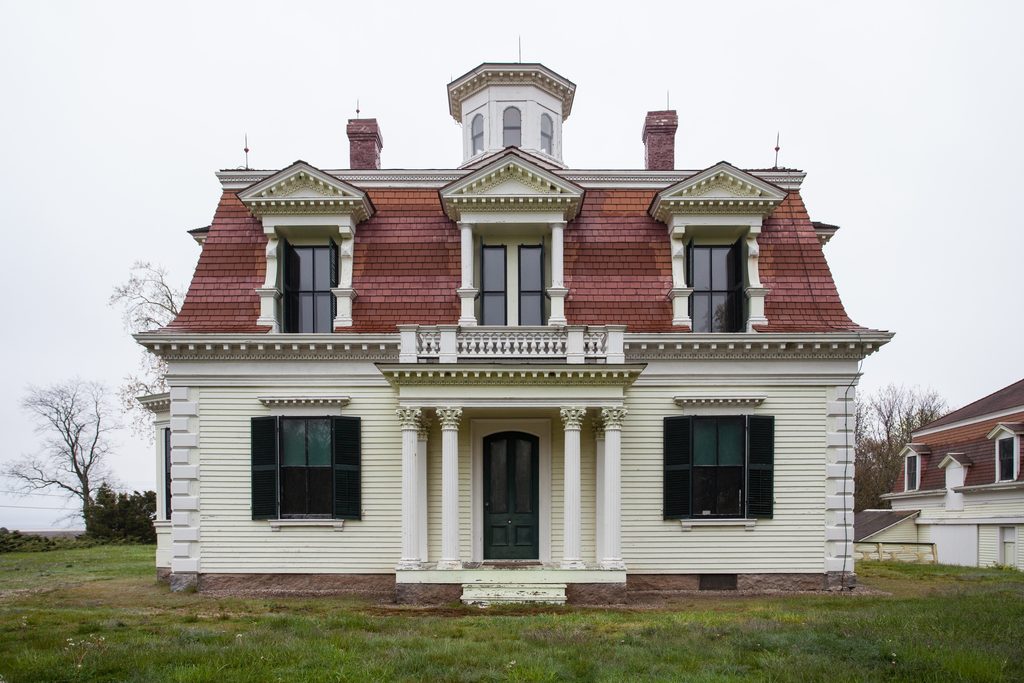
Set on Fort Hill in Eastham, this French Second Empire–style home (completed in 1868) tells the story of whaling captain Edward Penniman and his family. It’s a compact stop with outsized character: mansard roof, a cupola-topped silhouette, and interiors interpreted to the late 19th century.
Expect an ornate exterior and a period interior with fine woodwork and stained glass, plus exhibits that bring the Pennimans’ sea-going life ashore. The house showcases early “modern conveniences” for Eastham—indoor kitchen and bath plumbing (including the town’s first flush toilet), a cistern-fed water system, and heating that evolved from room stoves to a coal furnace and later oil. Electricity arrived in the 1930s, though much was removed during restoration to reflect an earlier look. Recent preservation work wrapped up in late 2024, so the place is looking sharp.
Captain Penniman spent decades at sea on long whaling voyages; his success funded this standout home. Built by master builder Nathaniel Nickerson, the site later added a mansard-roofed barn (1880) and a greenhouse (lost to a 1920s hurricane). The Pennimans lived here into the mid‑20th century; the family sold the property to the National Park Service in 1963. It was listed on the National Register of Historic Places on May 28, 1976.
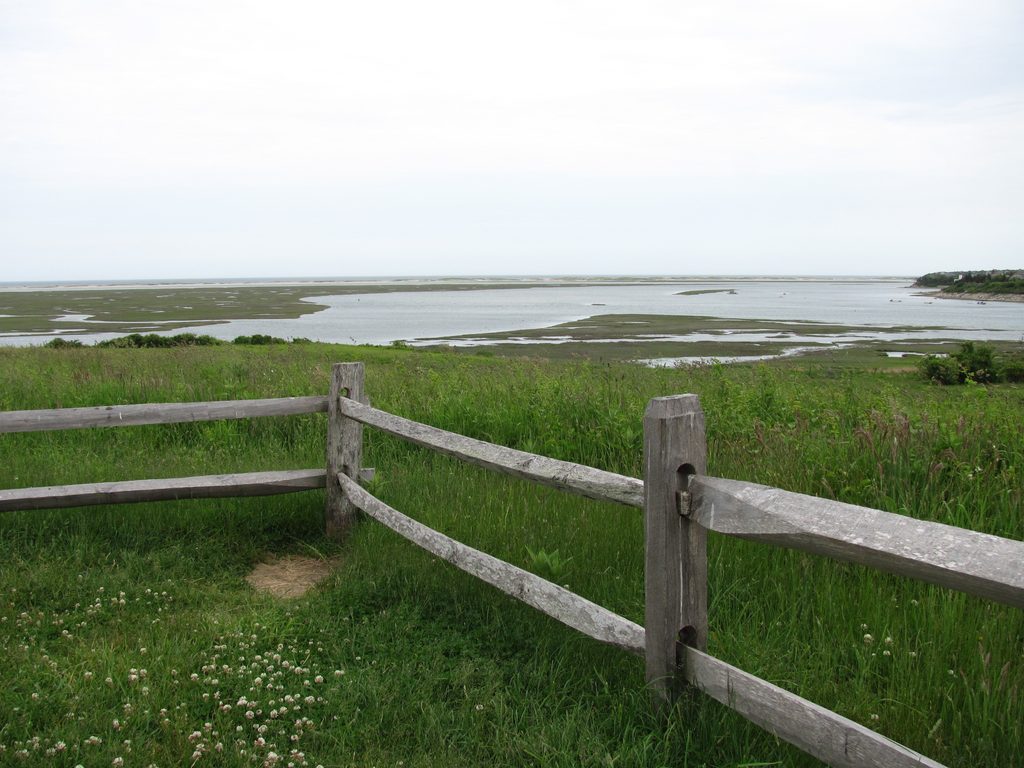
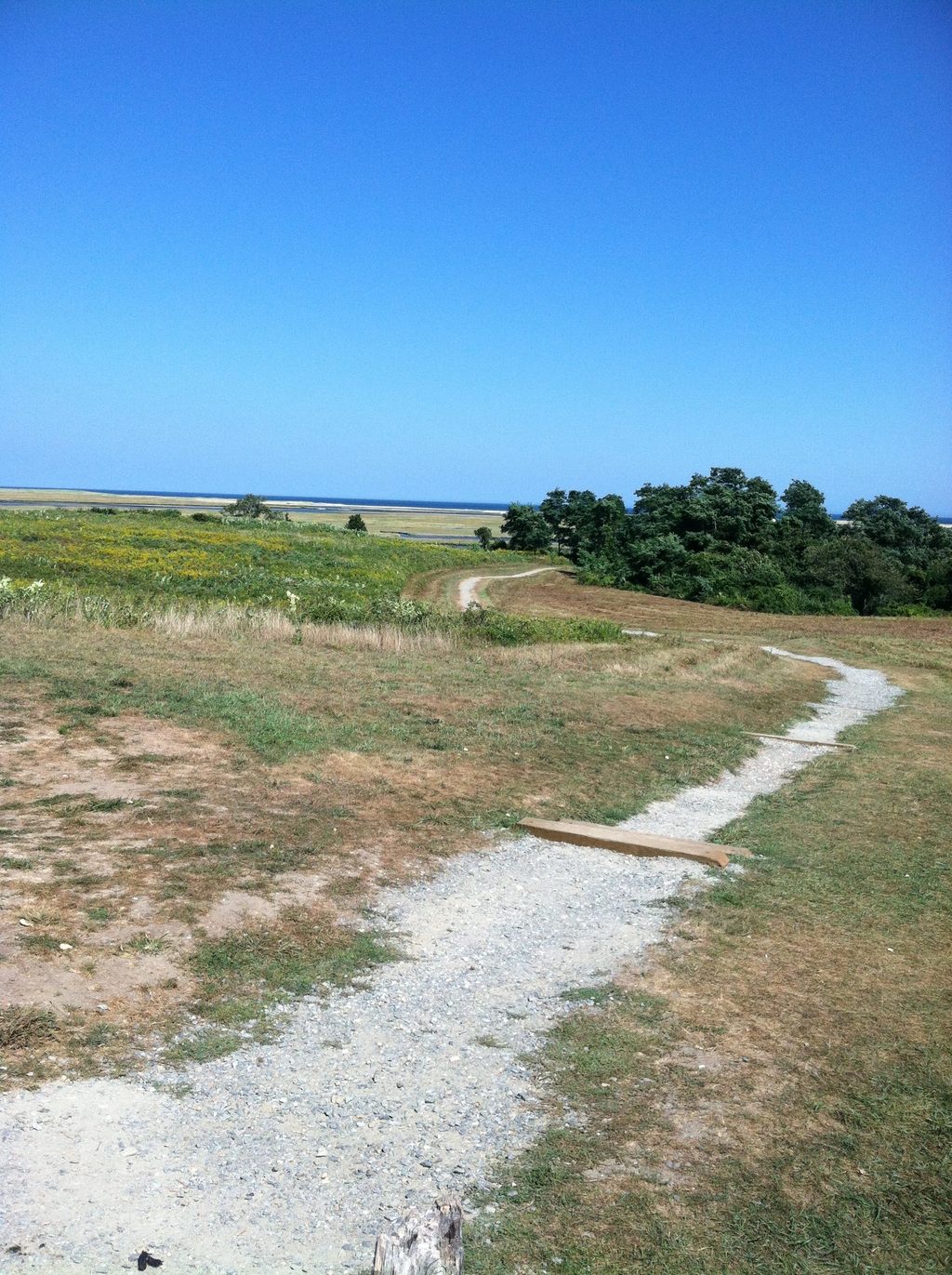
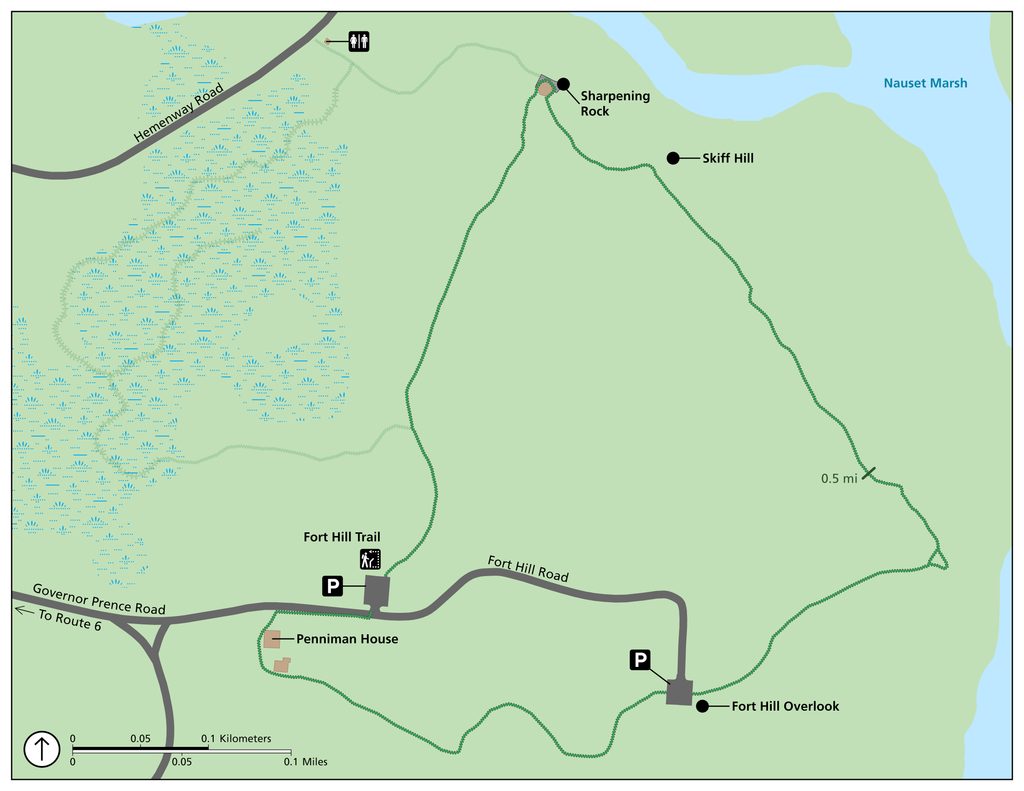
The house anchors the Fort Hill area, where the late‑19th‑century site plan largely survives. It sits along the Fort Hill Trail, so you can pair a quick house visit with a short walk for coastal scenery and context.
Visitors on the surrounding trails report rabbits, deer, and plenty of songbirds—especially in late spring and early summer, even on drizzly days. Keep your eyes on the meadows and hedgerows as you wander the grounds.
There are no public restrooms at the site. Parking is available at Fort Hill. If the house happens to be closed, the exterior and grounds still make a worthwhile, quick stop—and they tie in nicely with a Fort Hill Trail loop.
Place · 0.1 mi away
Place · 0.1 mi away
Place · 0.3 mi away
Place · 1.3 mi away
Easy · 0.1 mi away
Easy · 0.3 mi away

Easy · 1.4 mi away
Easy · 1.4 mi away

Parkwolf Tour Guide
