
Place · 1.1 mi away
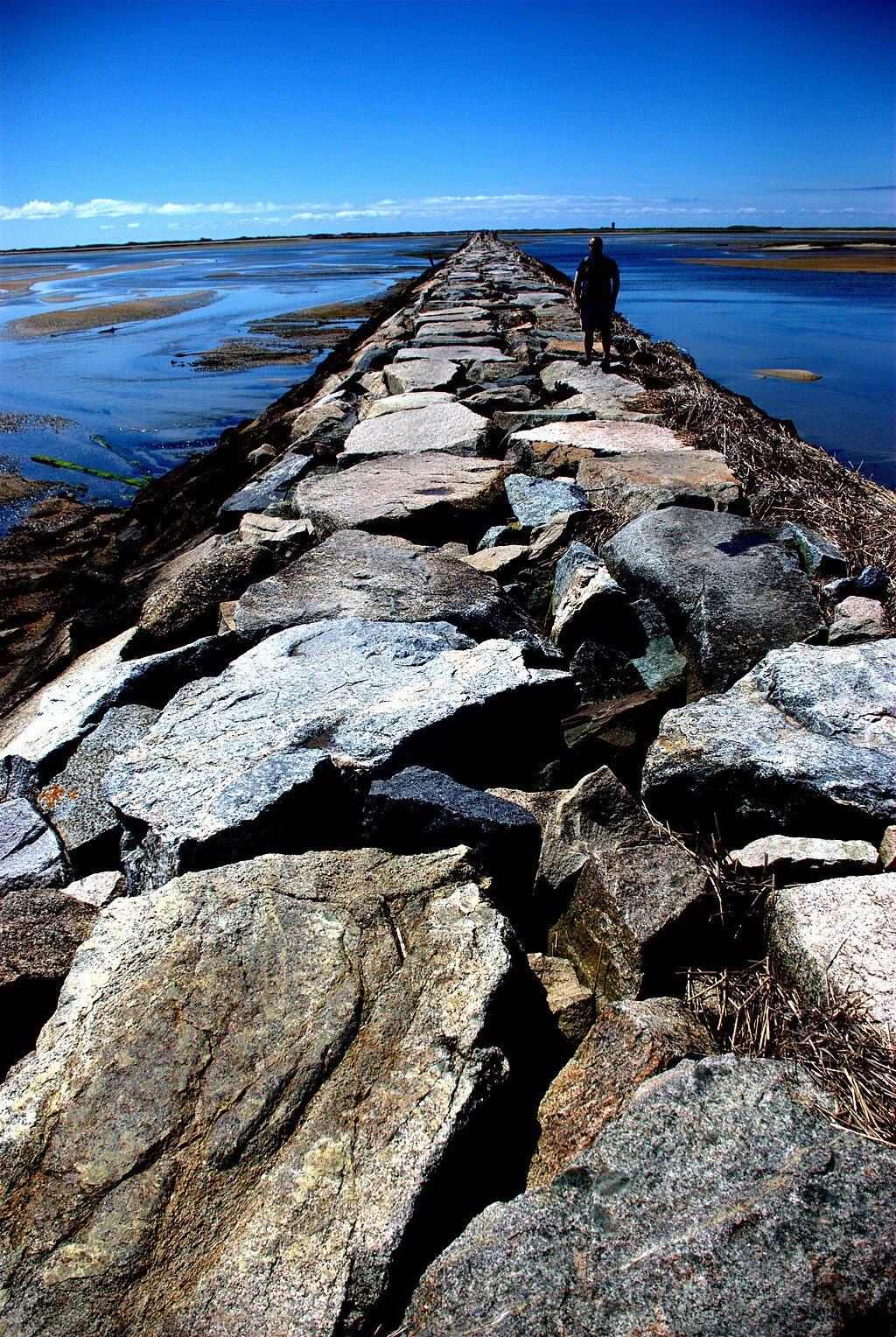
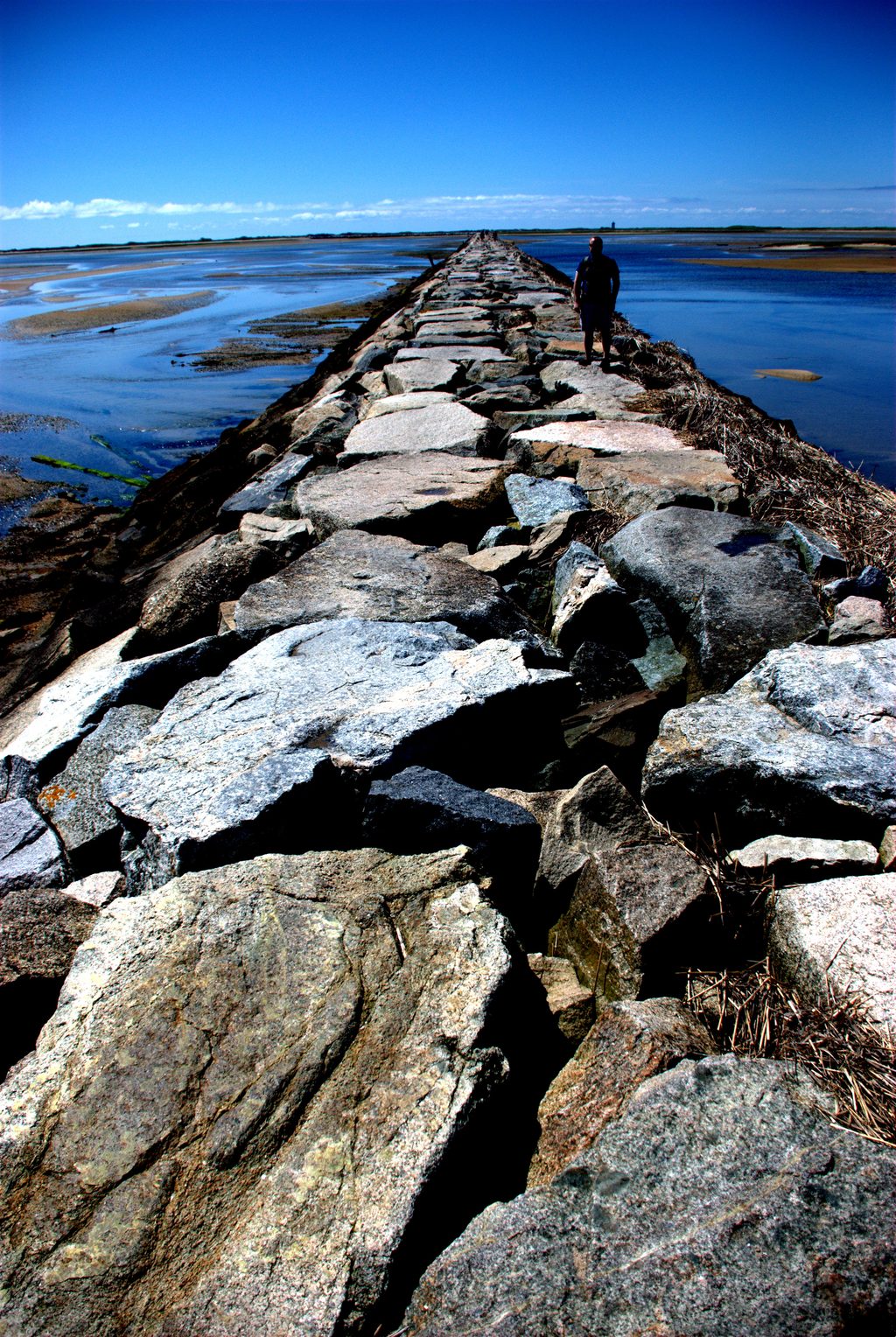
A long ribbon of granite reaching from Provincetown’s West End toward Wood End and Long Point, the breakwater (also called the Long Point Dike) is a memorable, mile‑ish walk over big stone blocks with constant water views. Go for the panorama: town skyline behind you, salt marsh and open harbor all around.
You’ll step from block to block on uneven stone. It’s not a groomed path, so take your time, especially if the rocks are wet or coated with algae. On calm days it’s delightful; in strong wind or storms, skip it. Around higher tides, some sections pool or briefly submerge—turn around if water is pushing over the stones.
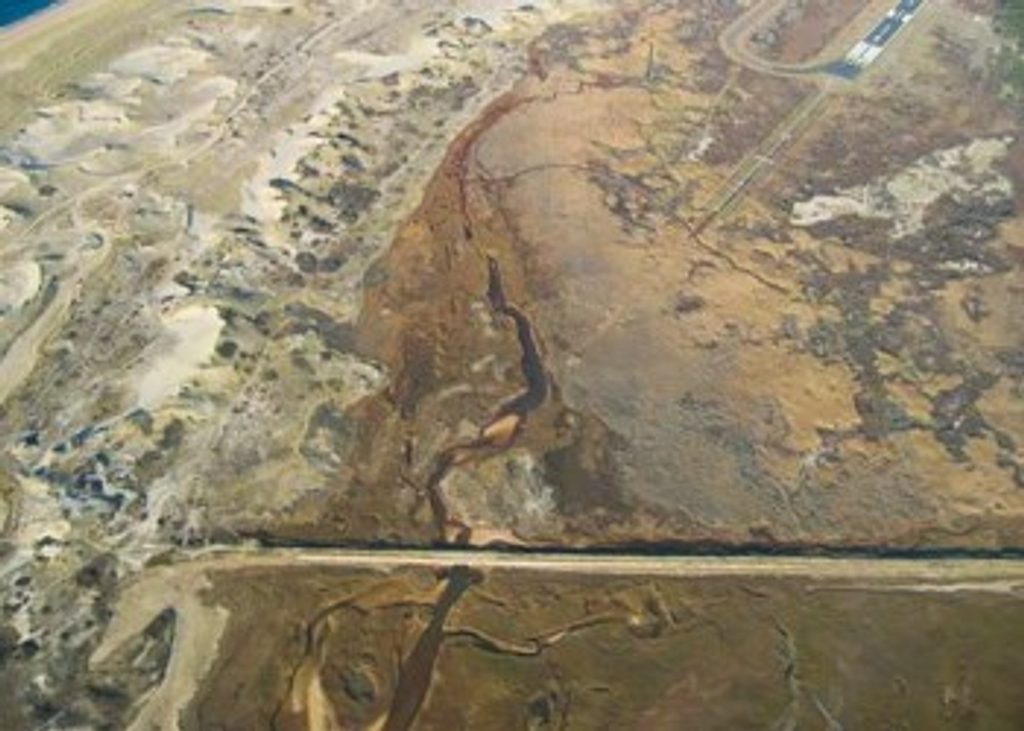
Expect gulls and cormorants, busy tide pools, and broad views of the adjacent West End salt marsh—important nursery habitat for fish and other marine life. Keep an eye on shellfishing activity on the surrounding flats and give anyone working there plenty of room.
A timber dike went in during 1871–72. The present granite structure was built circa 1910–1915 from massive Quincy stone, with repairs after big mid‑20th‑century storms. There’s ongoing discussion about ecology as well as durability.
Local and federal partners have studied cutting about a 40‑foot opening near the midpoint (with a small pedestrian bridge) to improve tidal and fish access to the marsh. As discussed in late September 2024, the concept is under further modeling; if ultimately approved, the earliest installation was projected for 2027.
There are no facilities on the breakwater, at Wood End Light, or at Long Point Beach—bring water and pack out everything. Closest full services are at Herring Cove Beach in season; year‑round restrooms are available at Province Lands Visitor Center and in town. For parking near the start, look to the West End Lot by the boat ramp (metered) and a small metered rotary nearby; town parking enforcement typically runs May through early November.
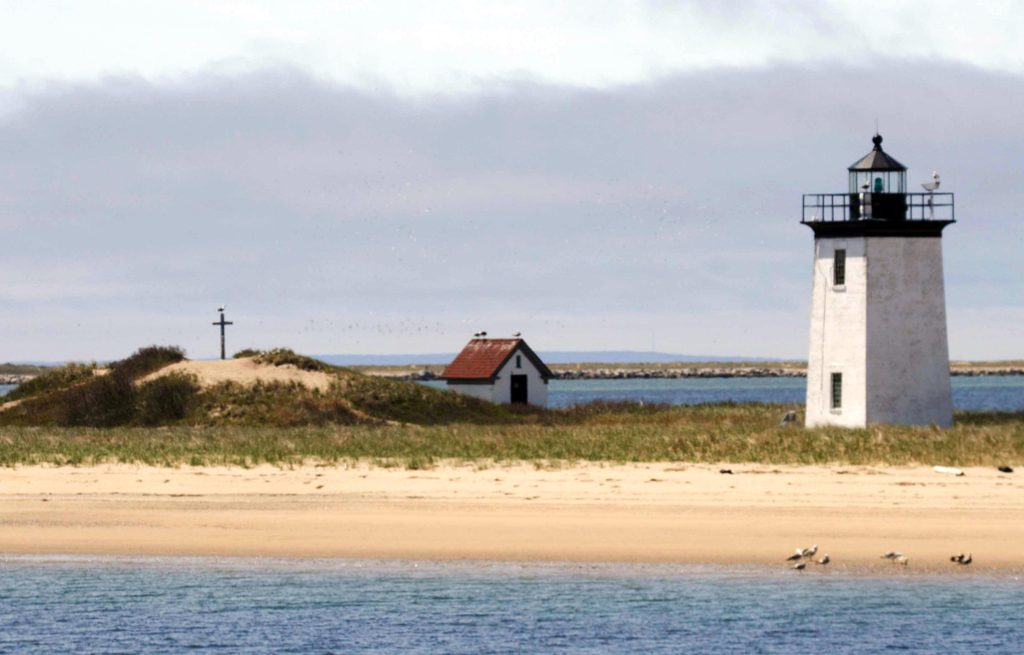
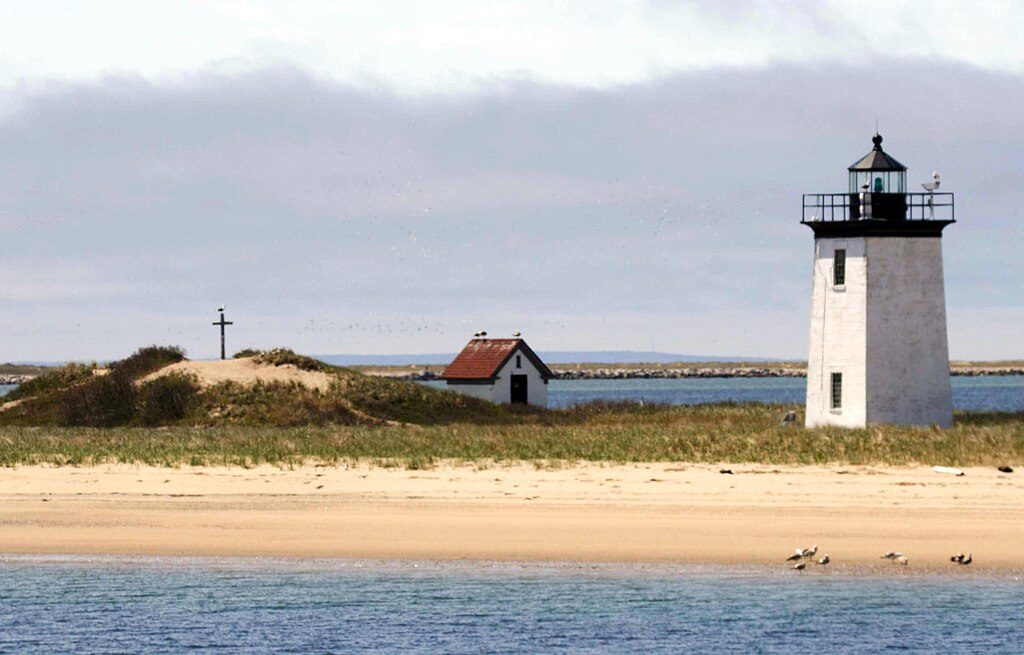
Walking the breakwater is the classic route to Long Point’s broad, quieter sands and views of Long Point Light. Prefer not to walk? A seasonal shuttle boat runs from MacMillan Pier (in 2025 it operated mid‑June to Labor Day every 30 minutes, then early September every two hours); expect a beach landing with no dock.
Aim for low tide or a falling tide window for the easiest, driest crossing. Weekday mornings and later afternoons tend to be quieter; sunsets are gorgeous but busier. For photography, early and late light side‑lights the stones and the town nicely; midday is brightest but flatter. Pick calm, clear days for the best experience.
Place · 1.1 mi away
Place · 1.2 mi away
Place · 1.2 mi away
Place · 1.4 mi away
Challenging · 0 mi away
Moderate · 0 mi away

Easy · 1.6 mi away
Easy · 2 mi away

Parkwolf Tour Guide
