Wood End Light

Remote lighthouse reached by a tide-timed breakwater walk
Wood End Light, Cape Cod National Seashore
InsideCape Cod National Seashore

Overview

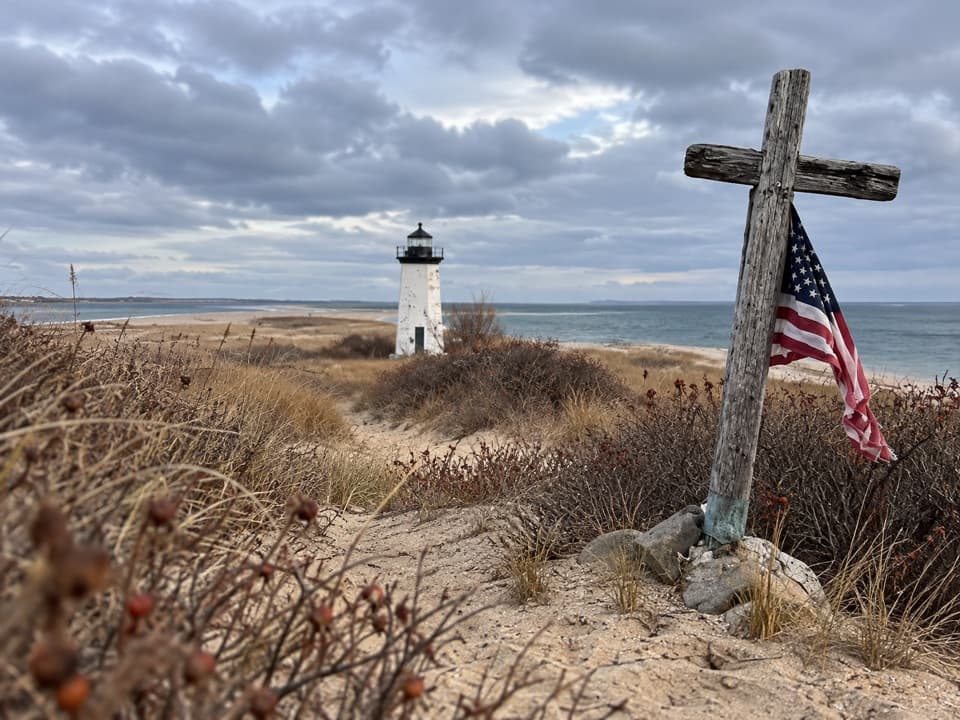
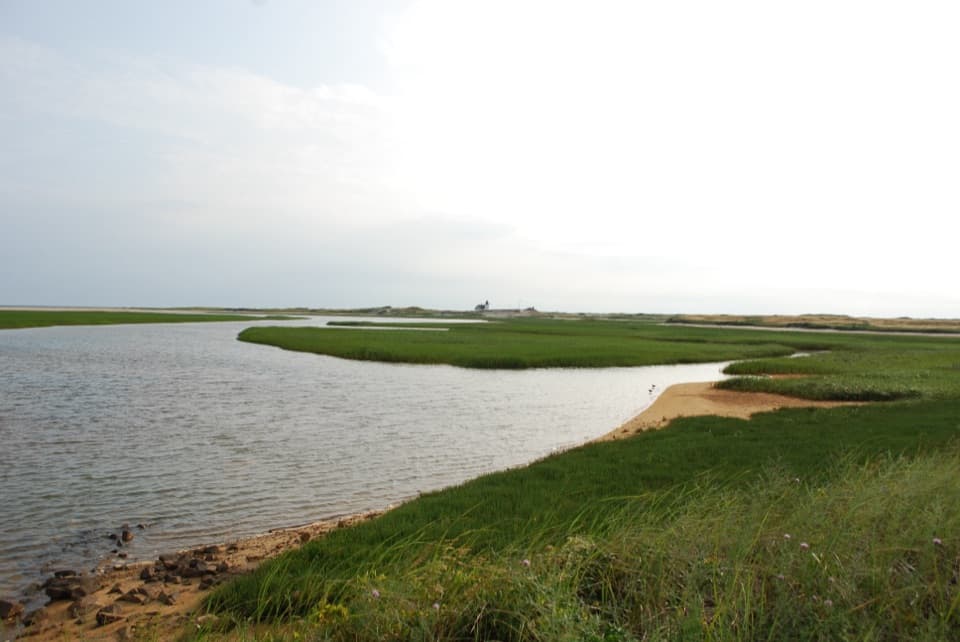
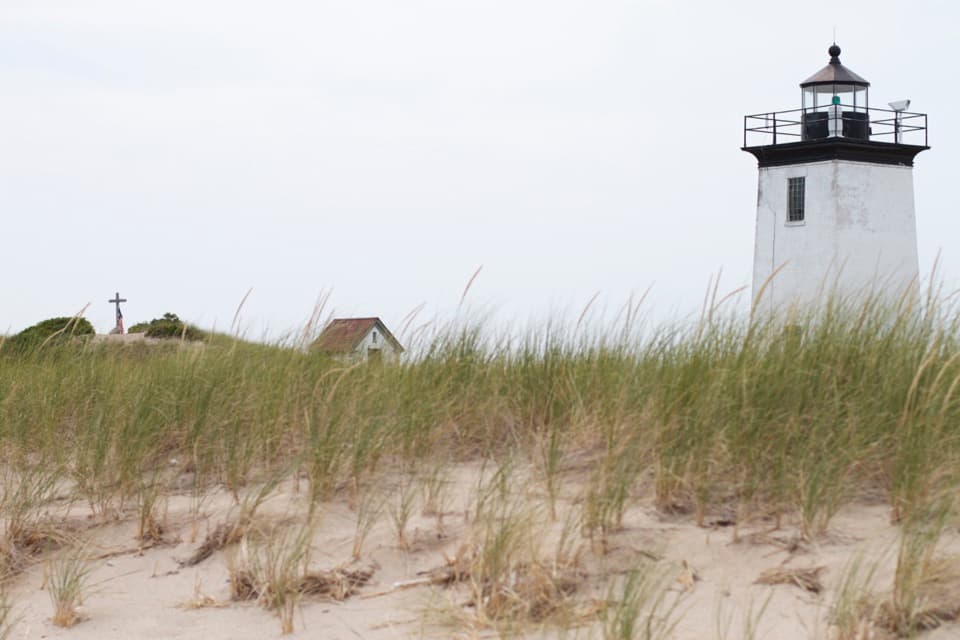
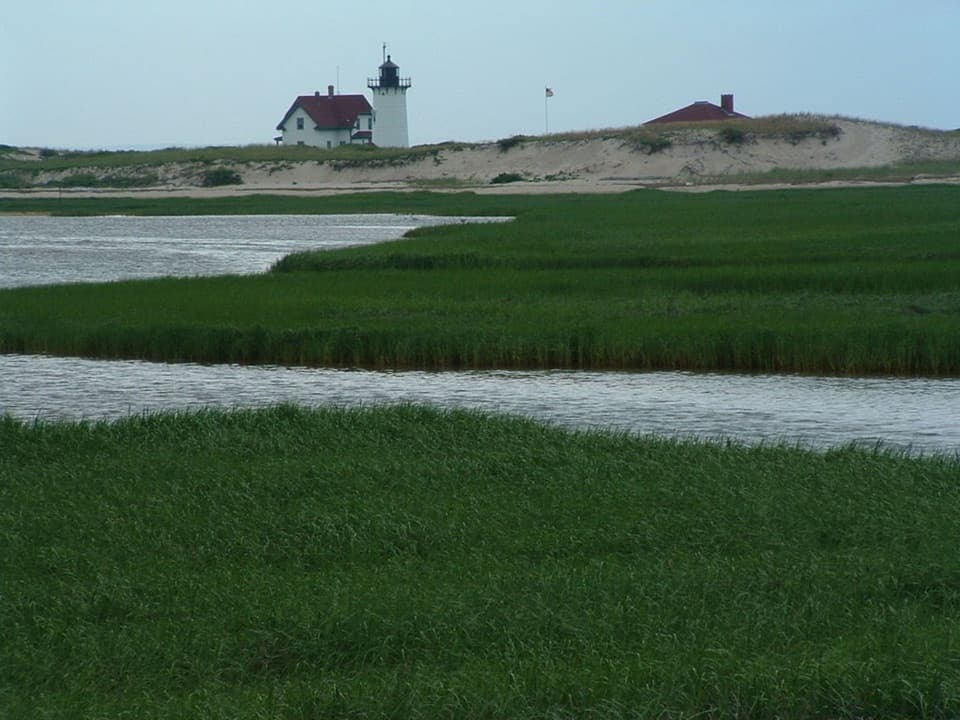
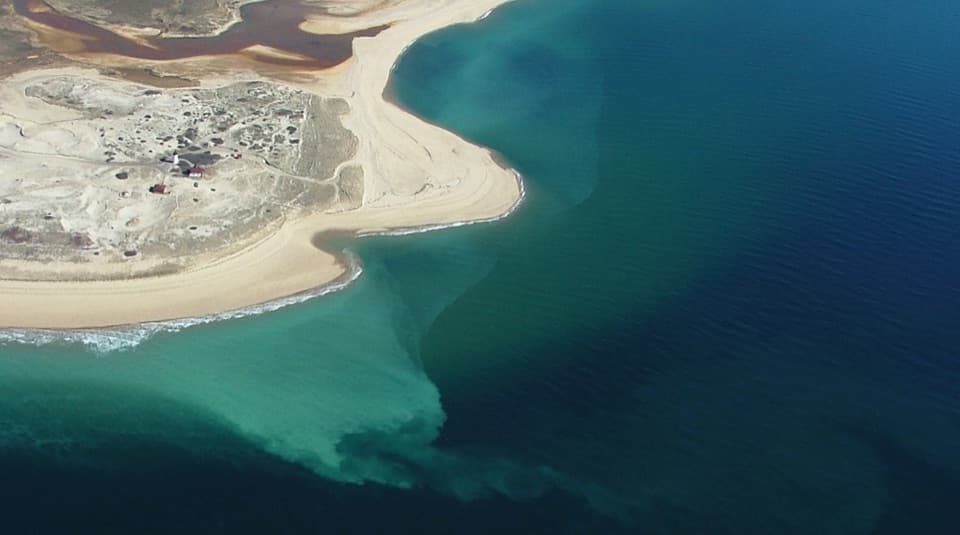
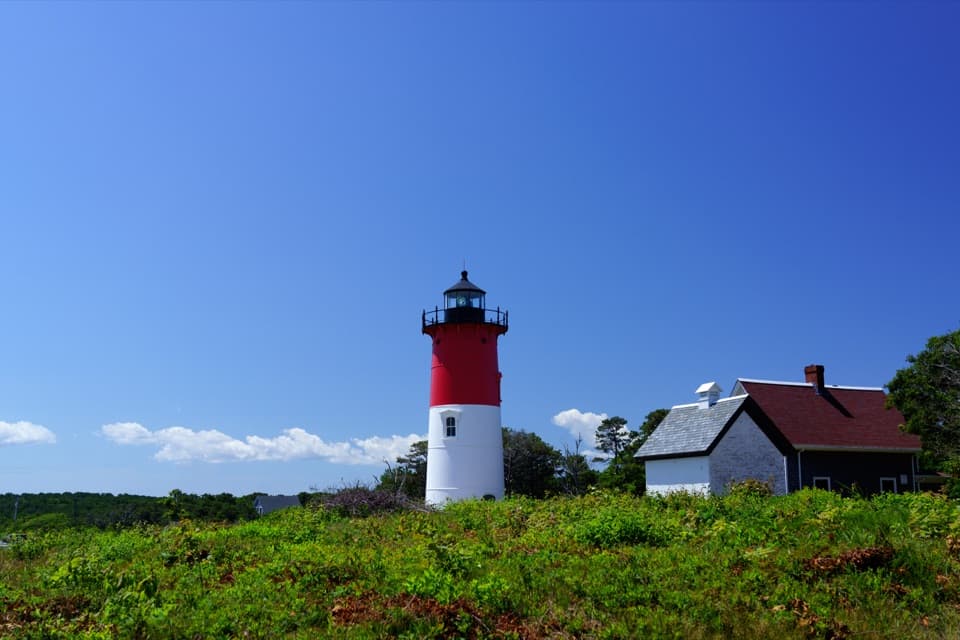
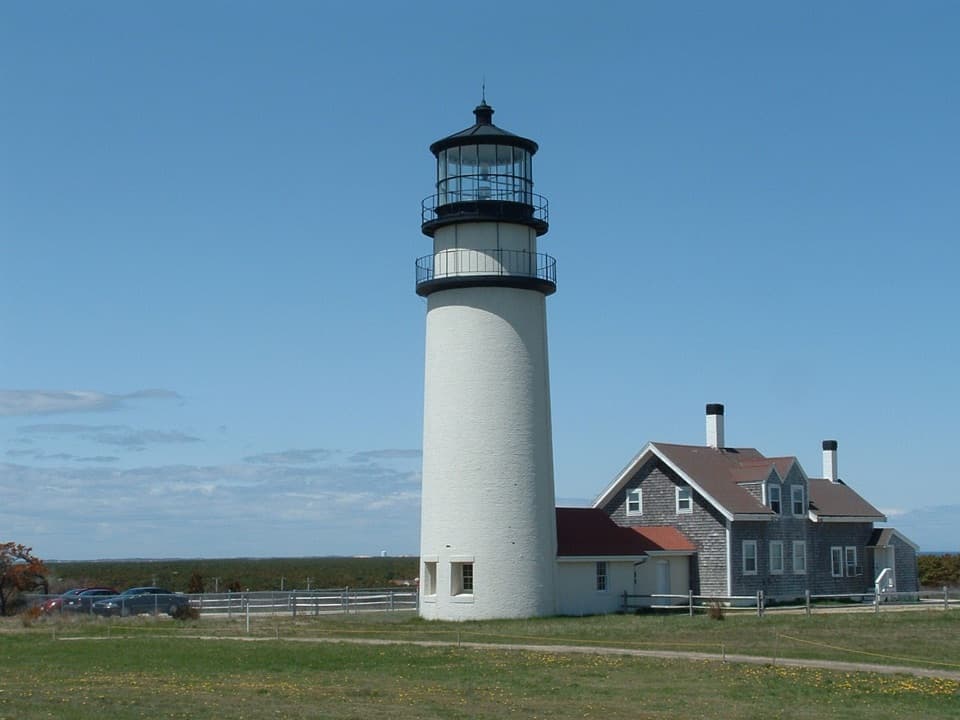
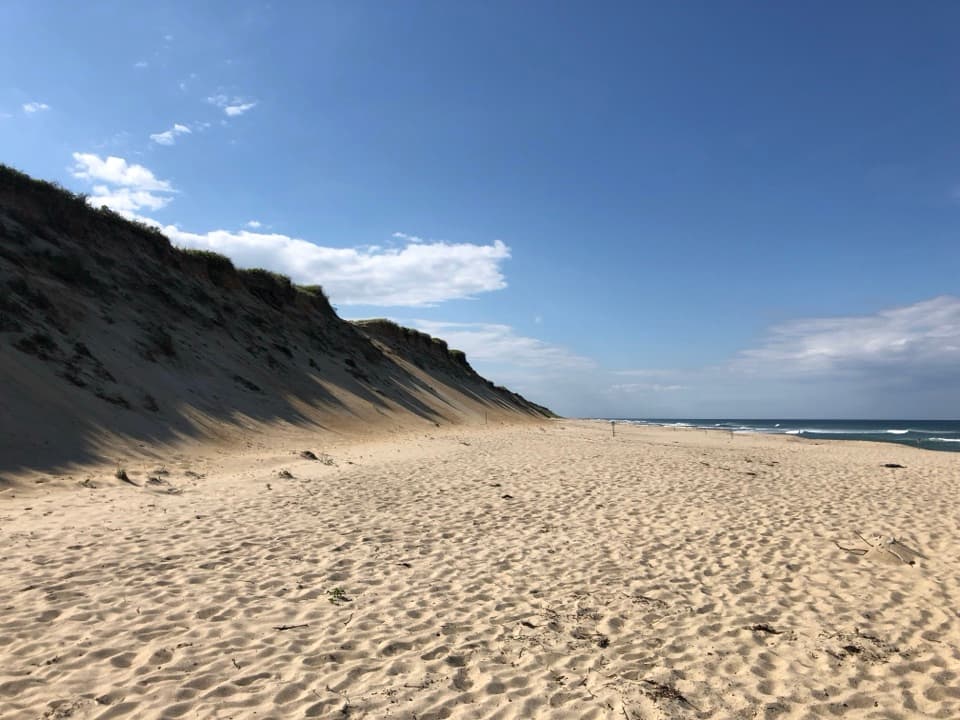
Set on Provincetown’s outer spit, Wood End Light feels wonderfully remote despite being just across the harbor from town. The square, white brick tower still works as a navigation aid, and the setting—big sky, constant wind, and a wide-open sweep of sea and dunes—delivers that edge‑of‑the‑cape vibe.

Getting There

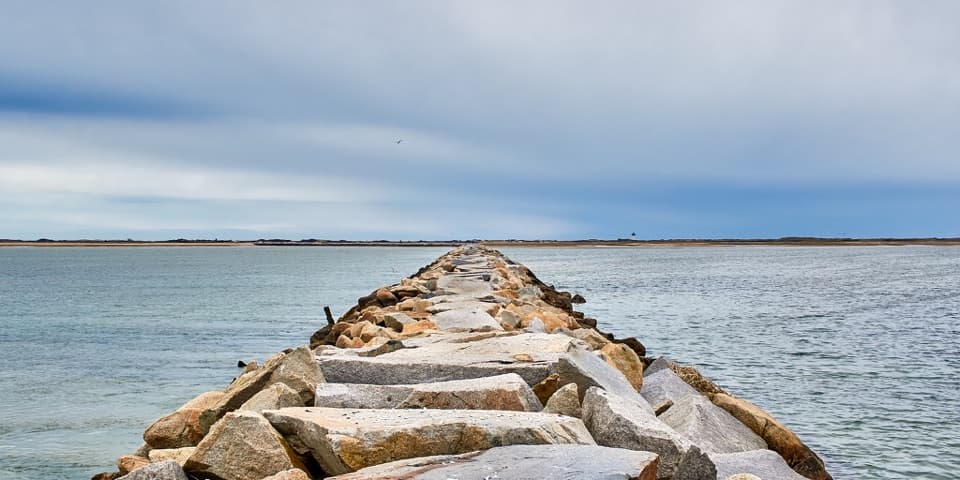
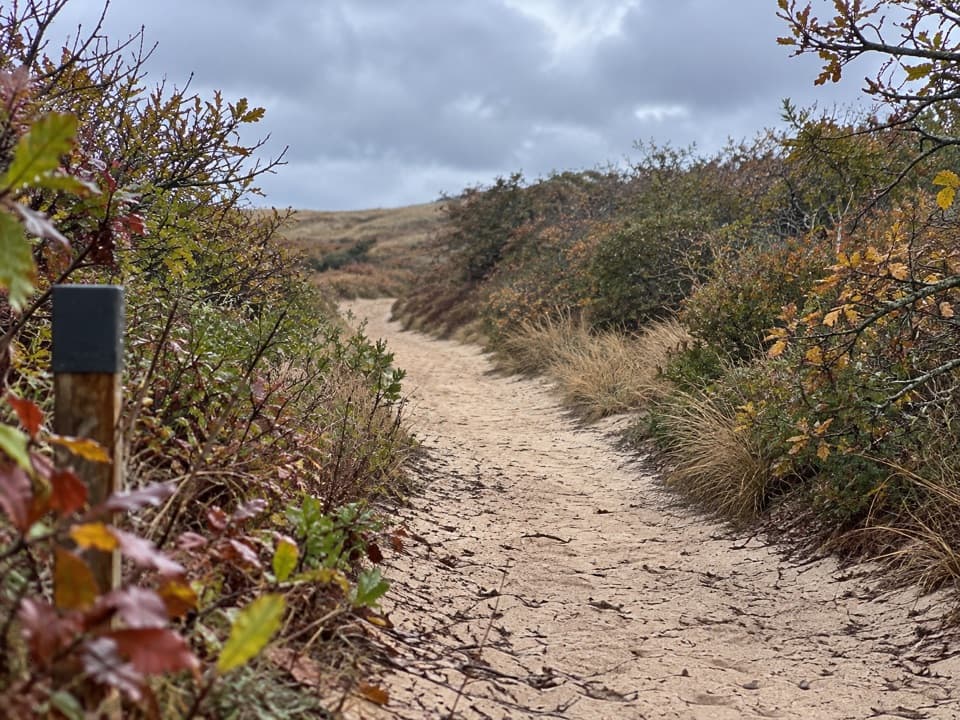
You reach it on foot: cross the 1911 stone breakwater from town, then continue roughly a half‑mile through sand to the lighthouse. Budget about 30–45 minutes each way from the breakwater itself, longer if you’re strolling or taking photos. Parking near the breakwater is limited, so you may need to park elsewhere in town and add an extra 20–30 minutes of walking to the start.

What to Expect

There are no services at the lighthouse—no shade, water, restrooms, or trash cans—so come prepared. The site is exposed and often windy; fog can roll in fast and add mood while cutting visibility. The light remains active, and in fog you may hear the horn; the grounds are accessible, but the interior is not open to the public.

Safety Notes

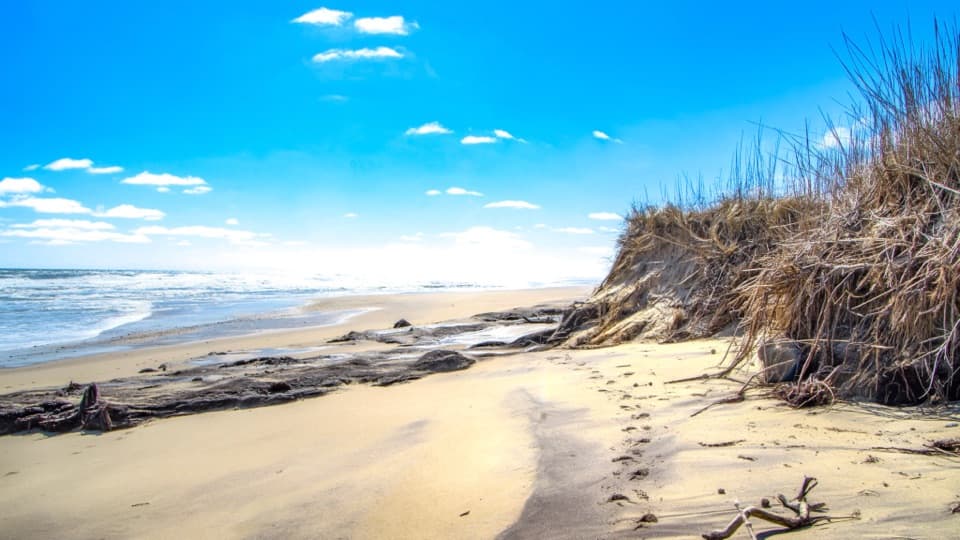
Time your visit around low tide. At high tide or in rough seas, waves can splash or overtop sections of the breakwater, and the granite blocks are uneven and can be slick. Wear sturdy, non‑slip footwear, bring plenty of water and sun protection, and expect hot sun and biting insects in season. Stay on established paths and off fragile dune vegetation—this is sensitive coastal habitat.

A Bit of History

Congress funded the station in 1872; the light was first shown on November 20 of that year. Additions over the decades included an oil house (1896) and a fog bell tower (1902). The breakwater was built in 1911 to make the low‑tide approach from town more direct. The station was automated in 1961, most outbuildings were removed (the 1896 oil house remains), and in 1981 it became the first lighthouse in Massachusetts converted to solar power. The light still serves vessels entering Provincetown Harbor.

Best Time to Visit

Go near low tide for an easier, drier crossing and plan for early or late in the day for softer light and cooler temps. On busy days, arrive early to improve your odds of snagging a parking spot near the breakwater. Fog is common and can be atmospheric for photography, but it reduces visibility—build flexibility into your plans.

Pros

  • Rewarding breakwater-and-sand walk with sweeping harbor views
  • Historic, active light with classic white brick tower in a wild setting

Cons

  • No services on site—no water, shade, or restrooms
  • Approach can be tricky with tides and wet, uneven rocks; interior closed

Tips

  • Plan your outing around low tide for the safest breakwater crossing.
  • Wear sturdy, non-slip footwear; the granite blocks can be uneven and wet.
  • Bring plenty of water, sun protection, and insect repellent—there are no services.
  • If breakwater parking is full, park in town and budget extra walking time.
  • Aim for early morning or late afternoon for better light and cooler conditions.
The Parkwolf tour guide sitting on a phone mounted in a car

Parkwolf Tour Guide

Like a tour guide in your car.

Save the places you found around Cape Cod, then let Parkwolf guide the drive between them.Download Parkwolf on the App Store