
Place · 0.1 mi away
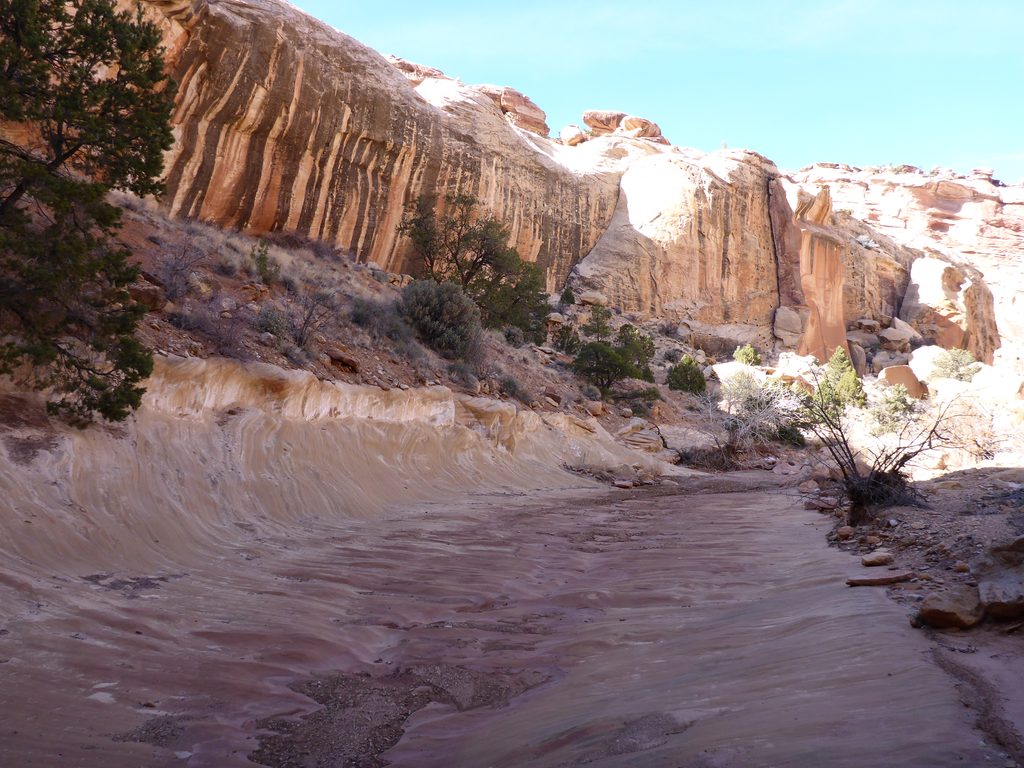
Lower Muley Twist Canyon is a remote backcountry hike carved into the Waterpocket Fold, famous for its twisting narrows, giant alcoves, and varnish-streaked sandstone walls. It’s a classic Capitol Reef experience: big scenery, real solitude, and a healthy dose of self-reliance.
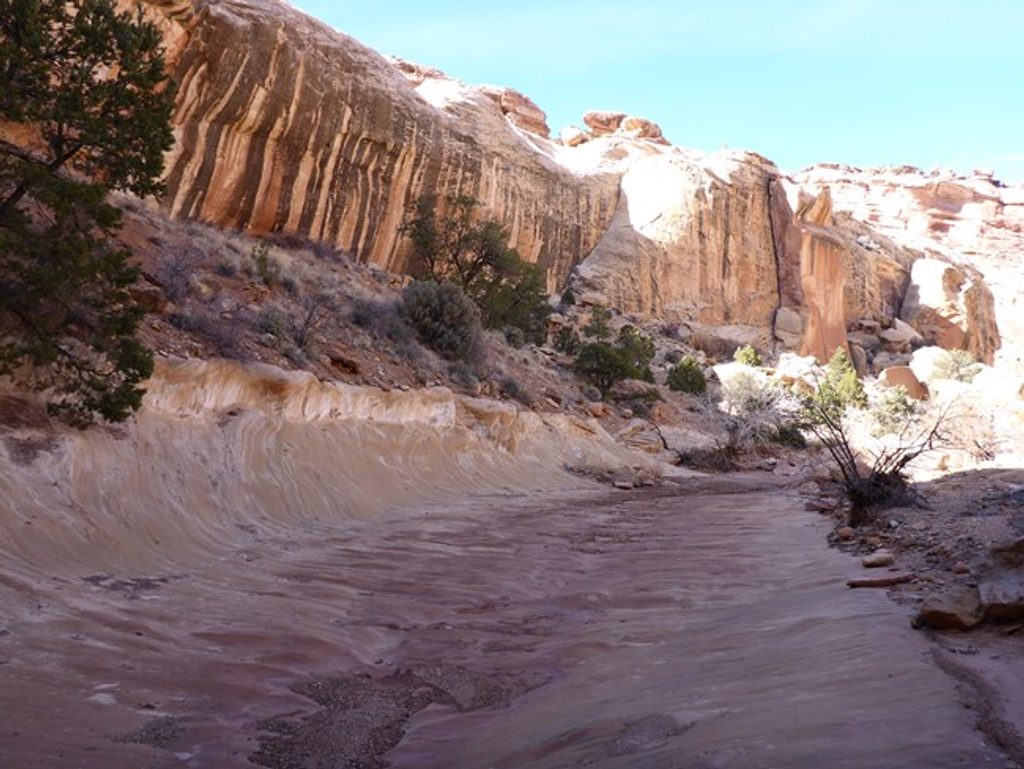
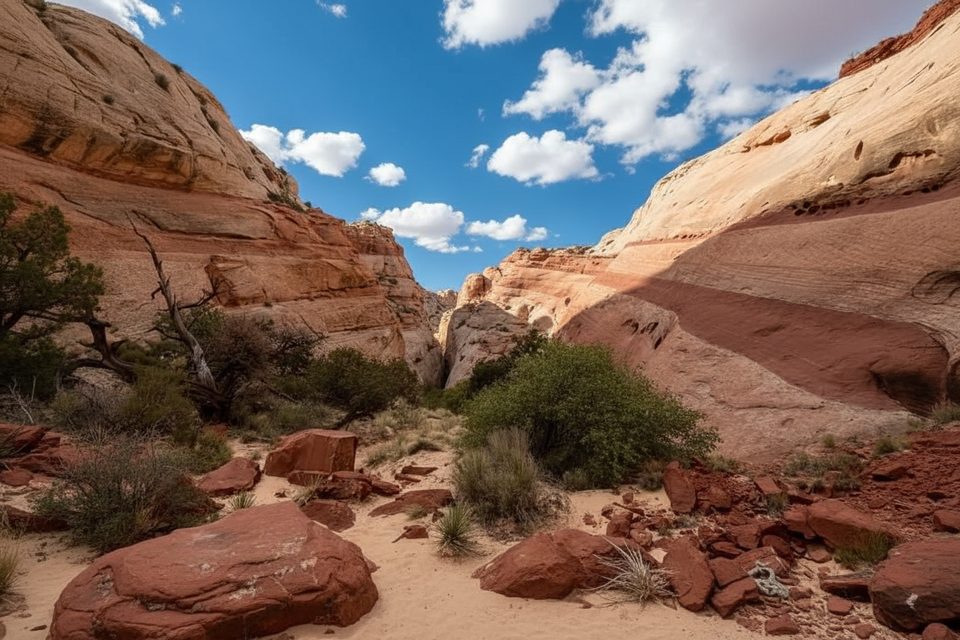
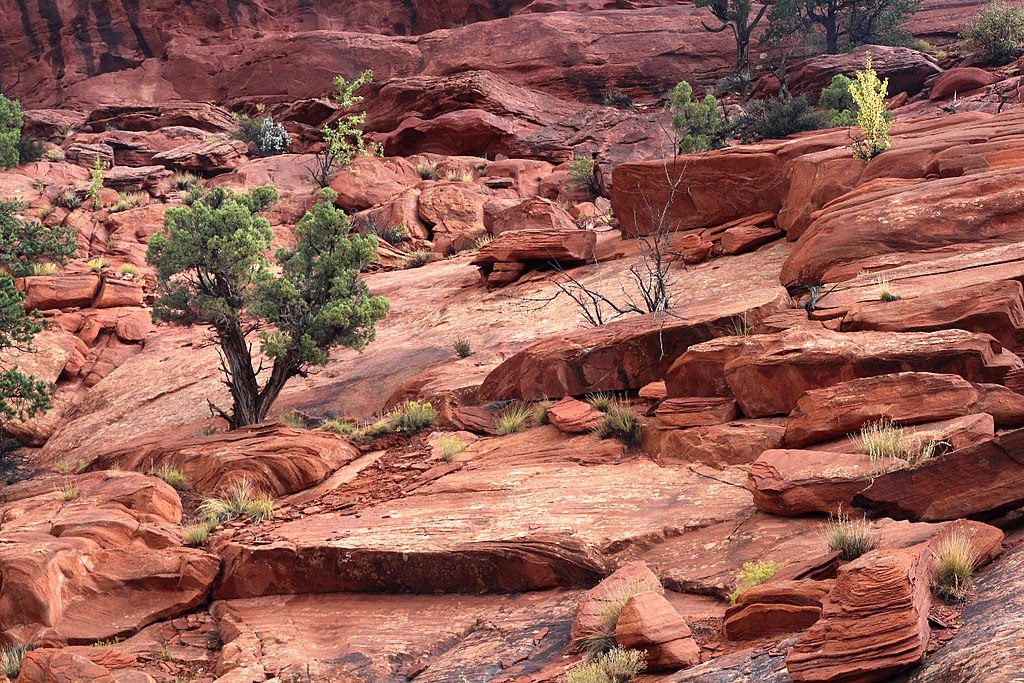
Expect tall Navajo and Wingate sandstone walls striped with dark desert varnish, long undercut alcoves, and the canyon’s namesake bends that feel tight and sinuous. You’ll pass occasional cottonwoods and sparse desert flora, with wide alcoves that invite exploration and lingering.
Most hikers access the canyon from Burr Trail Road and can tackle it as a long out-and-back, a point-to-point with a car shuttle, or a loop using the Post Cutoff Trail. It’s non-technical hiking, but it’s long, sandy in places, and occasionally requires minor scrambling and attentive route-finding in broad, cairned sections.
From 1881 to 1884, Mormon pioneers used this corridor as a wagon route. The colorful name comes from the tight, twisty nature of the canyon—reportedly “narrow enough to twist a mule.”
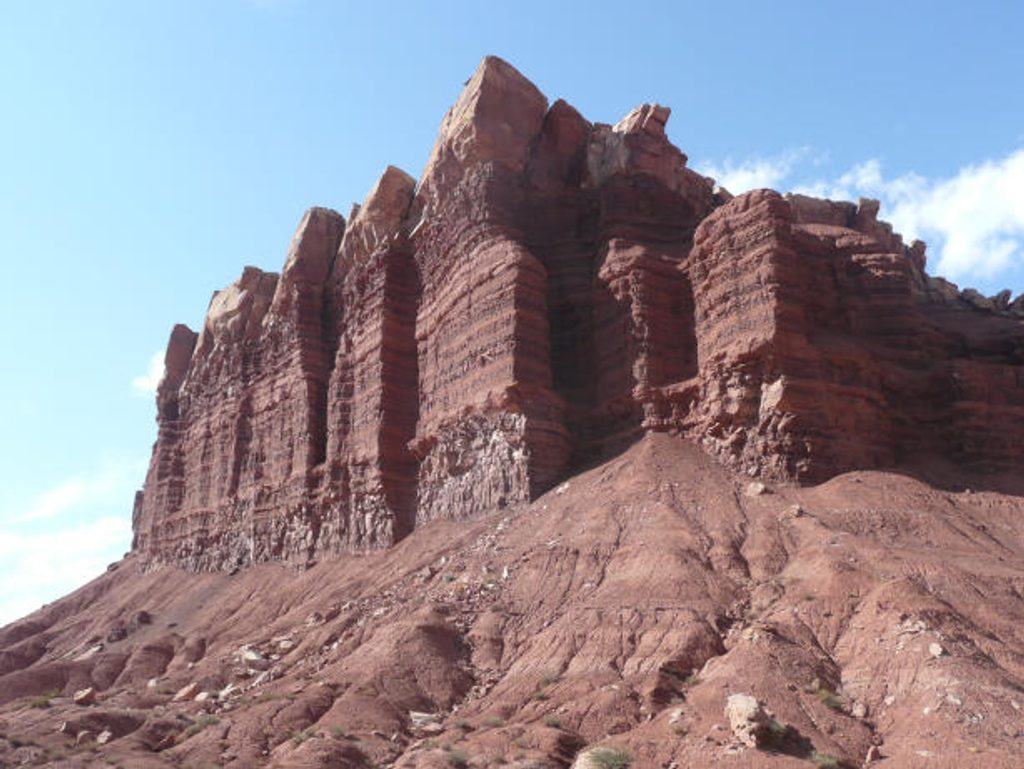
Lower Muley Twist slices through the Waterpocket Fold, exposing stacked layers of sandstone sculpted by wind and episodic flash floods. The canyon’s oversized alcoves and deep undercuts are the standout forms you’ll remember.
Sources focus on the scenery more than wildlife, but typical desert canyon life applies: lizards and birds are most common, and you might get lucky with a desert bighorn sighting near scarce water.
This is true backcountry. Water sources are unreliable—plan to carry all you need. The canyon is prone to flash flooding; avoid narrow sections if storms are anywhere in the forecast. Navigation can be confusing in spots, so bring a good map and/or GPS. Sturdy footwear is a must.
Don’t expect front-country comforts: there’s a basic trailhead off Burr Trail Road with a small pullout/parking area, but no restrooms, water, food, or other services. Overnight trips require a free backcountry permit from the park.
Spring and fall offer the most comfortable temperatures and softer light on the walls. Start at dawn to bank cool miles and enjoy the alcoves before midday heat; late-afternoon light also pops on the varnished cliffs. Avoid the summer monsoon period when flash-flood risk spikes, and plan extra conservatively if you’re attempting a long loop or through-hike.
If you want one of the park’s great backcountry day hikes (or a mellow backpack) with big geology and very few people—and you’re prepared for length and self-navigation—this canyon delivers.
Place · 0.1 mi away
Place · 2.9 mi away
Place · 4 mi away
Place · 5.2 mi away
Moderate · 0 mi away
Easy · 0.6 mi away
Easy · 1.1 mi away
Challenging · 4 mi away

Parkwolf Tour Guide
