
Place · 0 mi away

This massive bald cypress is a bona fide big-tree celebrity—recognized at state-champion scale and tucked into the park’s east end. It’s the kind of tree that stops you in your tracks: about 28 feet around and roughly 132 feet tall, surrounded by an ancient floodplain forest that ranks among the tallest temperate canopies.
Keep an eye out for wood ducks threading the waterways, plus a supporting cast of songbirds. The wetland matrix also attracts amphibians, turtles, and snakes—part of the living, breathing swamp drama here.
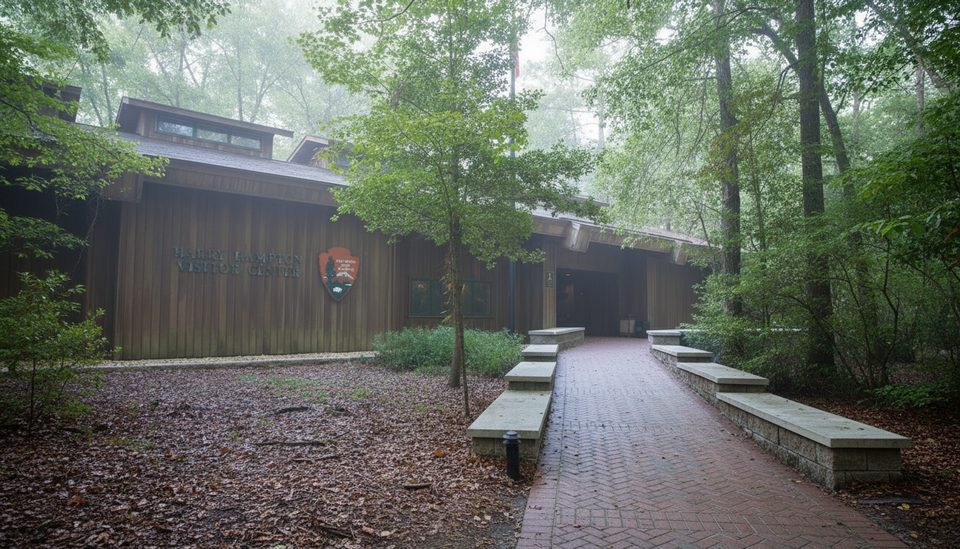
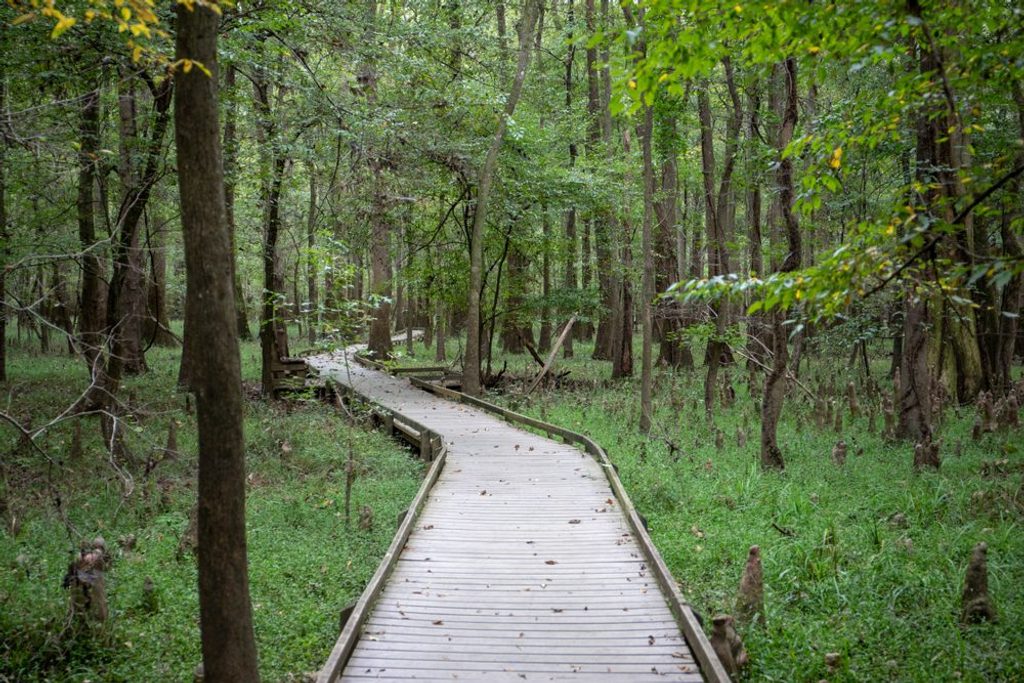
Access comes on foot via established routes; the Boardwalk Loop and nearby trails are your launchpad for exploring the floodplain forest. The tree itself isn’t a developed site—no parking, restrooms, or signs right at the trunk—so handle your logistics at the Harry Hampton Visitor Center before you head out.
This is an active floodplain. Water rises and falls, and the forest can be inundated around ten times a year. Expect mud, slick surfaces, and the occasional reroute or closure. In warm seasons, mosquitoes can be relentless, so plan accordingly. The wetland maze can feel disorienting—bring a map or GPS and pay attention to trail markers.
Many of the giants here survived past logging because they were difficult to harvest or not commercially desirable—lucky for us. Rich alluvial soils and frequent flooding deliver the nutrients and dynamism that grow record-caliber trees and keep this forest evolving.
Cooler months typically offer a more comfortable bug situation. Aim for drier windows between flood events for easier footing and broader trail access. Always check current conditions before setting out.
Insect repellent, waterproof boots, water and snacks, a map/GPS, and binoculars or a camera to do this monarch justice.
Place · 0 mi away
Place · 0 mi away
Place · 0 mi away
Place · 0 mi away
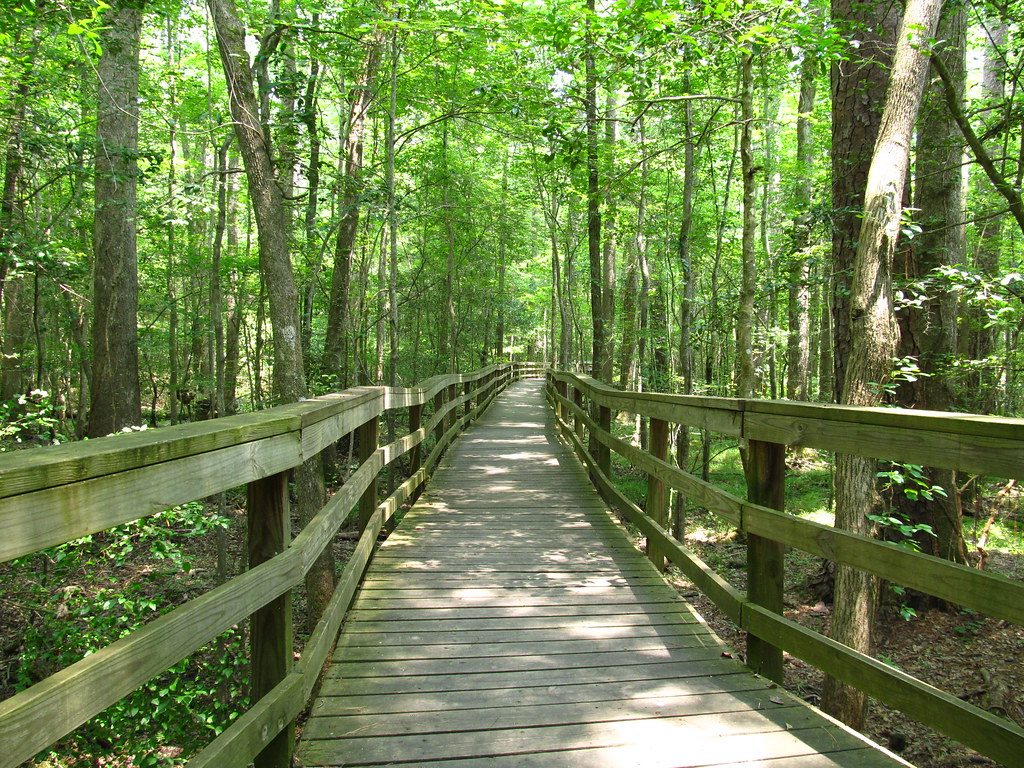
Easy · 0 mi away
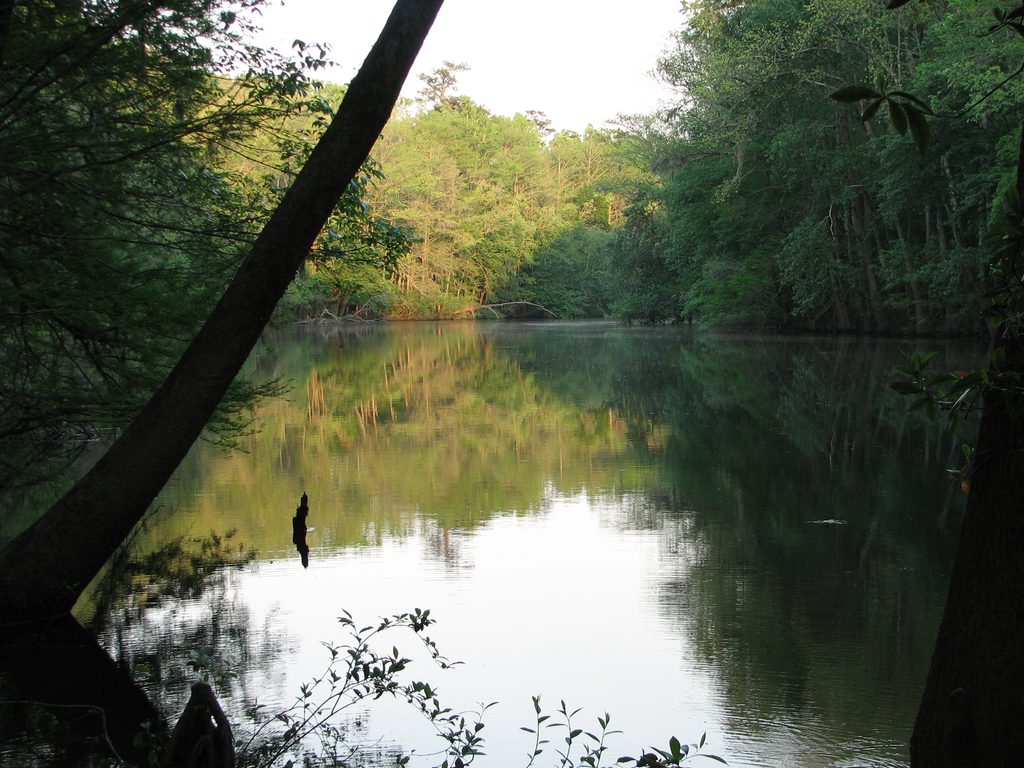
Easy · 0 mi away
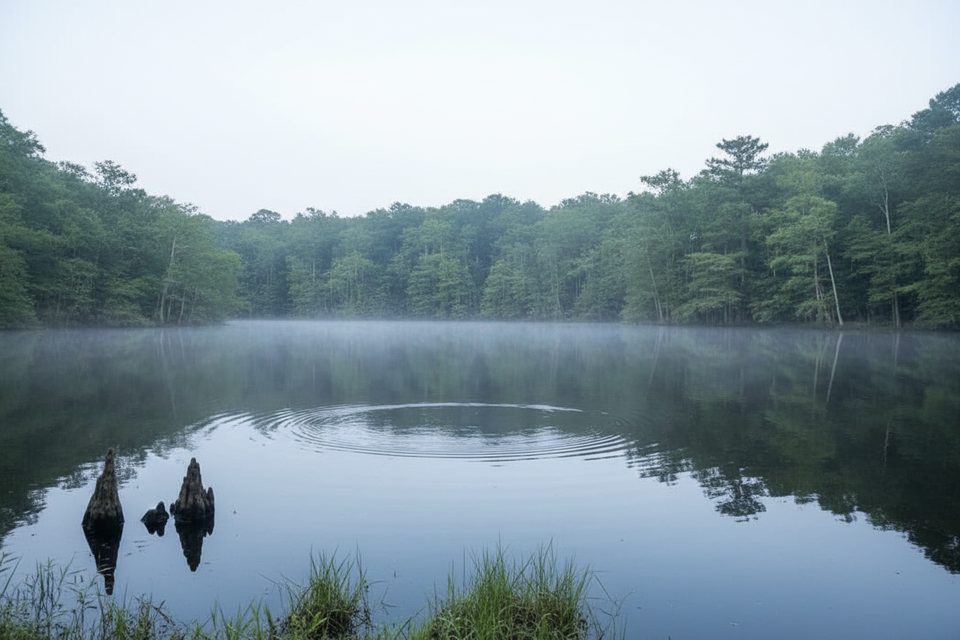
Moderate · 0 mi away
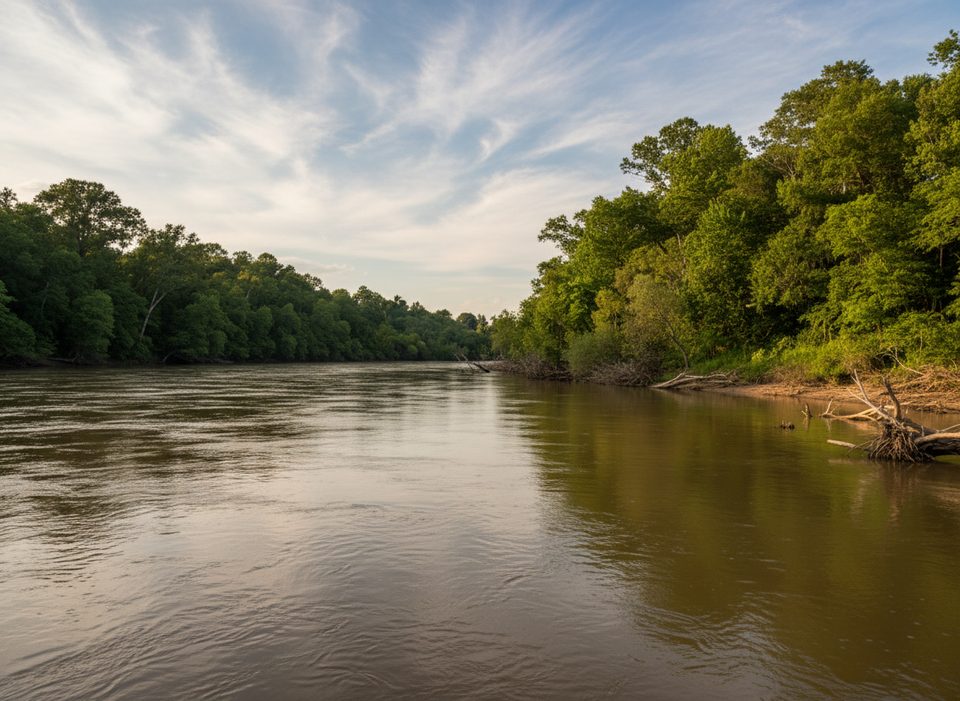
Moderate · 0 mi away

Parkwolf Tour Guide
