Place · 0 mi away

This is the park’s nerve center—your smartest first stop before hitting the swamp. Staff keep tabs on trail and bridge closures, the exhibits frame what you’re about to see, and the Boardwalk Loop and Firefly Trail start right outside. Expect clean restrooms, a water station, and a small shop with souvenirs and park materials.
Rangers here are excellent at sizing up your time, interests, and current conditions to point you to the best plan. If floods have knocked out a bridge or a trail is soggy, you’ll know before you commit. It’s also the easiest place to grab a trail guide and stamp a National Park passport.
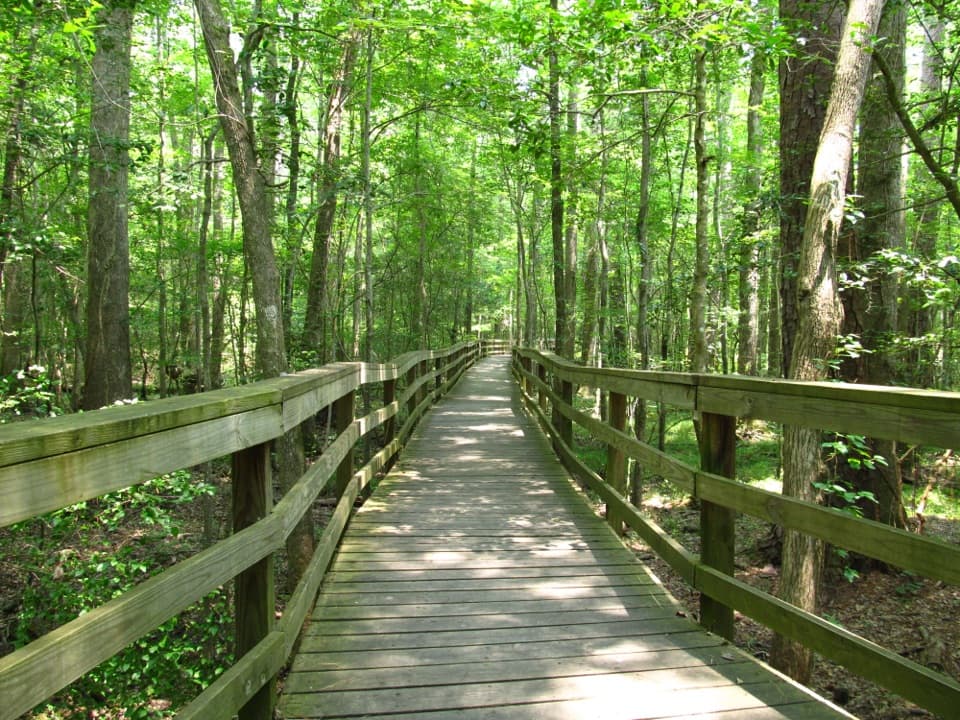
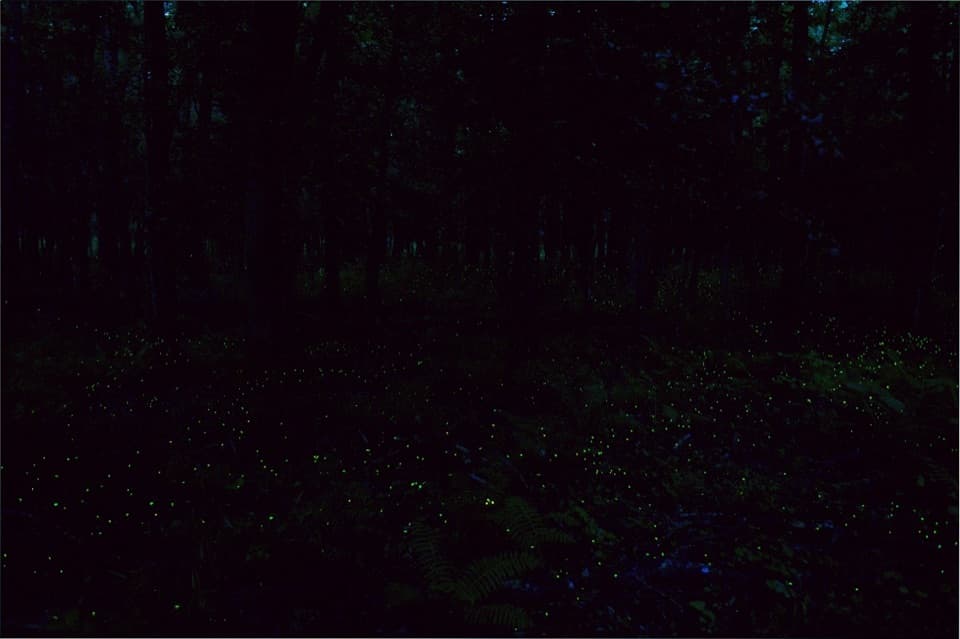
Walk through the breezeway and you’re on the boardwalk. From here, you can do the full Boardwalk Loop or branch to short paths like the Firefly Trail and connect into longer routes. It’s the launchpad for most frontcountry hikes in the park.
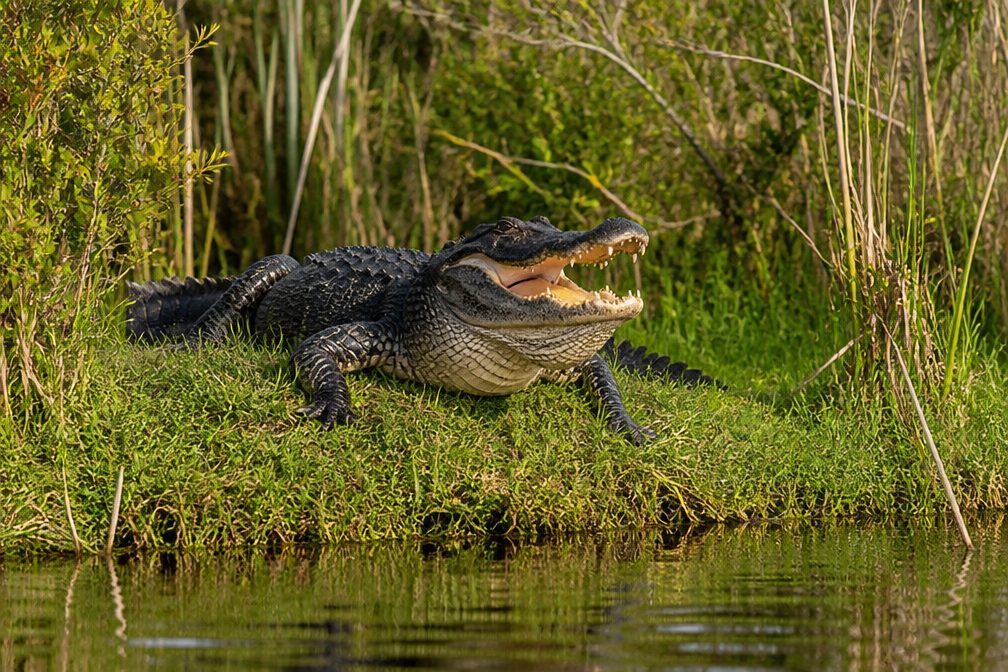
Right around the boardwalks you can spot barred owls, kingfishers, turtles, fish, and (near water) the occasional gator. Look for snakes basking on sunny edges, and big orb-weaver spiders in late summer. Even a quick stroll often turns up birds and squirrels.
The center honors Harry Hampton, a journalist and conservationist whose mid‑20th‑century advocacy helped protect this forest and set the stage for today’s national park.
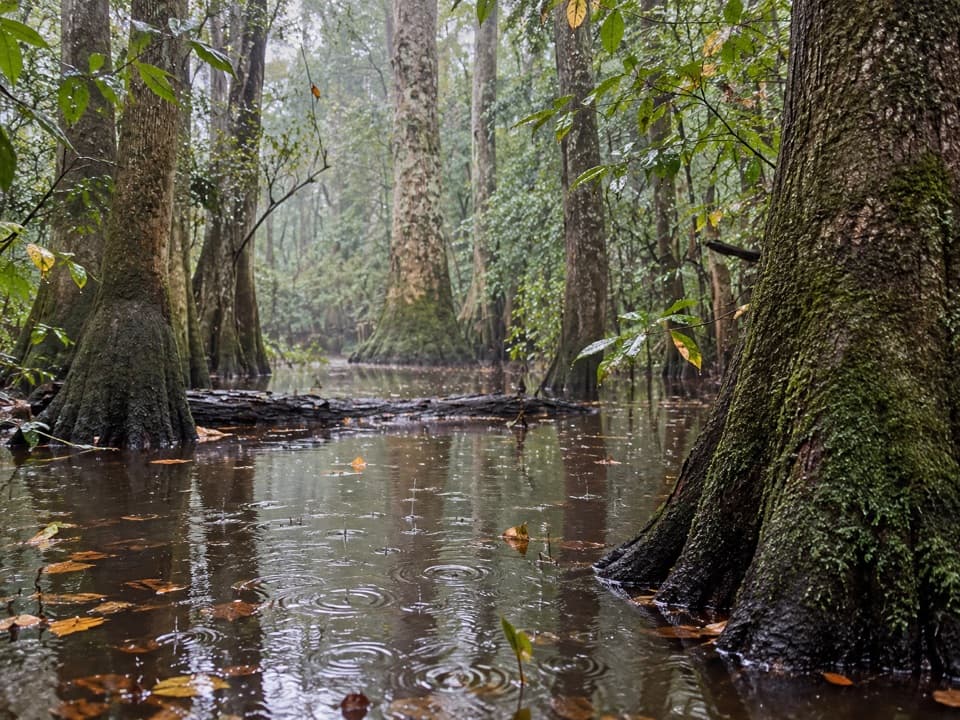
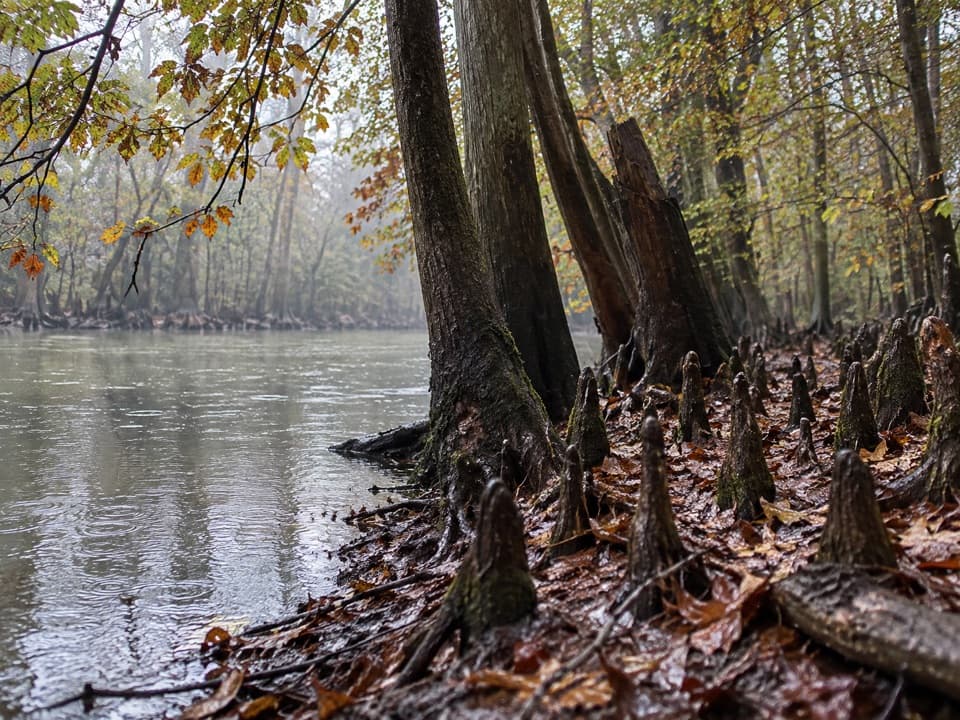
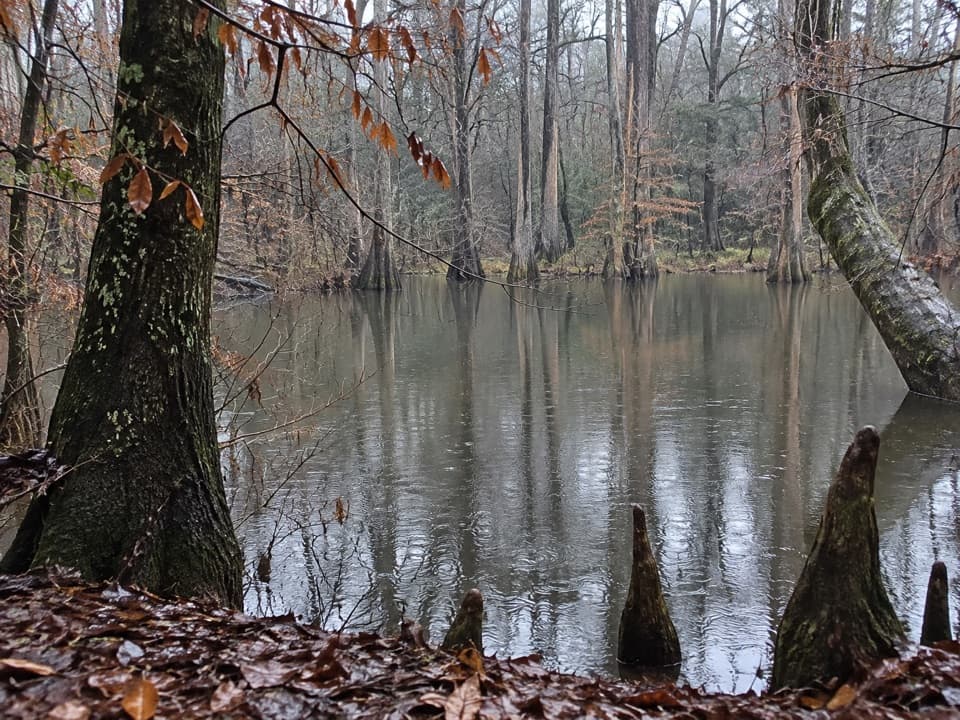
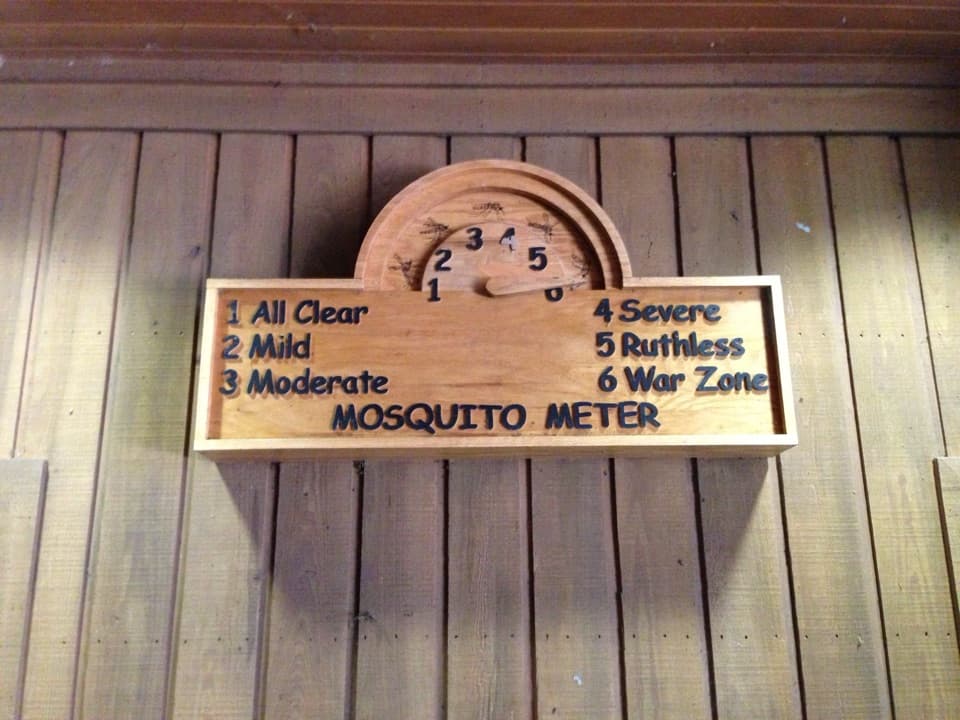
This is a living floodplain. After heavy rains, expect route changes or backtracking. Parking is limited and turns over slowly on peak days—get here early. And yes, the mosquitoes have a reputation; bring the strong stuff.