Amargosa Opera House and Hotel

Murals, ghost‑town vibes, and starry nights at a historic desert hotel
Amargosa Opera House and Hotel, Death Valley National Park
InsideDeath Valley National Park

Overview

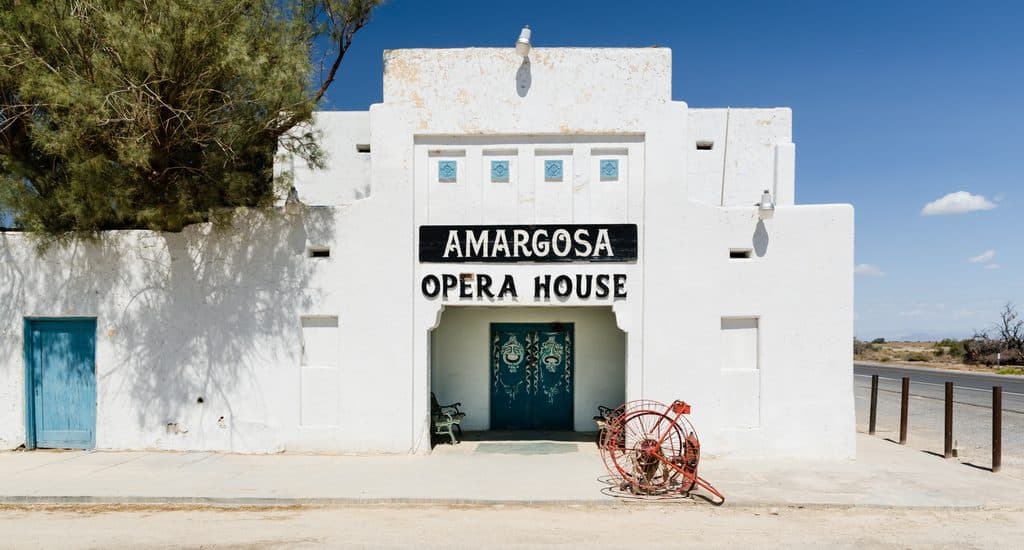
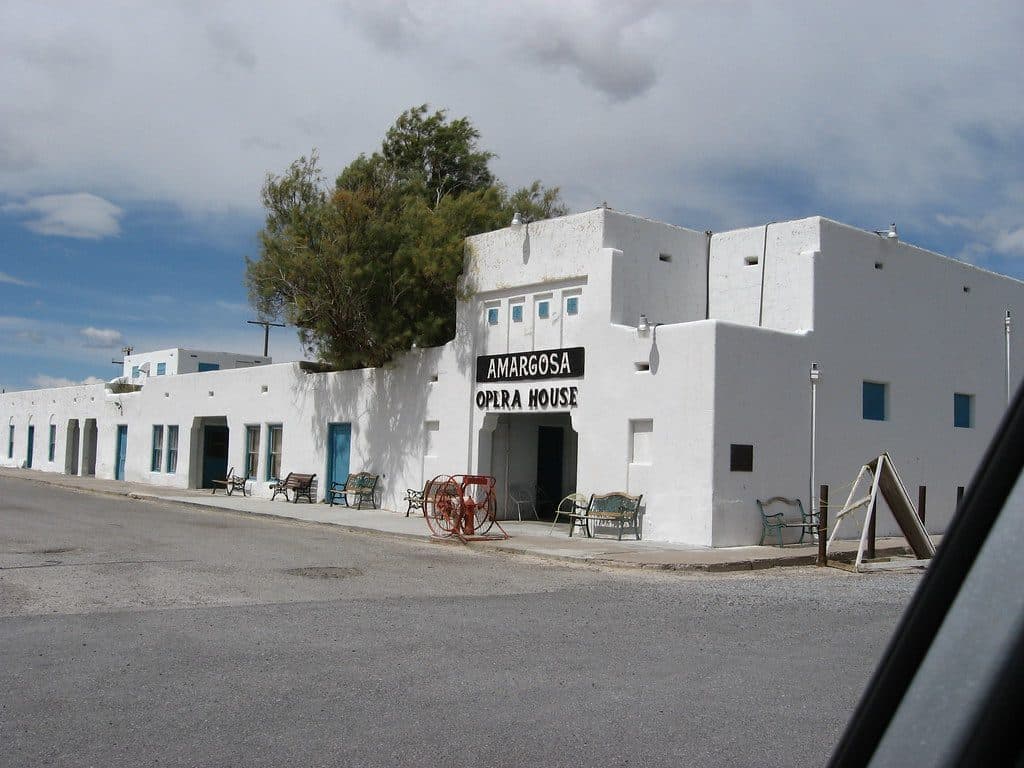
A true desert original, the Amargosa Opera House and Hotel anchors tiny Death Valley Junction on the park’s eastern edge. Built in the 1920s in Spanish Colonial Revival style, the U‑shaped complex feels like a preserved time capsule. Its claim to fame is the mural-filled Opera House—transformed by resident artist Marta Becket—paired with a simple, wallet-friendly hotel. The surrounding near‑ghost‑town only heightens the sense of isolation.

What You’ll See

  • Opera House murals and stage: an immersive, hand-painted theater with guided tours that bring the story to life.
  • Historic hotel corridors and rooms with period character, plus common spaces that echo the site’s company-town roots.
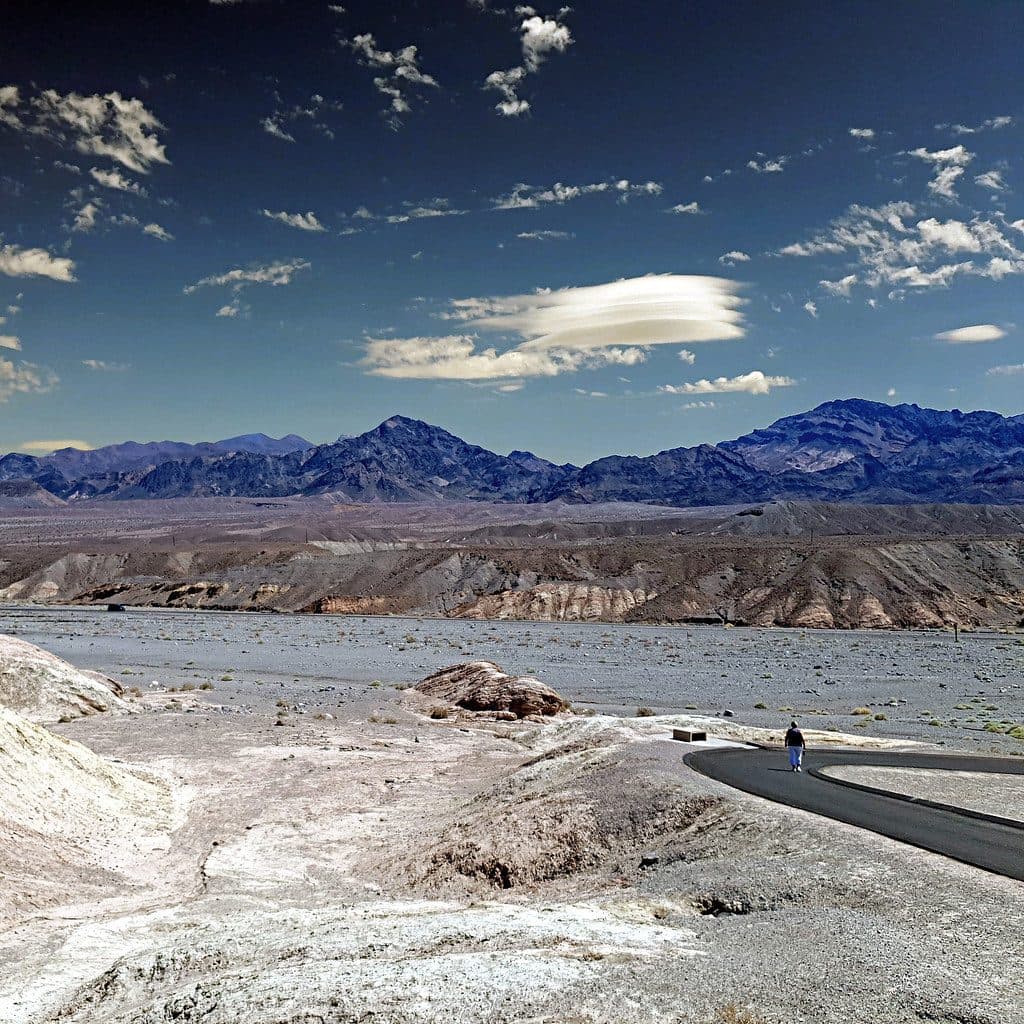
  • Big‑sky desert views and remarkably quiet nights ideal for unwinding and stargazing.

Why It’s Unique

Few places blend outsider art, company‑town history, and remote desert ambiance like this. The Opera House’s renaissance‑style audience murals and intimate scale make it feel like you’ve stepped into someone’s visionary project—because you have.

Staying Here: What to Expect

Rooms are straightforward and clean, with the basics you need (including Wi‑Fi and A/C), not bells and whistles. Plumbing is old-school: expect to let the hot water run a bit before showers. There’s free on-site parking and a mellow, unplugged vibe—perfect if you want sleep, stars, and stories rather than a resort scene.

Practicalities

  • Services are scarce: there’s no gas station in Death Valley Junction, and food options are extremely limited (the cafe has been closed at times). Bring water, snacks, and meals.
  • Tours of the Opera House are typically offered morning and evening; they’re the best way to appreciate the murals and history.
  • It’s a convenient gateway base for exploring the park from the east, with wide-open roads in every direction.

Wildlife

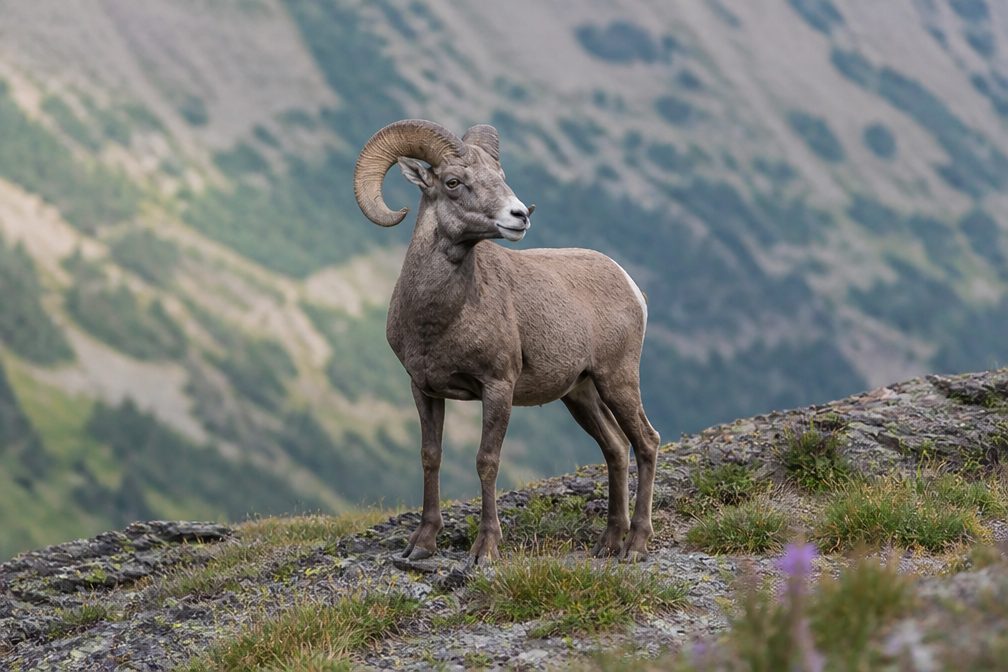
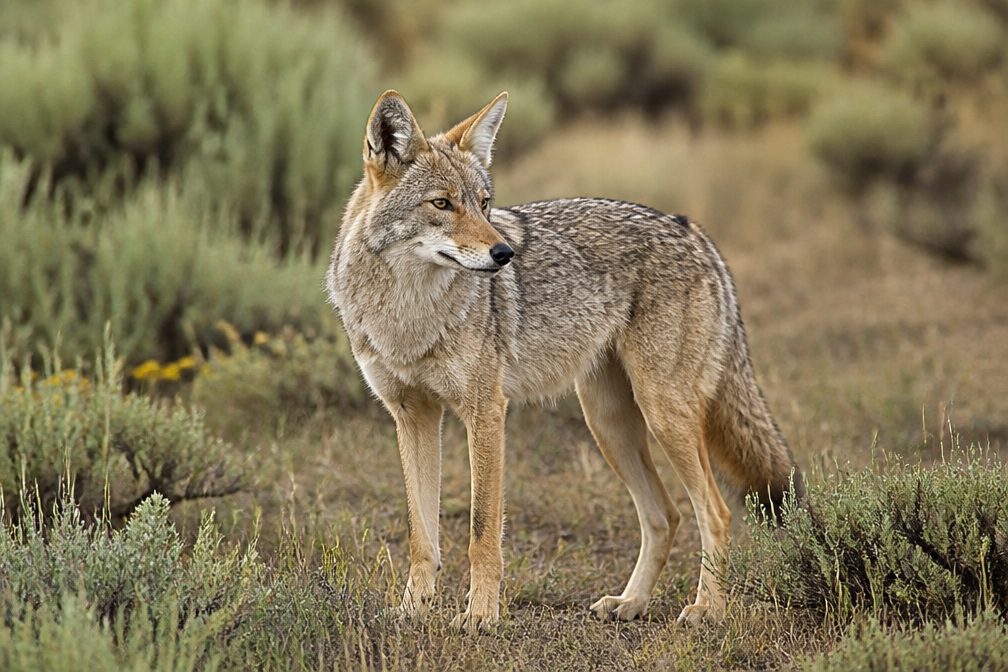
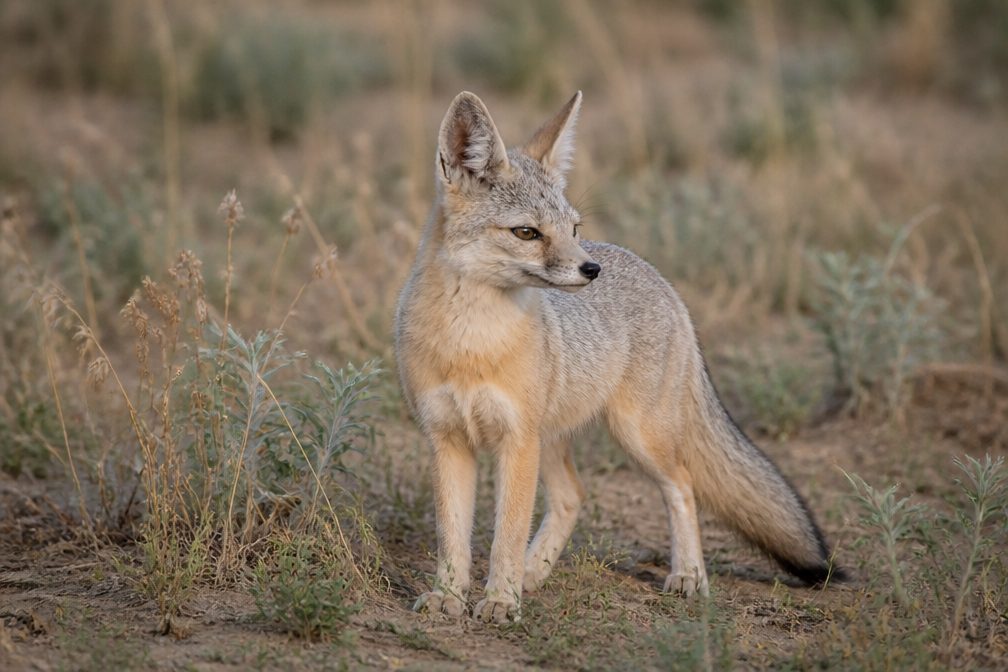
This isn’t a wildlife hotspot, but in the surrounding desert you may spot lizards, birds, or small mammals, especially in cooler hours.

Best Time to Visit

  • Cooler months and shoulder seasons are most comfortable; avoid midday heat in summer.
  • Morning and late-day light flatter the whitewashed architecture; night is prime for stars on clear, moonless evenings.
  • Weekdays are typically quieter; join a morning or evening tour to dodge peak interest.

History Snapshot

Built between 1923 and 1925 as part of a borax company town, the complex later gained worldwide attention when Marta Becket arrived in the late 1960s, restored the theater, and covered it with her now-famous murals—turning a fading desert building into a living artwork.

Pros

  • Hand-painted opera house with intimate guided tours
  • Exceptional dark-sky stargazing
  • Budget, historic base at Death Valley Junction

Cons

  • No gas or restaurant in town—bring your own supplies
  • Aging facilities; some rooms feel worn and hot water can take time

Tips

  • Fill your tank before arriving—there’s no fuel in Death Valley Junction.
  • Pack meals, snacks, and plenty of water since food service may be unavailable.
  • Join the morning or evening Opera House tour to get the full story.
  • Expect simple rooms and old plumbing; let hot water run before use.
  • Stay out after sunset for excellent Milky Way viewing on clear, moonless nights.
The Parkwolf tour guide sitting on a phone mounted in a car

Parkwolf Tour Guide

Like a tour guide in your car.

Save the places you found around Death Valley, then let Parkwolf guide the drive between them.Download Parkwolf on the App Store