Place · 0 mi away

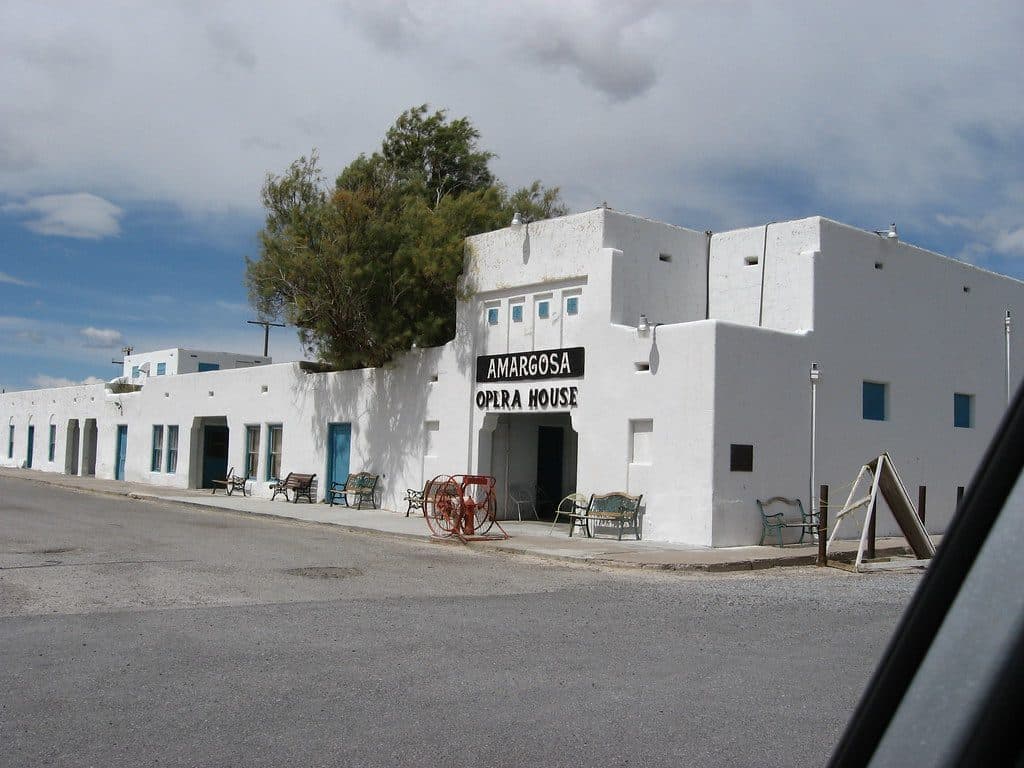
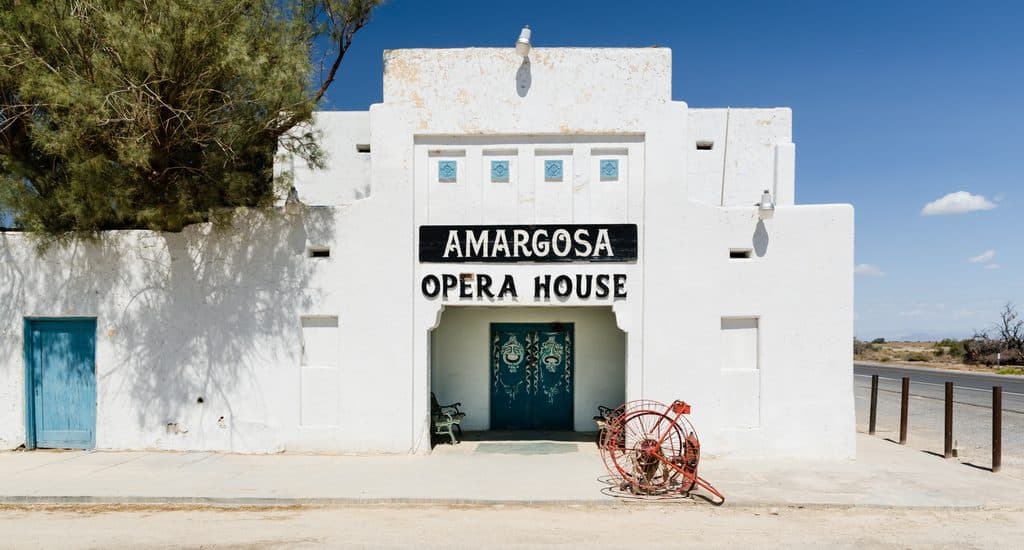
A tiny, wildly atmospheric crossroads on the park’s eastern edge, Death Valley Junction Historic District is a nearly intact 1920s company town built by the Pacific Coast Borax Company. The standout is the Amargosa Opera House and its companion hotel—together they give the place a singular, time‑capsule feel.
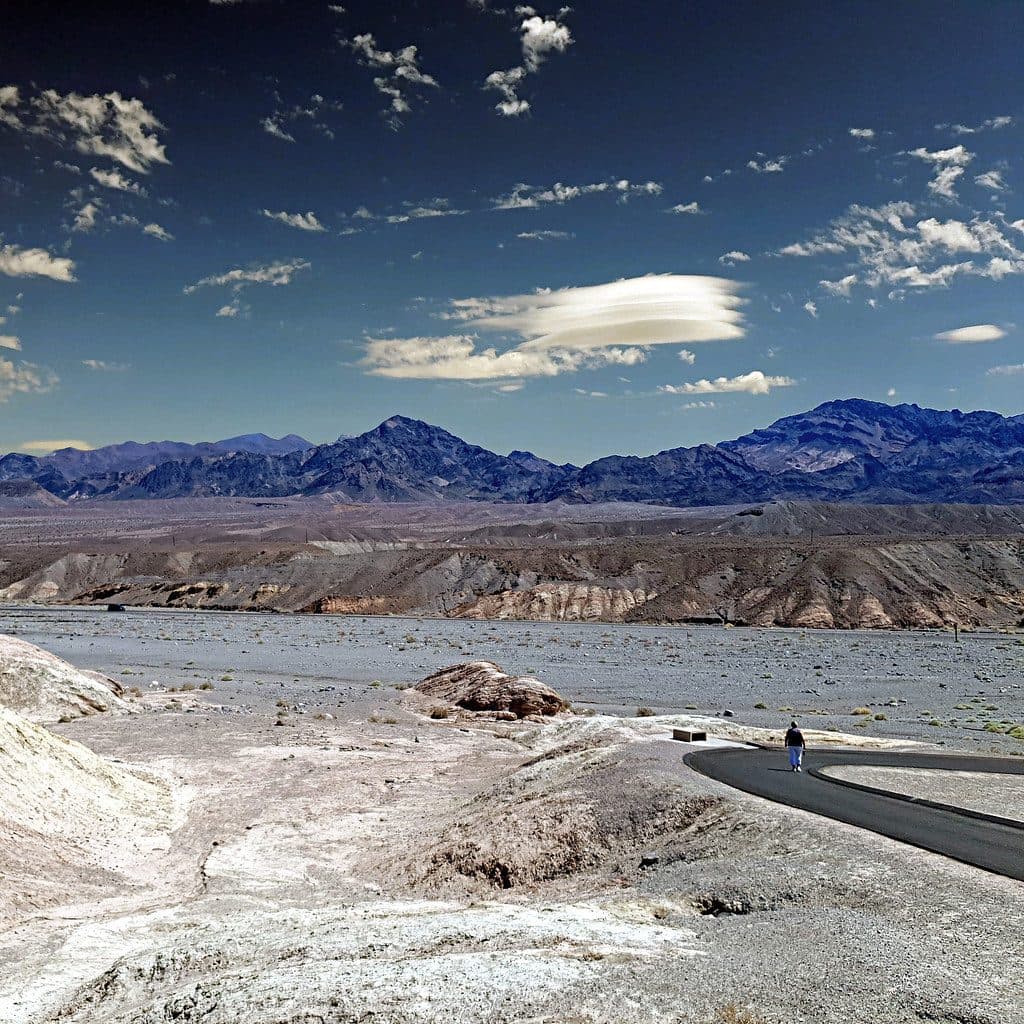
It’s a rare, cohesive company‑town campus turned arts enclave. The contrast between ornate historic architecture and stark desert surroundings is catnip for photographers and history lovers—and it stays blissfully uncrowded compared to the park’s headliners.
The junction grew around borax mining and railroading; the Pacific Coast Borax Company began the town buildout in 1923. Rail lines connected nearby mines until 1940. At its peak, around 300 people lived here. The district was listed on the National Register of Historic Places in 1980, and later gained new life when artist Marta Becket made the Opera House her stage and canvas.
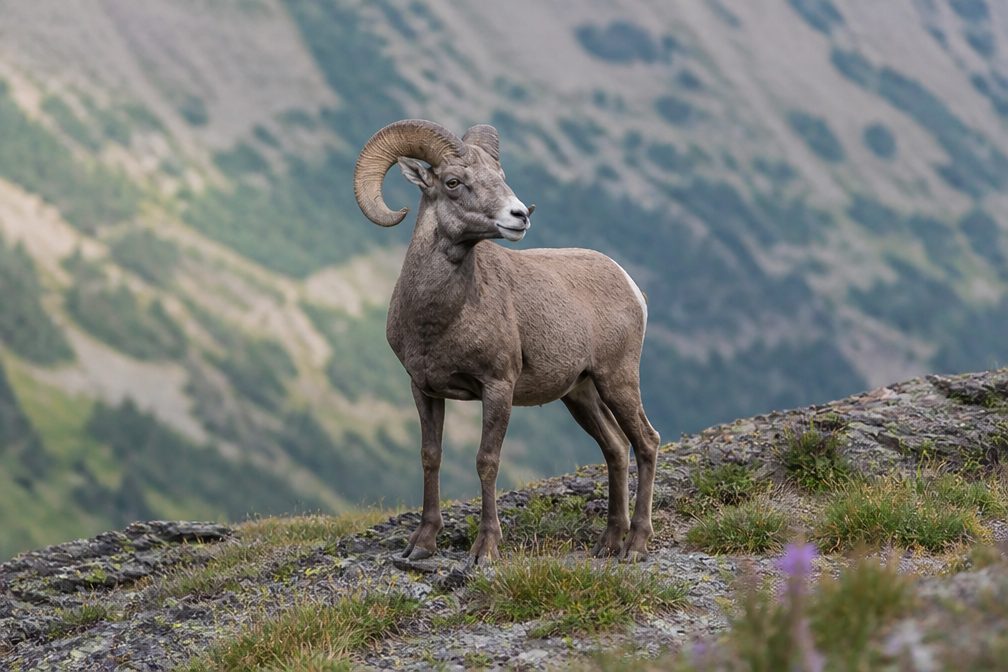
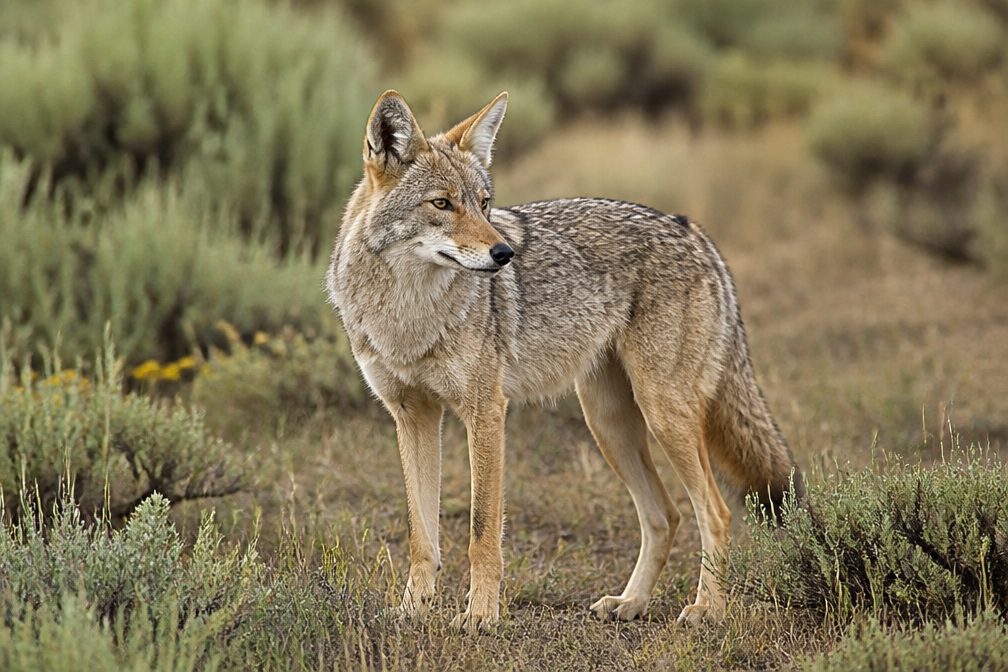
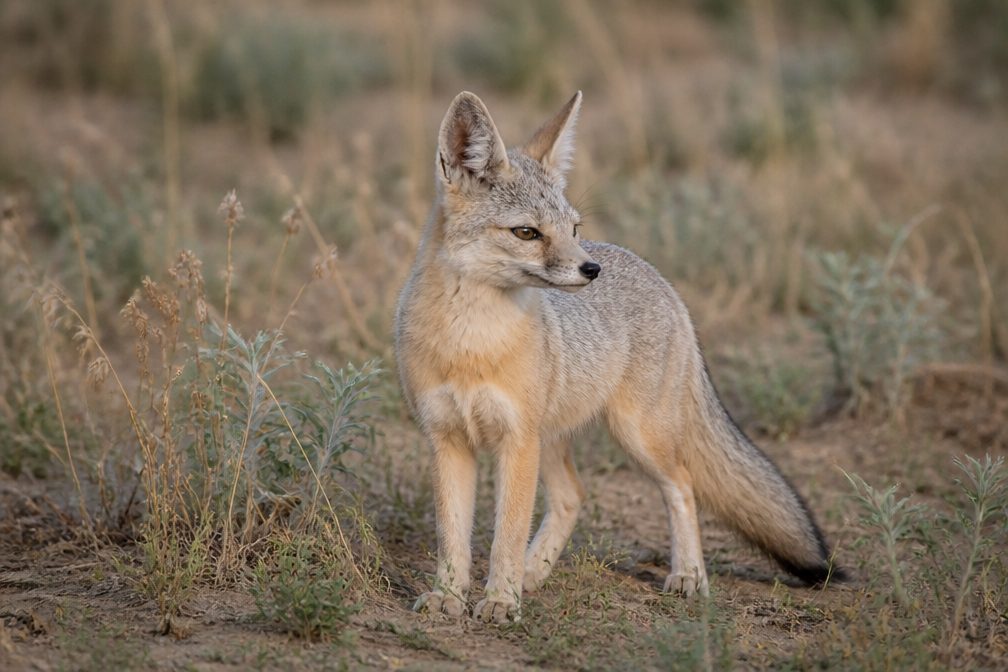
This is a built historic site, not a wildlife hot spot. You might spot desert regulars—lizards, jackrabbits, and hardy birds—but consider wildlife a bonus, not the main event.
There’s on‑site parking and an on‑site hotel. A cafe exists but operates limited hours and may be closed. There’s no gas station and no general store. Cell service can be iffy. Some structures are fragile with posted closures—respect signs and keep a light footprint.
Work the long shadows at sunrise or sunset to bring out textures in the stucco and the desert foreground. Wide lenses shine here; so does a minimal, documentary approach—this place tells its own story.