Best time to visit
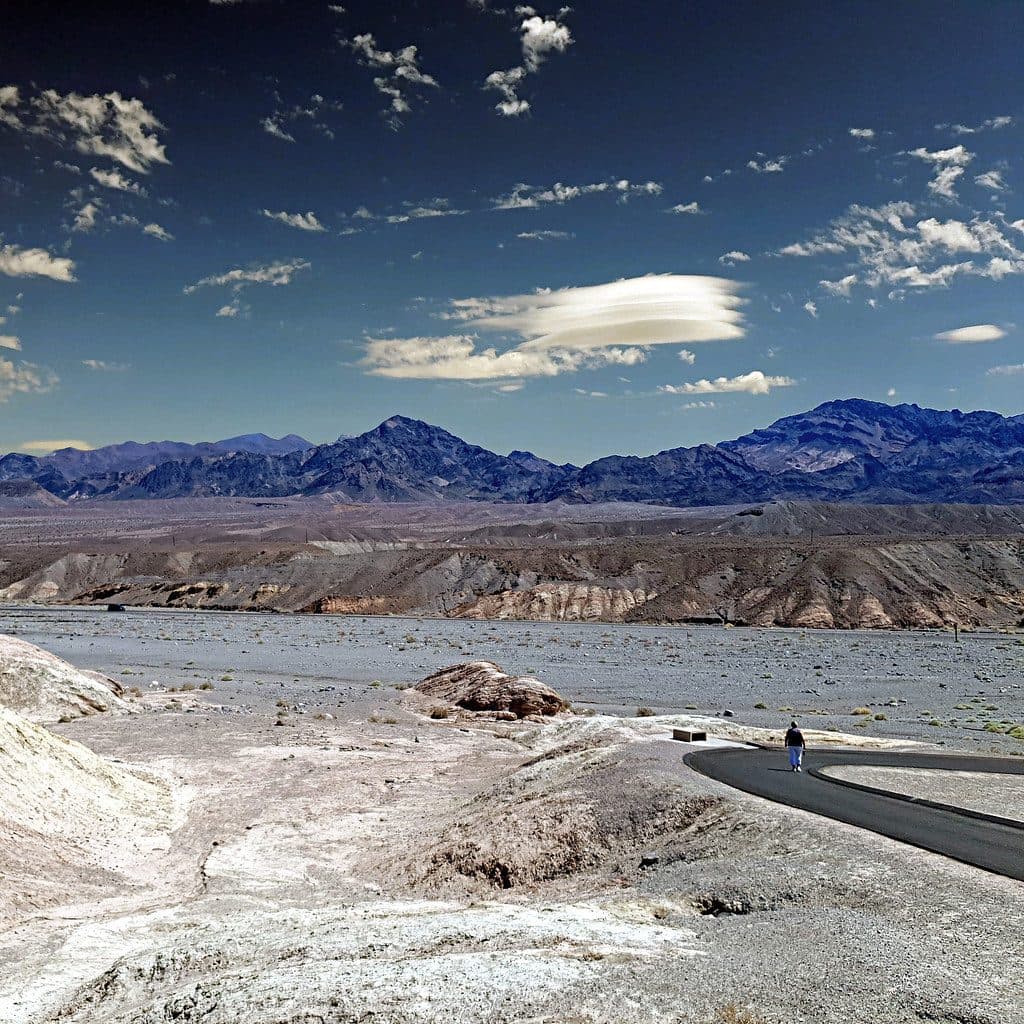
Aim for spring or fall when temperatures are more forgiving. Avoid summer heat. For photos, early and late light flatters the ruins and surrounding mountains, and you’ll have few (if any) crowds at most hours.

Sight · Death Valley National Park
Remote ruin of Manson’s last hideout amid stark Panamint backcountry
Overview
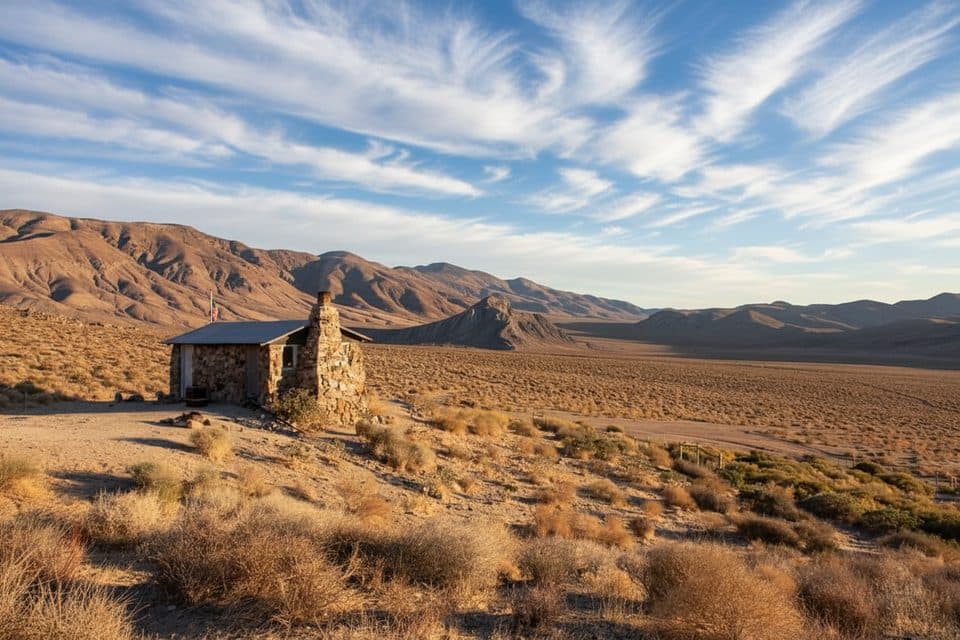
Remote, stark, and undeniably eerie, Barker Ranch sits deep in the Panamint Range and is best known as the last hideout of Charles Manson and his followers. The site predates that notoriety, though: it began as a small mining-era homestead, with structures from the late 1930s–1940s and a self-sustaining setup that once used a windmill and a nearby spring for water.
If you’re drawn to remote exploration, desert history, and true-crime lore, absolutely—getting here is half the adventure. If you’re after classic park vistas with easy access and amenities, this one’s likely more trouble than it’s worth.
 Parkwolf’s verdictIs It Worth It?
Map
Local know-how
Download offline maps and navigation before you leave paved roads.
Check recent road conditions—Goler Wash and backcountry tracks change after storms.
Stage from Ballarat and carry plenty of fuel, water, and a full-size spare.
Respect nearby private inholdings like Myers Ranch and leave artifacts in place.
Plan spring or fall, and shoot early or late for the best light and temps.
Plan your stop

The highest, rockiest slopes around here are a summer buffet for grizzly bears.
Death Valley Tour Guide
Parkwolf is a GPS audio tour guide for Death Valley National Park. As you drive, it chimes in with what’s ahead: hidden gems, upcoming stops, history, geology, and wildlife, right through your car’s speakers.
See the Death Valley audio tourRecorded for this place
The Notorious Barker Ranch Ruins“You're approaching Barker Ranch, a site with a pretty dark history. These ruins are infamous for being the last hideout of Charles Manson and his followers before they were arrested here in 1969.”
Plays as you drive up to Barker Ranch in the Parkwolf Death Valley Tour Guide.
“Fantastic app with many points of information… It’s great to just turn on while you’re driving and it gives you an audio tour of the national Park. We love it!!!!”


Guide
Expect authentic, weathered ruins rather than a curated historic site. You’ll find remnants of cabins and outbuildings, stone and concrete foundations, scattered mining relics, and a notable concrete water catchment often described as a “swimming pool.” The surrounding desert valley and rugged hills deliver big-sky scenery and an off-the-grid feel. Some visitors specifically seek out the bathroom area connected to the account of where Manson was found hiding.
Built in the late 1930s and used in the 1940s for small-scale mining, the ranch later became infamous when law enforcement arrested Manson and followers here in 1969. The site has since fallen into disrepair, and the main house is gone, leaving a raw, unfiltered glimpse into the past.
This isn’t a wildlife hotspot, but typical desert species like lizards, jackrabbits, coyotes, and occasionally bighorn sheep inhabit the region. Sightings are hit-or-miss.
Wildlife
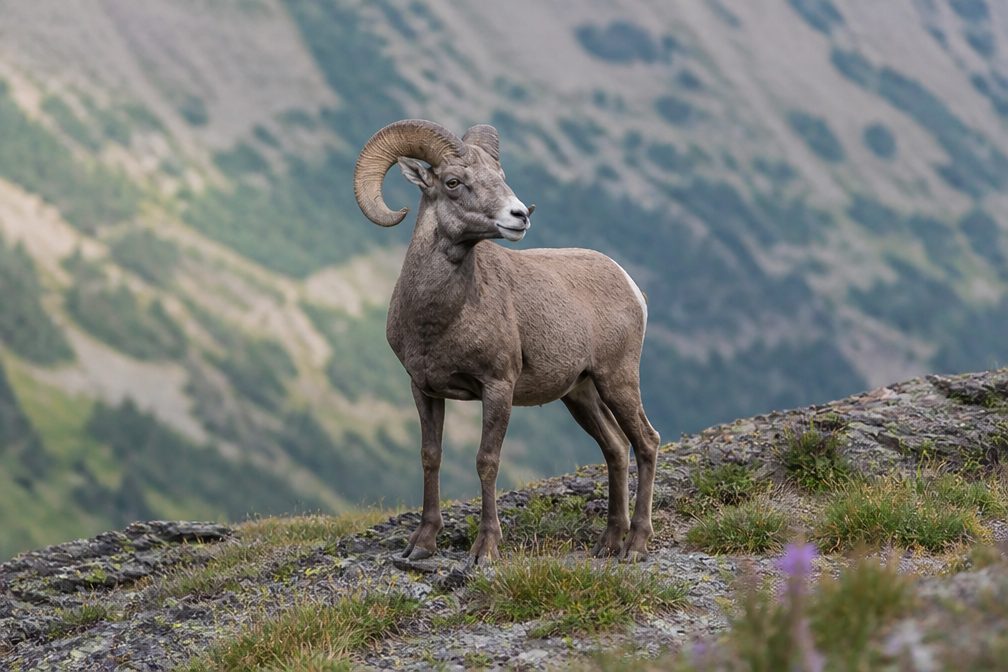 71 sightingsBighorn SheepMost seen around 6 PMSighting map
 101 sightingsDesert TortoiseMost seen around 8 AMSighting map
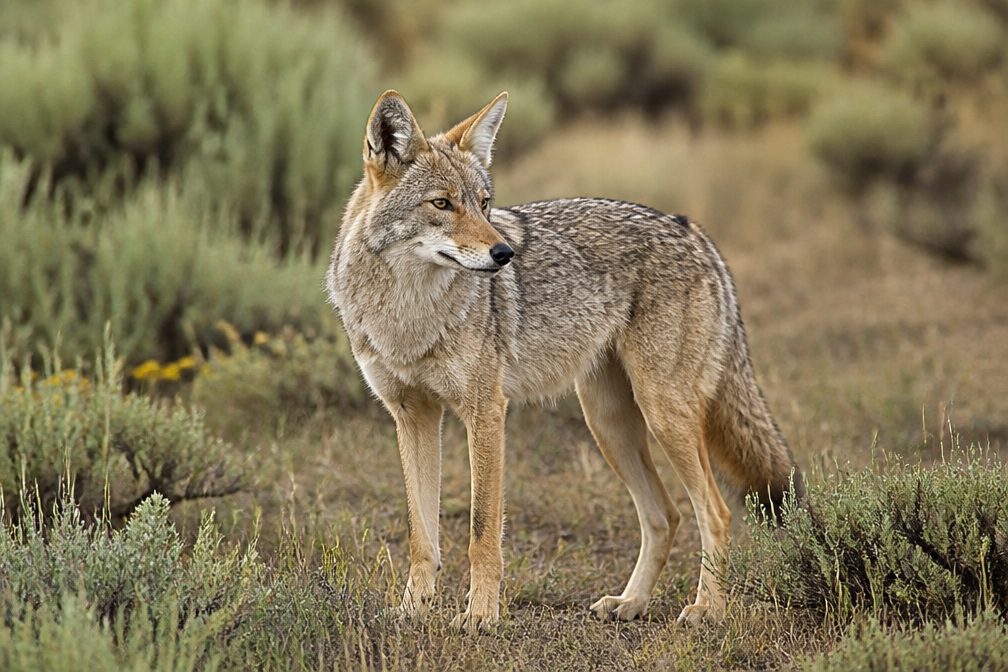 458 sightingsCoyoteMost seen around 6 PMSighting map
 28 sightingsFeral BurroMost seen around 5 PMSighting map
 30 sightingsMule DeerMost seen around 7 PMSighting map
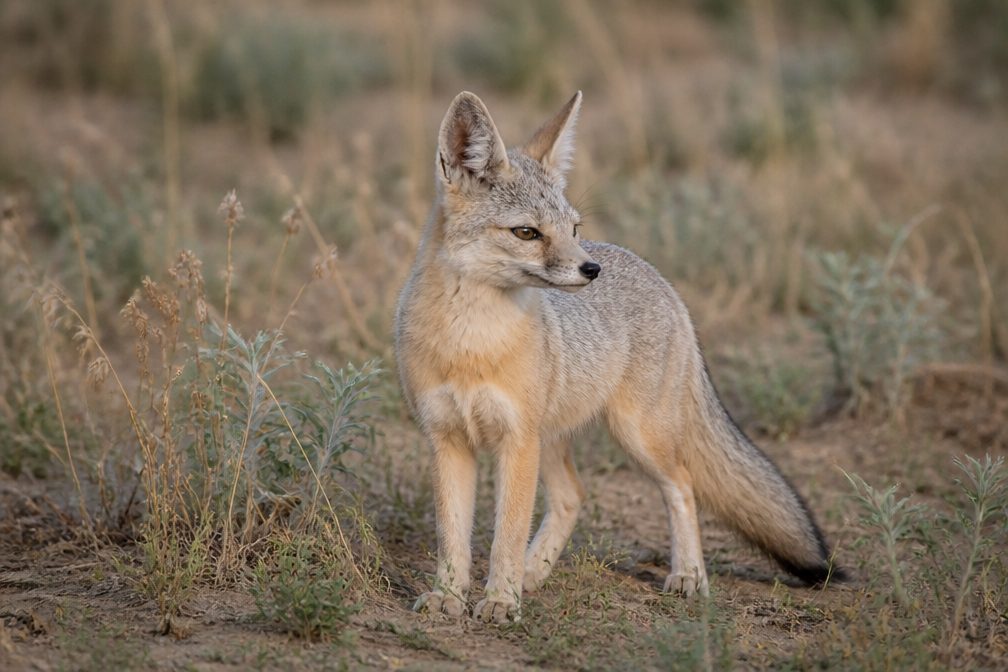 62 sightingsKit FoxMost seen around 7 PMSighting map
Sighting maps show where each species has been reported across Death Valley. Wildlife moves, so no sighting is guaranteed.
Keep exploring
Parkwolf’s Death Valley ranking
The audio tour guide for the drive, plus offline maps, trails, and wildlife heatmaps for when the signal drops.