Best time to visit
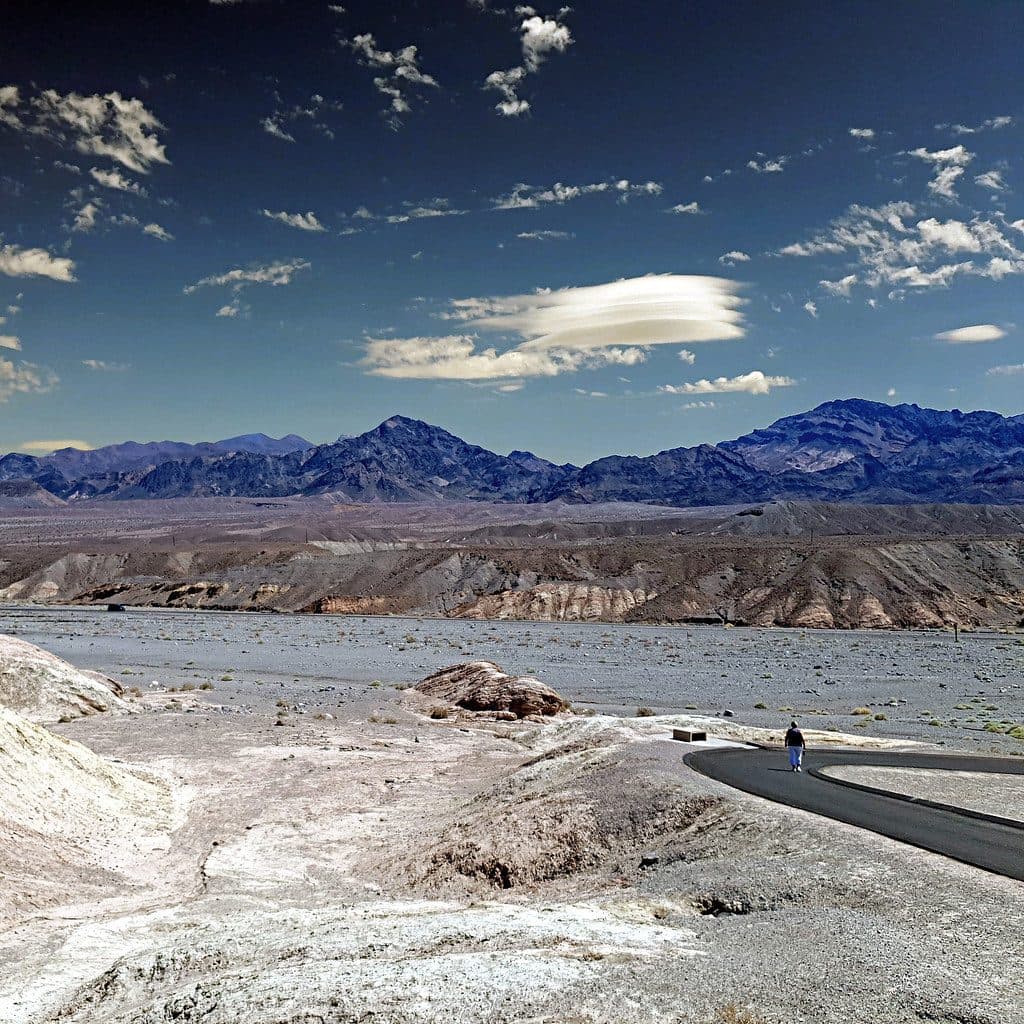
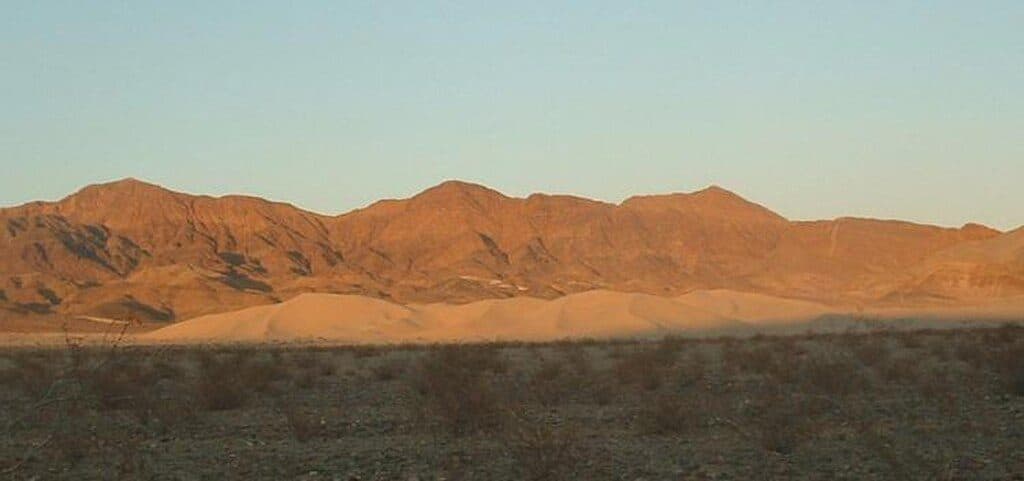
Aim for sunrise or sunset for the best texture and color—and cooler temperatures. Cooler seasons make the approach and hike more comfortable. Crowds are minimal year‑round, so you’re choosing light and heat, not people.
Sight · Death Valley National Park
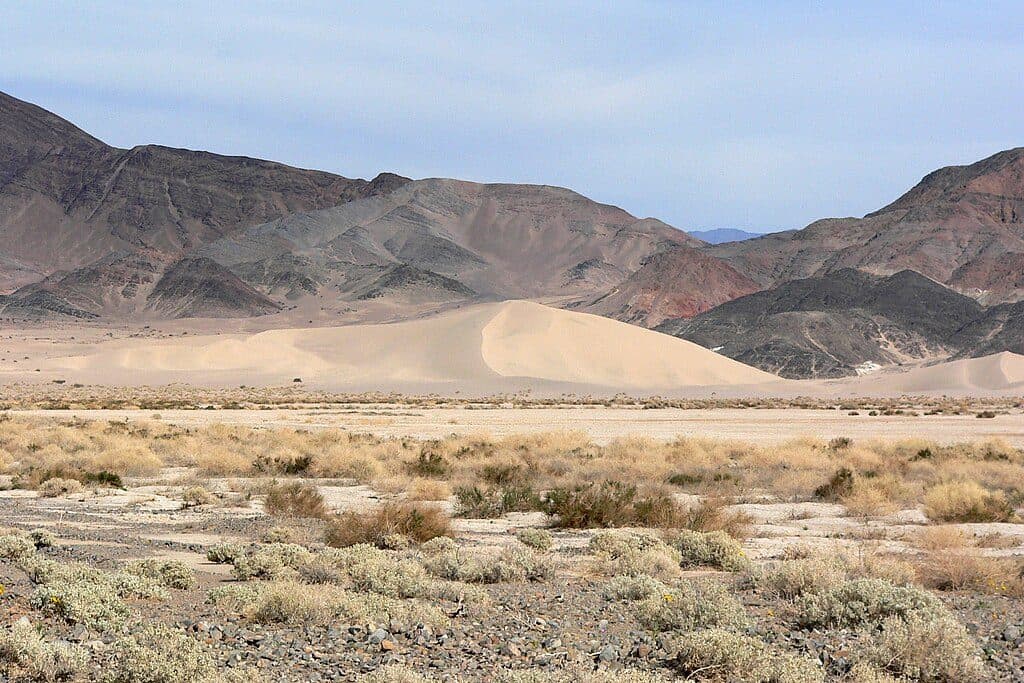
Remote, pristine dunes made for solitude and golden-hour photography
Overview
If you crave space and silence, Ibex Dunes delivers. Tucked into the park’s far southeast near Saratoga Springs, this small, remote dune field rises against the Saddle Peak Hills and rewards the effort with pristine sand, sculpted ridgelines, and big-sky desert views. It’s a wilderness experience with zero infrastructure—come prepared and self-reliant.
For solitude seekers, backcountry hikers, and photographers, absolutely. If you want towering dunes with easy access, stick to the park’s more famous spots. Ibex is about the journey as much as the destination—quiet, raw, and wonderfully uncommercial.
 Parkwolf’s verdictIs It Worth It?
Map
Local know-how
Bring at least a gallon of water per person and full sun protection.
Verify your route on a paper map; GPS and cell service are unreliable here.
Expect a 1–1.5+ mile hike from the roadside pullout to the dunefield.
Follow wilderness rules: stay on roads, no sand-boarding, and pack out waste.
Plan for sunrise or sunset for the best light and cooler temps.
Plan your stop
The highest, rockiest slopes around here are a summer buffet for grizzly bears.
Death Valley Tour Guide
Parkwolf is a GPS audio tour guide for Death Valley National Park. As you drive, it chimes in with what’s ahead: hidden gems, upcoming stops, history, geology, and wildlife, right through your car’s speakers.
See the Death Valley audio tourMore stories near here in the app
“Fantastic app with many points of information… It’s great to just turn on while you’re driving and it gives you an audio tour of the national Park. We love it!!!!”


Guide
The dunes are managed as protected wilderness. Stay on designated roads (no off‑road driving). Sand boarding, sledding, and sand skiing are not permitted, and you should pack out all waste. Treat the area gently so it stays pristine for the next visitor.
This is harsh but living desert. Expect signs of insects, lizards, and small mammals around the dunes; the nearby Saratoga Springs area increases the chance of bird activity, especially at dawn and dusk. Keep your distance and leave no trace.
Wildlife
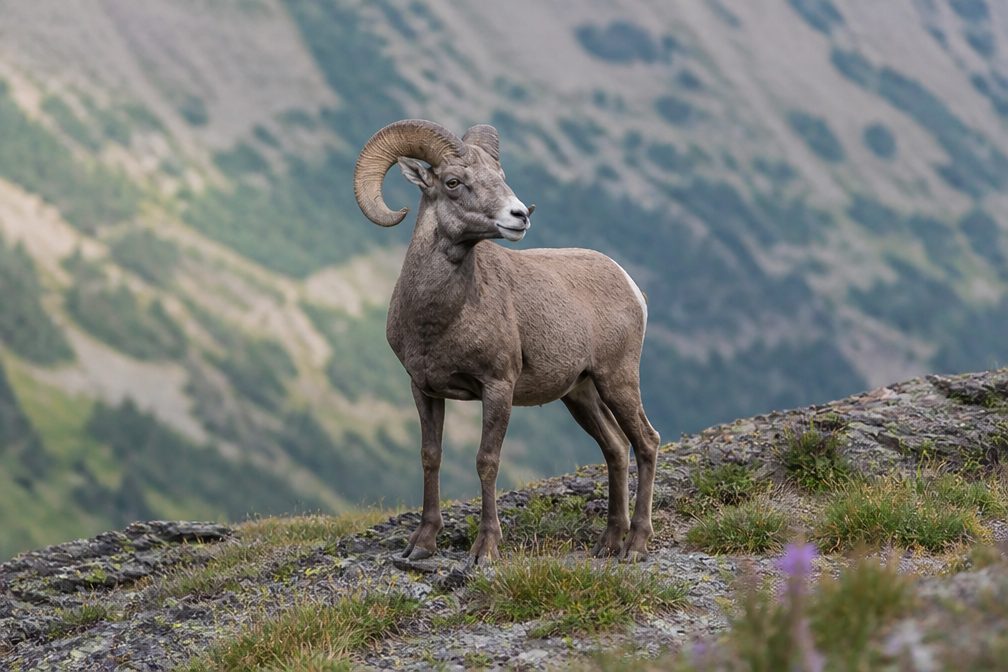 71 sightingsBighorn SheepMost seen around 6 PMSighting map
 101 sightingsDesert TortoiseMost seen around 8 AMSighting map
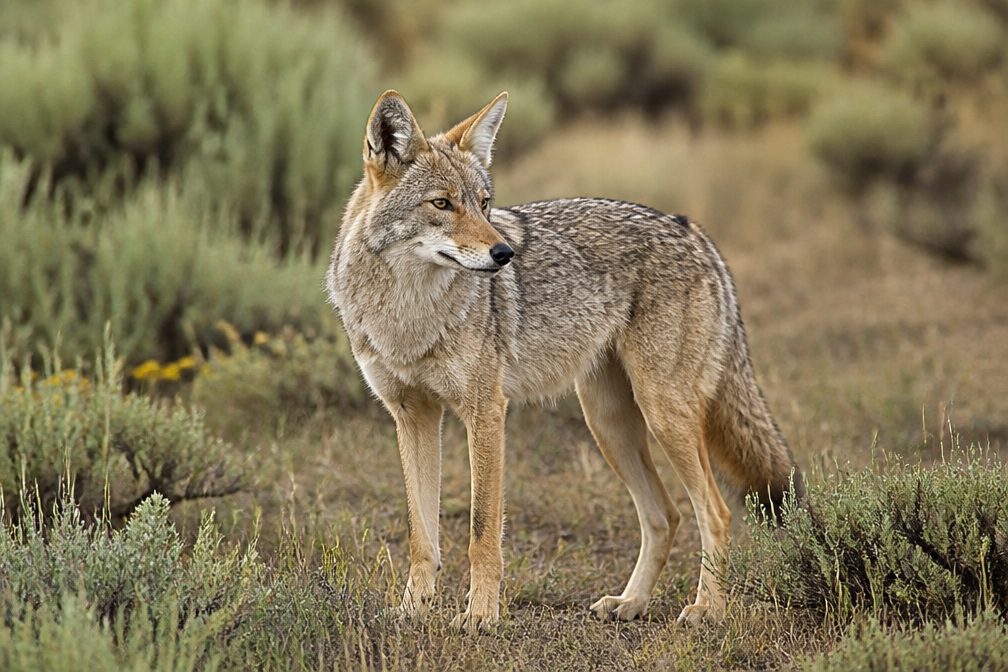 458 sightingsCoyoteMost seen around 6 PMSighting map
 28 sightingsFeral BurroMost seen around 5 PMSighting map
 30 sightingsMule DeerMost seen around 7 PMSighting map
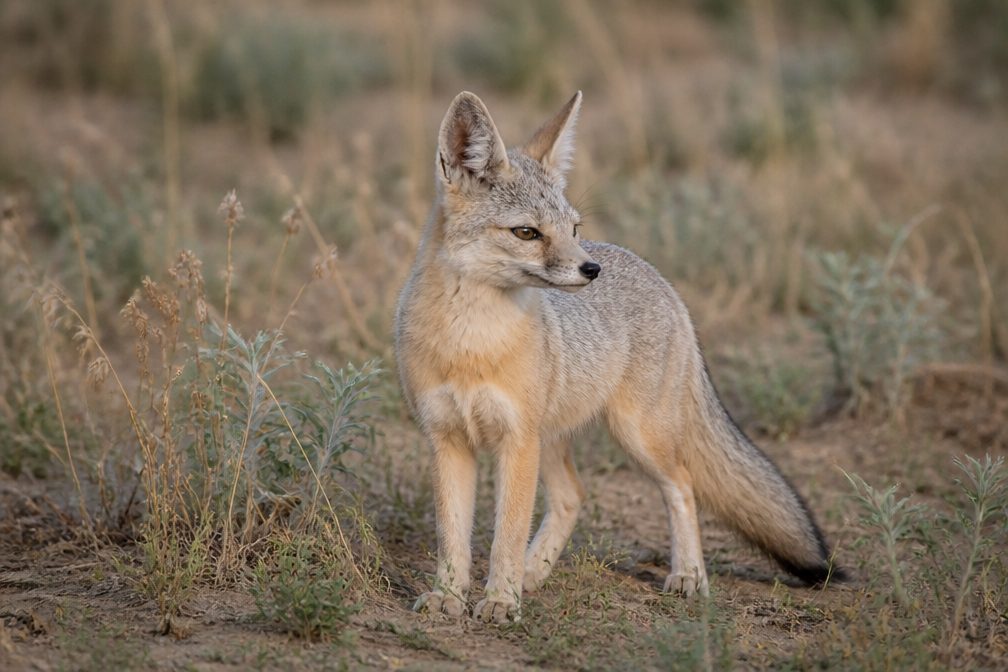 62 sightingsKit FoxMost seen around 7 PMSighting map
Sighting maps show where each species has been reported across Death Valley. Wildlife moves, so no sighting is guaranteed.
Keep exploring
Parkwolf’s Death Valley ranking
The audio tour guide for the drive, plus offline maps, trails, and wildlife heatmaps for when the signal drops.