Best time to visit
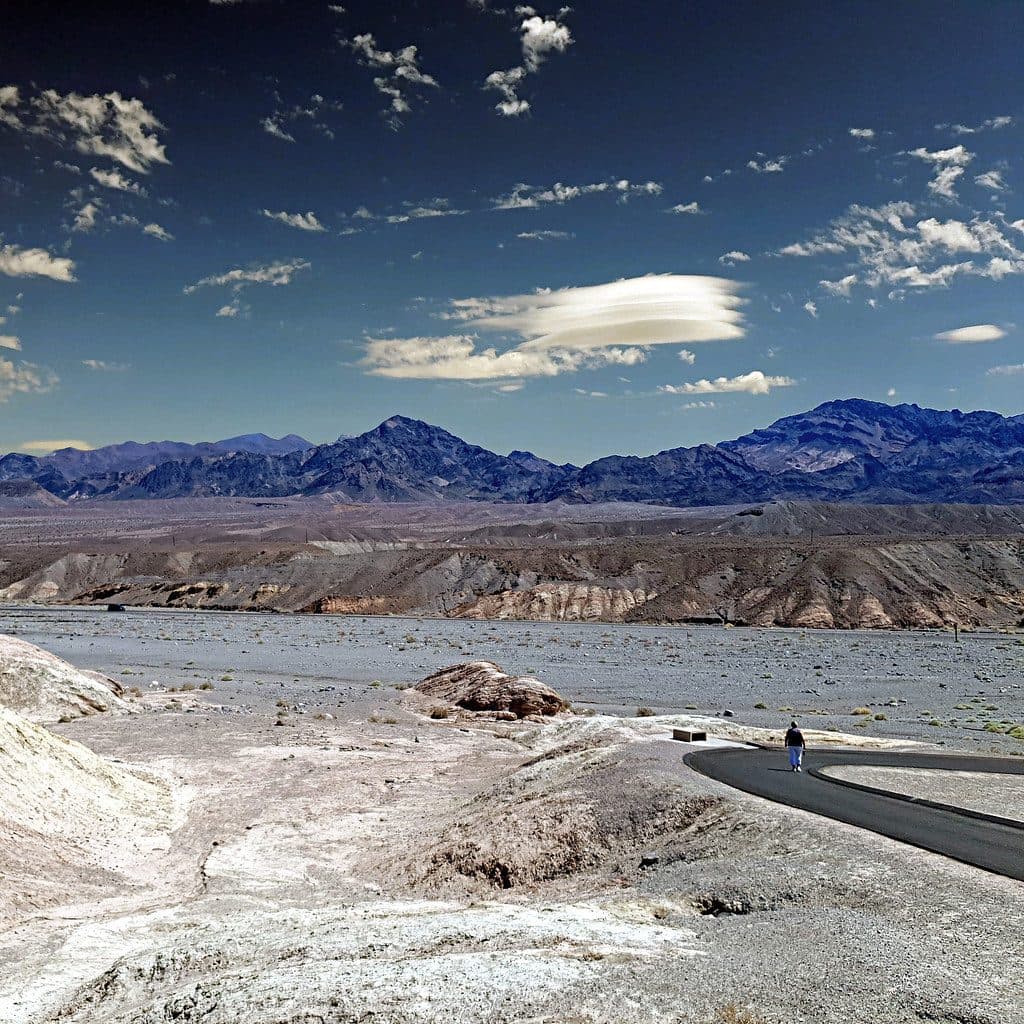
Spring and fall are the sweet spots for temperatures. Avoid the height of summer heat, and be cautious in winter when storms can make roads impassable. If you prefer it quieter, skip spring break when crowds spike.
Campground · Death Valley National Park
Remote Saline Valley hot springs with primitive camping
Overview
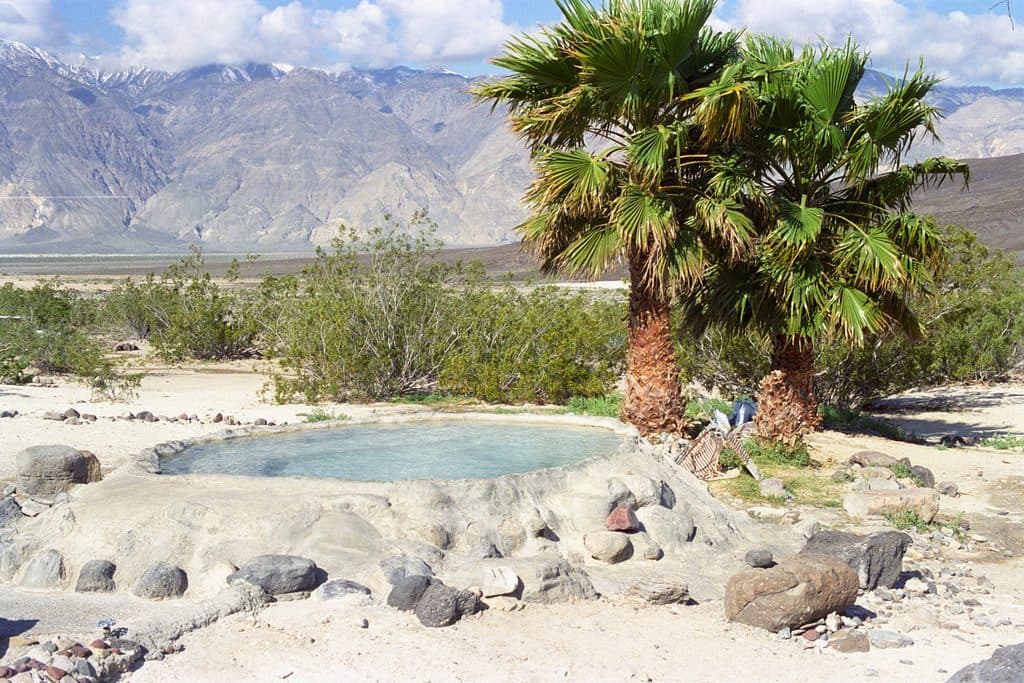
Lower Warm Springs is the most down-to-earth of Saline Valley’s soaking areas: a remote desert oasis with manmade tubs, a relaxed, communal feel, and primitive camping woven right into the scene. It’s far from pavement and that’s the point—come prepared and you’re rewarded with quiet desert nights and hot water under big skies.
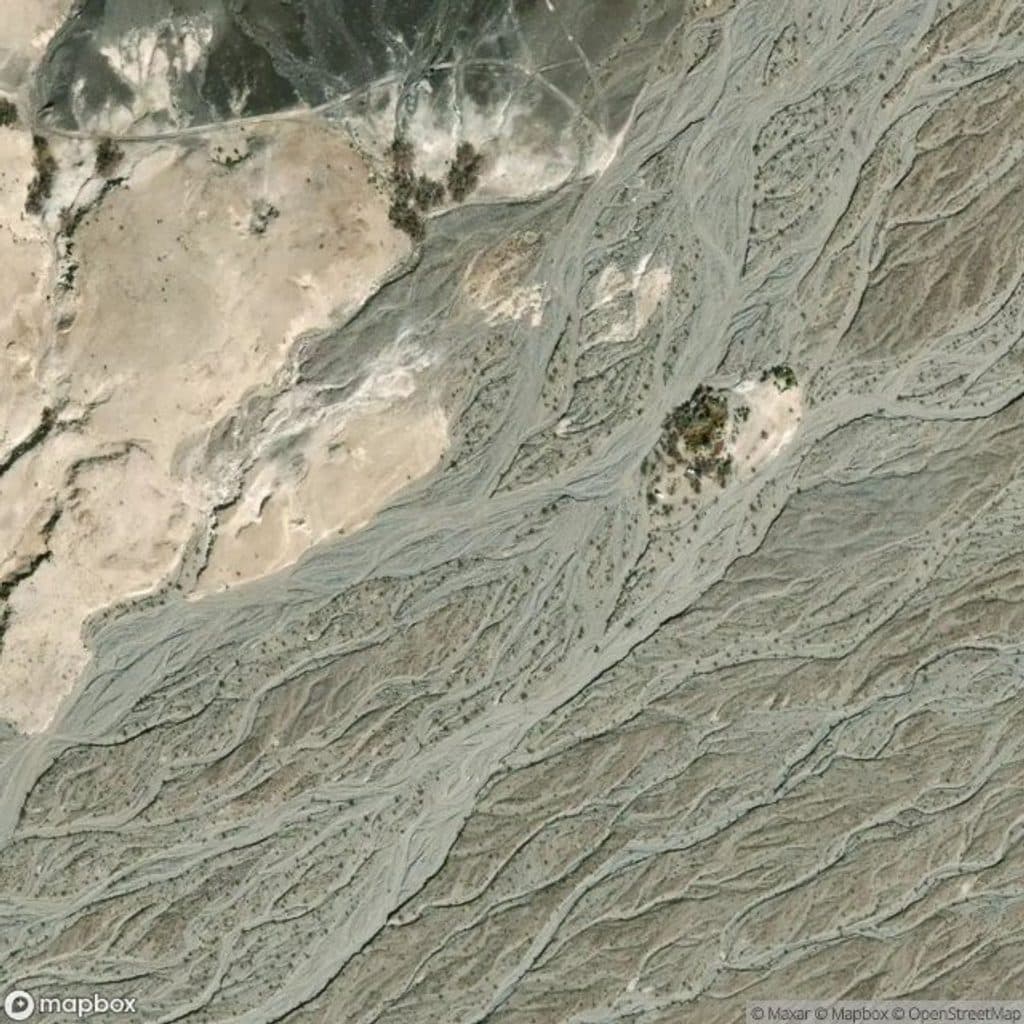
Map
Local know-how
Bring all drinking water; the spring water is for soaking only.
Check road conditions and carry a full-size spare—sharp rocks eat tires.
Expect a clothing-optional, communal vibe and pitch in to keep pools clean.
Avoid spring break and the hottest months; spring and fall are far better.
Secure food and paper goods—burros will raid unattended items.
Plan your stop

The highest, rockiest slopes around here are a summer buffet for grizzly bears.
Death Valley Tour Guide
Parkwolf is a GPS audio tour guide for Death Valley National Park. As you drive, it chimes in with what’s ahead: hidden gems, upcoming stops, history, geology, and wildlife, right through your car’s speakers.
See the Death Valley audio tour“Fantastic app with many points of information… It’s great to just turn on while you’re driving and it gives you an audio tour of the national Park. We love it!!!!”


Guide
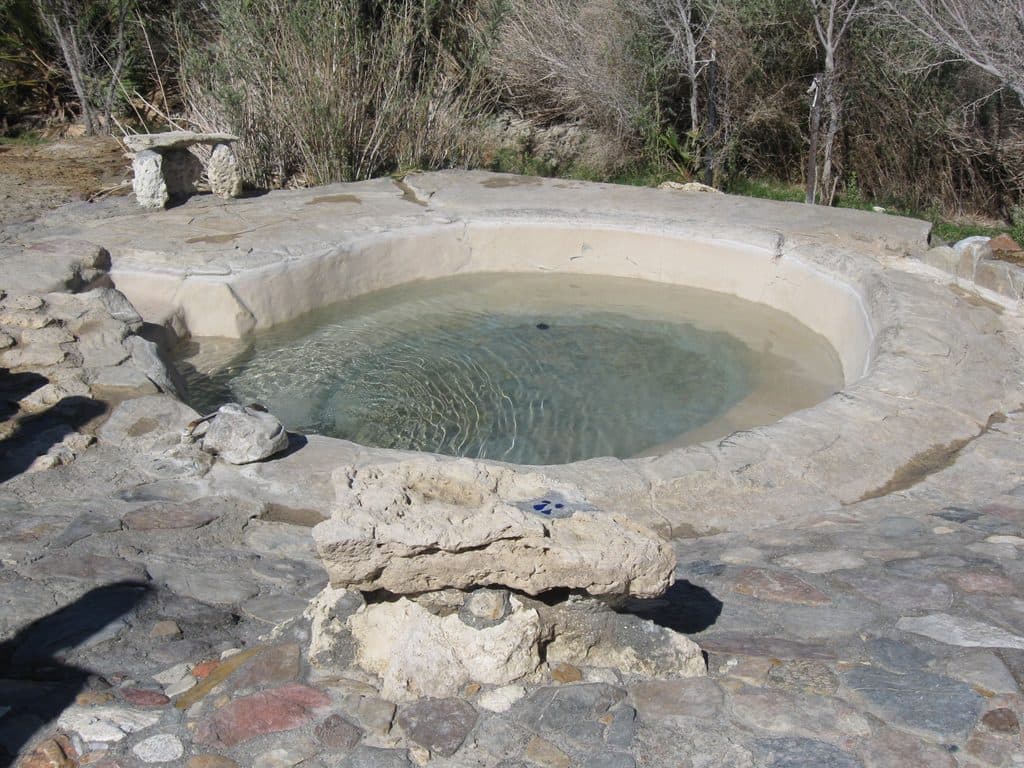
Expect a palm-dotted oasis in stark contrast to the surrounding valley. The springs feed multiple soaking pools, built and maintained by visitors, with water temps commonly in the 102–112°F range. Campsites cluster near the springs, and open desert views stretch in every direction.
This spot has a strong tradition of communal caretaking. People pitch in—skimming tubs, tidying up, sharing info. Clothing is optional, and the vibe is tolerant and low-key. Respect the place and others and you’ll fit right in.
The spring water is prized for soaking but is not considered potable. Treat it as soak-only water and bring all your drinking and cooking water. There are toilets, but otherwise no services or supplies—this is true backcountry.
Lower Warm Springs functions as a primitive campground: dispersed camping near the pools, basic parking, and toilets. No store, no fuel, no potable water—just the essentials to support a minimal footprint around the springs.
Geochemical work suggests the water starts high in the Inyo Mountains, traveling underground before emerging in Saline Valley. That steady recharge helps keep the pools flowing in such an arid basin.
Desert oases draw life. Birds are common, and burros wander through—secure food and anything paper-based, or they’ll happily sample your supplies.
Wildlife
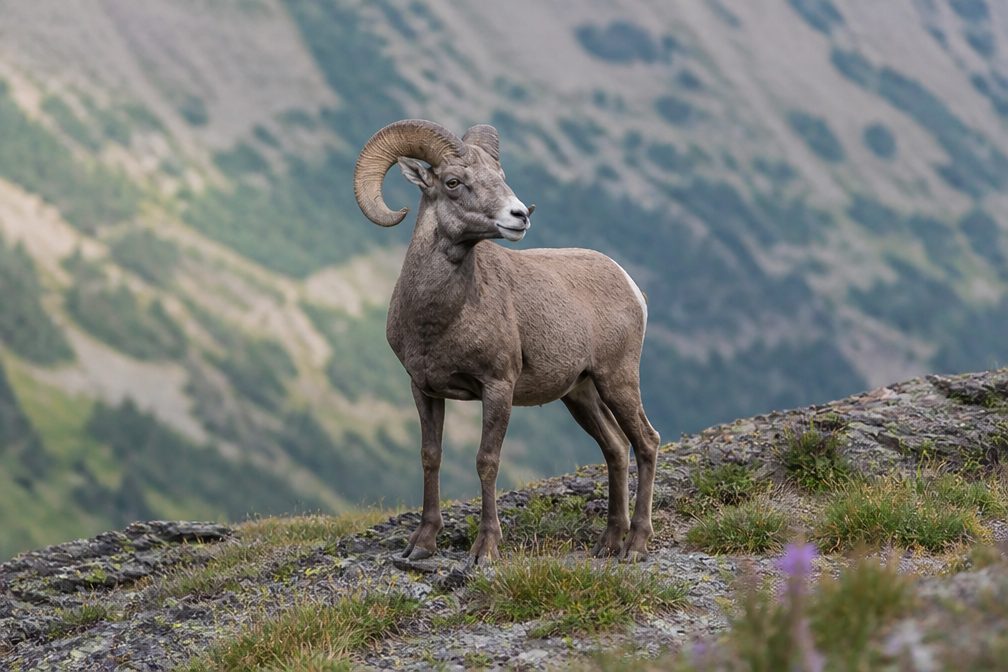 71 sightingsBighorn SheepMost seen around 6 PMSighting map
 101 sightingsDesert TortoiseMost seen around 8 AMSighting map
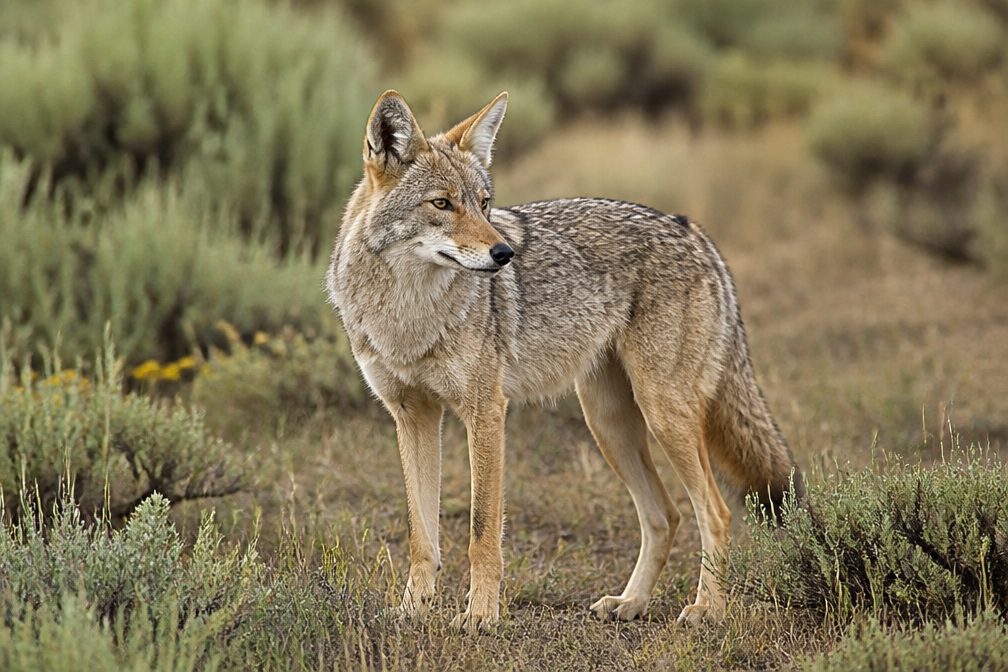 458 sightingsCoyoteMost seen around 6 PMSighting map
 28 sightingsFeral BurroMost seen around 5 PMSighting map
 30 sightingsMule DeerMost seen around 7 PMSighting map
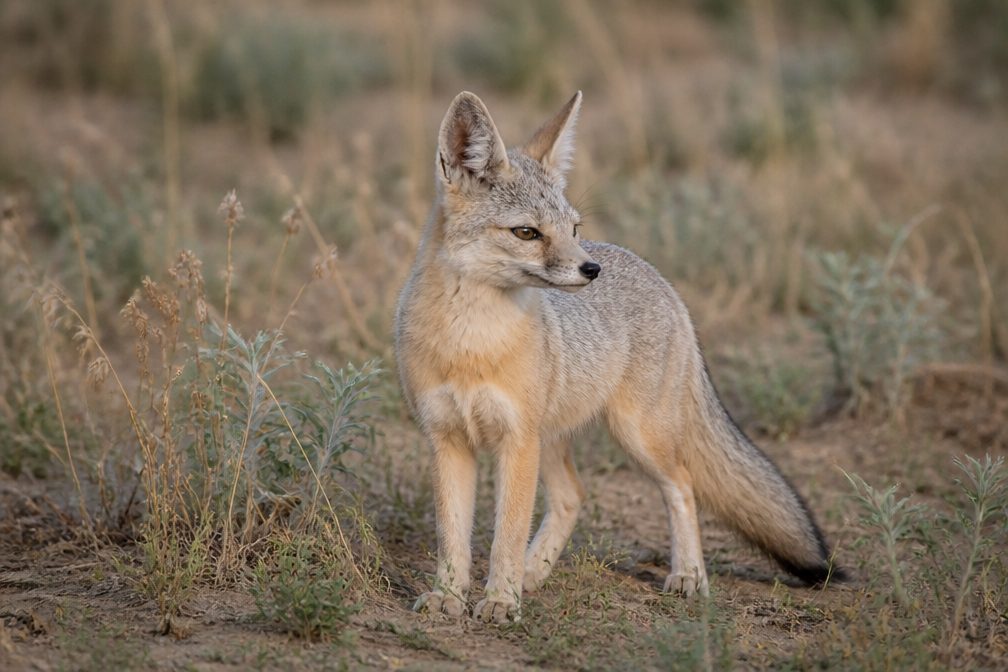 62 sightingsKit FoxMost seen around 7 PMSighting map
Sighting maps show where each species has been reported across Death Valley. Wildlife moves, so no sighting is guaranteed.
Keep exploring
Parkwolf’s Death Valley ranking

The audio tour guide for the drive, plus offline maps, trails, and wildlife heatmaps for when the signal drops.