Saline Valley Warm Springs

Remote, clothing-optional desert oasis with volunteer-kept soaking tubs
Saline Valley Warm Springs, Death Valley National Park
InsideDeath Valley National Park

Overview

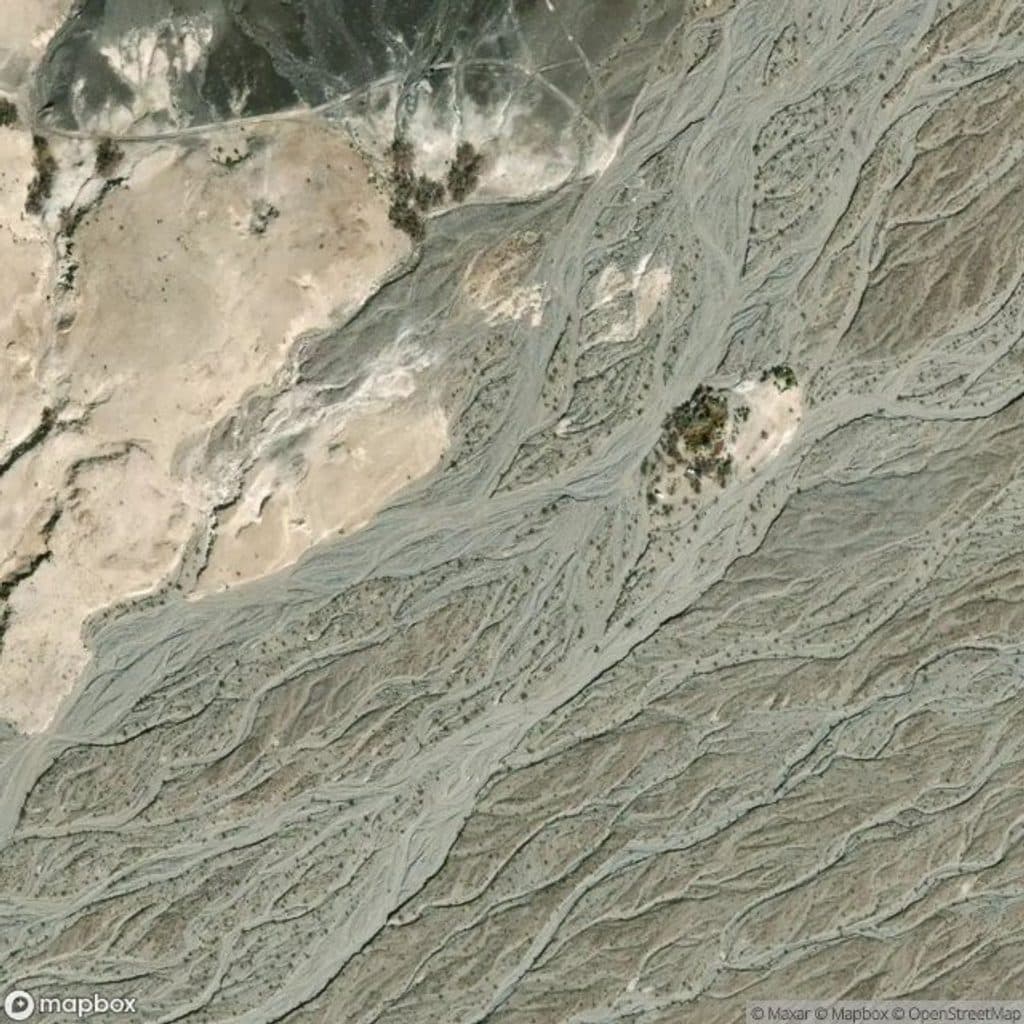
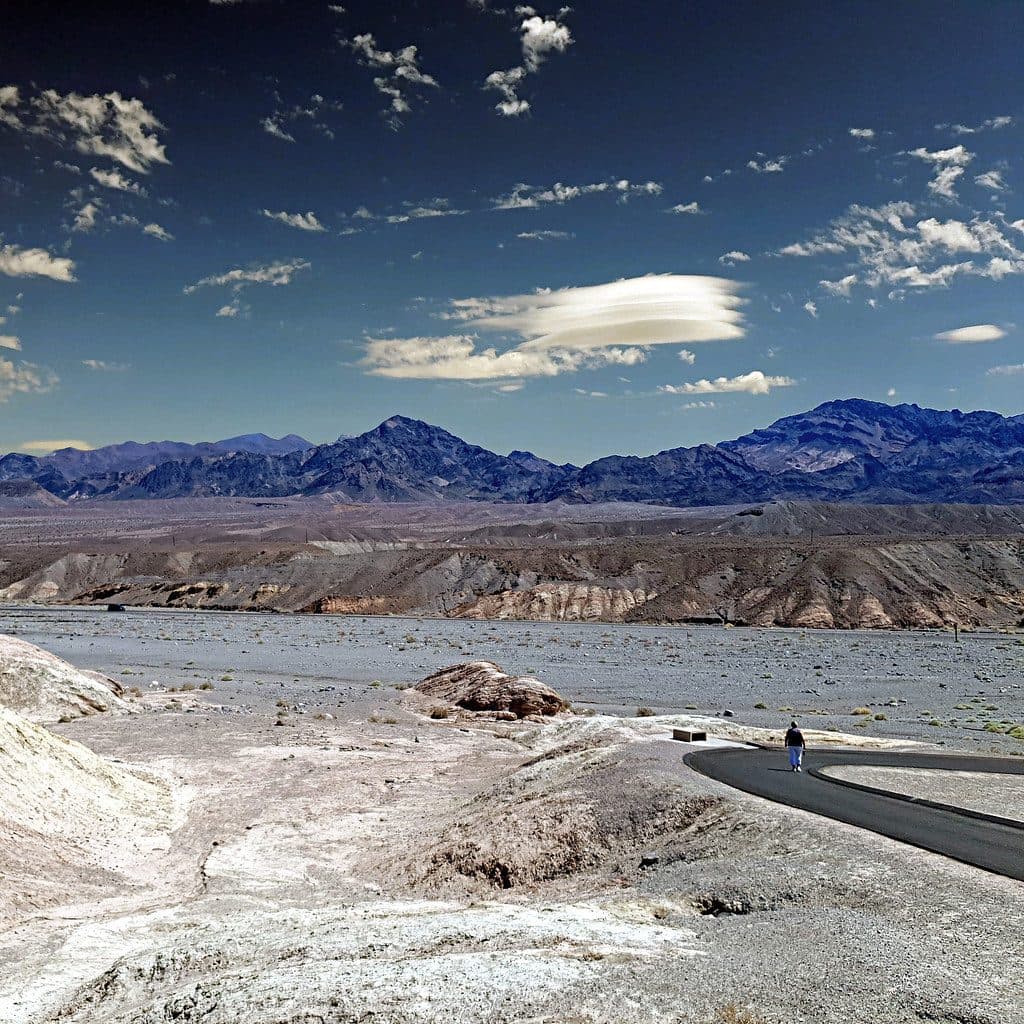
A true backcountry oasis, Saline Valley Warm Springs sits in the remote northwest corner of the park, roughly 35 miles from the nearest pavement. The reward for the long dirt-road approach is a quirky, communal hot springs scene framed by stark desert mountains and big skies.

What Makes It Unique

This place has a decades-long, user-created character: soaking tubs, small touches of art, and simple amenities maintained by volunteers. The National Park Service manages the area with a site-specific plan that acknowledges both its natural resources and its long-running recreational culture. Clothing is optional throughout the springs.

The Springs Layout

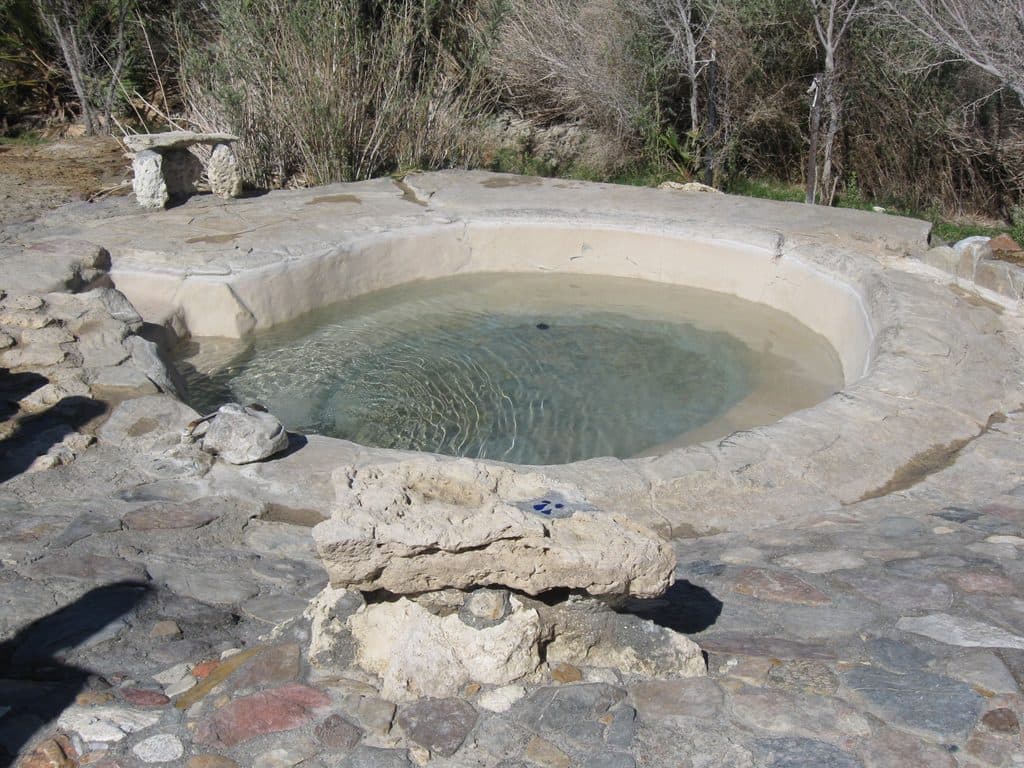
There are three main areas—Lower, Middle, and Upper—spread over a couple of miles. Lower Springs tends to have the most shade and creature comforts; Middle Springs has larger pools and basic amenities; Upper Springs feels more secluded. Soaking pool temperatures generally run in the neighborhood of 102–112°F. Expect a short, easy walk from parking to the pools once you’re there.

What You’ll See

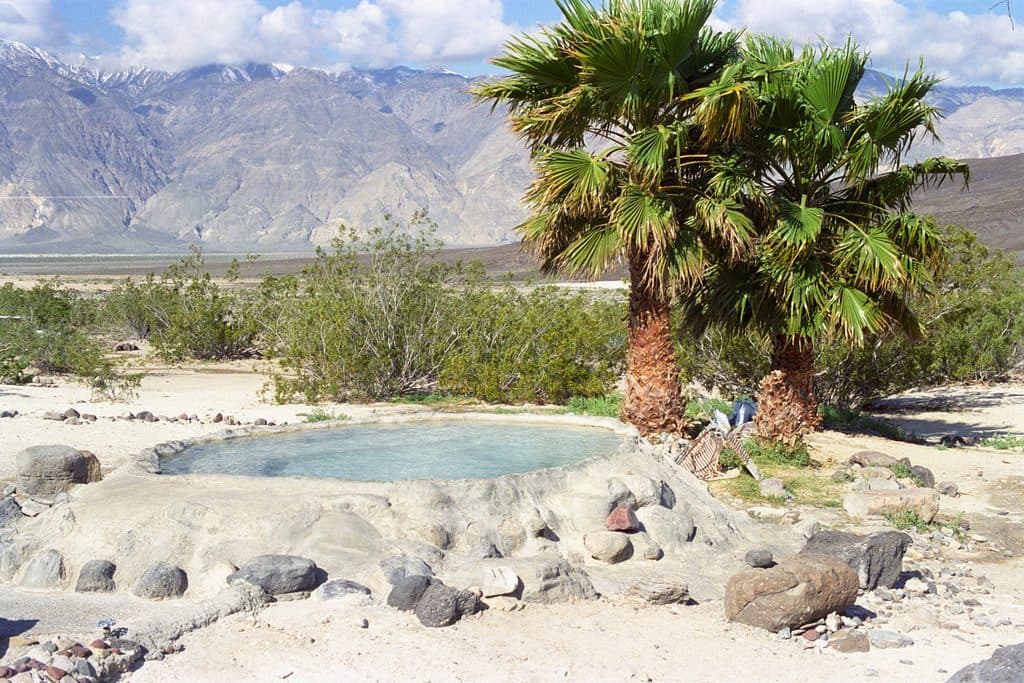
  • Soaking tubs fed by geothermal water, with simple, visitor-built features.
  • A primitive camping area clustered around the springs (dispersed, no numbered sites).
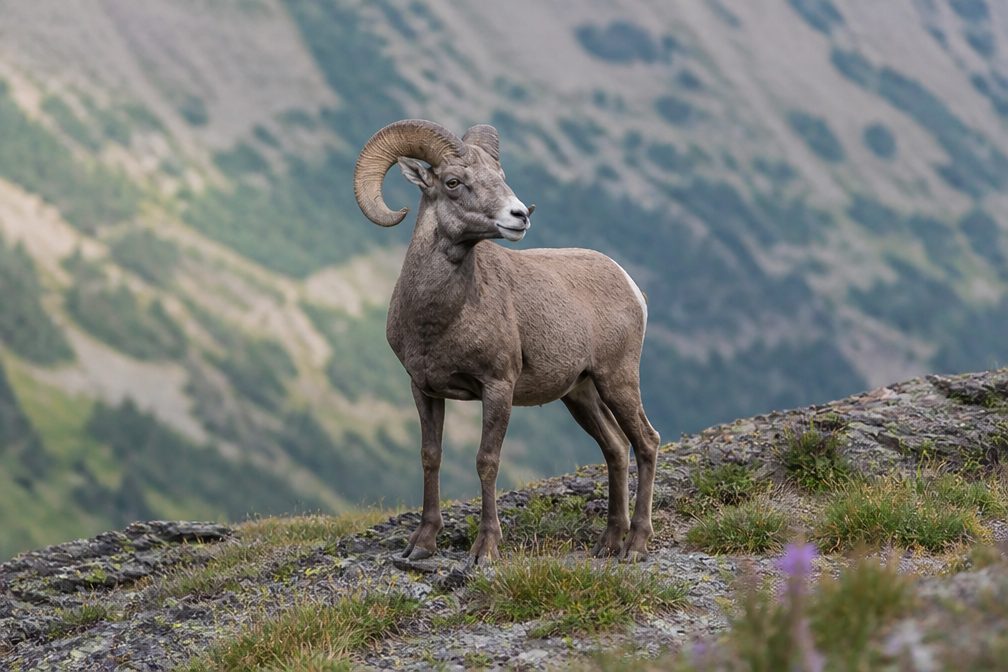
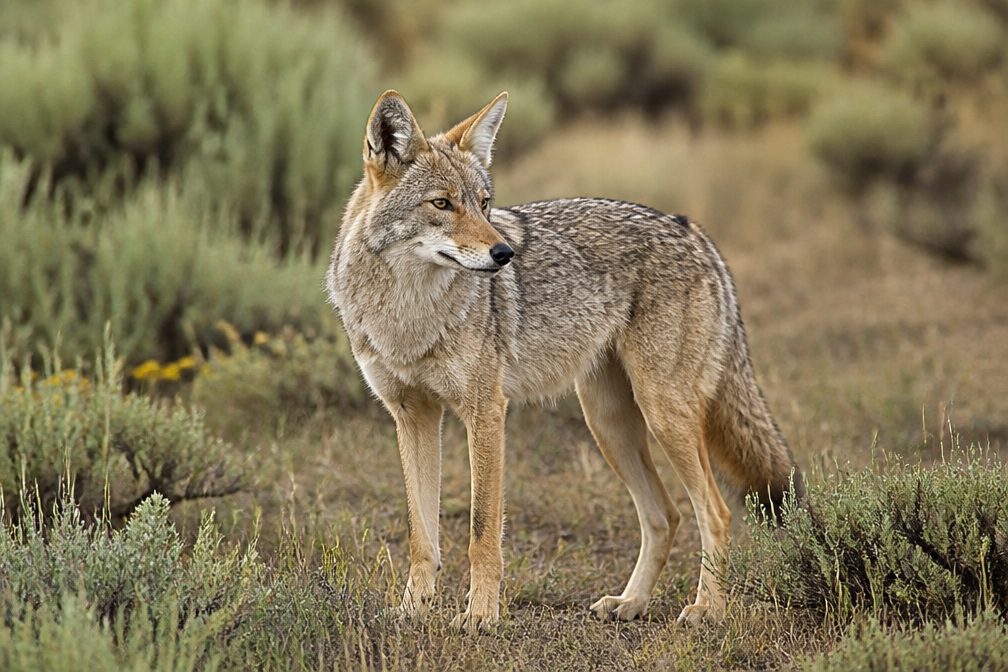
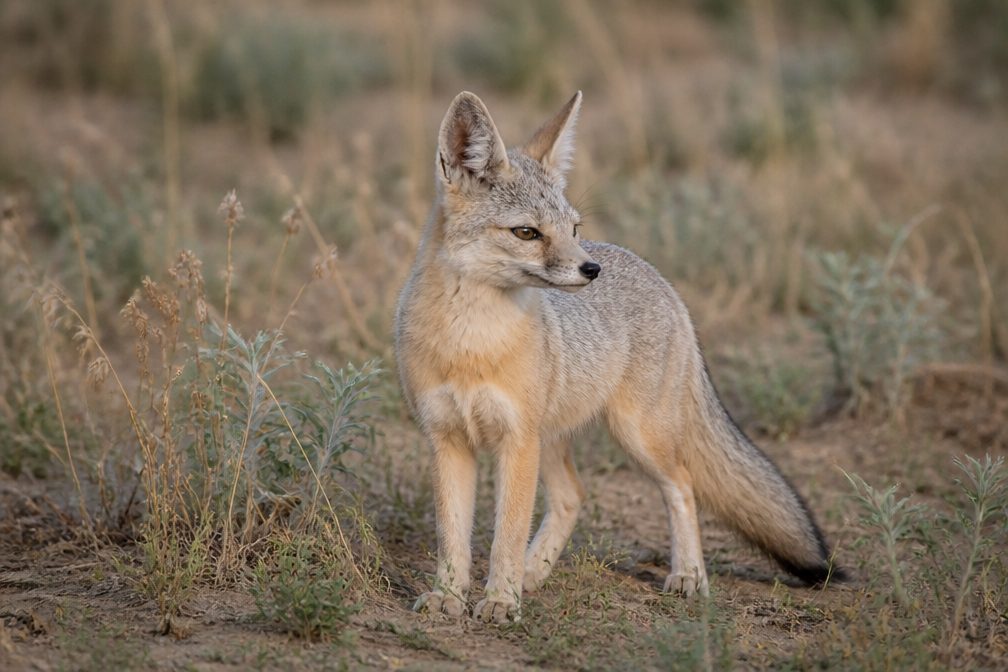
  • A surprising splash of green—palms and grasses—set against a wide, arid valley. You may spot birds, small mammals, and the occasional wild burro.

Facilities and Limitations

Amenities are basic: vault/pit toilets are provided and kept impressively clean by the community. There’s no potable water, no store, no gas, and no cell service. Bring everything you need and pack out all trash. Some primitive showers exist, but spring water is not safe to drink.

Getting There and Road Reality

Expect hours of washboard, rocks, and passes that can see snow or storm damage. High-clearance and 4WD are often recommended, and conditions can become impassable after storms or in winter. The drive is part of the adventure—plan conservatively and travel prepared.

Camping

Camping is free and primitive near the springs, with plenty of space for tents and vehicles but no hookups or reservations. Many visitors spread out between the lower, middle, and upper areas to find their preferred scene and level of quiet.

Etiquette and Vibe

The vibe is relaxed and communal. Clothing-optional soaking is the norm. Pitch in where you can—small acts like tidying or bringing extra cleaning supplies help keep the place running smoothly.

Best Time to Visit

Spring and fall are the sweet spots for comfortable temps. Weekdays typically feel quieter than weekends. In summer, heat can be intense with limited shade; early morning and evening are far more pleasant. In winter, watch the weather—passes can be snowy or closed after storms. Night skies are spectacular year-round.

Pros

  • Volunteer-kept soaking tubs and clean pit toilets
  • Three distinct spring areas offering different vibes and seclusion

Cons

  • Very long, rough backcountry drive; high-clearance/4WD often needed
  • No services or potable water; you must be fully self-sufficient

Tips

  • Bring all drinking water, food, fuel, and a full trash plan—there are no services.
  • High-clearance tires, a full-size spare, and recovery gear are smart insurance.
  • Aim for spring or fall and arrive on weekdays for a quieter soak.
  • Expect no cell service; share your route and timing with someone before you go.
  • Follow posted soak and cleaning etiquette and consider pitching in with basic maintenance.
The Parkwolf tour guide sitting on a phone mounted in a car

Parkwolf Tour Guide

Like a tour guide in your car.

Save the places you found around Death Valley, then let Parkwolf guide the drive between them.Download Parkwolf on the App Store