Best time to visit
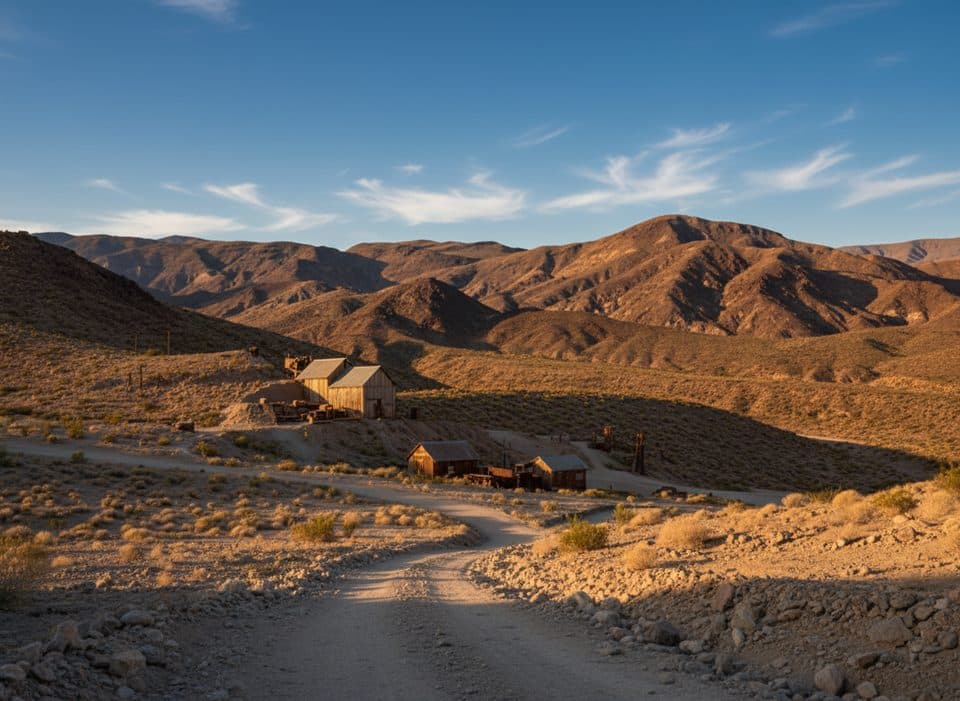
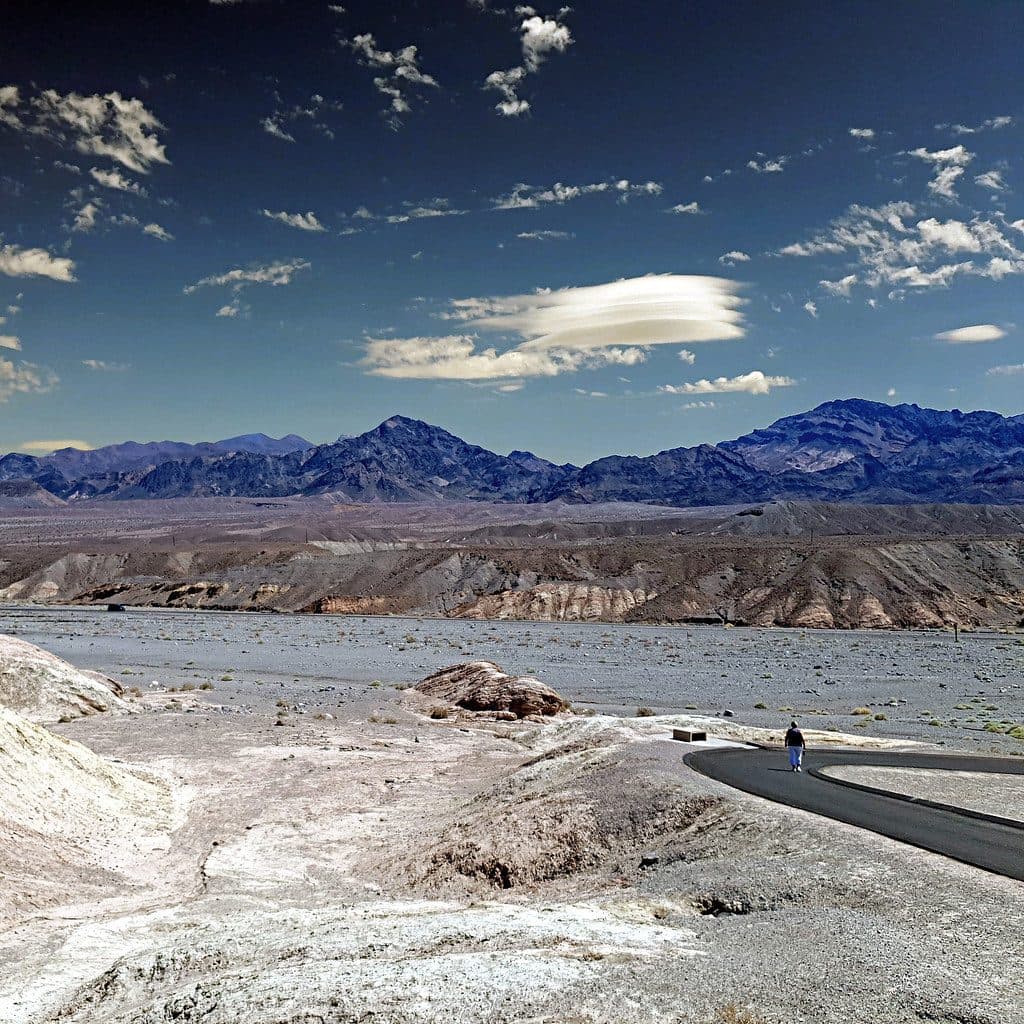
Come during broad daylight and fair weather so the unpaved approach is manageable and you have time to explore. Crowds aren’t an issue here; the limiting factor is the rough, remote drive and lack of services.
Sight · Death Valley National Park
Remote ghost town with a rare water-powered stamp mill
Overview
High on the Panamint Range around 5,689 feet, Skidoo is one of the park’s classic ghost towns—remote, quiet, and rich with mining history. It’s listed on the National Register of Historic Places and represents the boom‑and‑bust era that briefly transformed these mountains in the early 1900s.
Skidoo’s mill was water‑powered—remarkable in a desert park—supplied by a long pipeline from the Telescope Peak area. That engineering feat is a big part of why Skidoo still captures imaginations today.
 Parkwolf’s verdictWhy It’s Unique
Map
Local know-how
Bring all the water and food you’ll need—there are no services.
High‑clearance is recommended; after storms or in winter, 4WD may be necessary.
Carry offline maps or GPS; signage is limited and cell service is unreliable.
Stay outside fences and structures and beware of open shafts and unstable ground.
Plan your stop
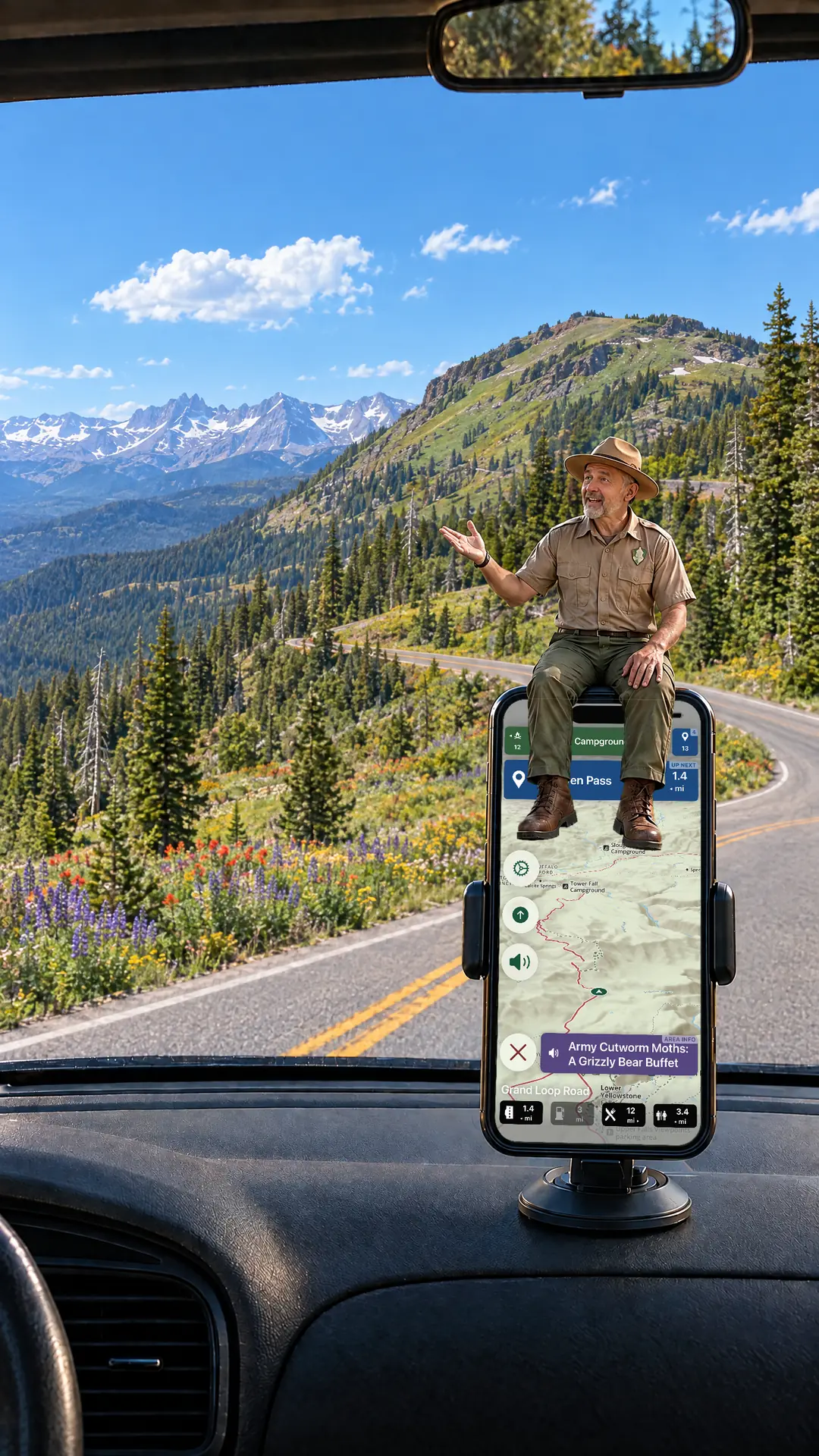
The highest, rockiest slopes around here are a summer buffet for grizzly bears.
Death Valley Tour Guide
Parkwolf is a GPS audio tour guide for Death Valley National Park. As you drive, it chimes in with what’s ahead: hidden gems, upcoming stops, history, geology, and wildlife, right through your car’s speakers.
See the Death Valley audio tourMore stories near here in the app
“Fantastic app with many points of information… It’s great to just turn on while you’re driving and it gives you an audio tour of the national Park. We love it!!!!”


Guide
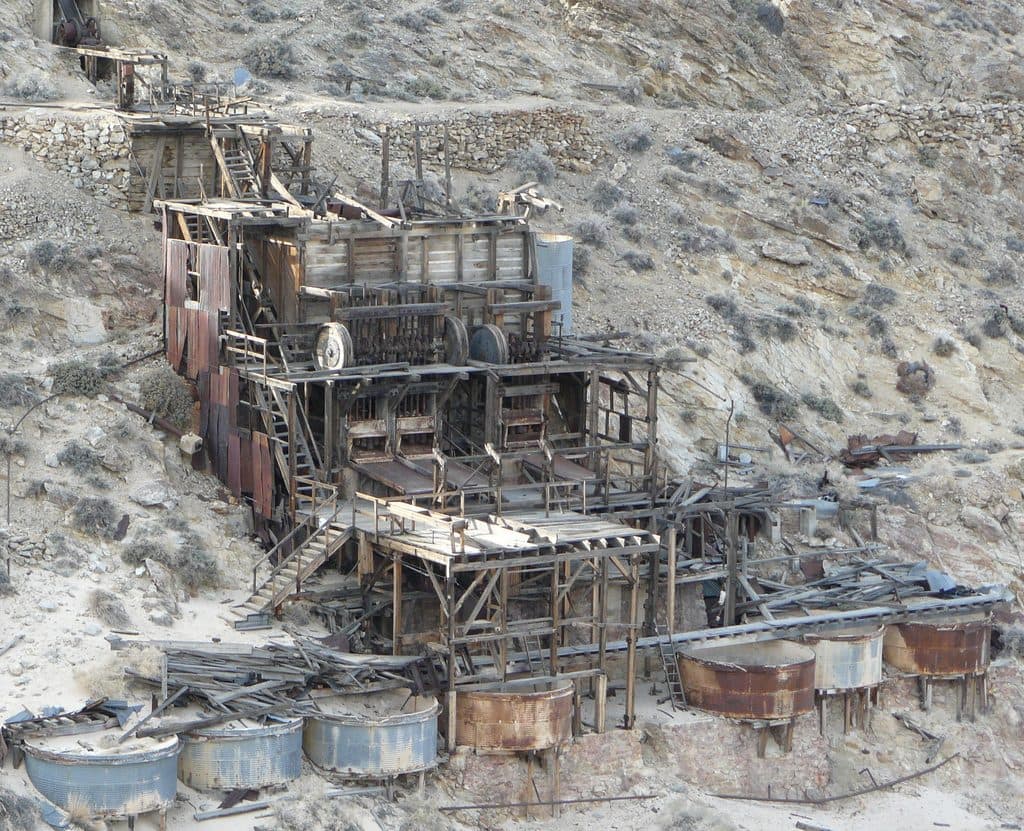
Expect a rugged historic site rather than a preserved town. The standout feature is the stamp‑mill complex—documented in historic engineering records—along with scattered foundations and mining debris. Views stretch over canyons and ridgelines, giving the place an almost stage‑set feel for Death Valley’s mining past.
Founded in 1907 (earlier known as Hoveck), Skidoo quickly swelled to about 700 people with a bank, newspaper, school, and telephone service. The camp’s mines produced roughly $1.6 million when gold sold at $20 an ounce, making it one of California’s more productive gold camps. The post office closed in 1917 as the ore played out, and the town faded just as fast as it rose.
Skidoo is remote and lightly visited. There are no developed amenities—no restrooms, water, or services—just informal parking at the end of a rough road and short, unmaintained paths around the relics. It’s quiet, atmospheric, and best for self‑sufficient visitors who enjoy history, scenery, and solitude.
Old mines and structures can be unstable—look, don’t enter. Leave artifacts where you find them. Camping and fires are not allowed at the site; follow park rules.
This stop is about history more than wildlife; the research doesn’t cite specific viewing here.
Wildlife
 71 sightingsBighorn SheepMost seen around 6 PMSighting map
 101 sightingsDesert TortoiseMost seen around 8 AMSighting map
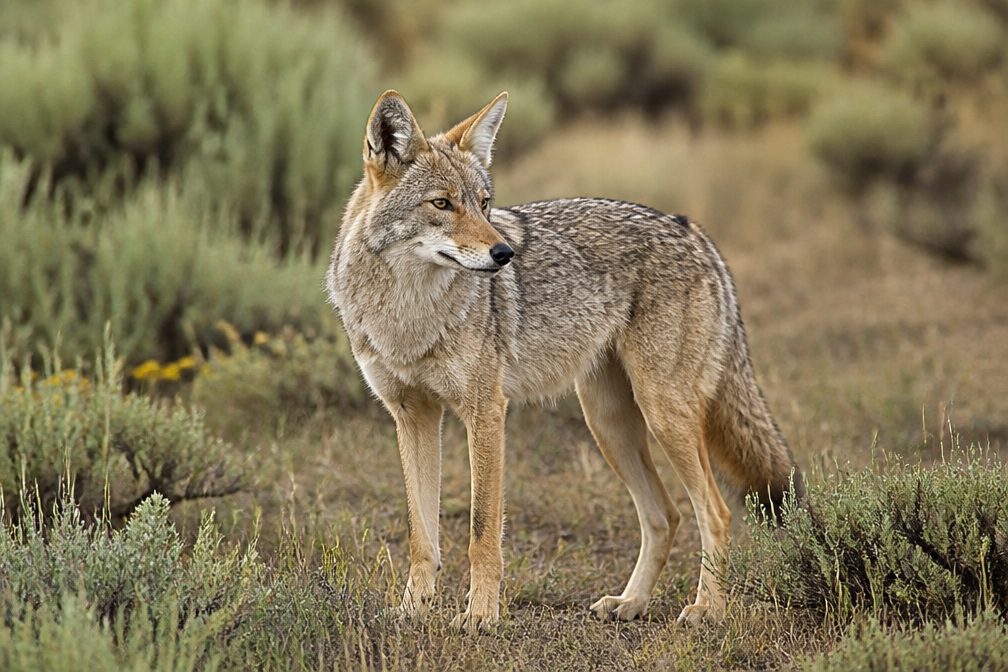 458 sightingsCoyoteMost seen around 6 PMSighting map
 28 sightingsFeral BurroMost seen around 5 PMSighting map
 30 sightingsMule DeerMost seen around 7 PMSighting map
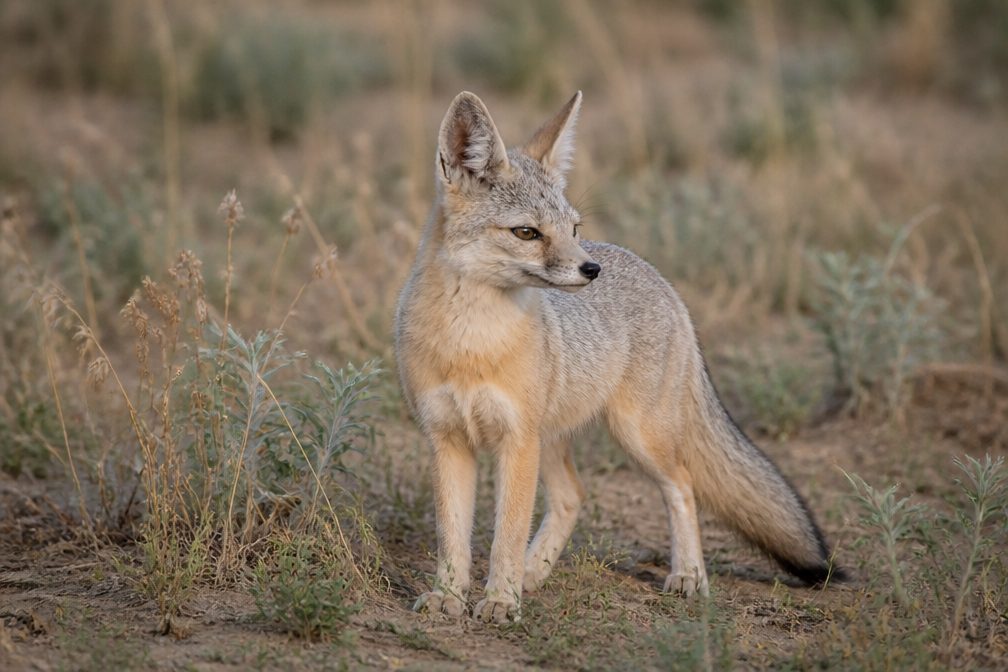 62 sightingsKit FoxMost seen around 7 PMSighting map
Sighting maps show where each species has been reported across Death Valley. Wildlife moves, so no sighting is guaranteed.
Keep exploring
Parkwolf’s Death Valley ranking
The audio tour guide for the drive, plus offline maps, trails, and wildlife heatmaps for when the signal drops.