Place · 0 mi away

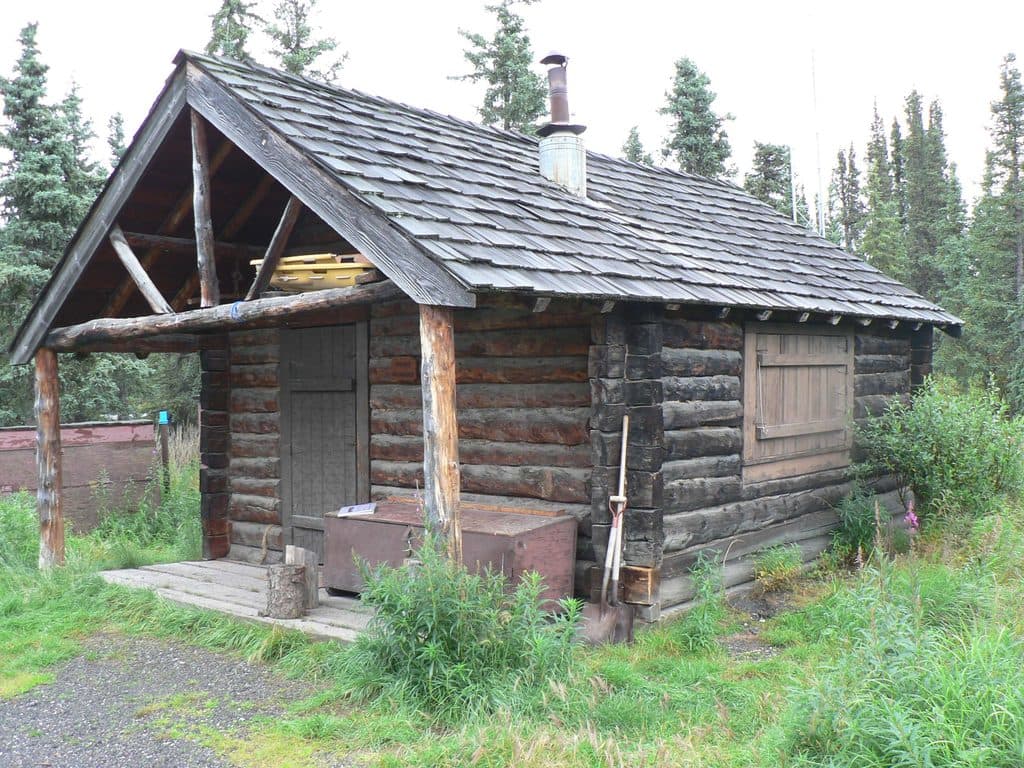
Sanctuary River Cabin No. 31 is a classic 1926 log cabin tucked just south of Mile 22.7 on the Park Road. It’s small, rustic, and quietly important—one of those unassuming places that shaped how Denali was built and studied.
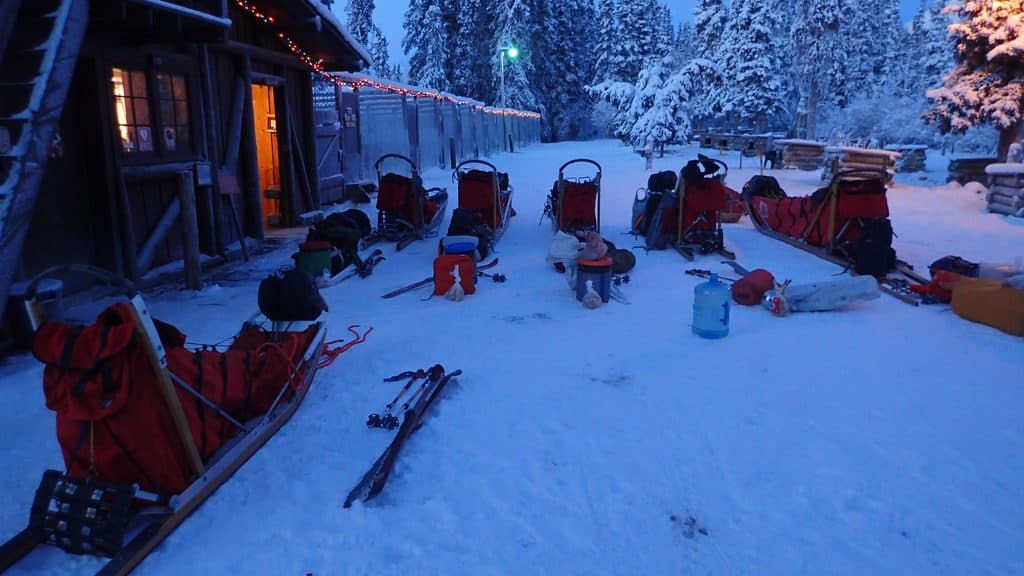
Built by the Alaska Road Commission as the center of a road construction camp, the cabin later became a key shelter for winter dog-sled patrols. In 1939, biologist Adolph Murie began his groundbreaking study of wolves and Dall sheep here, a project that helped reshape North American wildlife management. The cabin is listed on the National Register of Historic Places.
From the outside you’ll find a traditional log structure in a forested river corridor, with historic outbuildings like an outhouse, a tool box, and a storage shed. It’s a picture-perfect snapshot of early park life—simple lines, hand-hewn logs, and a setting that does most of the talking.
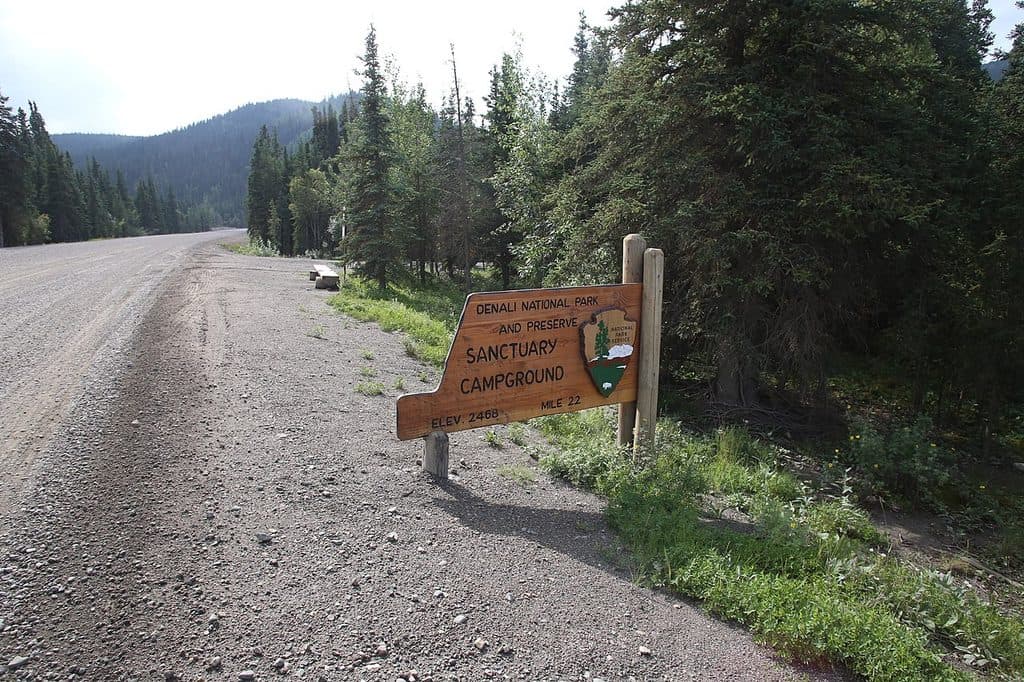
The cabin sits beside Sanctuary River and adjacent to Sanctuary River Campground at Mile 22.7. In summer, the Park Road past mile 15 is bus-only, so plan to ride the park shuttle and walk a short distance from the Sanctuary River stop to view the cabin exterior. There’s no dedicated parking or pullout for the cabin and no interior public access.
Sanctuary River Campground next door is tent-only and primitive: no potable water and no electricity. The shuttle stop is a short walk from campsites. Plan to filter or treat water from the nearby river; it generally runs clear most of the summer, though conditions can change after rain.
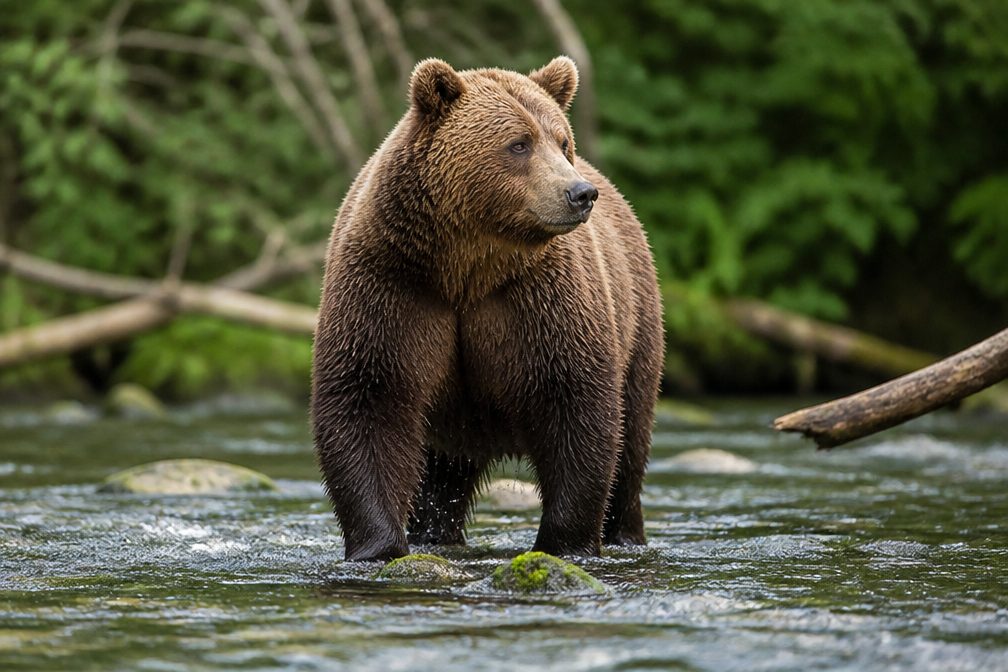
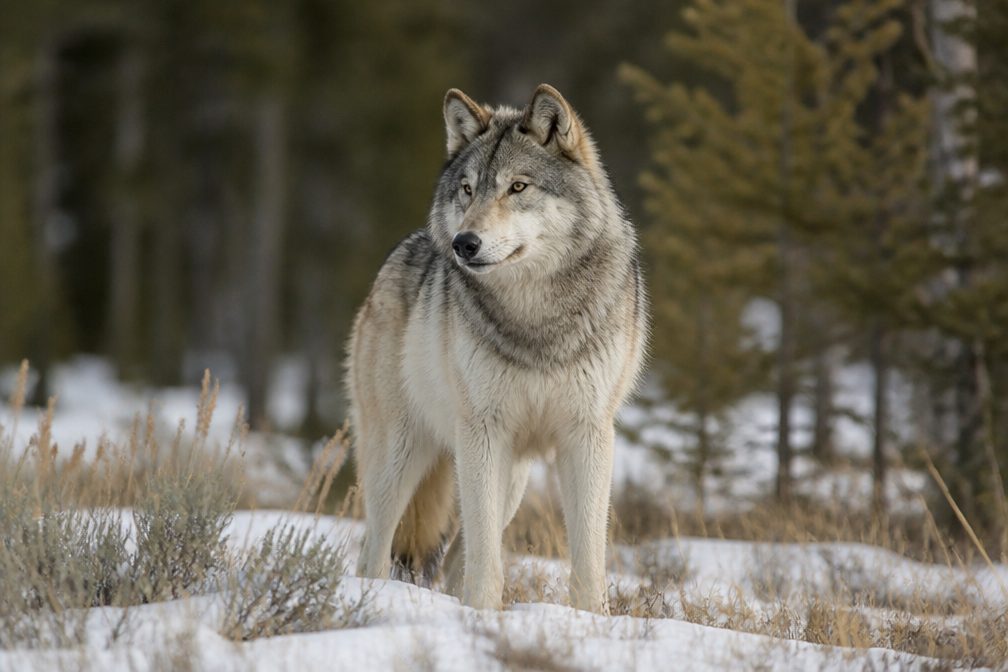
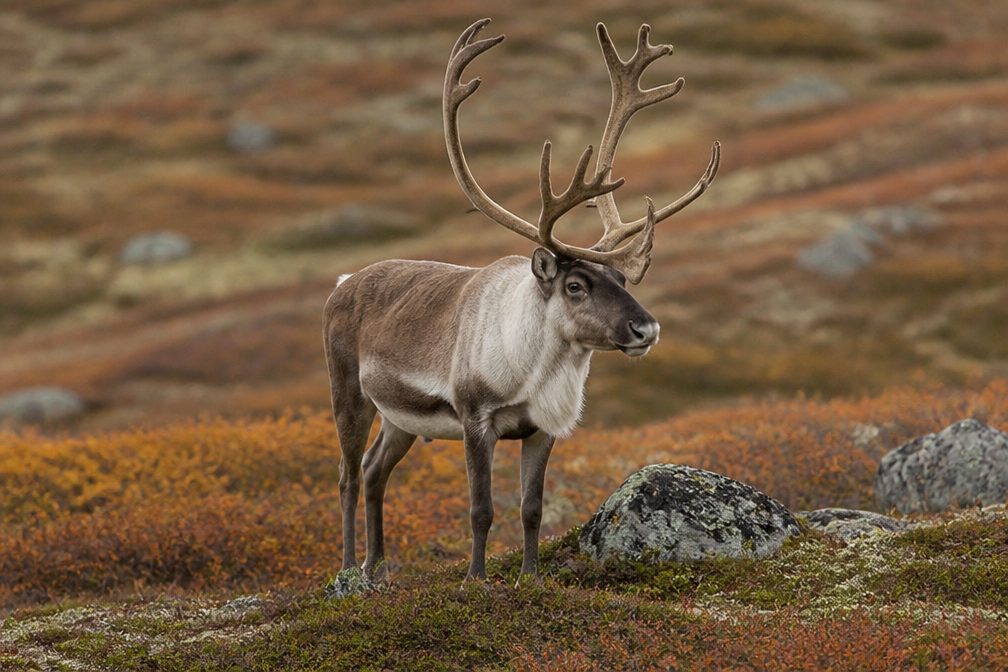
This river corridor is a good place to keep your eyes open. Visitors commonly watch for Dall sheep on nearby slopes and may encounter moose, caribou, grizzly bears, and even wolves. Early and late in the day are your best windows for wildlife activity and softer light.

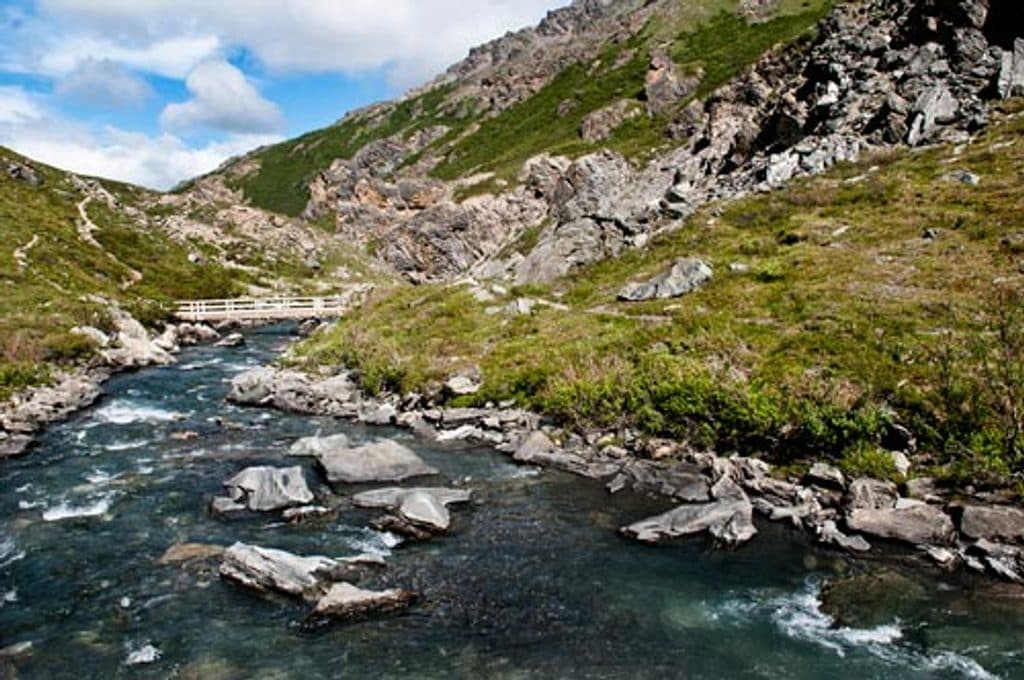
You’re in a glacially carved valley with stream terraces and a braided river working the gravel. The broad slopes and river flats make it easy to imagine how winter patrols moved between cabins—and why researchers chose this quiet mid-park perch.
Morning and evening light plays nicely on the cabin’s logs and the surrounding spruce. Frame the structure against the river and hills for context, and bring a short telephoto for details without stepping off established paths.
The cabin is not a public rental and is occasionally used by park staff. There are no services at the site. If you’re camping nearby, come self-sufficient: water treatment, layers for rapidly changing weather, and diligent food storage are all essential.