Long Pine Key

Quiet pineland hub for biking, birding, and lakeside picnics
Long Pine Key, Everglades National Park
InsideEverglades National Park

Overview

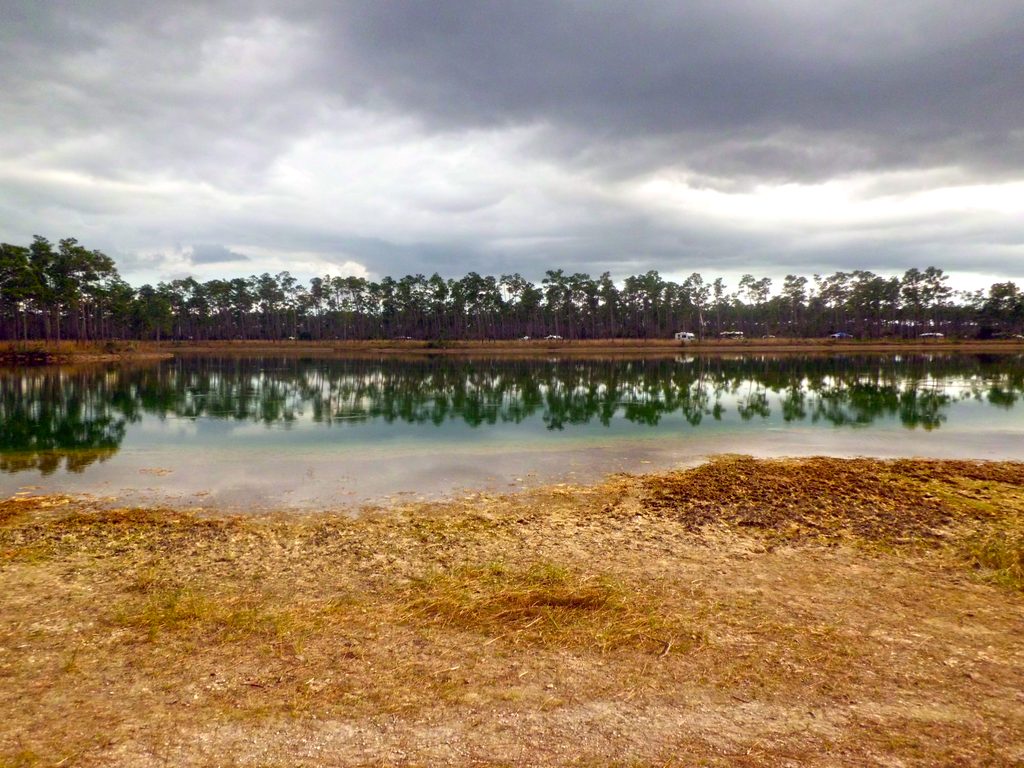
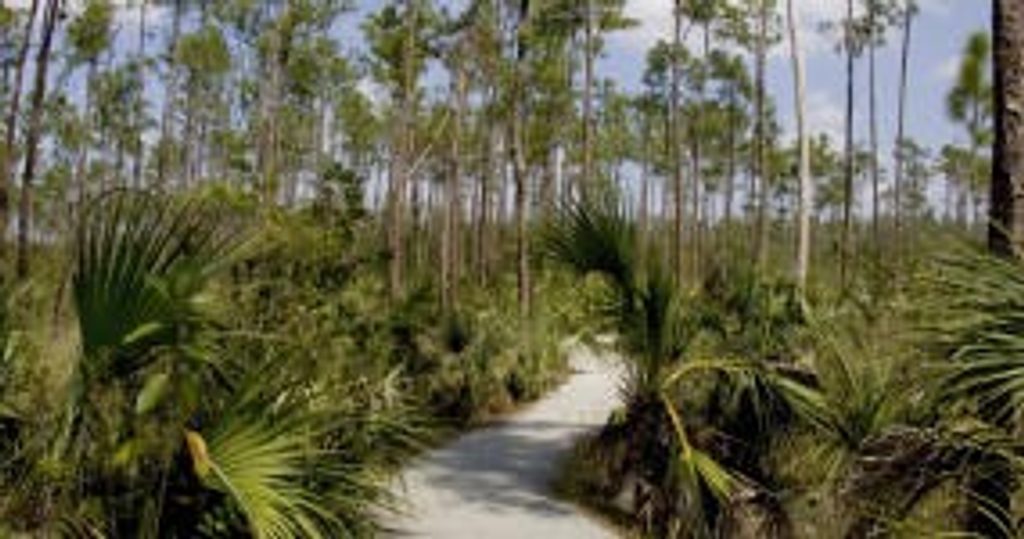
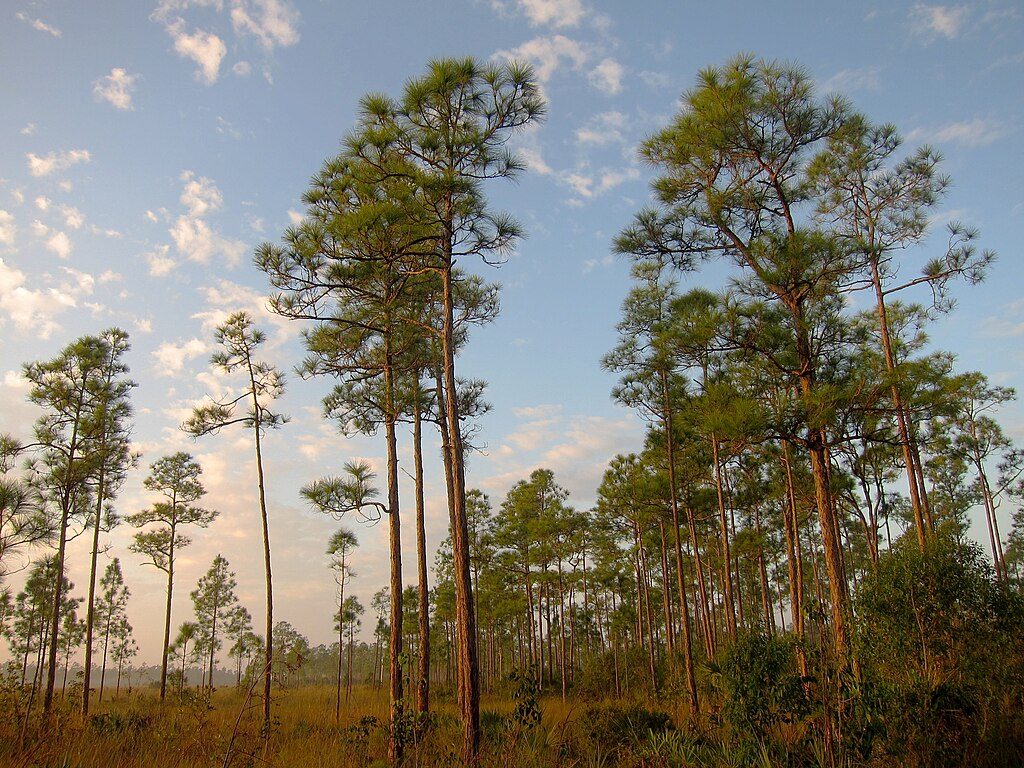
Long Pine Key is the park’s high-and-dry pineland oasis just off the main road, anchored by a quiet lake, a seasonal campground, and miles of unpaved trails. It sits atop the Miami Rock Ridge and protects the largest remaining expanse of pine rockland habitat in the U.S.—a globally rare ecosystem of airy slash pines, exposed limestone, and a quirky mix of tropical and temperate plants.

Why it’s special

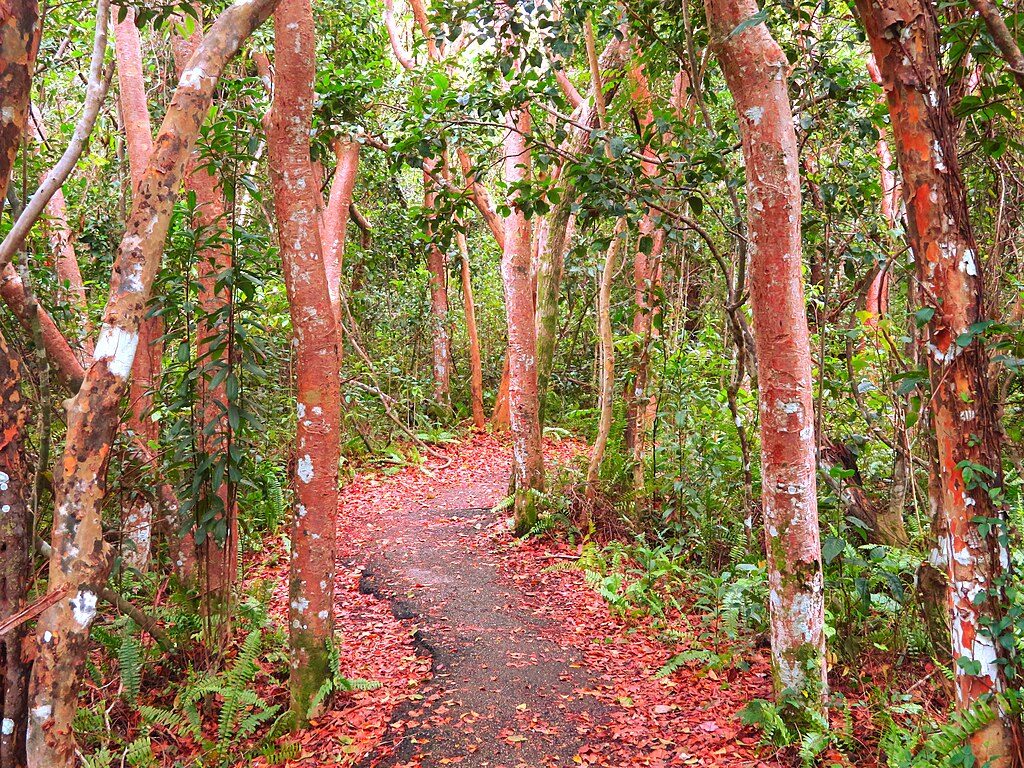
Unlike the swampy Everglades most people expect, this landscape is open, sunlit, and surprisingly diverse. The karst limestone underfoot is pocked with solution holes, and the edges where pinelands meet sawgrass prairies make for great wildlife and plant viewing. It’s one of the best places in the park to experience pine rocklands up close without crowds.

What to do

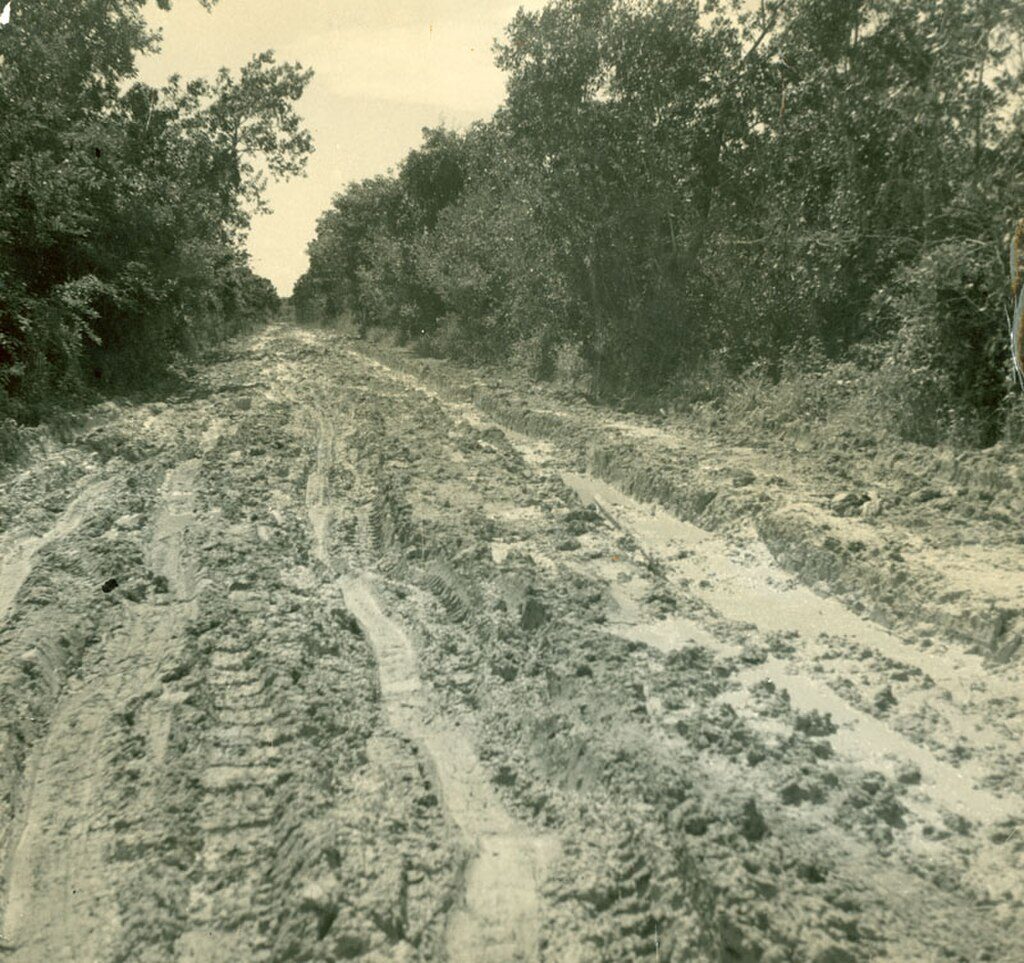
  • Bike or hike the Long Pine Key Trails: mostly flat, unpaved former roads that roll for miles through pinelands. A core route runs about 5.9 miles one way from the campground toward Pine Glades.
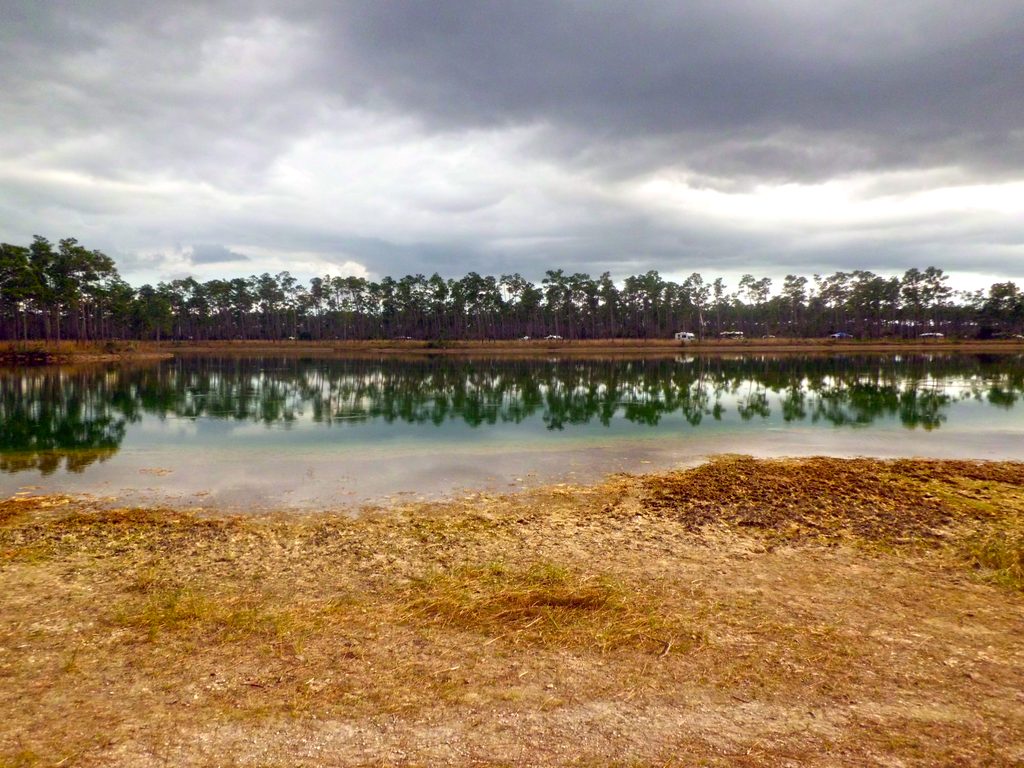
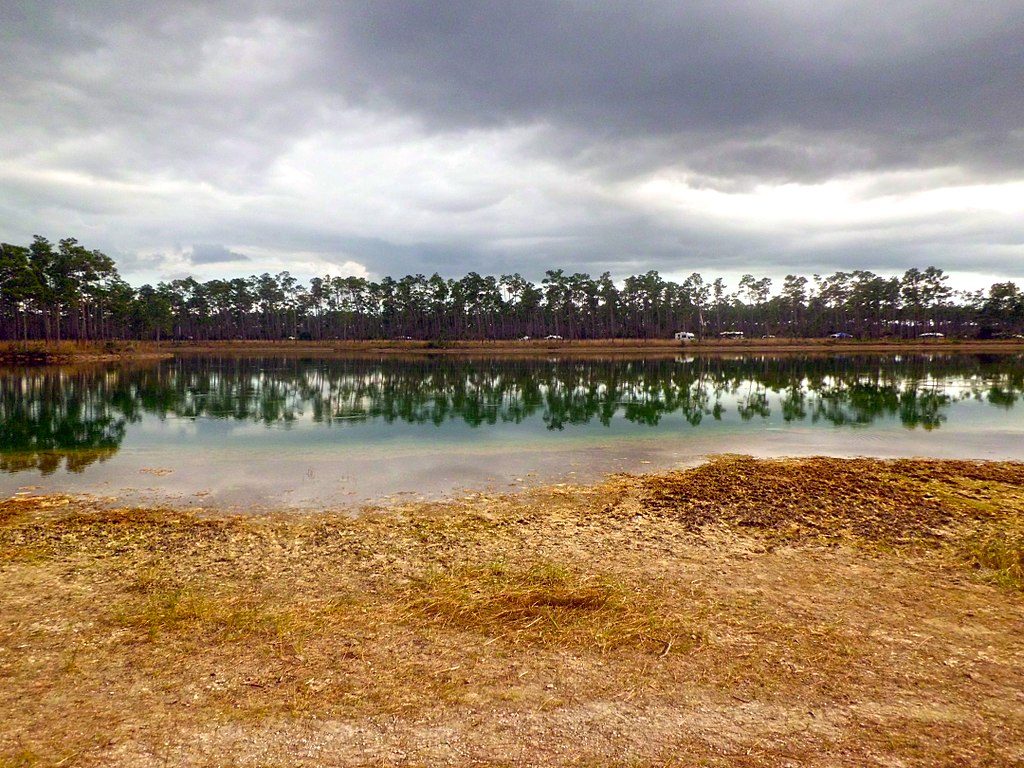
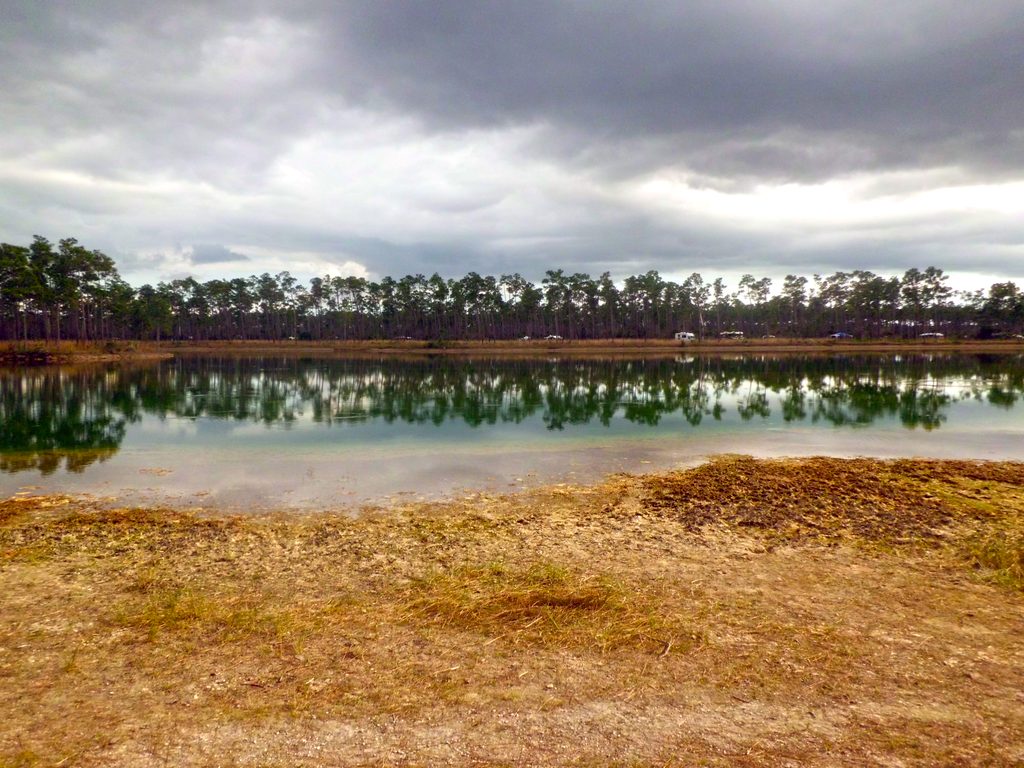
  • Linger by Long Pine Key Lake for a mellow picnic and water views.
  • Keep an eye out for colorful tree snails, woodpeckers, hawks, and owls; you might also spot frogs and turtles along the corridors.

Getting there & navigation

  • Eastern access: just north of Long Pine Key Campground.
  • Western access: from the Pine Glades Lake parking area; there’s no highway sign—driving toward Flamingo it’s the first left after the Pinelands Trail turnoff.
  • The park allows roadside parking on paved-road shoulders near gated trail junctions; use the official Long Pine Key Trails map to plan your gates and pull-offs.

Facilities & seasonality

  • The adjacent Long Pine Key Campground operates seasonally (typically November through April). It offers flush restrooms and widely spaced sites, but there’s no food, store, or gas here.

Wildlife

Birders do well in the pinelands: listen for owls at dusk and woodpeckers year-round. The understory hosts rare plants and the area is known for eye-catching tree snails after wet periods.

Best time to visit

  • Late fall through spring is prime: cooler, drier, and far fewer mosquitoes.
  • Start early for softer light, easier biking, and the coolest temps.
  • Weekdays are typically quieter; sunset light can be lovely around the lake.

Pros

  • Rare pine rockland habitat on the Miami Rock Ridge
  • Excellent unpaved network for biking and long, quiet hikes
  • Lakeside picnic area next to a seasonal campground

Cons

  • Mosquitoes can be fierce in warmer months
  • No food or store on-site—bring everything you need

Tips

  • Download the park’s Long Pine Key Trails map to plan gate access points.
  • For the western end, watch for the unmarked turn to Pine Glades Lake after Pinelands Trail when driving toward Flamingo.
  • Start early to beat the heat and the worst of the mosquitoes.
  • Bring all food and plenty of water—there are no concessions here.
  • If biking, wide tires handle the unpaved pineland roads best.
The Parkwolf tour guide sitting on a phone mounted in a car

Parkwolf Tour Guide

Like a tour guide in your car.

Save the places you found around Everglades, then let Parkwolf guide the drive between them.Download Parkwolf on the App Store