Long Pine Key Campground

Shady pine-rockland basecamp with hot showers and lakeside trails
Long Pine Key Campground, Everglades National Park
InsideEverglades National Park

Overview

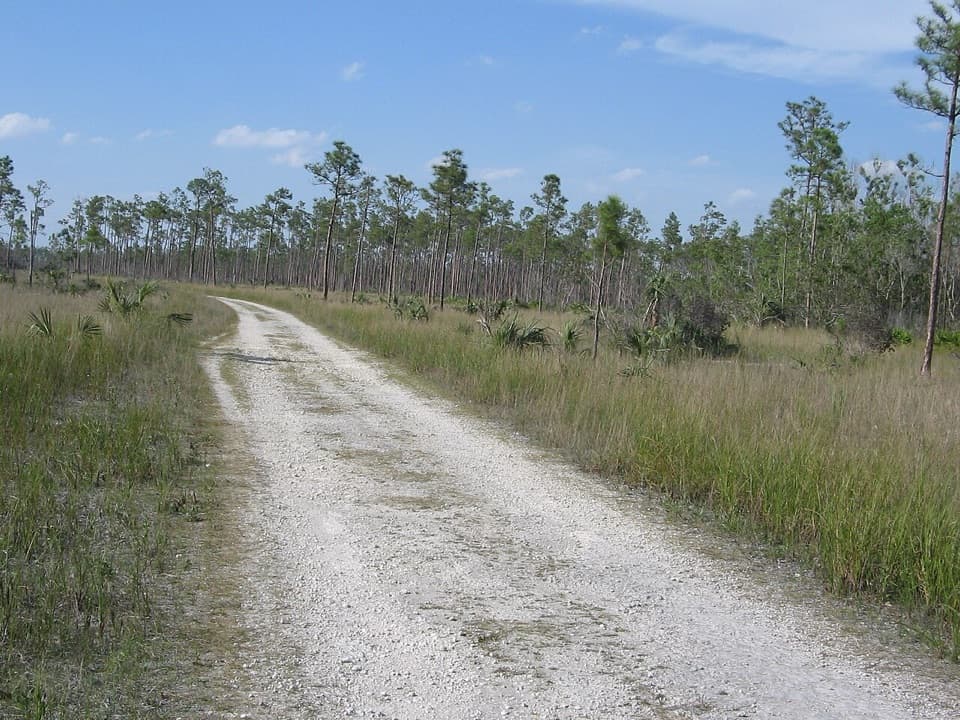
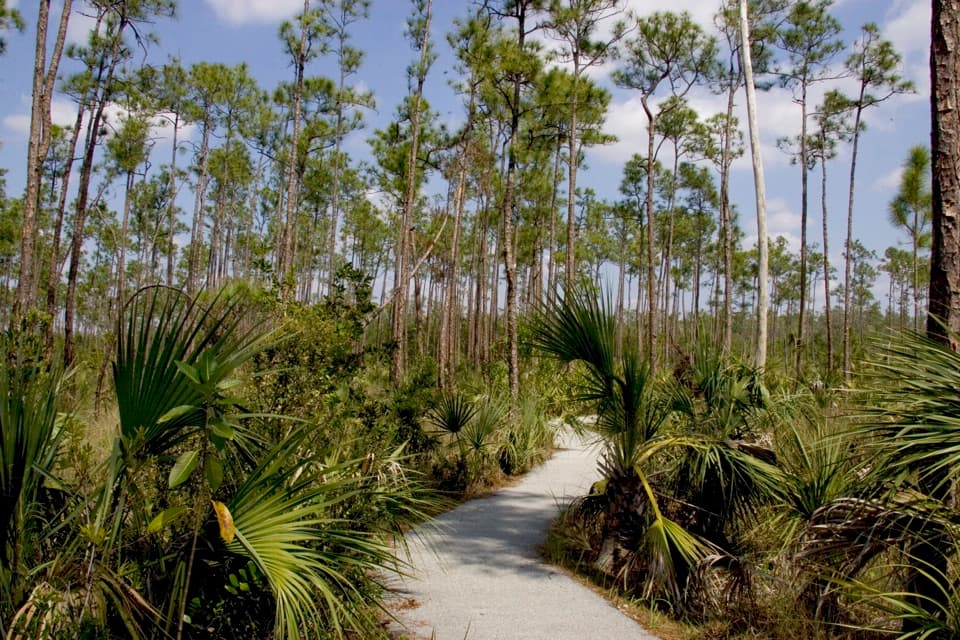
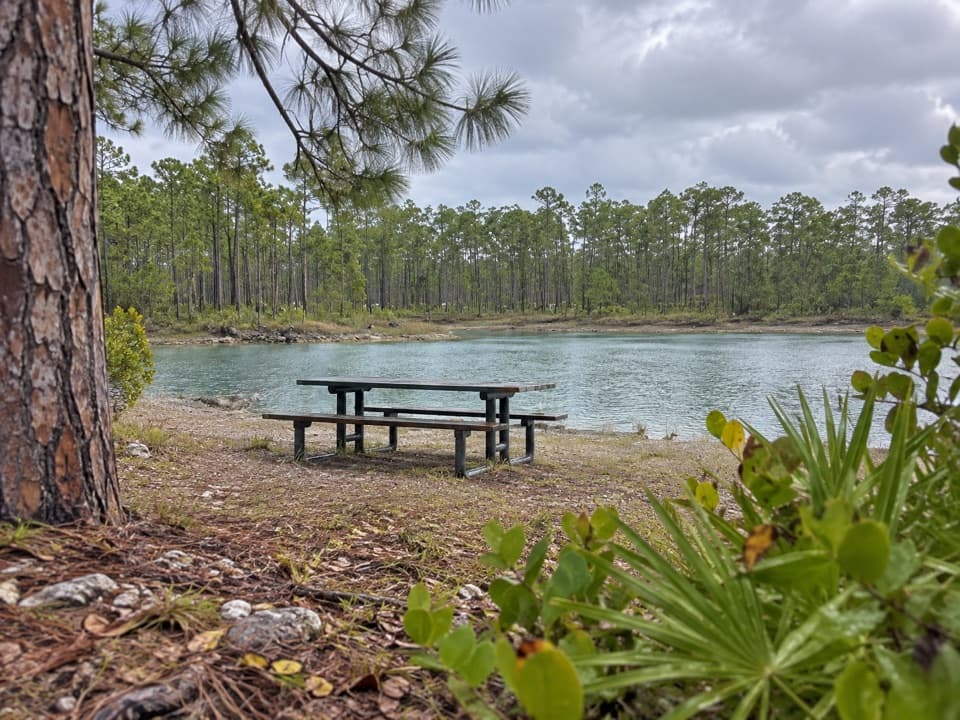
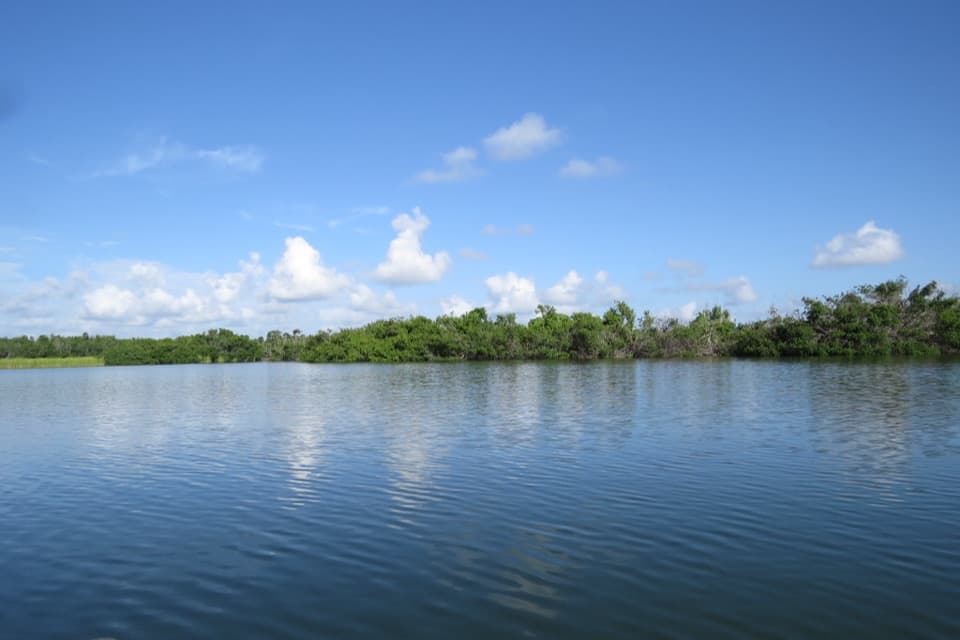
Tucked just inside the park’s east side, Long Pine Key Campground is the convenient, quieter alternative to Flamingo. Set among slash pines beside Long Pine Key Lake, it has a more sheltered, woodsy feel than the open coastal sites down south. Expect 108 individual campsites plus one group site in easy-to-navigate loops.

Setting & Vibe

You’re camping in globally rare pine rocklands—tall pines, saw palmetto, and pockets of understory that create real privacy between sites. Compared with Flamingo, this spot tends to feel calmer and more shaded. A tent-only, no‑generator zone keeps nights especially peaceful for light sleepers.

Amenities (What’s Here vs. What’s Not)

  • Restrooms with flush toilets and sinks; hot showers are available (expect occasional variability)
  • Potable water available around the campground and an RV dump station at/near the entrance
  • Picnic table and fire ring at each site
  • No electric or water hookups at sites; plan for dry camping
  • No on-site store, restaurant, gas, or WiFi

Trails, Lake, and Things To Do

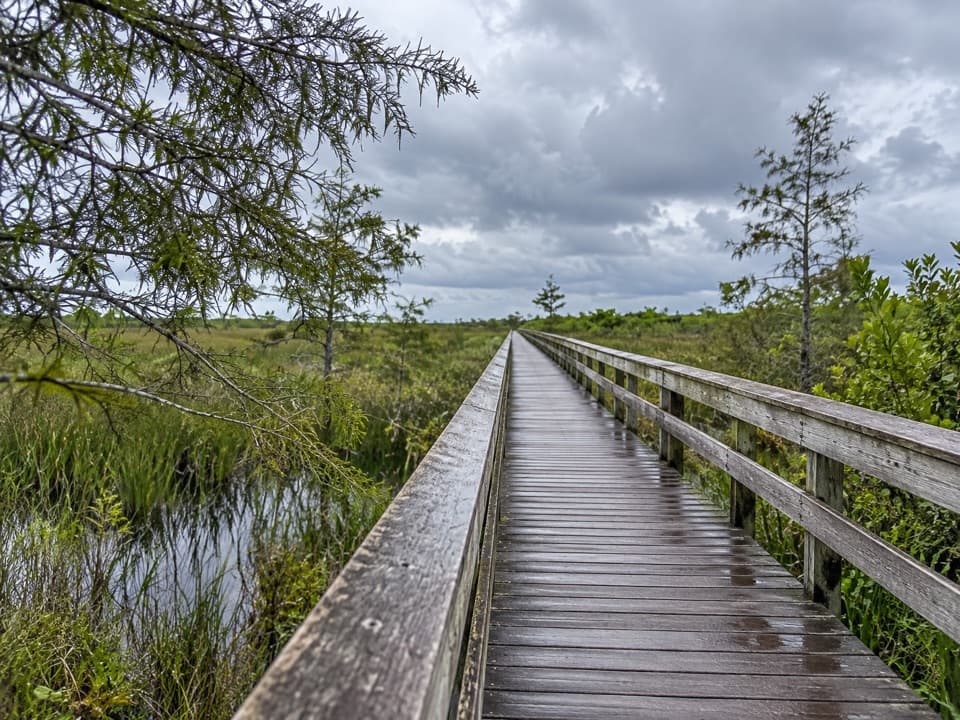
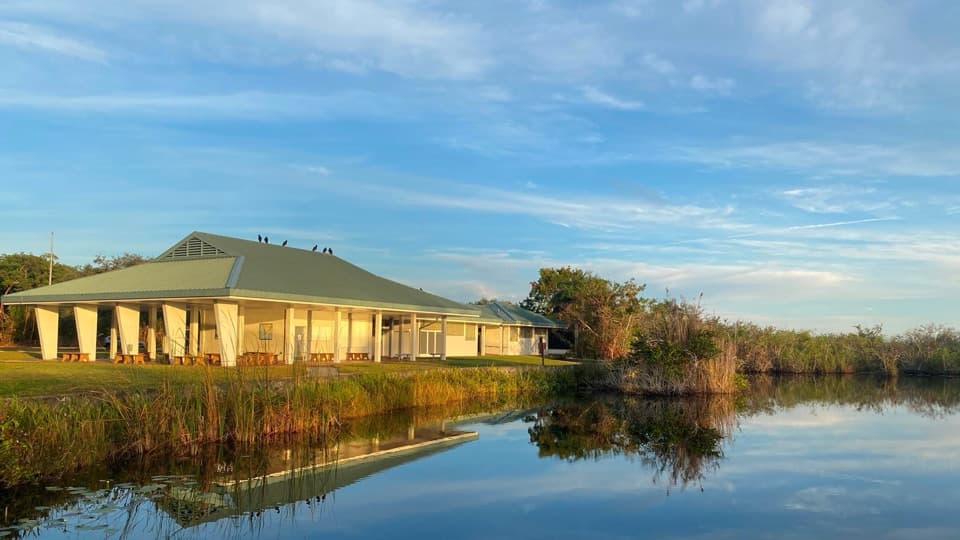
Multiple hiking and biking options radiate from the area, including the Long Pine Key Trail. The adjacent lake is a quiet spot for birdwatching and casting a line. Evening ranger programs sometimes pop up at the amphitheater—worth checking once you’re in camp.

Wildlife

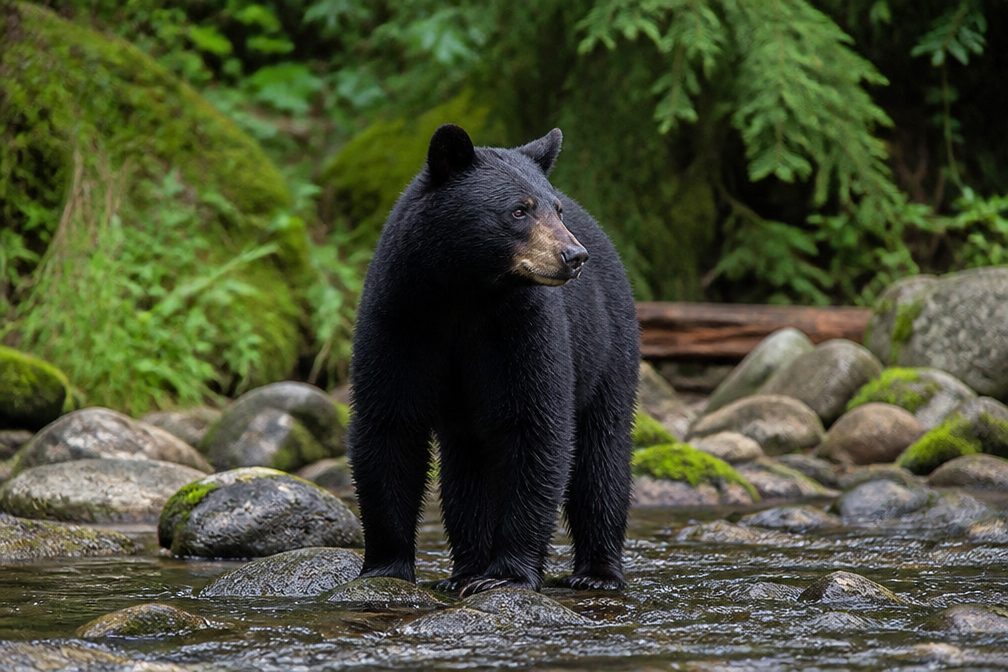
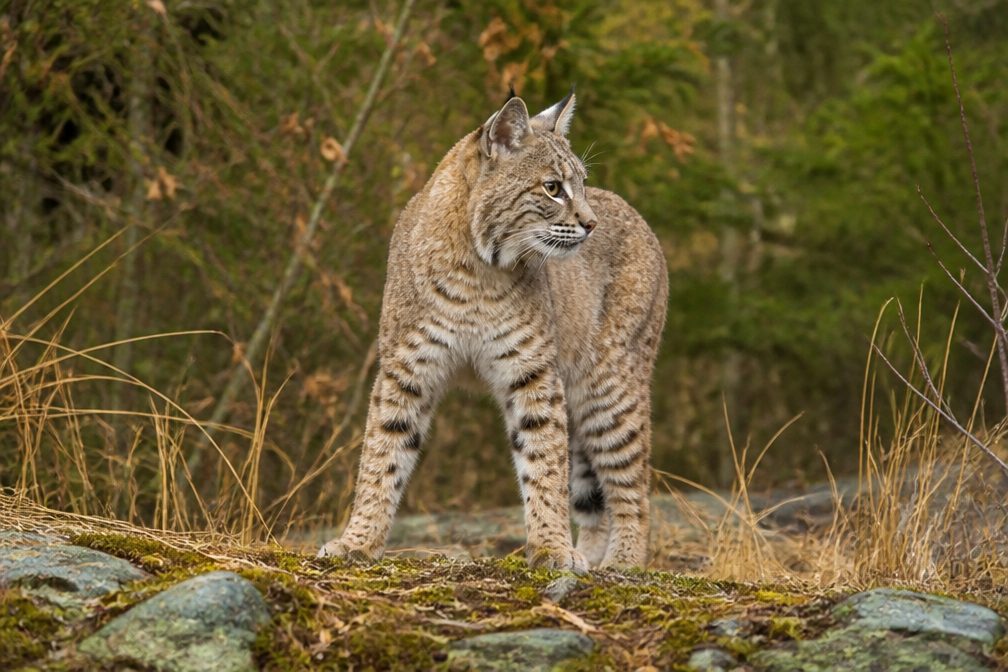
This is a solid birding base: woodpeckers, hawks, and wading birds are commonly noted. You may also spot frogs, lizards, and the occasional deer or raccoon. Nearby trails have a reputation for interesting finds like tree snails. Bring real mosquito protection—cooler months are better, but bugs are still part of the Everglades deal.

Who Will Like It

Tent campers and small to mid-size RVs do best here. If you value shade, privacy, and quick trail access over hookups and amenities, this is your spot. Big rigs can fit some sites, but many pads are short—check lengths carefully.

Best Time to Visit

  • Season: Peak is winter (roughly Nov–Apr) when temperatures drop and mosquitoes ease up.
  • Crowds: Weekends and holidays fill first; weekdays are typically quieter.
  • Daylight & Photos: Soft morning/evening light around the pine rocklands and lake is lovely; clear winter nights can deliver great stars.

Need-to-Know

  • Dry camping: plan your own power and water strategy; use the dump station on the way out.
  • For the quietest experience, aim for the tent-only area or outer-loop sites.
  • Generators are allowed in some loops during permitted hours—pack earplugs if you’re sensitive.

Pros

  • Shady, well-spaced sites in rare pine rocklands
  • Hot showers and clean restrooms
  • Tent-only generator-free area

Cons

  • No hookups and some sites are short for big rigs
  • Generators allowed in some loops can add noise
  • Mosquitoes can be bothersome outside cooler months

Tips

  • Arrive early on winter weekends and holidays—sites go fast.
  • If quiet matters, request the tent-only, generator-free area or an outer loop.
  • Bring serious mosquito protection and long sleeves, even in winter.
  • Plan for dry camping: no hookups; top off water and use the dump station on exit.
  • Check site lengths in advance if you have a larger rig.
The Parkwolf tour guide sitting on a phone mounted in a car

Parkwolf Tour Guide

Like a tour guide in your car.

Save the places you found around Everglades, then let Parkwolf guide the drive between them.Download Parkwolf on the App Store