
Place · 4 mi away
Easy
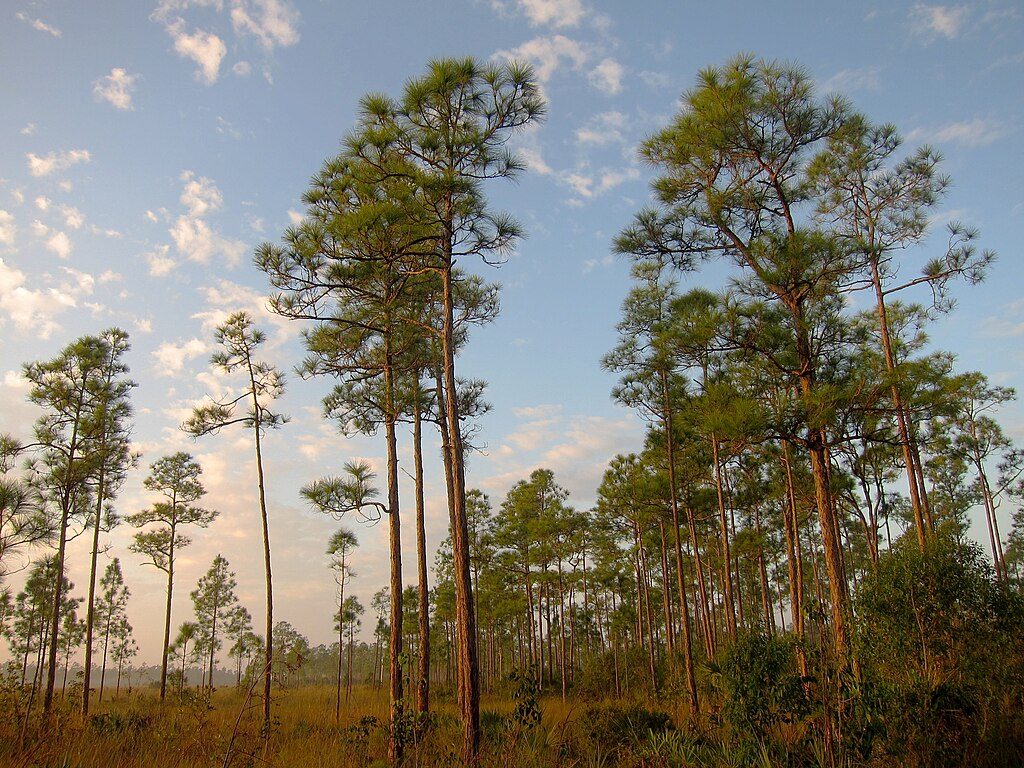
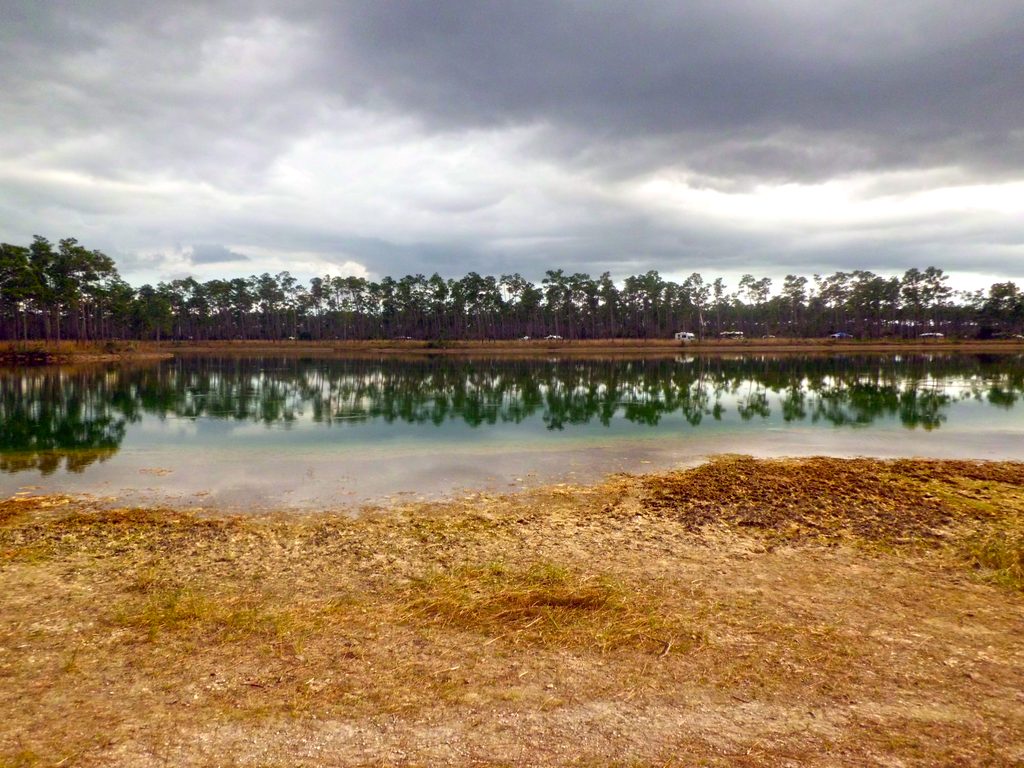
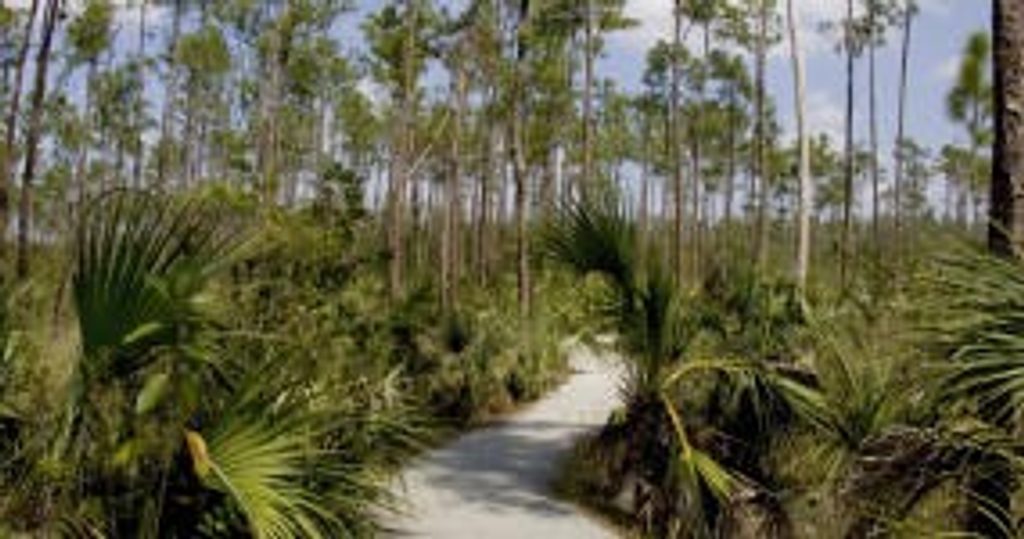
If you want a long, quiet wander (or ride) through one of the rarest habitats in the U.S., this is it. Long Pine Key Trail threads the park’s pine rocklands—open slash pine forest over rough, pitted limestone with pockets of rockland hammock and glade. It’s more about ecosystem immersion than big vistas or constant wildlife. Expect sun, solitude, and subtle geology underfoot.
Plan on about 6.1 miles one way (roughly 12.2 miles out-and-back). The corridor runs from the Long Pine Key Campground area west toward Pine Glades, with several side paths that feel similar and aren’t necessary unless you’re intentionally exploring. Bikes are allowed on the main trail (several spurs are hiking-only). Some visitors stage a vehicle for a one-way; otherwise, make it an out-and-back.
It’s essentially flat but not slick: the surface alternates between dirt and exposed karst limestone, with occasional sawgrass. Footing can be uneven and sharp—good shoes matter. There’s limited shade, and the scenery is consistent, so consider biking if you want to cover the distance efficiently.
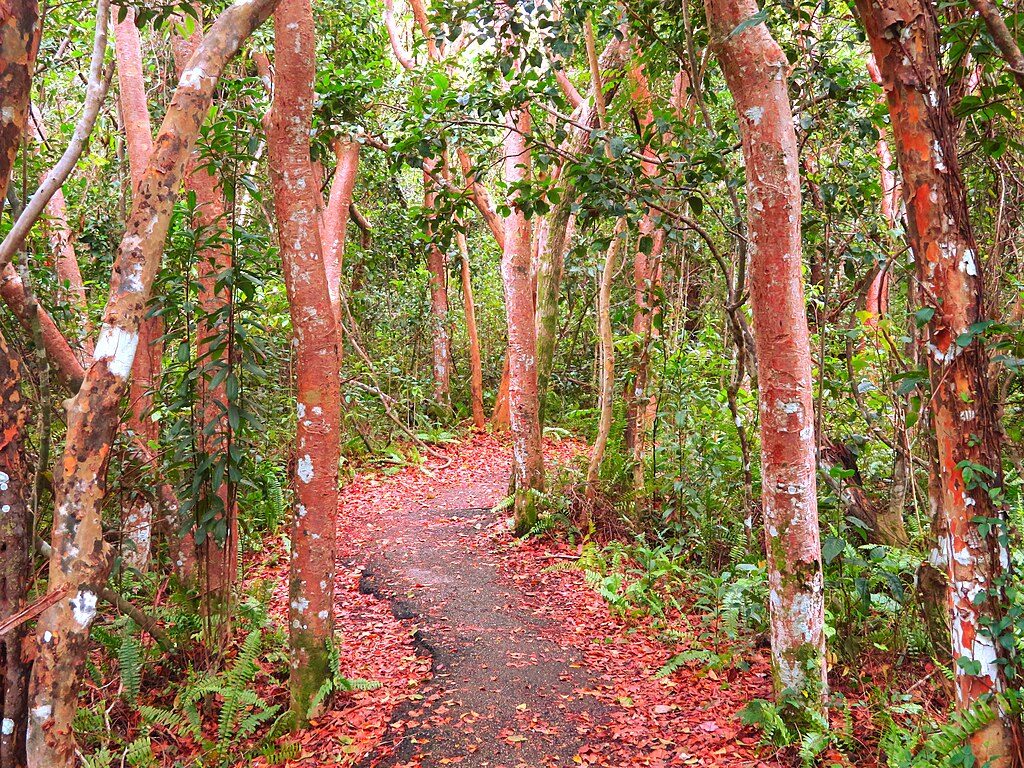
You’re walking the edge of the Miami Rock Ridge, one of the last substantial pine rocklands left in the country. Look for solution holes in the limestone and an airy pine canopy with a diverse understory of neotropical and endemic plants. Wildlife is present but not prolific; the prize sightings here are often small—like colorful Liguus tree snails—plus the occasional bird or small mammal.
Winter through early spring is the sweet spot: cooler temps, fewer mosquitoes, and the nearby Long Pine Key Campground typically operates then if you like pairing a ride or hike with camp amenities. Summer can be a sufferfest—intense heat, humidity, and aggressive mosquitoes.
Start near Long Pine Key Campground off Main Park Road, or use signed gates where the trail meets paved roads and park on the shoulder. Wayfinding is straightforward on the main corridor, but unmarked spurs exist—grab the detailed printed map from Ernest Coe Visitor Center if you plan to link segments. Wear long pants and sleeves to dodge sawgrass and poisonwood, pack plenty of water, sun protection, and bring mosquito repellent most of the year. Not ideal for young kids due to rough rock and vegetation hazards.
If you value rare ecology, quiet miles, and easy off‑road biking, it’s a solid, underrated pick. If you want dense wildlife action or dramatic scenery, you may be underwhelmed—consider a shorter sampler elsewhere and save this for a cool, breezy winter day. Need an accessible taste of the pines instead? There’s a separate, paved Pineland option nearby (different trail).
Start at Long Pine Key Campground off Main Park Road, or use signed gated junctions where the trail meets paved roads and park on the shoulder.
Intense sun, heat, and mosquitoes outside winter; sharp limestone and sawgrass; poisonwood present—wear long sleeves/pants. Several unmarked spurs—carry a detailed map. Not recommended for young children.
Place · 4 mi away
Place · 4.6 mi away
Place · 4.7 mi away
Place · 4.7 mi away
Easy · 2.6 mi away
Easy · 4 mi away
Moderate · 7.6 mi away
Easy · 7.8 mi away

Parkwolf Tour Guide
