Best time to visit
There are no set hours or crowds to strategize around—you experience Breaksea Island when your small vessel transits the mouth of Breaksea Sound. Timing is weather and sea-state dependent, and visits remain small-scale by design.

Sight · Fiordland National Park
Remote sanctuary island with penguins and albatross seen from small boats
Overview
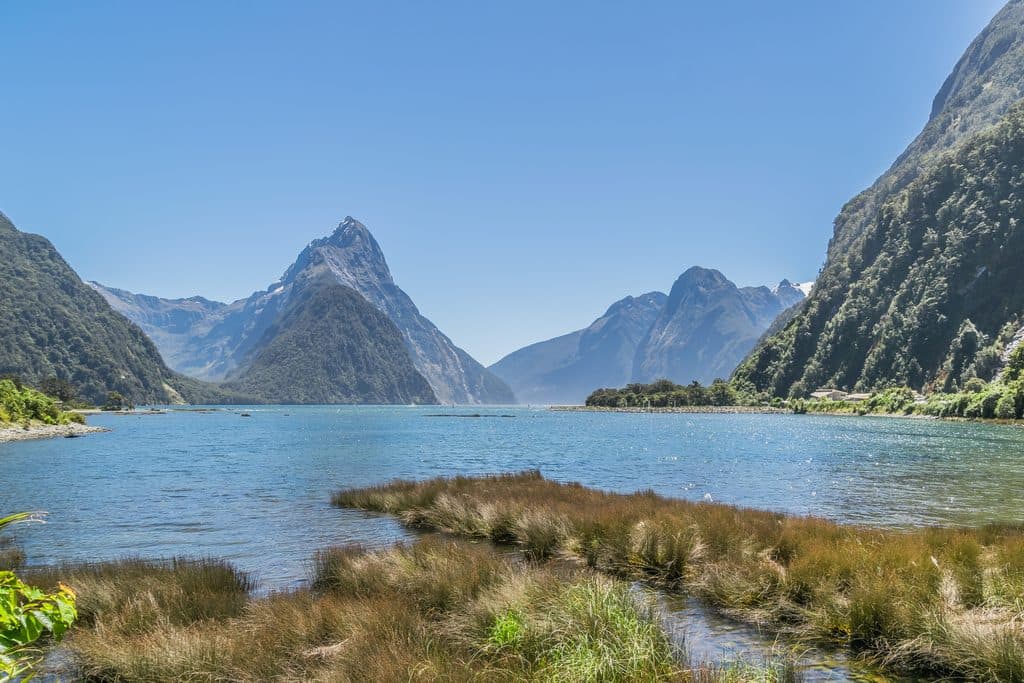
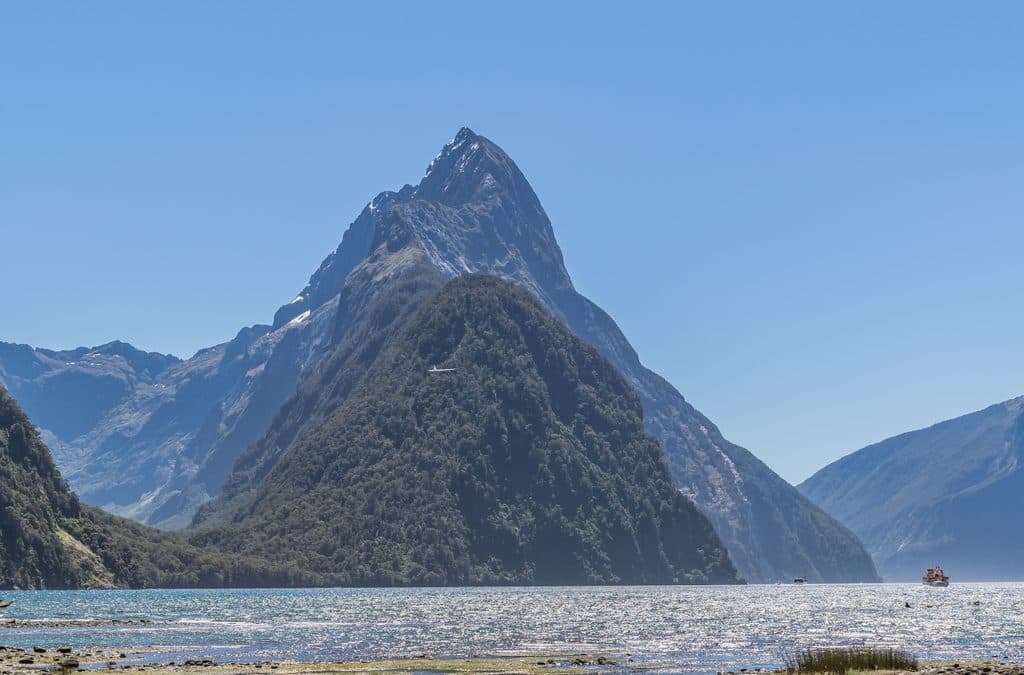
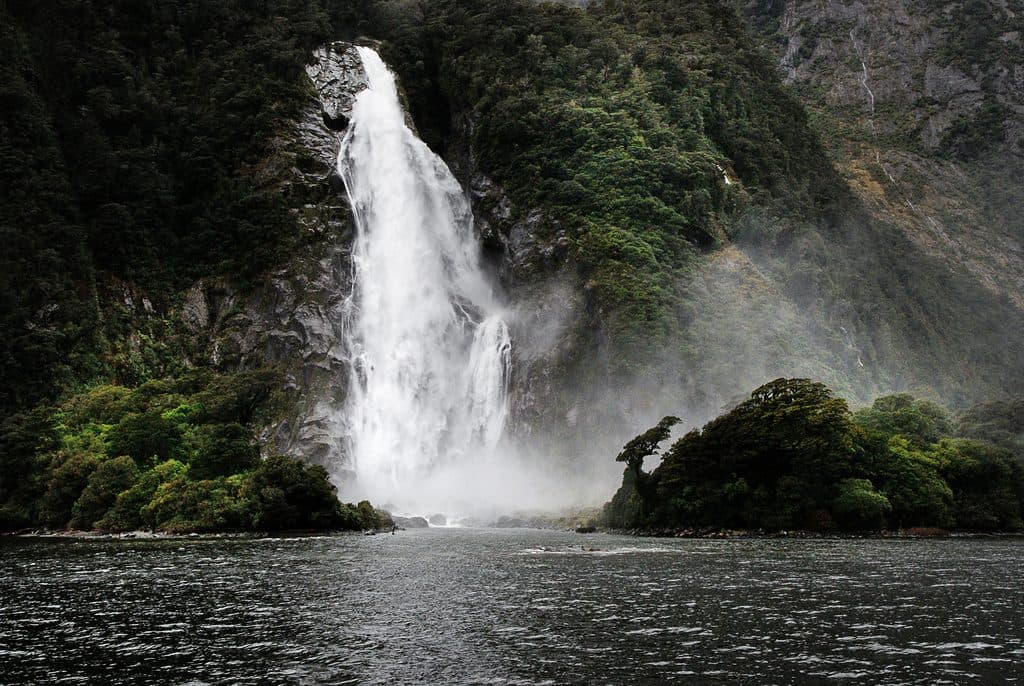
Guarding the entrance to Te Puaitaha / Breaksea Sound, Breaksea Island is a steep, rugged, wind-battered lump of rainforest and cliffs. It’s famed not for visitor infrastructure (there is none) but for its conservation story and the wild, dramatic scenery you take in as your boat slips past toward Acheron Passage between Resolution Island and the mainland.
In 1988, Breaksea Island became a global conservation milestone when Norway rats were eradicated here—one of the first successes at this scale. That breakthrough helped shape modern island restoration, and the island has since rebounded as a haven for native species.
 Parkwolf’s verdictWhy it’s special
Map
Local know-how
Experience it on a small-ship itinerary that transits Breaksea Sound.
Bring binoculars and a long lens—wildlife viewing is boat-based.
Ask your operator about conservation history as you pass the island.
If a landing is permitted, follow strict biosecurity protocols.
Build weather flexibility into plans; sea conditions can change quickly.
Plan your stop
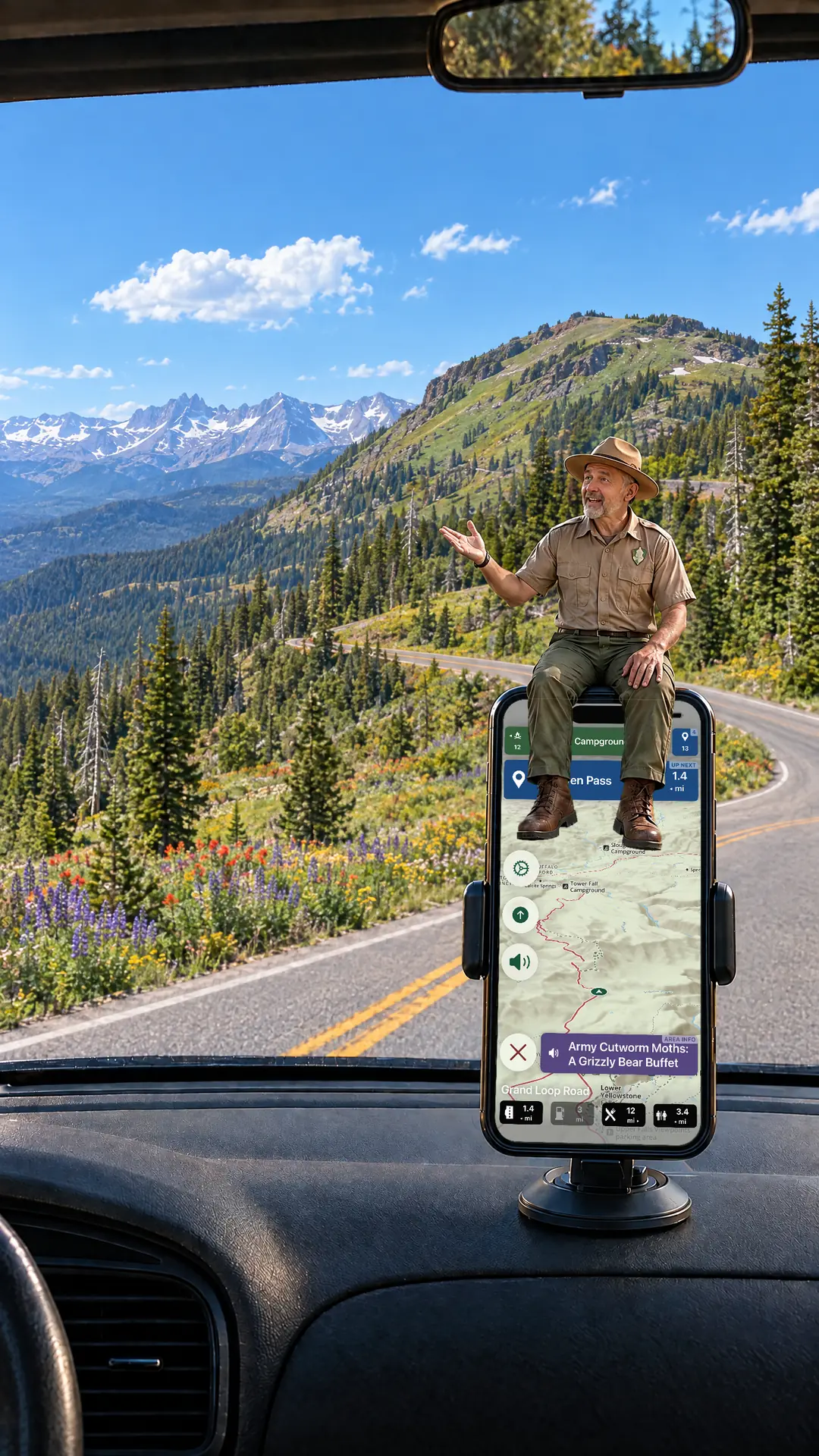
The highest, rockiest slopes around here are a summer buffet for grizzly bears.
Fiordland Tour Guide
Parkwolf is a GPS audio tour guide for Fiordland National Park. As you drive, it chimes in with what’s ahead: hidden gems, upcoming stops, history, geology, and wildlife, right through your car’s speakers.
See the Fiordland audio tour“Fantastic app with many points of information… It’s great to just turn on while you’re driving and it gives you an audio tour of the national Park. We love it!!!!”


Guide
Expect craggy coastline, dense temperate rainforest, and big-fiord mood. Wildlife highlights commonly noted on this transit include albatrosses (White-capped, Wandering, Southern Royal, Buller’s), Cape petrels, and sooty shearwaters. A colony of Fiordland crested penguins is reported on the island, and regional cruises often encounter bottlenose dolphins and New Zealand fur seals in the area.
Before the late 1980s, rats hammered the island’s native fauna. The eradication effort—hundreds of bait stations across brutal terrain—removed them and set the template for similar projects throughout New Zealand. The result: a far safer sanctuary for birds and invertebrates, and a living case study in ecological restoration.
Wildlife
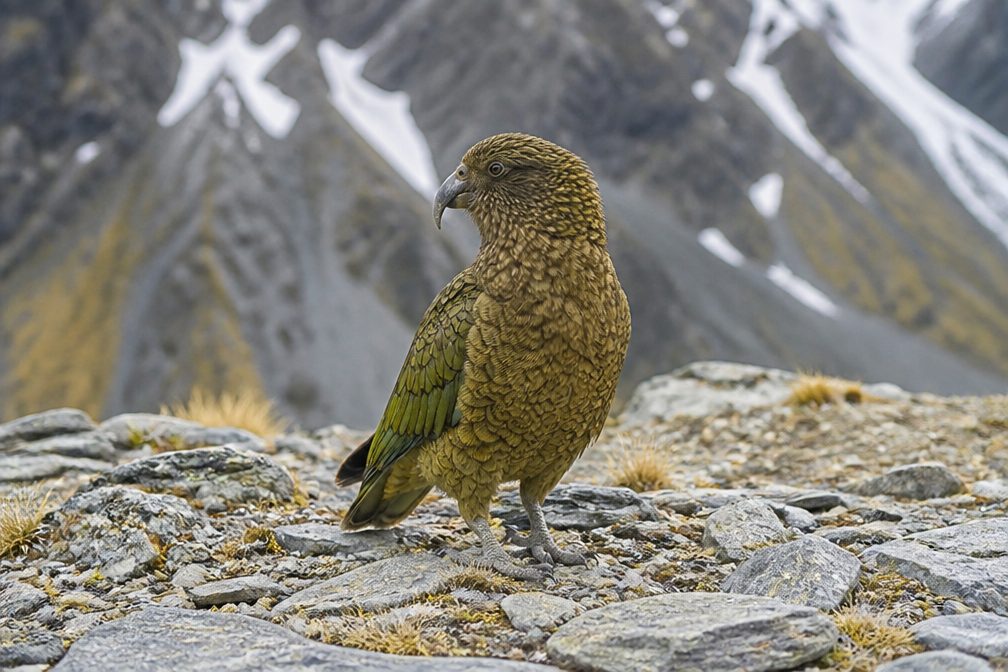 1,181 sightingsKeaMost seen around 10 AMSighting map
 199 sightingsFiordland PenguinMost seen around 7 PMSighting map
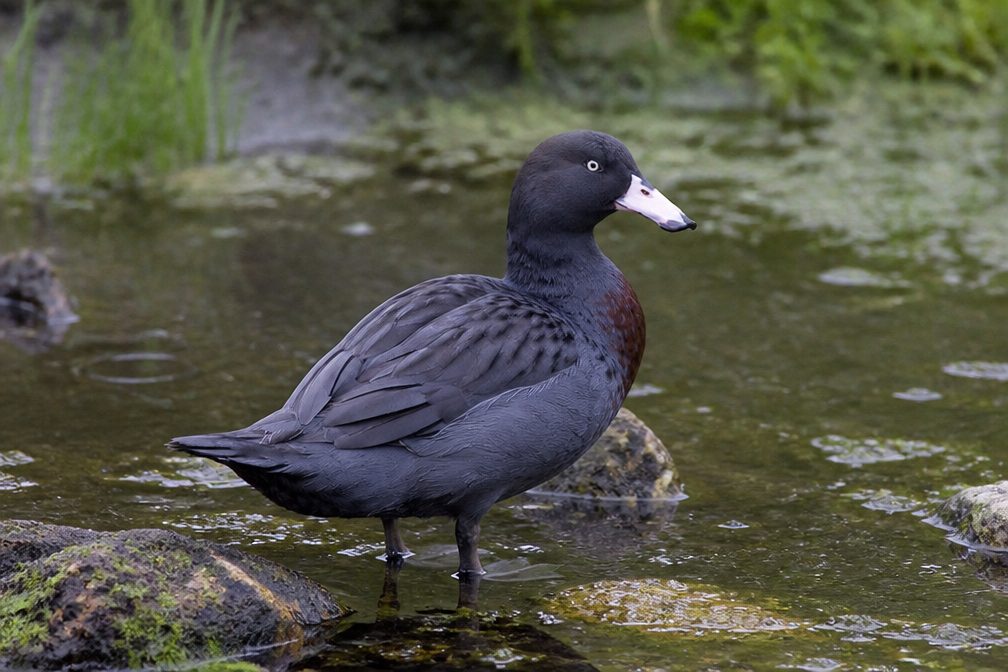 228 sightingsBlue DuckMost seen around 5 PMSighting map
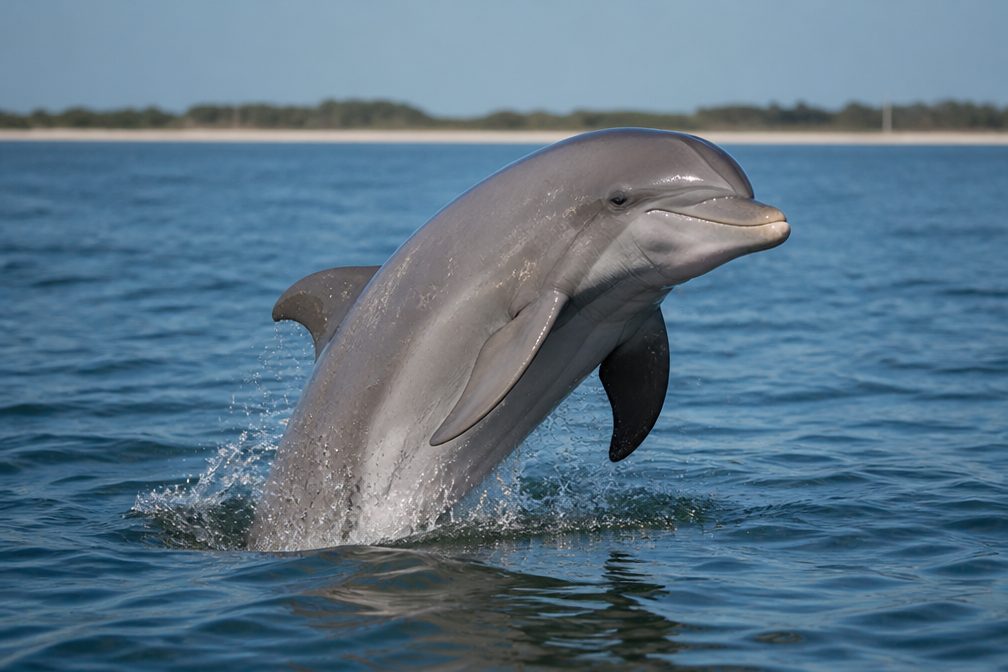 32 sightingsBottlenose DolphinMost seen around 5 PMSighting map
 247 sightingsNew Zealand Fur SealMost seen around 6 PMSighting map
 58 sightingsKākāMost seen around 6 PMSighting map
Sighting maps show where each species has been reported across Fiordland. Wildlife moves, so no sighting is guaranteed.
Parkwolf’s Fiordland ranking
The audio tour guide for the drive, plus offline maps, trails, and wildlife heatmaps for when the signal drops.