Milford Sound / Piopiotahi

Iconic fiord of sheer cliffs, thunderous falls, and frequent wildlife
Milford Sound / Piopiotahi, Fiordland National Park
InsideFiordland National Park

Overview

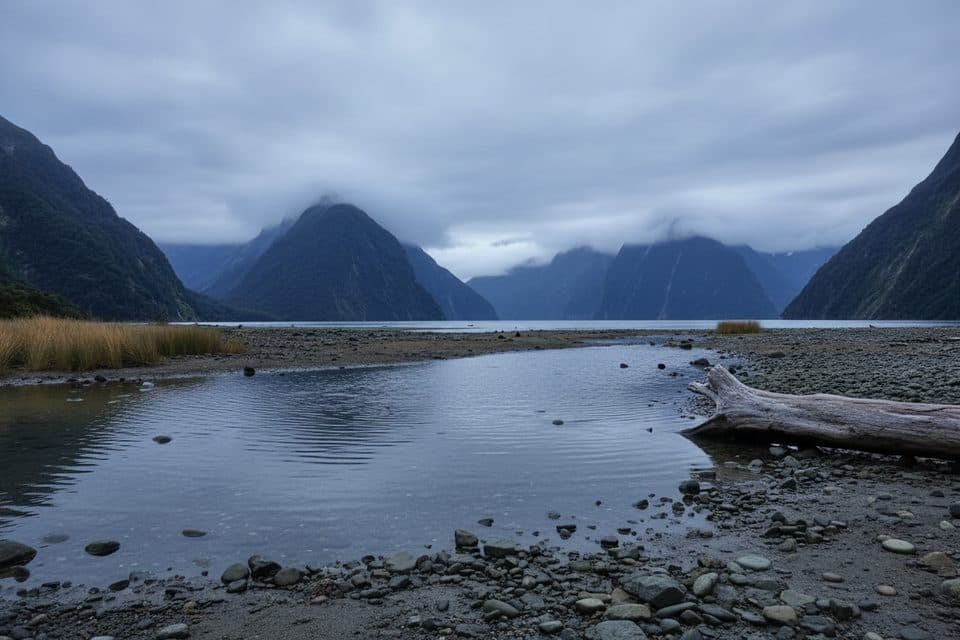
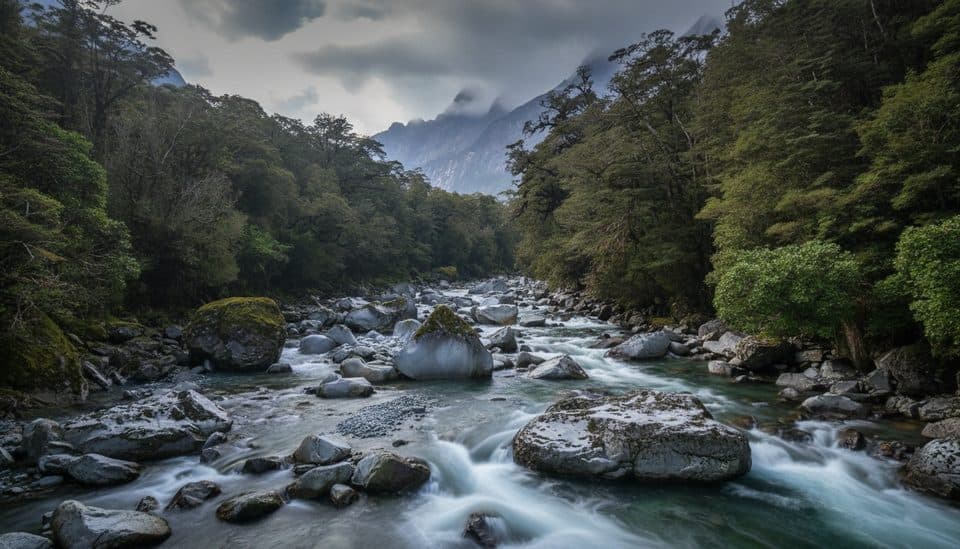
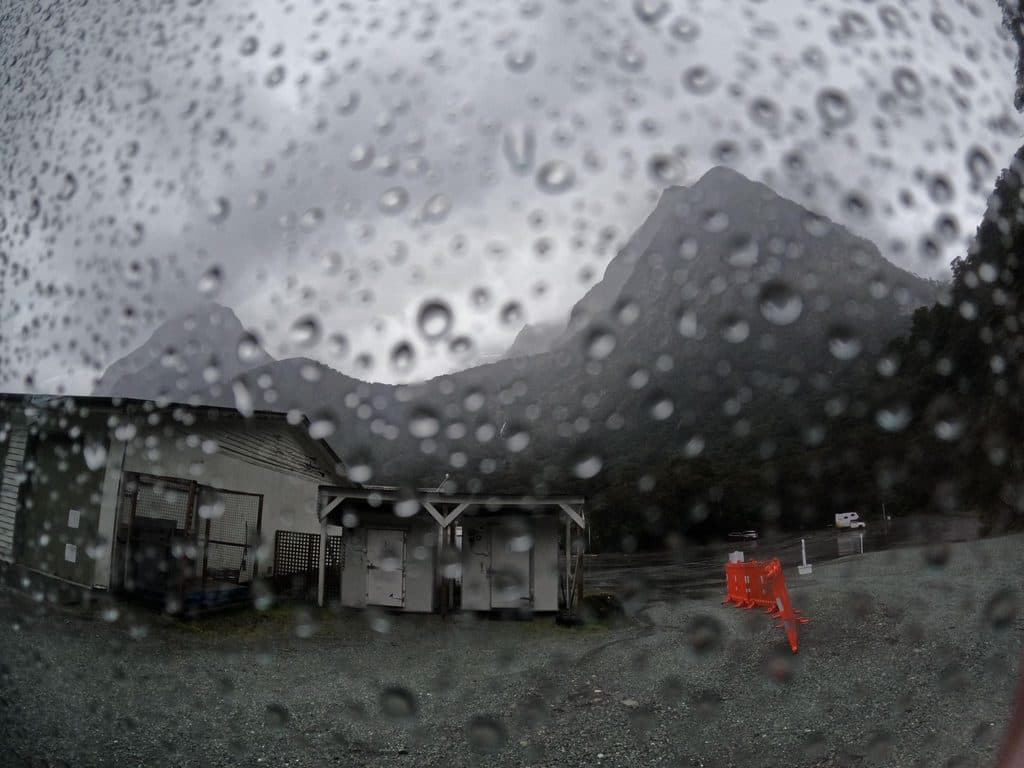
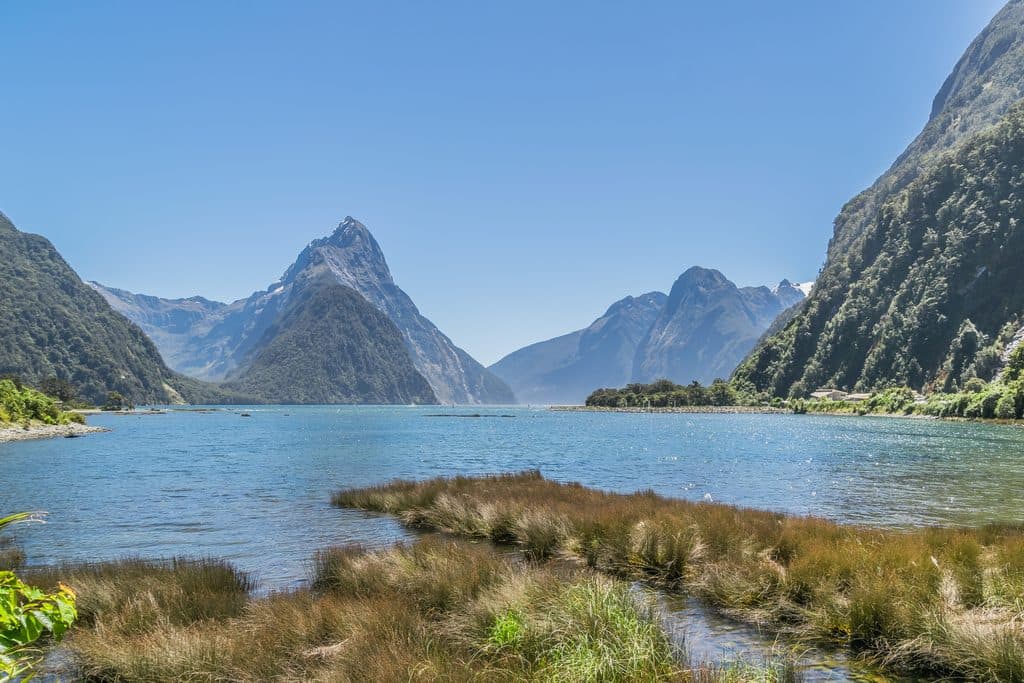
Milford Sound / Piopiotahi is the headline act of Fiordland: a deep, glacially carved fiord running to the Tasman Sea, hemmed by sheer rock walls and temperate rainforest. Even on grey days (especially on grey days), the place feels otherworldly—waterfalls ignite the cliffs and mist threads between summits.

What makes it special

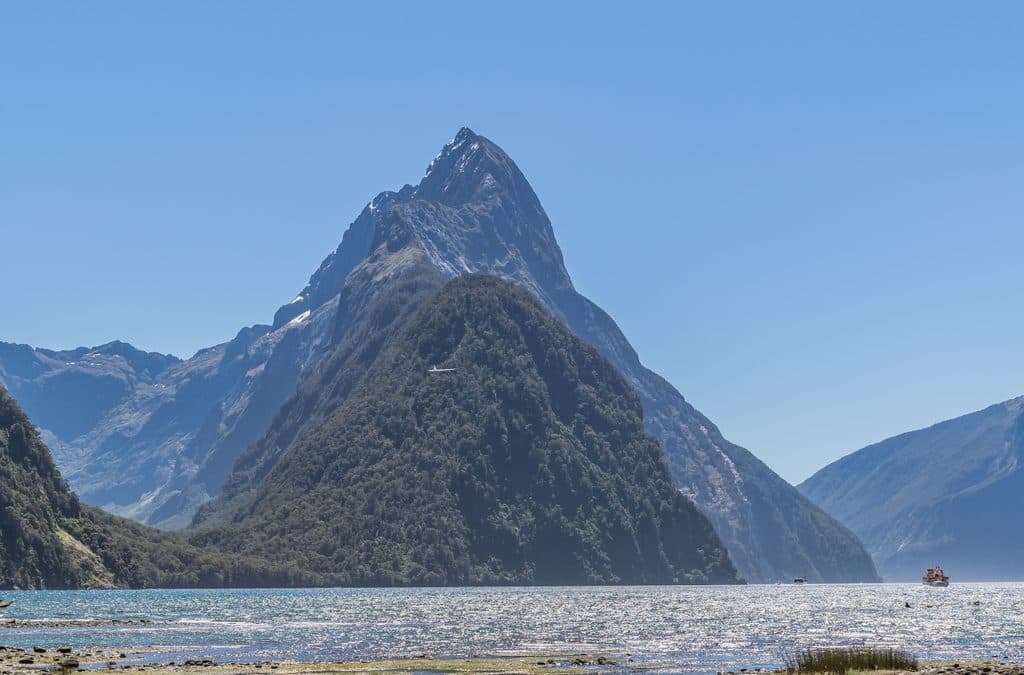
  • Mitre Peak towers above the water, the instantly recognizable skyline of the fiord.
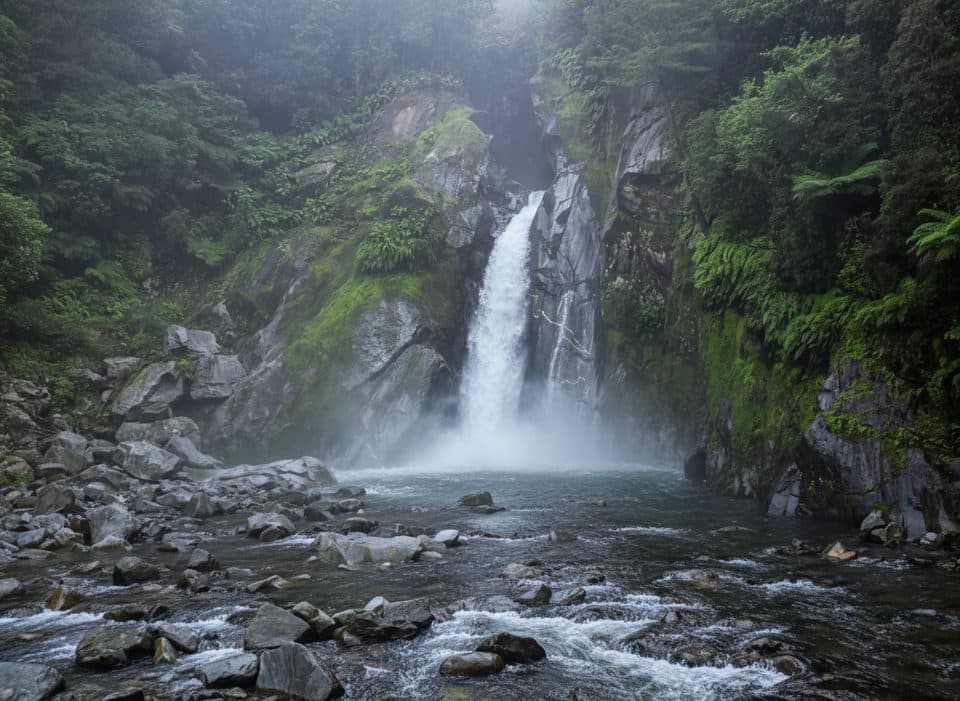
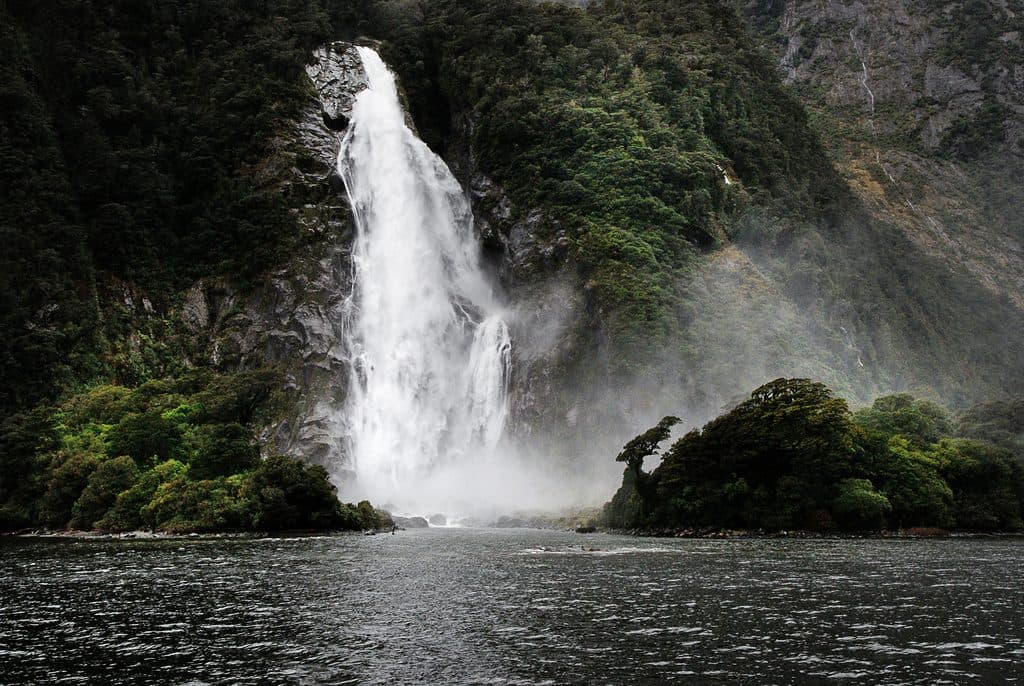
  • Permanent cascades like Stirling and Bowen Falls anchor the scene, while rain conjures hundreds more.
  • A tannin‑stained freshwater layer sits atop seawater, creating low‑light conditions that bring deep‑water species like black coral unusually close to the surface.

Best ways to experience it

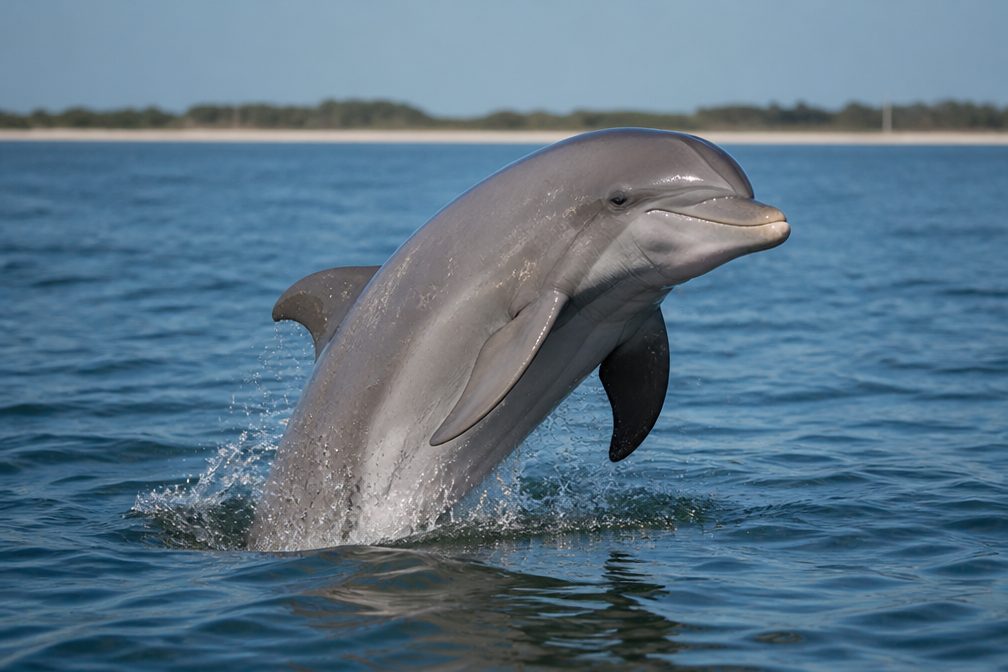
  • Boat cruises are the classic view: you’ll glide beneath cliffs, nose into spray, and often meet dolphins and seals.
  • Kayaking trades speed for intimacy—quiet coves, sea‑level perspectives, and more time with wildlife.
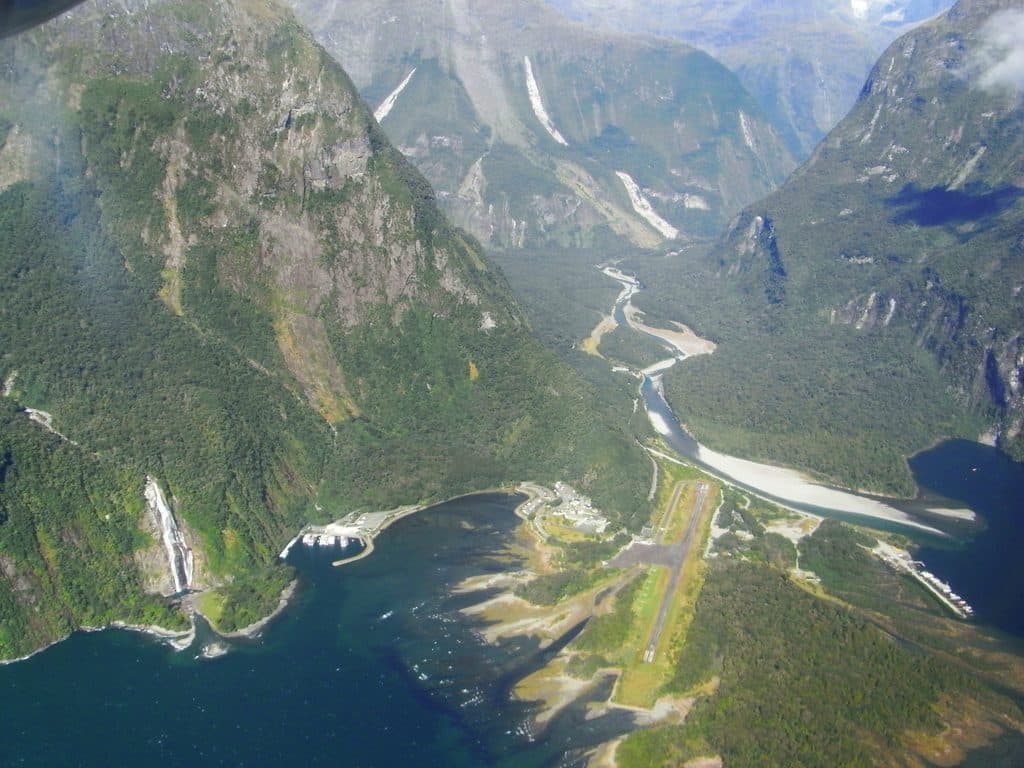
  • Scenic flights (plane or heli) stitch the whole landscape together if you want the grand aerial story.
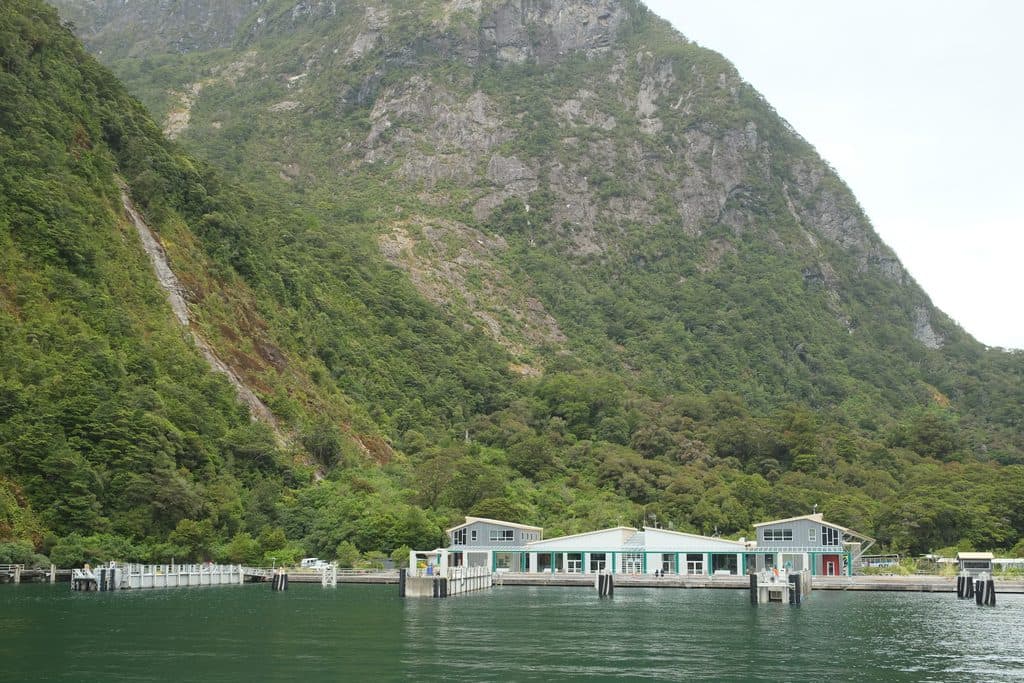
  • On shore, short walks at the foreshore give postcard views; the famous multi‑day Milford Track ends here.
  • The Milford Discovery Centre’s underwater observatory lets you peek into that unique “blackwater” world.

Wildlife

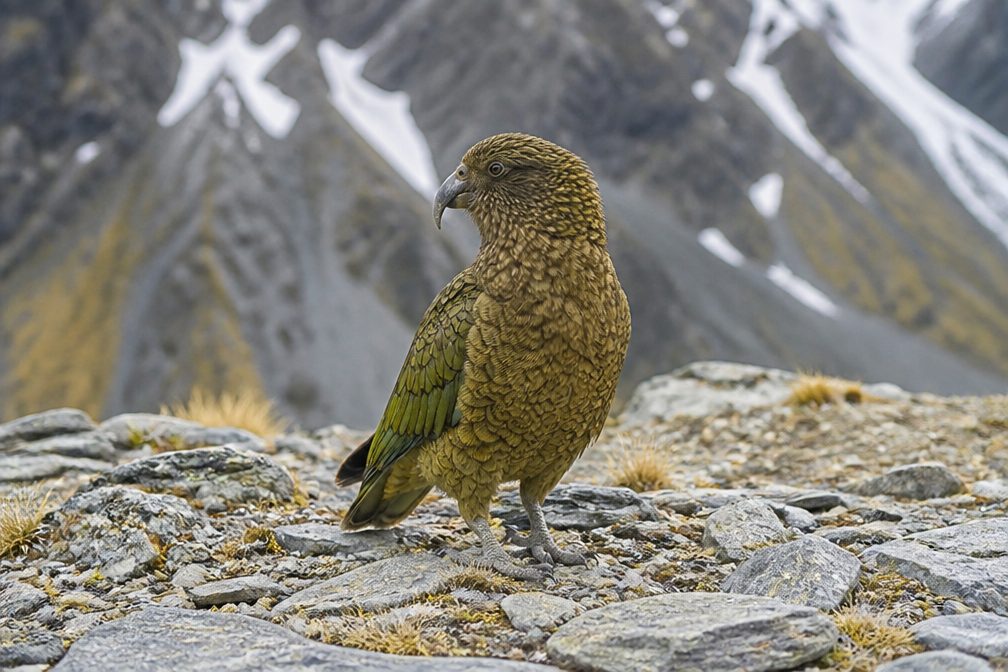
Expect New Zealand fur seals hauled out on rocks and frequent bottlenose dolphins riding bow waves. With luck, you may spot Fiordland crested penguins (tāwaki). Birdlife spills from the rainforest too, and kea sometimes patrol the high country approaches.

Practicalities you should know

It’s one of the wettest corners of the planet—bring proper rain gear and protect your camera. Sandflies are notorious; repellent is essential. Services are limited at the head of the fiord: there’s a lodge with food and the area’s only campervan campground, but no gas station or general store. The Milford Road drive is a highlight in itself but can be slow or hazardous in bad weather; check conditions and allow plenty of time.

History & geology in a nutshell

Māori knew this place as Piopiotahi, named for the now‑extinct piopio bird, and wove it into legends of Māui. European naming followed later. The landscape you see was sculpted by ice—glaciers quarried hard granite and gneiss into over‑steepened valleys that the sea later flooded, creating the fiord (not technically a “sound”).

Best time to visit

  • Time of day: Early morning and late afternoon cruises are quieter and often moodier for photos.
  • Season and weather: Rain supercharges the waterfalls and the atmosphere; clear days give big mountain views. Winter can be magical but brings road and weather risks.
  • Crowds: Summer midday departures are the busiest—book ahead if that’s your only slot.

Pros

  • Jaw‑dropping fiord scenery with Mitre Peak, cliffs, and year‑round waterfalls
  • Regular wildlife sightings on the water—dolphins, fur seals, and seasonal penguins
  • Multiple ways to experience it: cruises, kayaking, scenic flights, and an underwater observatory

Cons

  • Extremely wet climate and frequent low cloud
  • Busy at peak hours; limited on‑site services and a long drive
  • Sandflies can be relentless

Tips

  • Book your cruise or kayak tour in advance, especially in summer.
  • Bring serious rain gear and a dry bag—rain is the rule, not the exception.
  • Use sandfly repellent and cover up at the foreshore and on calm days.
  • Fuel up and stock snacks in Te Anau; there’s no gas or general store at the sound.
  • Aim for early morning or late afternoon to dodge the biggest crowds and harsh light.
The Parkwolf tour guide sitting on a phone mounted in a car

Parkwolf Tour Guide

Like a tour guide in your car.

Save the places you found around Fiordland, then let Parkwolf guide the drive between them.Download Parkwolf on the App Store