Doubtful Sound / Patea

Remote, hushed fiord with waterfalls and dolphins, reached by tour only
Doubtful Sound / Patea, Fiordland National Park
InsideFiordland National Park

Overview

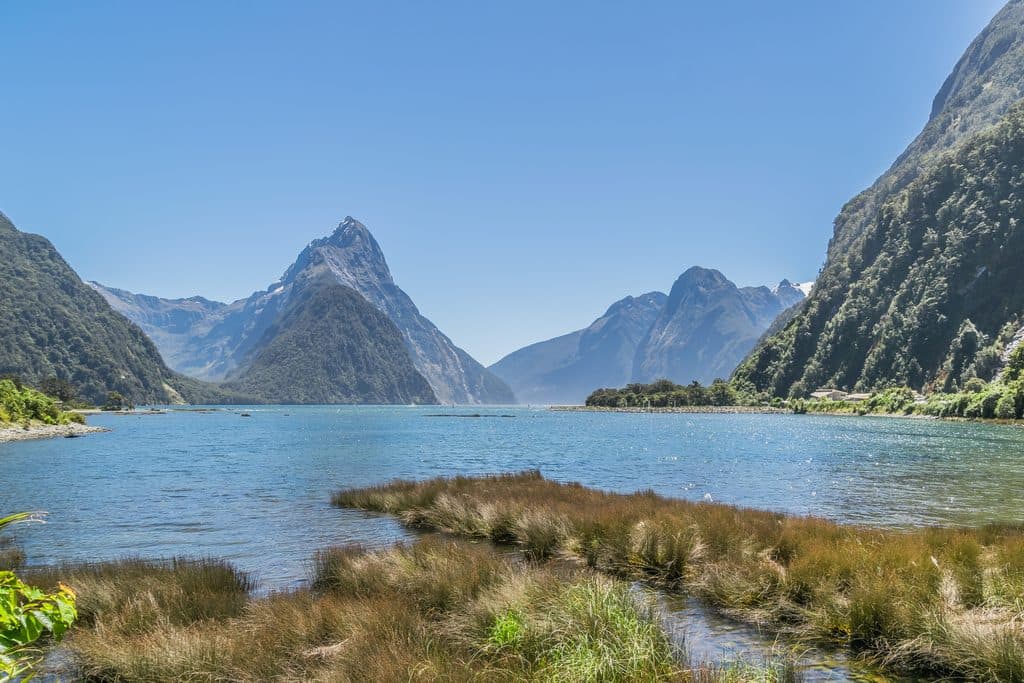
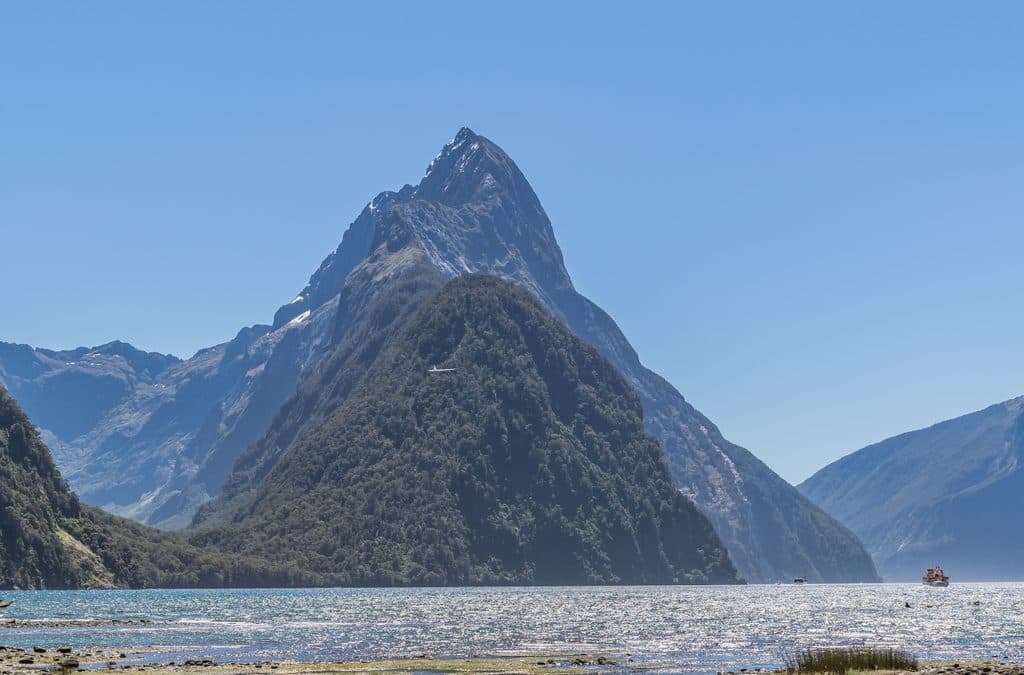
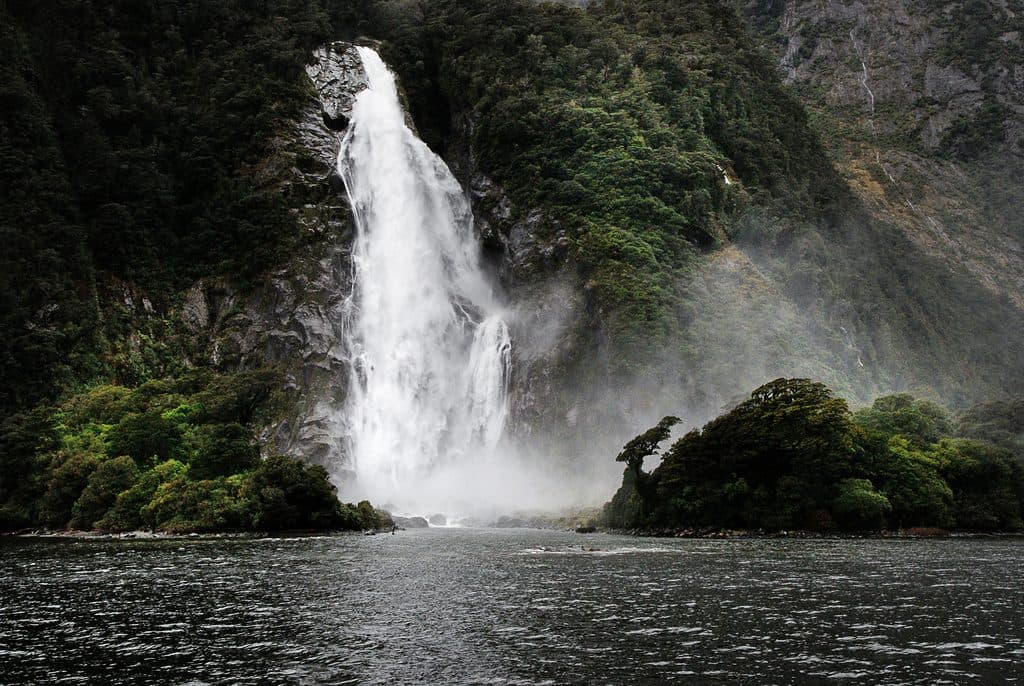
Doubtful Sound / Patea is Fiordland’s deep, brooding giant—the quiet “Sound of Silence.” It’s bigger and less visited than Milford, wrapped in dense rainforest and stitched with inlets, islands, and hundreds of waterfalls that roar to life after rain. Getting here takes commitment, but the payoff is profound solitude and wild, cinematic scenery.

What You'll See

  • Sheer, forested walls plunging into dark water, often mirrored in glassy reflections.
  • Waterfalls everywhere—magnificent after storms, ethereal in mist.
  • Three distinct arms and small islands that make the fiord feel endless.
  • Many cruises pause for a minute of silence so you can actually hear the place.

Wildlife

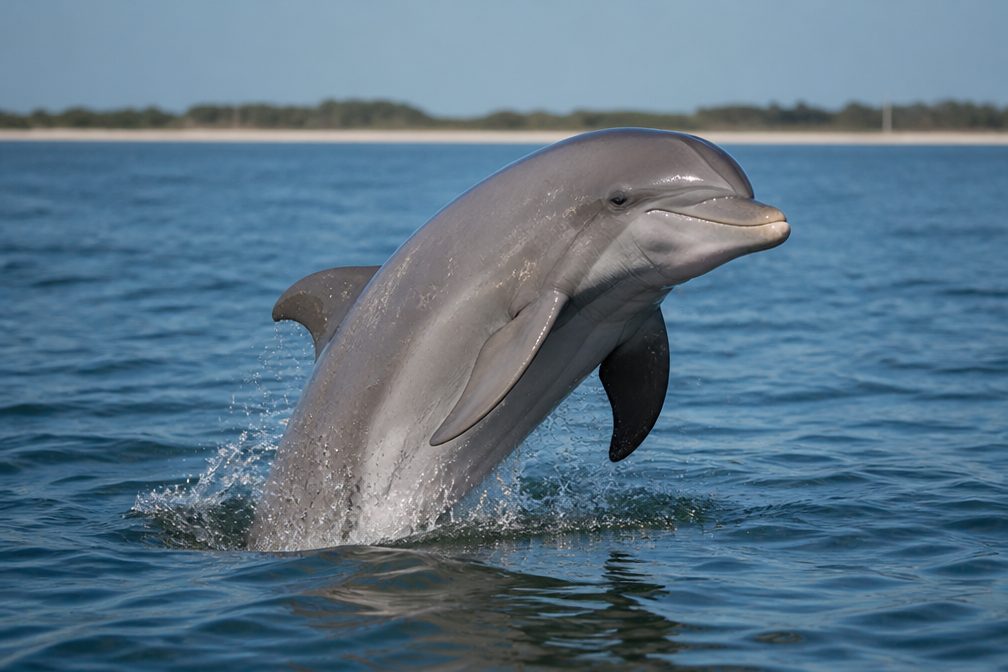
This is one of the southernmost homes for bottlenose dolphins, and sightings are common. You may also spot New Zealand fur seals lounging on rocks and the elusive Fiordland crested penguin (tawaki) along the coast. Birdlife—gulls, terns, and bush birds—adds to the soundtrack.

Getting There & How It Works

You can’t drive here. Typical trips start in Manapōuri: boat across Lake Manapōuri to West Arm, bus over the gravel Wilmot Pass to Deep Cove, then board your cruise. Day and overnight options exist, with some trips adding kayaking time on the fiord.

Why It’s Different

It’s the deepest fiord in Fiordland and the second longest, so it feels vast and untamed. A tannin-stained freshwater layer sits on top of seawater, creating dim conditions that let deep-sea species thrive at shallower depths—one reason this place feels otherworldly.

Weather Reality

Fiordland is famously wet—around six meters of rain annually here. Sunny days are glorious; rainy days can be even better thanks to the waterfalls and moody atmosphere. Expect rapid changes, and plan to get damp.

Best Time to Visit

Year-round. There’s always a strong chance of rain, which supercharges the falls and drama. Spring can even bring sea-level snow. Tours are limited by design—book ahead, especially in peak periods. For photos, embrace mist, low cloud, and soft light rather than chasing bluebird skies.

History & Geology

Glaciers carved these steep-sided valleys, leaving a deep, branching fiord now flooded by the sea. Captain Cook called it “Doubtful Harbour” because he wasn’t sure he could sail out under wind power; the Māori name Patea reflects its place in a wider cultural landscape.

Pros

  • Quieter than Milford, with vast, dramatic fiord scenery
  • Frequent wildlife sightings—bottlenose dolphins, fur seals, and tawaki penguins

Cons

  • No self-drive access; visits rely on boat–bus–cruise logistics
  • Long, often pricey day with very high chance of rain

Tips

  • Book well in advance—transport and cruise slots are limited by design.
  • Pack a proper rain jacket and warm layers; Fiordland is wet year-round.
  • Bring snacks and water from Manapōuri; there are no shops at the fiord.
  • Binoculars make a big difference for spotting dolphins and penguins.
  • If you can swing it, an overnight cruise is the most immersive experience.
The Parkwolf tour guide sitting on a phone mounted in a car

Parkwolf Tour Guide

Like a tour guide in your car.

Save the places you found around Fiordland, then let Parkwolf guide the drive between them.Download Parkwolf on the App Store