Place · 1 mi away

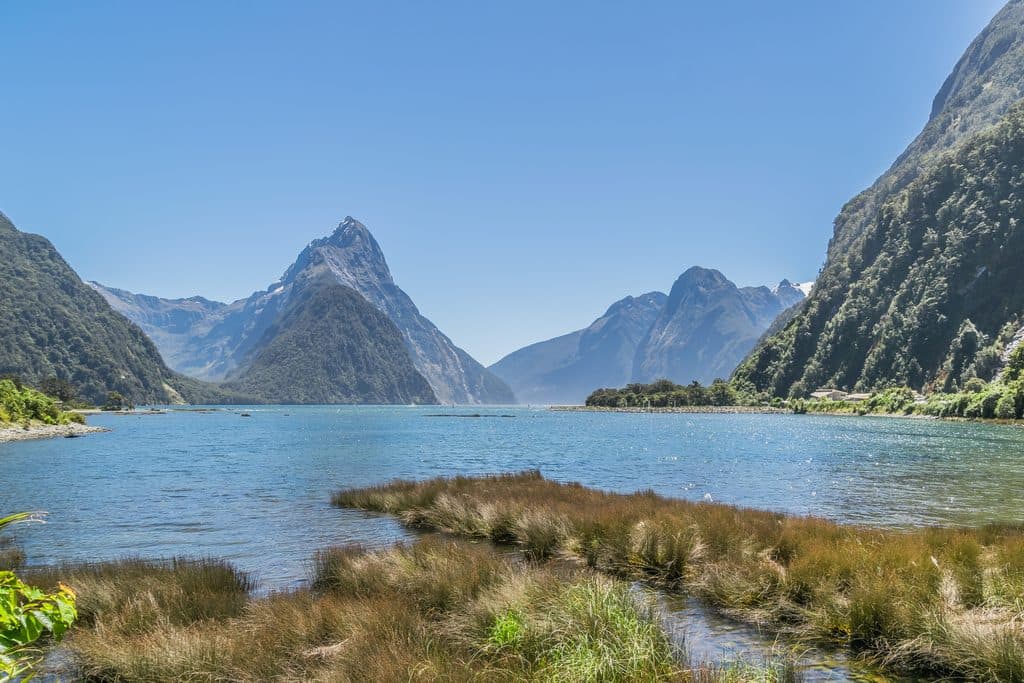
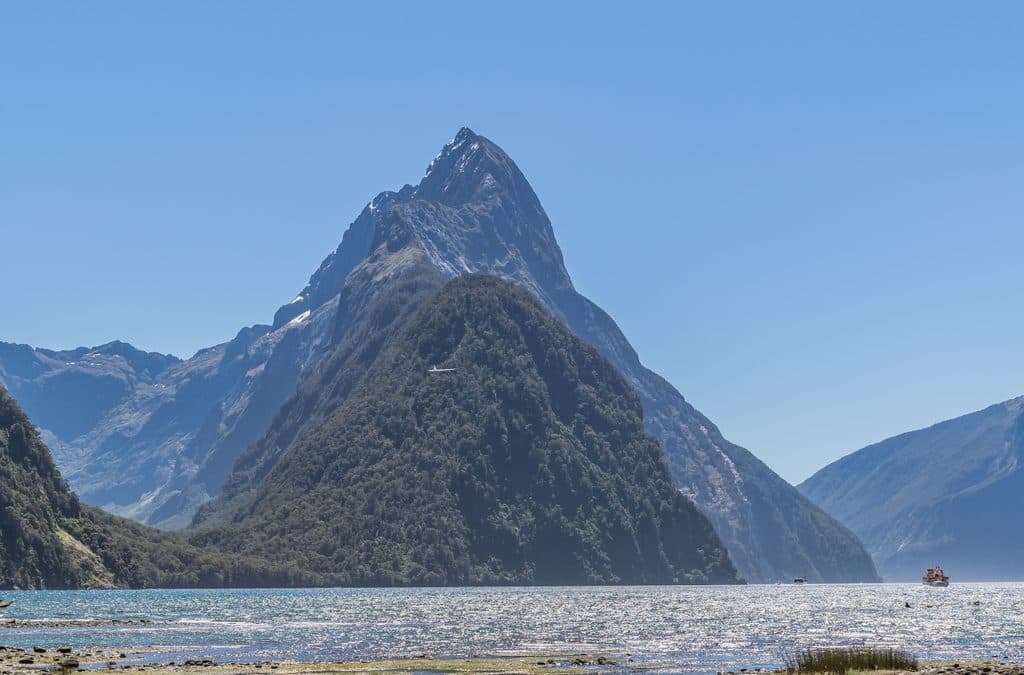
Mitre Peak (Māori: Rahotu) shoots almost straight up from sea level to roughly 1,690–1,692 m, forming the unmistakable spire that defines Milford Sound. It’s actually a cluster of five summits, but from most viewpoints it looks like one sharp, bishop’s‑mitre crown. This is the postcard view people imagine when they think of Fiordland.
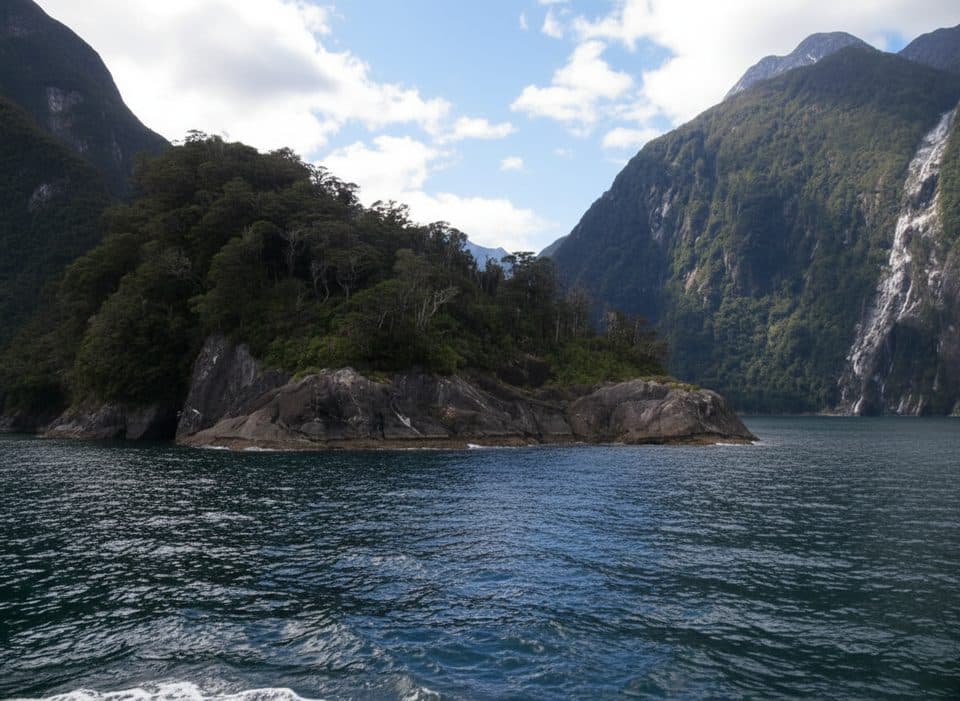
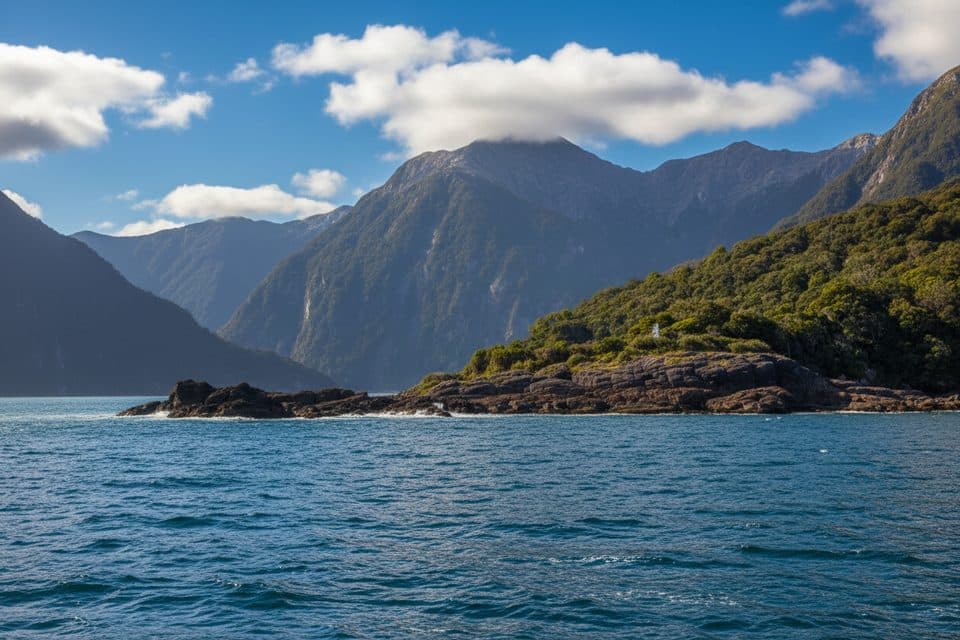
The sheer walls of the fiord meet Mitre Peak’s near‑vertical flanks at the waterline, creating some of the most dramatic scenery anywhere. Whether you’re on a boat deck, a kayak, or simply gazing from shore, it’s a showstopper—especially at first light and again toward sunset when the rock catches soft, angled light.
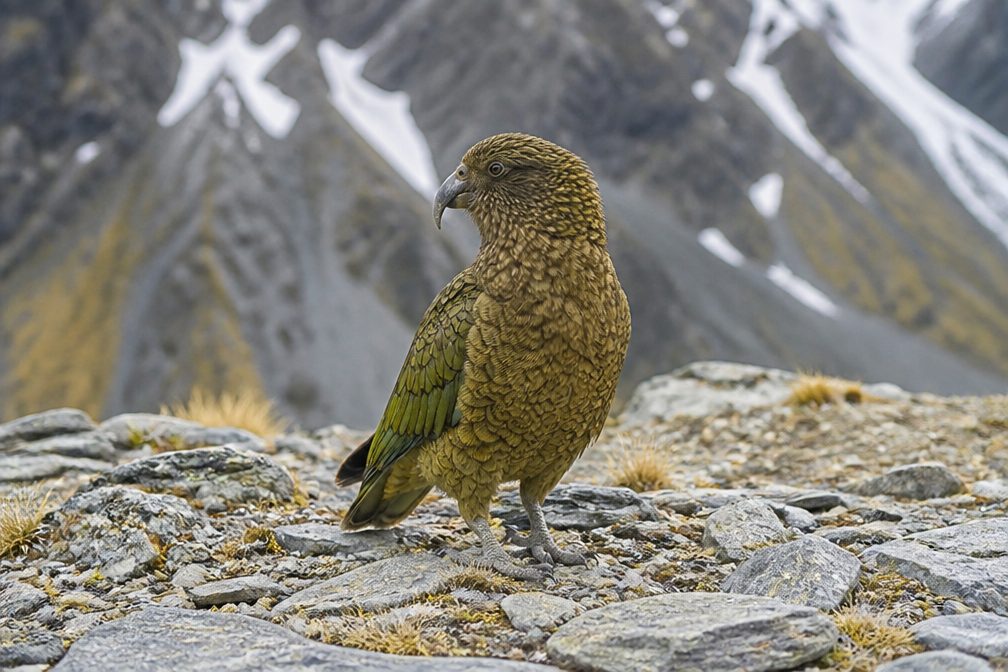
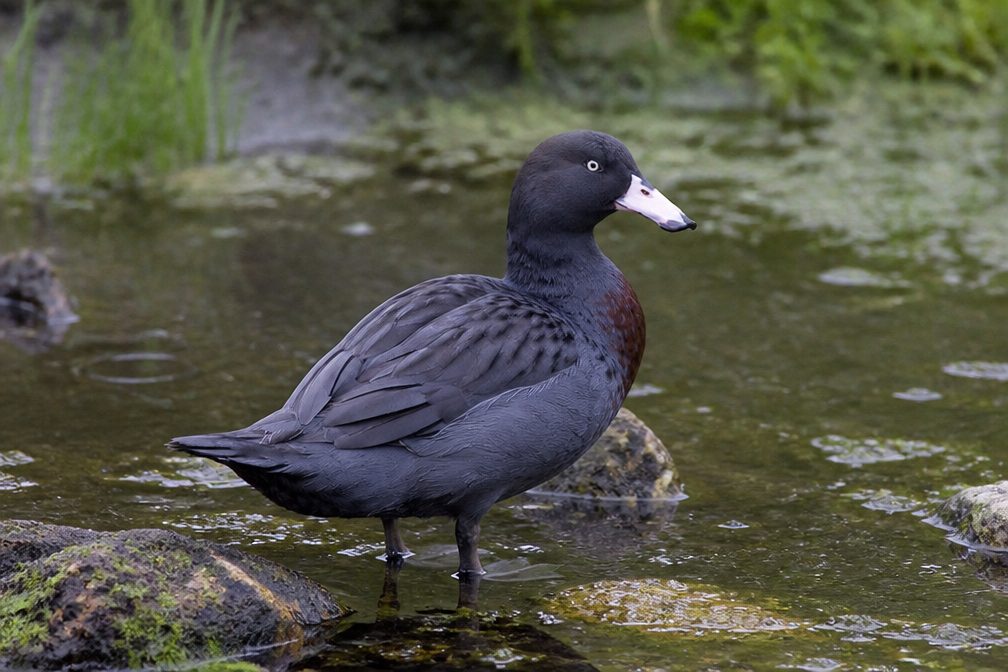
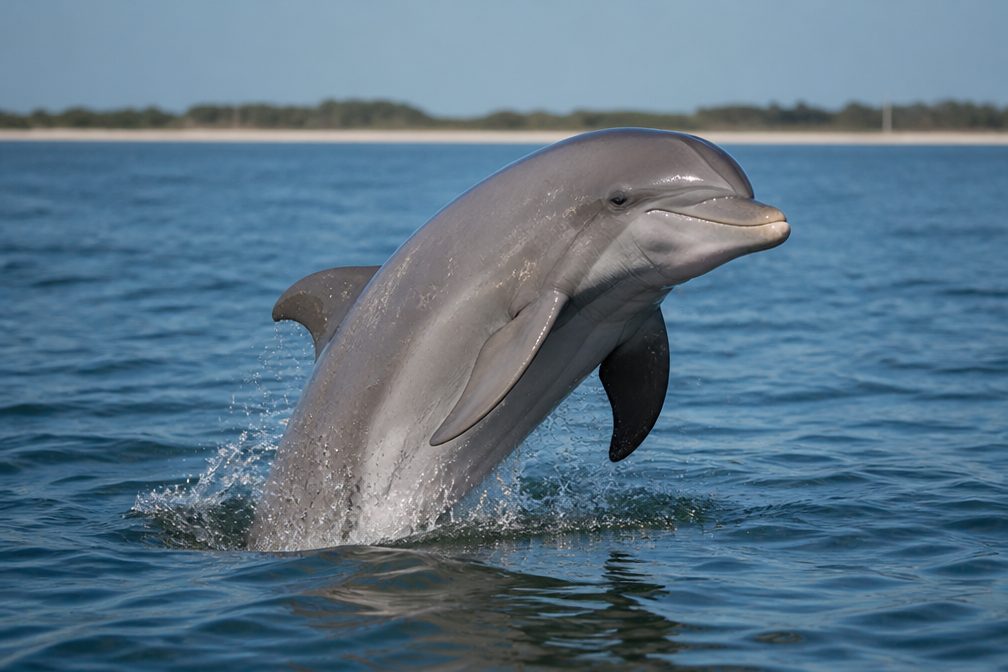
Cruises commonly encounter bottlenose dolphins and New Zealand fur seals around the base. Birdlife is present in Fiordland, but sightings are sparse on the climb due to dense forest and steep terrain.
Mitre Peak itself has no amenities—no trailhead, parking, restrooms, or water. Access for climbers is by boat (or occasionally helicopter), and the shoreline can be slick. Expect sandflies at lower elevations. Fiordland is famously wet and weather can change fast, compounding exposure and navigation challenges.
Named for its likeness to a bishop’s mitre, Mitre Peak is carved from the hard, ancient rock that glaciers sculpted into the sheer fiord walls. The area forms part of the Te Wāhipounamu World Heritage landscape.