Place · 6.7 mi away

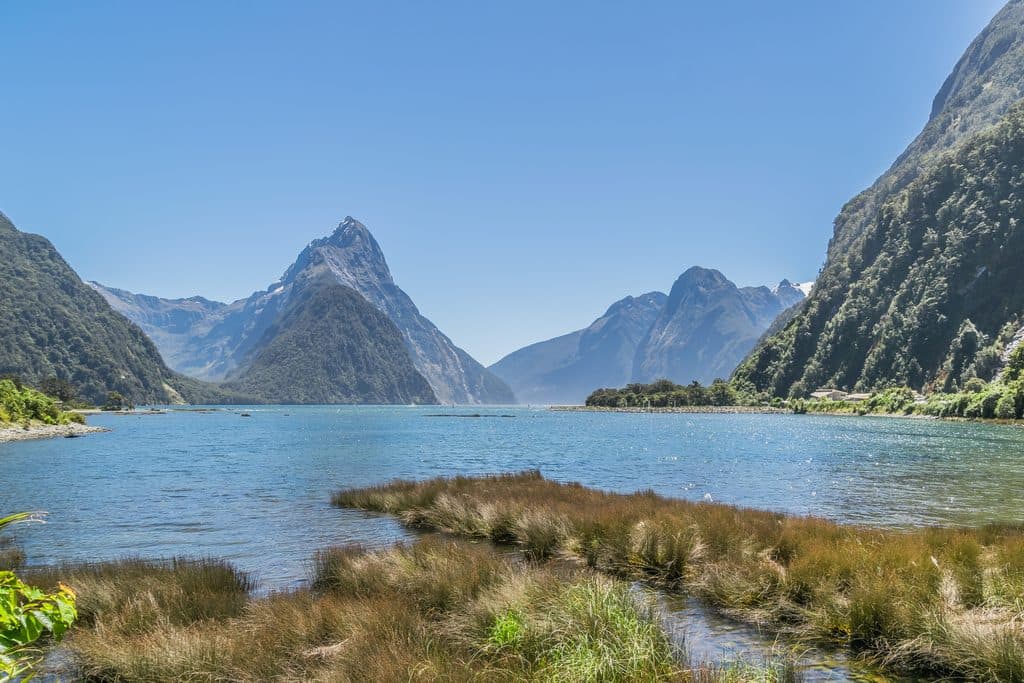
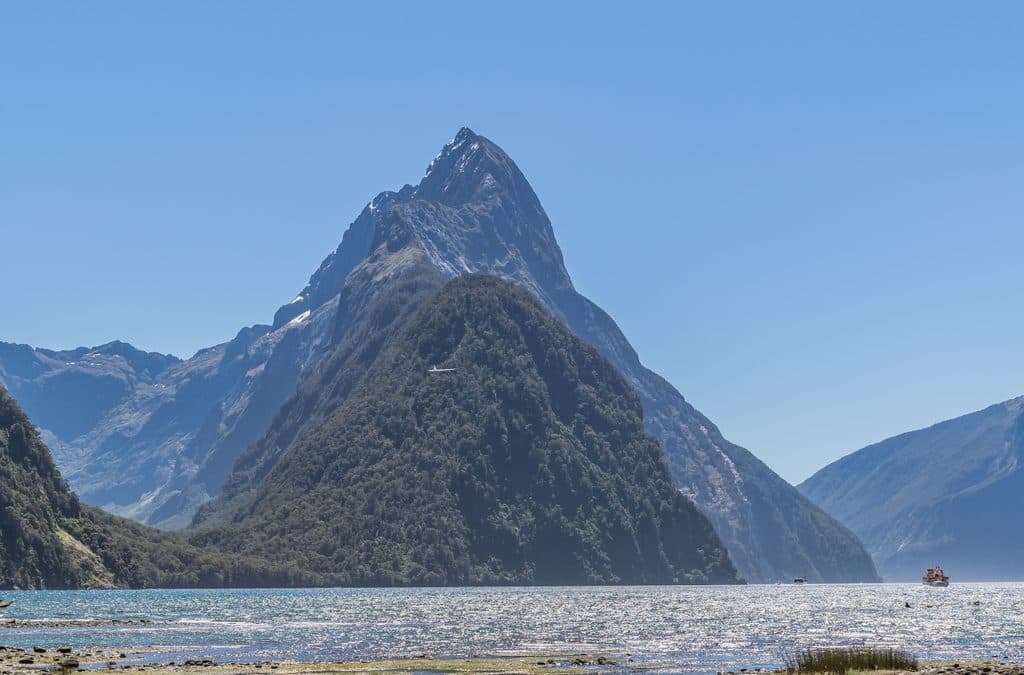
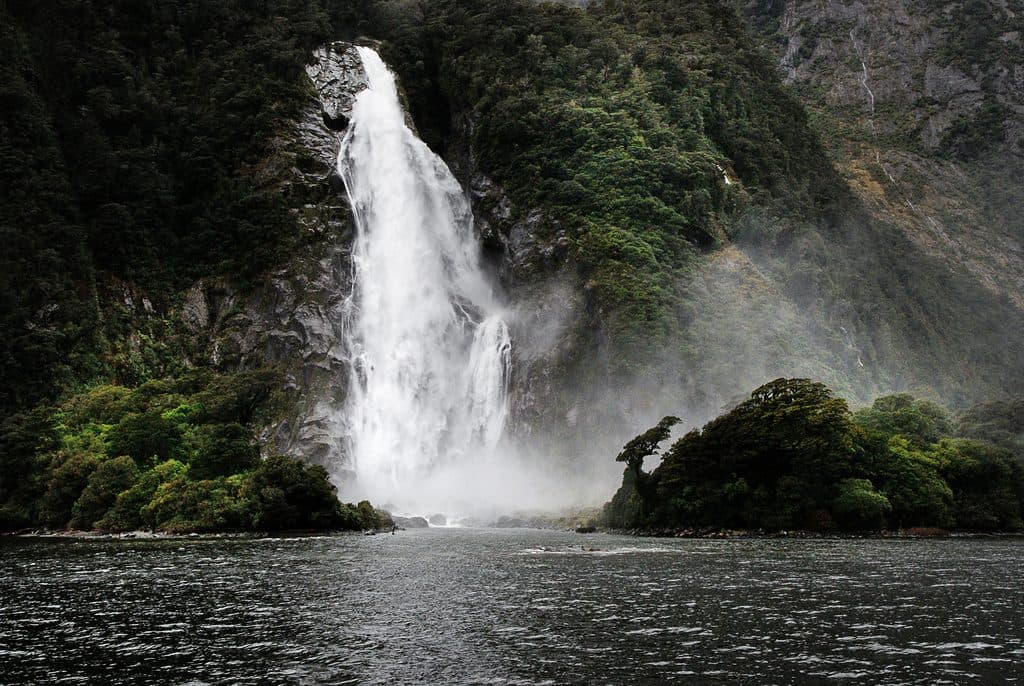
Te Puaitaha / Breaksea Sound is Fiordland at its most raw: a narrow, glacially carved fiord backed by steep, forested walls, waterfalls that ignite after rain, and a silence you won’t find in the busier sounds. It’s far more remote than Milford or Doubtful, which means fewer boats, wilder shorelines, and a deep sense of being out there.
Breaksea Island guards the fiord’s mouth and is a conservation landmark—one of the first large islands in New Zealand cleared of rats, helping native birdlife rebound. The fiord sits within the Te Wāhipounamu World Heritage site, celebrated for untouched ecosystems and dramatic scenery.
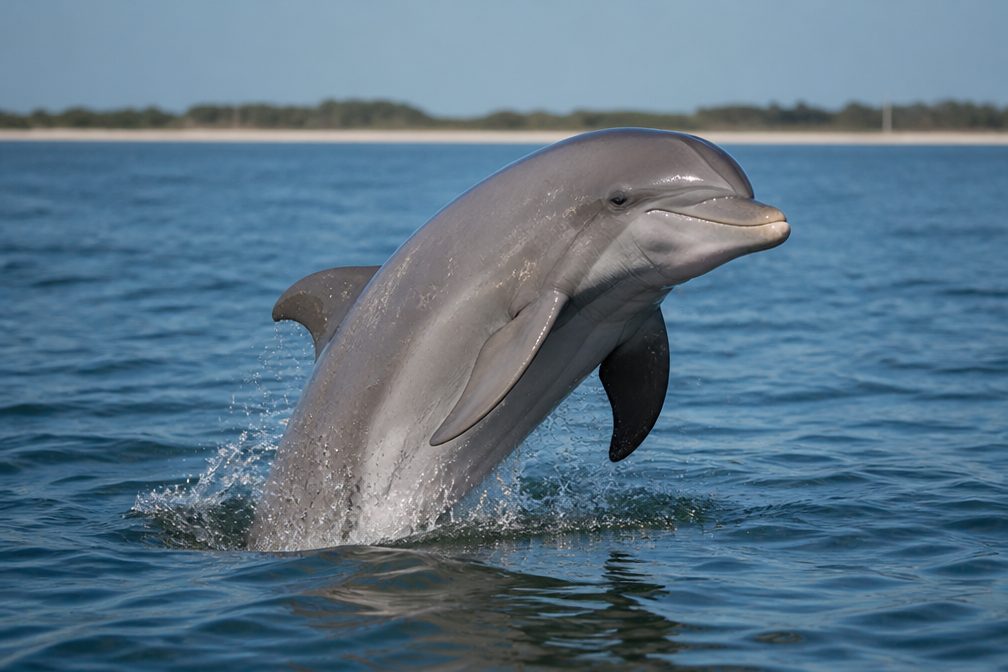
Dolphins often swing by to ride bow waves, and lucky visitors may spot the rare Fiordland crested penguin along rocky shorelines. Seabirds are common, and underwater the area supports rich marine life, including southern rock lobsters. Note that recent observations documented bleached sea sponges here, an ongoing conservation concern.
There are no roads or facilities—visits are typically on small, multi-day charter boats or expedition cruises, sometimes with helicopter access. Onboard tenders and kayaks get you into coves; some trips offer fishing and short bush walks. Scuba is possible but self-guided and suited only to experienced divers given the remoteness.
Acheron Passage links Dusky Sound to Breaksea, a classic route for small ships weaving through Fiordland’s islands. At the fiord’s entrance, Breaksea Island stands prominent; inland, peaks like Mount Kellard frame the skyline.
Fiordland is famously wet—waterfalls shine after rainfall, but plans can shift with weather. There are no shops, cafes, or public restrooms; everything runs through your vessel and crew. Expect no cell coverage and a genuine expedition feel.
Glaciers carved these steep-sided valleys, later drowned by the sea to form the fiord network. European attempts at settlement faltered in this rugged terrain, while modern conservation on Breaksea Island became a national success story—proof that pest eradication can revive native species.
Year-round if you’re game for true wilderness. Trips are limited and weather-dependent; book small-boat charters well in advance. For photography, rainfall brings the fiord’s waterfalls to life, and low traffic means you’ll rarely contend with crowds any time of year.