Chalky Inlet / Taiari

A remote, wildlife-rich fiord best seen by boat or scenic flight
Chalky Inlet / Taiari, Fiordland National Park
InsideFiordland National Park

Overview

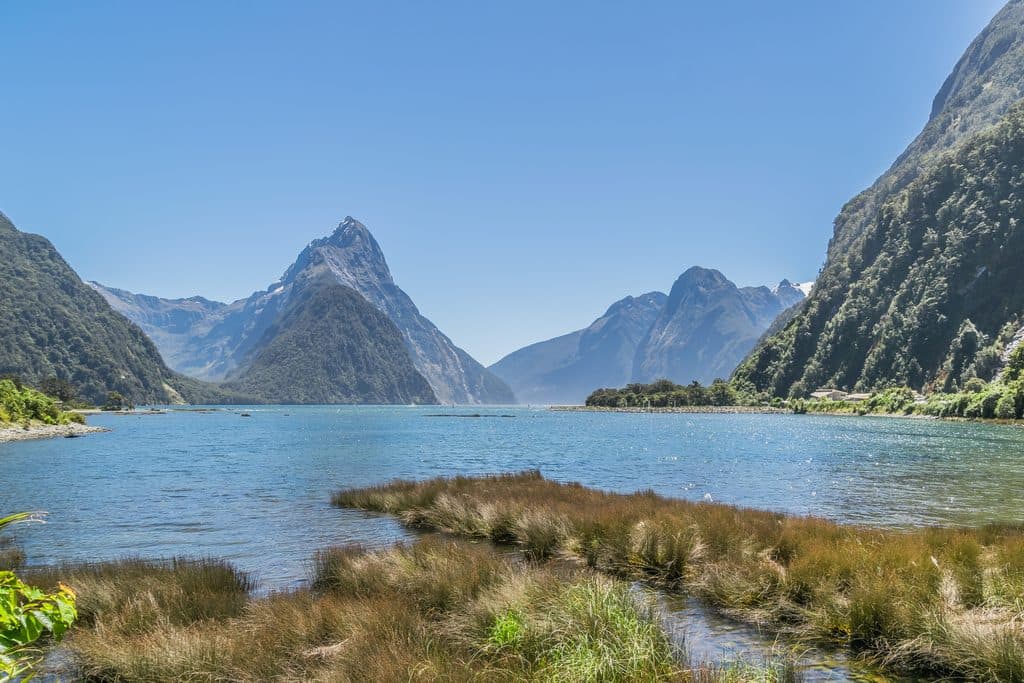
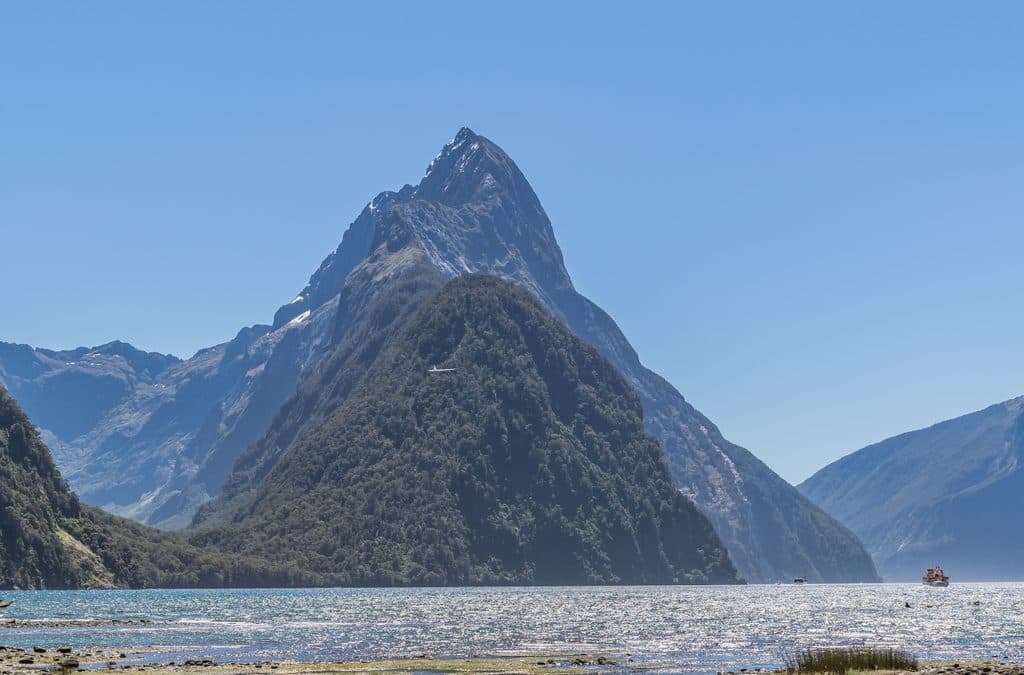
Taiari / Chalky Inlet is Fiordland in its purest form—wild, quiet, and almost totally untouched. Stretching roughly 28 km inland, the inlet splits into striking arms at Divide Head, with steep, forested slopes dropping into deep blue water and scattered islands guarding its mouth. It’s far less visited than the park’s headline fiords, which is exactly why people who make it here love it.

What You'll See

  • Big, brooding scenery: a complex V of waterways, imposing ridgelines, and a wide entrance to the Tasman Sea.
  • Island hop by sight: Chalky Island (Te Kakahu-o-Tamatea), Great Island, and Little Island sit near the mouth.
  • A slice of history: the partially submerged wreck of the vessel Stella is visible off Little Island.

Wildlife & Conservation

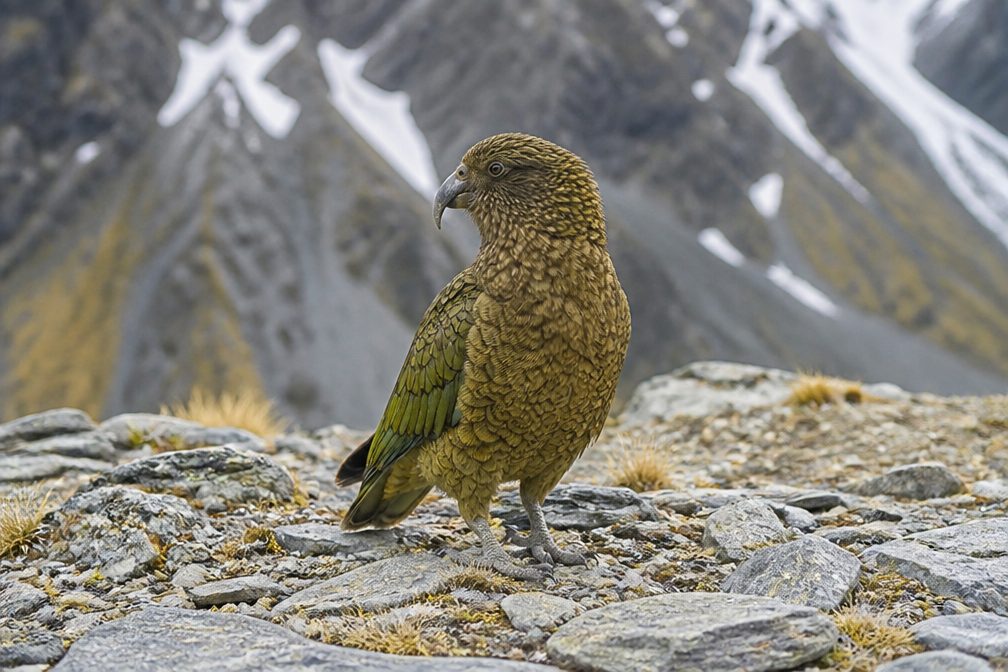
Chalky Island is a predator-free sanctuary and an ongoing conservation success story. It has hosted rare and endangered birds like mohua/yellowhead, orange-fronted kākāriki, little spotted kiwi, South Island saddleback, and South Island robin through translocations. Access is highly restricted to protect the island—most visitors admire it from the water or the air. Bring binoculars and keep your distance; follow biosecurity and conservation guidance to the letter.

Getting There & How to Experience It

There’s no road into Taiari / Chalky Inlet. People come by private vessel, kayak, specialist expedition cruise, or scenic helicopter flight. Expect rapidly changing weather and sea conditions, and plan around marine forecasts and tides. There are no shops, services, or settlements—self-sufficiency is non-negotiable.

A Bit of Backstory

Māori traveled and fought in this region, and later European explorers named features here. Sealers and whalers worked these waters until populations crashed in the early 1800s, after which human presence dwindled. Today, conservation defines the inlet’s story, with island sanctuaries leading the way.

Geology in Brief

Like the rest of Fiordland, this landscape was carved by ice. Glaciers gouged deep, steep valleys that the sea later flooded, leaving today’s dramatic, branching fiord and island-dotted entrance.

Best Time to Visit

Any time conditions are settled. There are no real crowds; your main constraint is weather and sea state. Early and late light flatters the cliffs and islands, while calm evenings reward those anchored in a quiet bay. For boaters, plan around tide and weather windows; for flights, keep schedules flexible for weather holds.


Pros

  • Remote, pristine fiord with dramatic branching arms and islands
  • Rare wildlife sanctuary at Chalky Island (viewed from water or air)
  • Visible Stella shipwreck off Little Island adds a unique historic touch

Cons

  • No road access; visits require boat, expedition cruise, kayak, or scenic flight
  • No services; conservation rules limit landings and weather can cancel plans

Tips

  • Book an operator that specifically includes Taiari / Chalky Inlet in their route.
  • Check marine forecasts and tides for the Chalky Island area before committing.
  • Pack everything you need; there are no services or supplies anywhere in the inlet.
  • Carry strong insect repellent—sandflies can be intense in calm conditions.
  • Respect conservation restrictions: do not land on Chalky Island without explicit permission.
The Parkwolf tour guide sitting on a phone mounted in a car

Parkwolf Tour Guide

Like a tour guide in your car.

Save the places you found around Fiordland, then let Parkwolf guide the drive between them.Download Parkwolf on the App Store