Hāwea / Bligh Sound

Remote Y-shaped fiord of waterfalls, wildlife, and true solitude
Hāwea / Bligh Sound, Fiordland National Park
InsideFiordland National Park

Overview

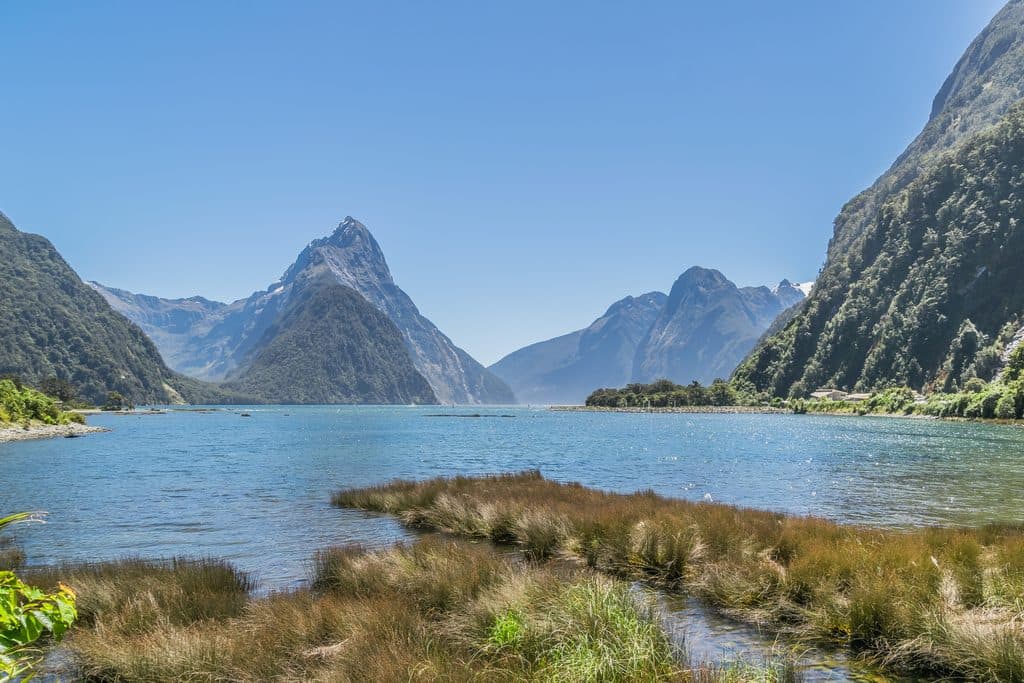
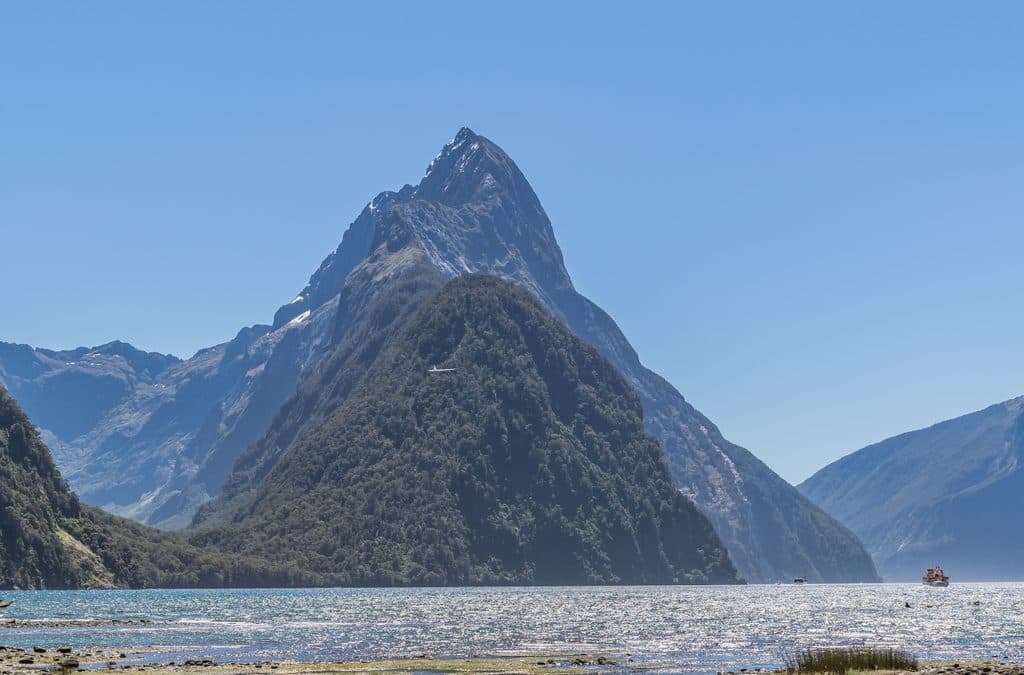
Hāwea / Bligh Sound is one of Fiordland’s most secluded fiords: a dramatic, Y‑shaped waterway carved by ice and walled by rainforest‑cloaked mountains. Its inner arm leads to Bounty Haven, and the whole place feels untouched—more raw and quiet than headline fiords you’ve heard about.

Why it’s special

Remoteness is the draw. There’s no road, no shore infrastructure, and often no other boats in sight. The Hawea (Clio Rocks) Marine Reserve sits within the fiord, protecting an unusually rich underwater world, including black coral that thrives here thanks to Fiordland’s unique freshwater layer over saltwater.

Scenery and wildlife

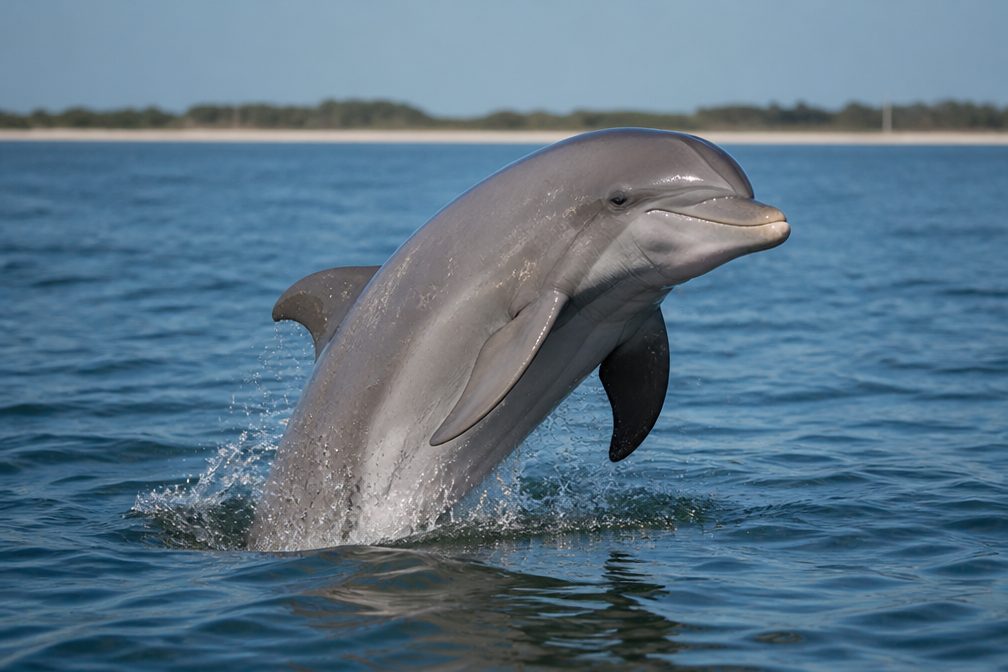
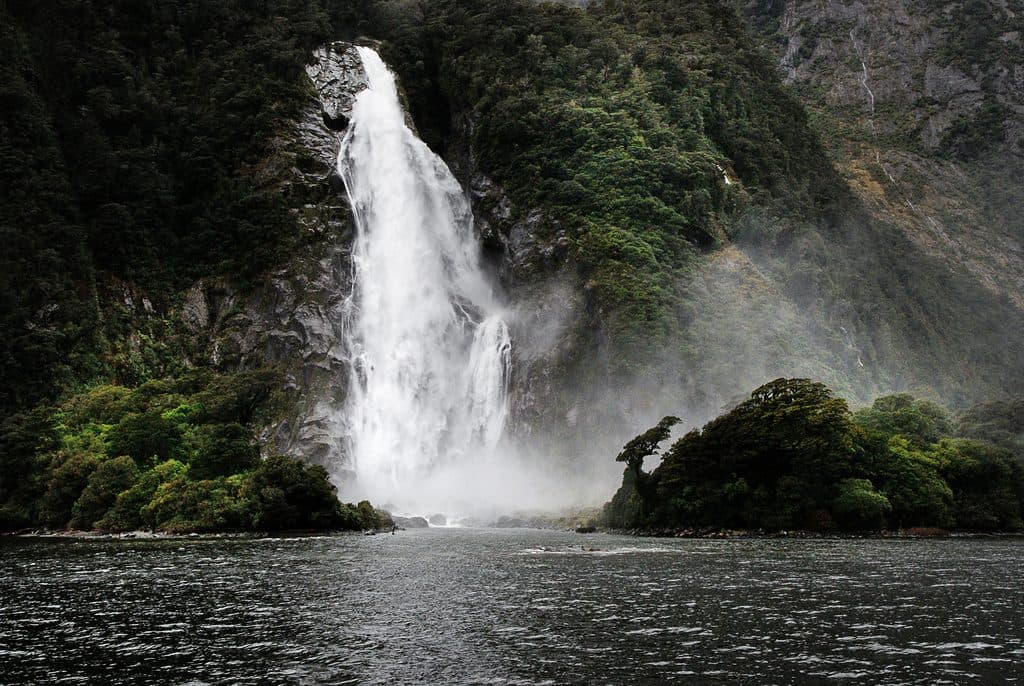
Expect sheer rock walls, hanging valleys, and waterfalls that multiply after rain (which is often). On the water, keep an eye out for bottlenose dolphins, New Zealand fur seals, and—if you’re lucky—Fiordland crested penguins and other seabirds. Under the surface, the marine reserve shelters sponges, corals, and complex reef life.

Getting there and what the experience is like

You don’t drive to Hāwea / Bligh Sound. Most visitors arrive on small expedition vessels, private charters, or scenic flights. Trips are typically ship‑based, with time spent cruising the fiord, nosing into inlets, and lingering beneath waterfalls and cliffs. Kayaking and diving may be offered by specialist operators; this is advanced, remote‑area stuff.

Conservation notes

Within the Hawea (Clio Rocks) Marine Reserve, the rules are simple: look, don’t take. No fishing or removal of marine life. Operators emphasize low‑impact travel—follow their guidance to keep this place as wild as it feels.

A bit of backstory

The dual name Hāwea / Bligh Sound was formalized in 2019, acknowledging both Māori heritage and European naming (after William Bligh). Like the rest of Fiordland, the landscape was sculpted by glaciers, leaving deep channels and the classic fiord profile you see today.

Best time to visit

Whenever your operator runs trips and the sea allows—there’s no road crowd to dodge here. Rainy or misty days are actually superb for mood and waterfalls; bring rain protection for you and your camera. Early and late light adds drama to the cliffs, but Fiordland’s soft overcast is often perfect for photos.


Pros

  • Pristine, remote fiord with few boats and real solitude
  • Protected Hawea (Clio Rocks) Marine Reserve home to rare black coral

Cons

  • No road access or facilities; visits are ship- or flight-based
  • Very wet, changeable weather and sandflies on calm days

Tips

  • You can’t drive here—book a small-ship expedition or scenic flight.
  • Pack waterproof layers and a dry bag; rain is common and sudden.
  • After rain, expect countless temporary waterfalls—prime photo time.
  • Bring insect repellent; sandflies can be intense on calm, still days.
  • Follow marine reserve rules—no fishing or taking anything underwater.
The Parkwolf tour guide sitting on a phone mounted in a car

Parkwolf Tour Guide

Like a tour guide in your car.

Save the places you found around Fiordland, then let Parkwolf guide the drive between them.Download Parkwolf on the App Store