Overview
About Iris Burn Hut
Why stop
- A sheltered valley clearing with a waterfall walk nearby.
Heads up
- Sandflies are common, and the views are smaller than at the alpine huts.
Map
Where it is
The highest, rockiest slopes around here are a summer buffet for grizzly bears.
Fiordland Tour Guide
Your drive to Iris Burn Hut, narrated.
Parkwolf is a GPS audio tour guide for Fiordland National Park. As you drive, it chimes in with what’s ahead: hidden gems, upcoming stops, history, geology, and wildlife, right through your car’s speakers.
See the Fiordland audio tour- 112 audio storiesacross Fiordland’s roads, triggered by GPS as you drive
- Wildlife heatmapsfor Kea, Fiordland Penguin, Blue Duck, and 13 more
- Works offlinemaps, 77 trails, 102 places, and audio download before you lose signal
- CarPlay readysimple controls built for the drive
“Fantastic app with many points of information… It’s great to just turn on while you’re driving and it gives you an audio tour of the national Park. We love it!!!!”


Guide
More about Iris Burn Hut
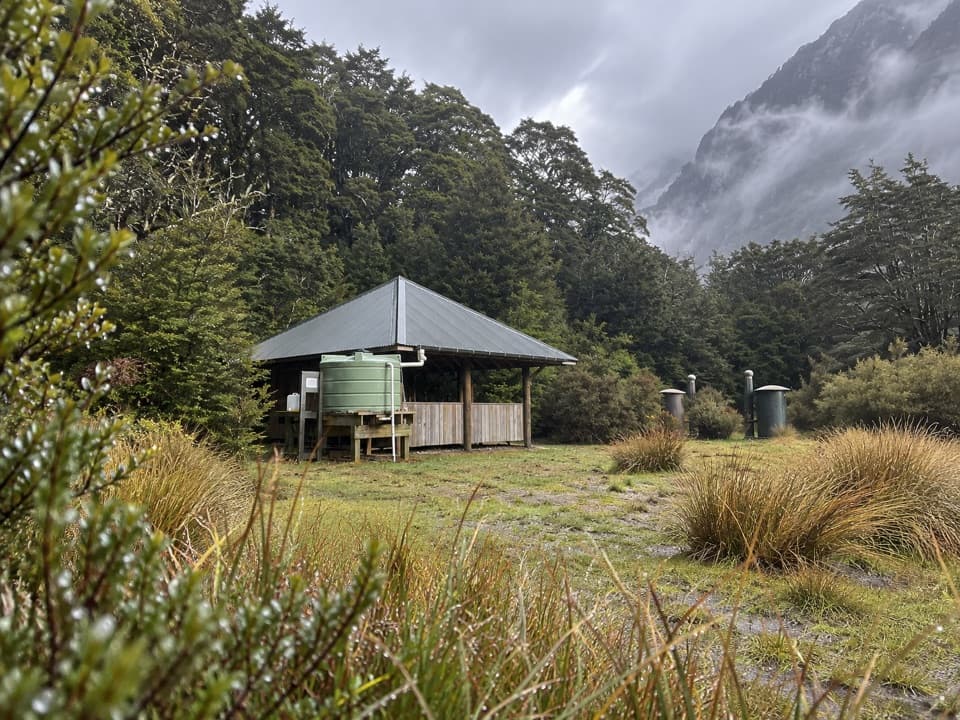
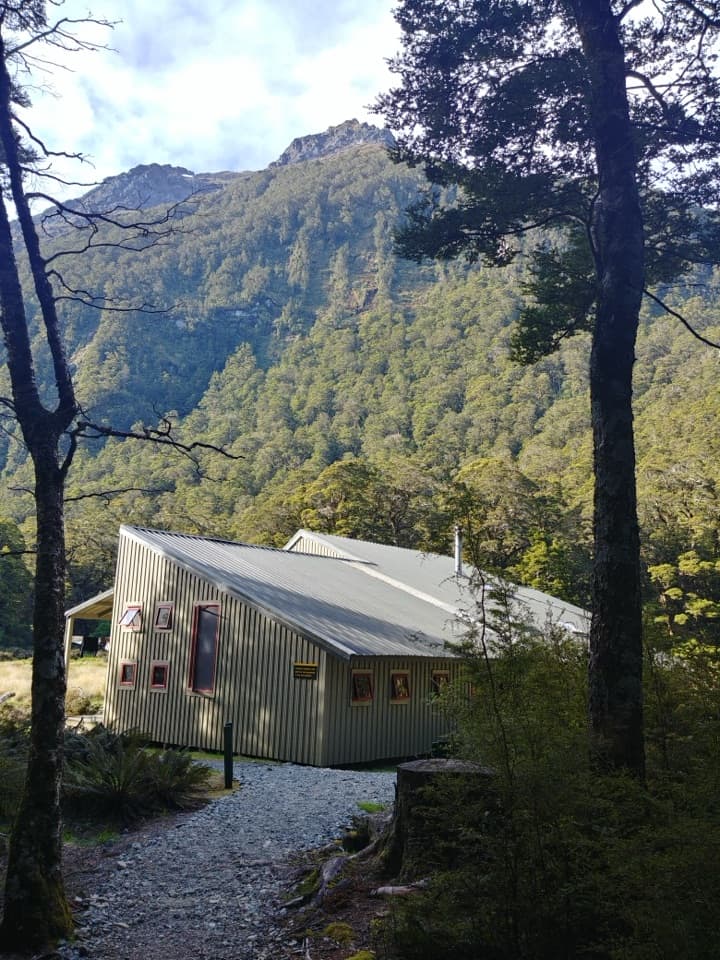
A sheltered night on the Kepler TrackIris Burn Hut is a 50-bunk Great Walk hut in a tussock clearing in the Iris Burn valley.
Iris Burn Hut is a 50-bunk Great Walk hut in a tussock clearing in the Iris Burn valley. It makes sense as an overnight stop on the Kepler Track: you reach it on foot, and its sheltered setting is a welcome change after the exposed alpine ridge. Keep it on your plan for the overnight stage, then leave time for the short walk to the waterfall.
The walk is the commitmentFrom Luxmore Hut, the track drops from the alpine tops to Iris Burn over 14.
From Luxmore Hut, the track drops from the alpine tops to Iris Burn over 14.6 km and about five to six hours. The next leg to Moturau Hut is 16.2 km and another five to six hours. Reaching Iris Burn from Rainbow Reach takes about seven to eight hours on foot, so this is a backcountry stop, not a quick side trip from the road.
What the hut providesIn Great Walk season, the hut has mattresses, a communal kitchen, cooking and heating fuel,…
In Great Walk season, the hut has mattresses, a communal kitchen, cooking and heating fuel, solar lighting, cold running water and flushing toilets. There’s no food, cookware or shower, so bring your meals and cooking gear. Tap water is listed as untreated; boil it before drinking. Booking is required in Great Walk season. Outside it, facilities are reduced: water is off inside, toilets are pit toilets, and beds are first come, first served.
The nearby Iris Burn campsite is separate; campers have their own shelter, toilets and water, and can’t use the hut facilities.
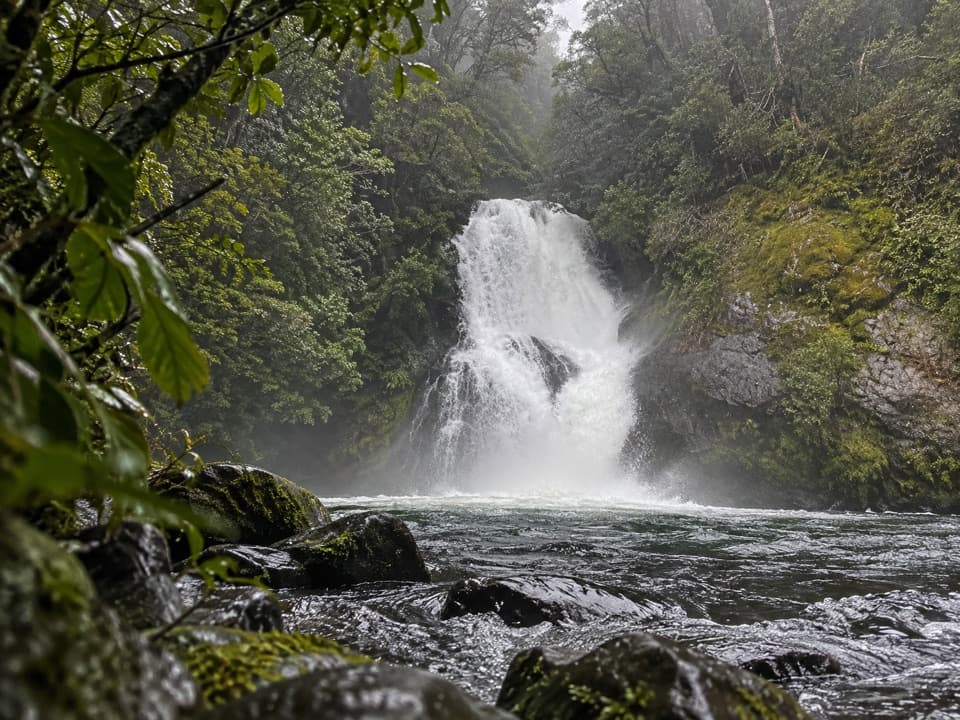
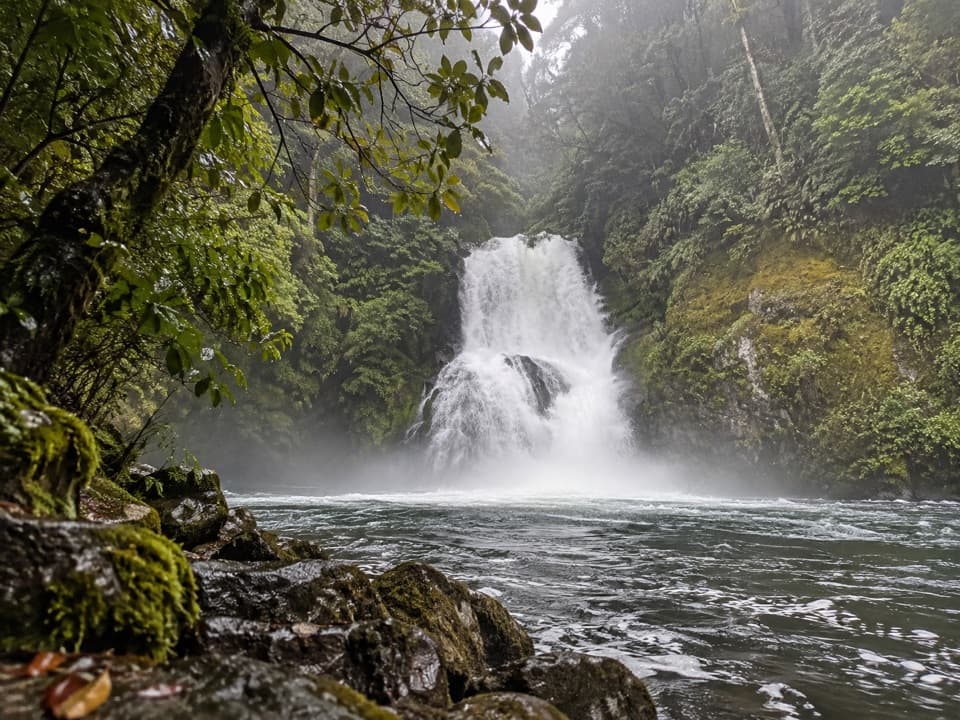
The waterfall and valleyIris Burn Waterfall is about a 20-minute walk from the hut.
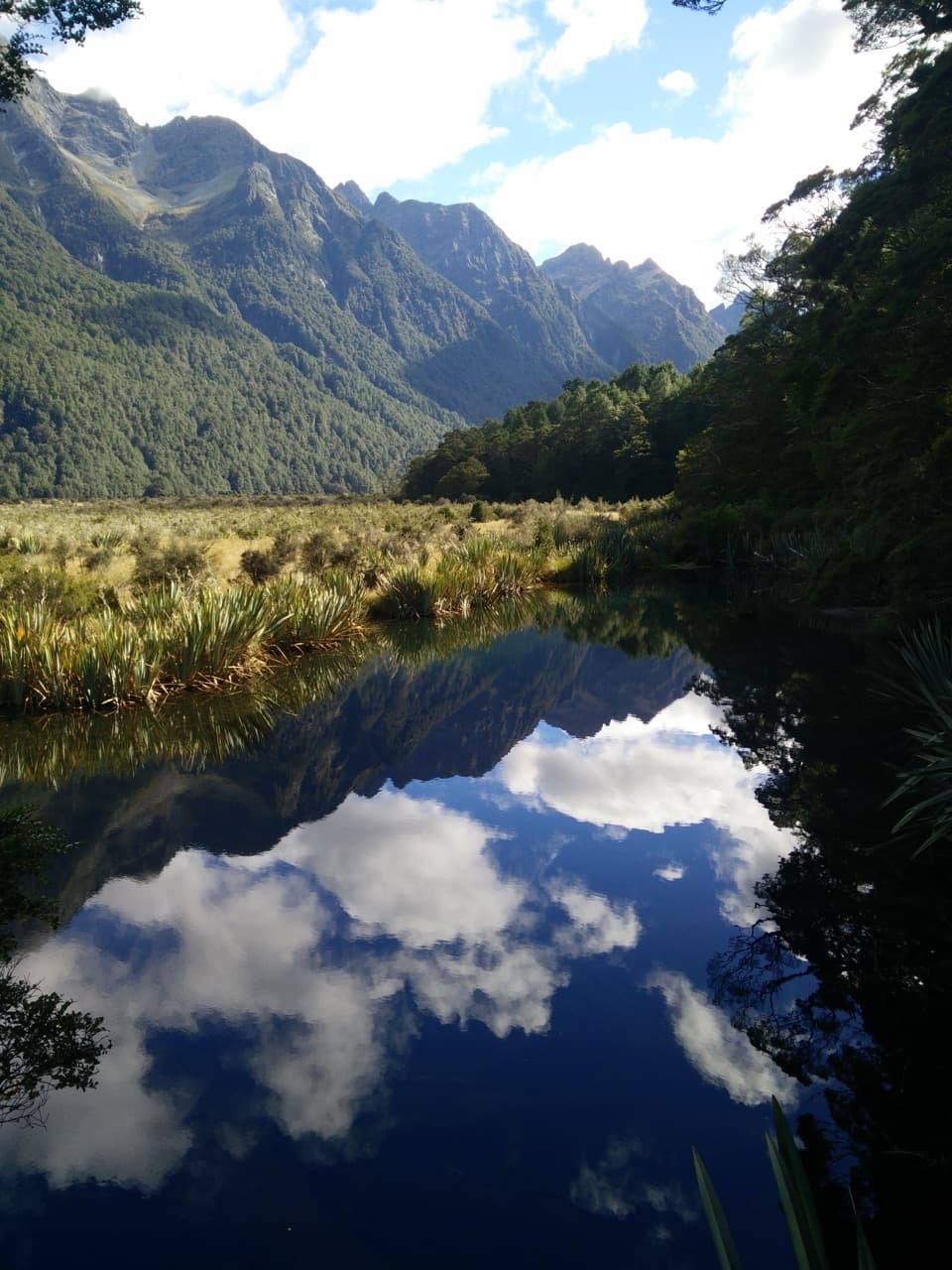
Iris Burn Waterfall is about a 20-minute walk from the hut. The valley clearing feels sheltered after the windy tops, though the views here are smaller than at the alpine huts. Kea are inquisitive and can damage camping gear, so keep loose items secured. Sandflies are a recurring nuisance around the hut and campsite; insect repellent is useful.
Wildlife
Wildlife in Fiordland
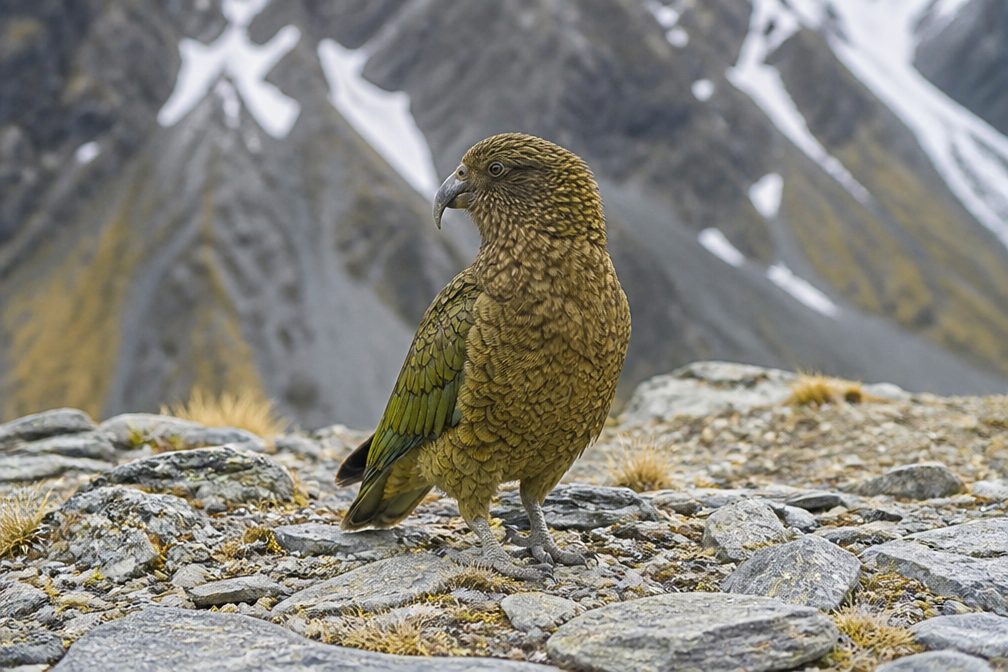 1,224 sightingsKeaMost seen around 10 AMSighting map
 211 sightingsFiordland PenguinMost seen around 7 PMSighting map
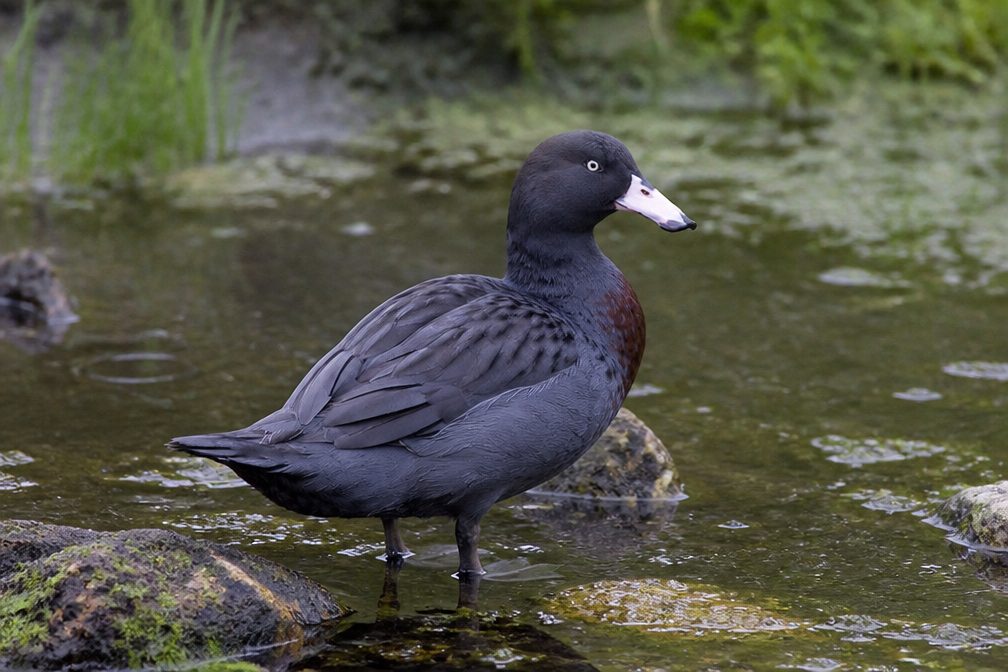 233 sightingsBlue DuckMost seen around 5 PMSighting map
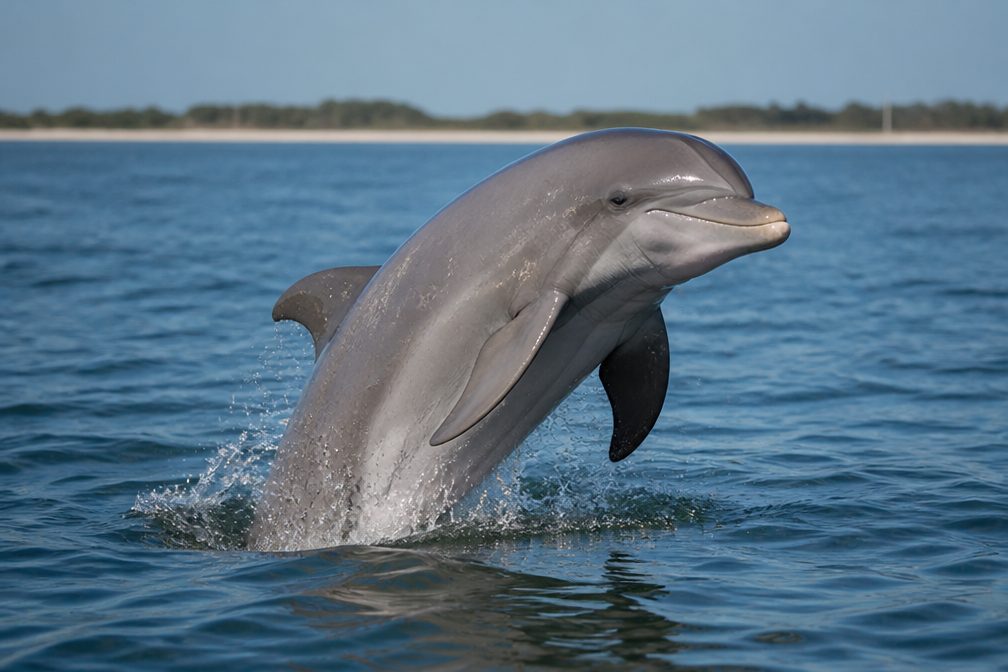 32 sightingsBottlenose DolphinMost seen around 5 PMSighting map
 252 sightingsNew Zealand Fur SealMost seen around 6 PMSighting map
 67 sightingsKākāMost seen around 6 PMSighting map
Sighting maps show where each species has been reported across Fiordland. Wildlife moves, so no sighting is guaranteed.