Place · 7.7 mi away

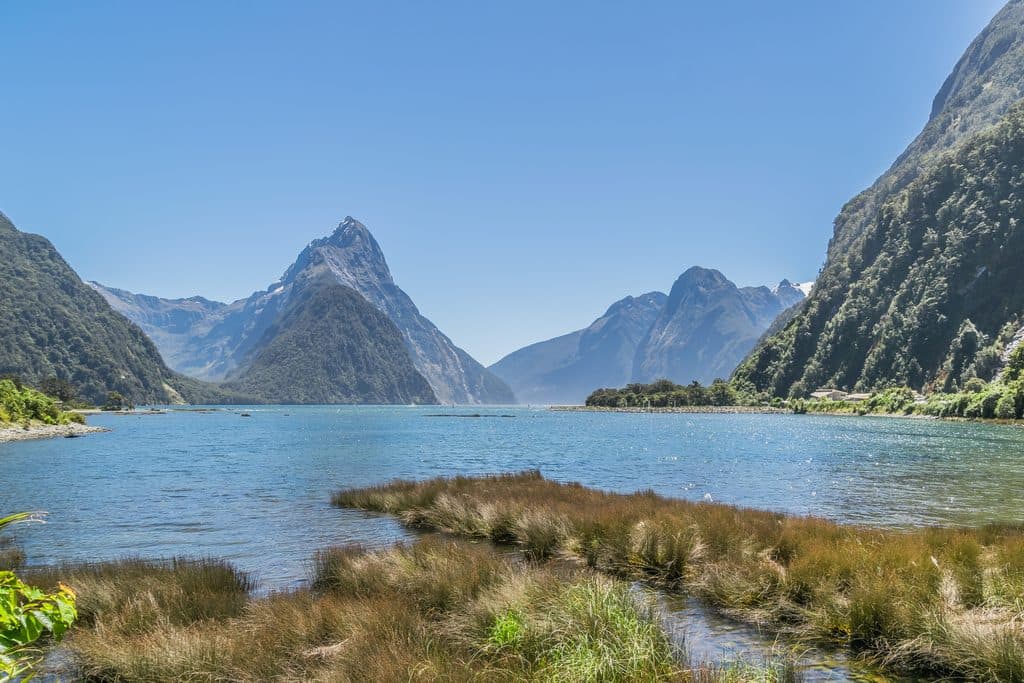
Lake Monowai is the low-key corner of Fiordland you come to for still water, native beech forest, and a sense of being far from the tour-bus loop. It’s scenic without the crowds and perfect if you like camping by a lake, casting for trout, or poking around on short nature walks.
The lake sits in a long, curved valley fringed by hills and dense beech forest. Expect a peaceful vibe, glassy mornings for paddling, and the occasional boat heading out from the ramp. There’s also a notable human story here: the lake feeds one of the South Island’s oldest hydroelectric stations, and debates over water levels helped galvanize New Zealand’s conservation movement.
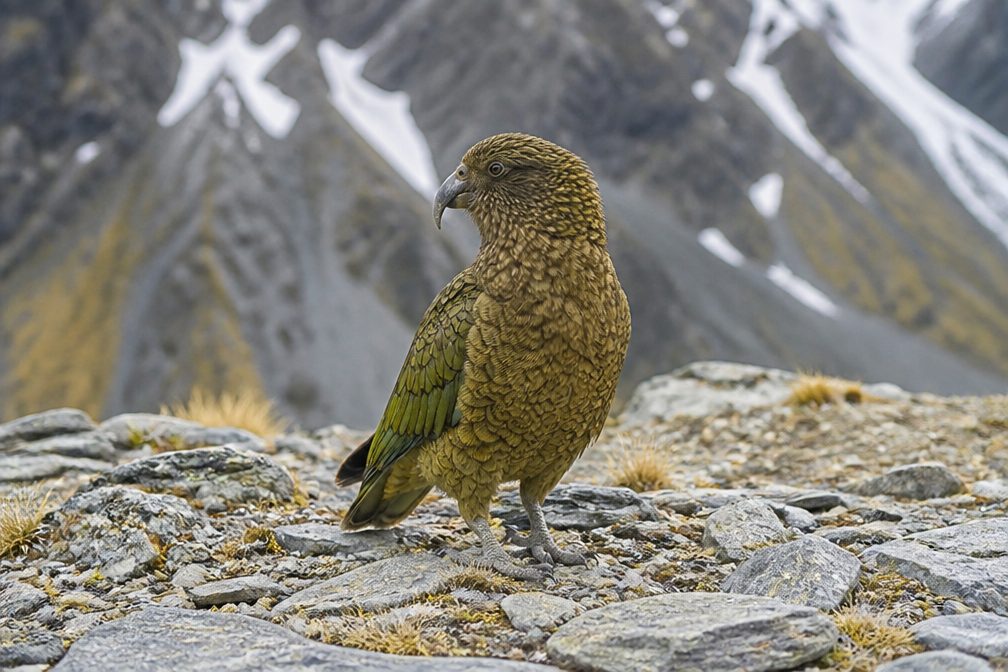
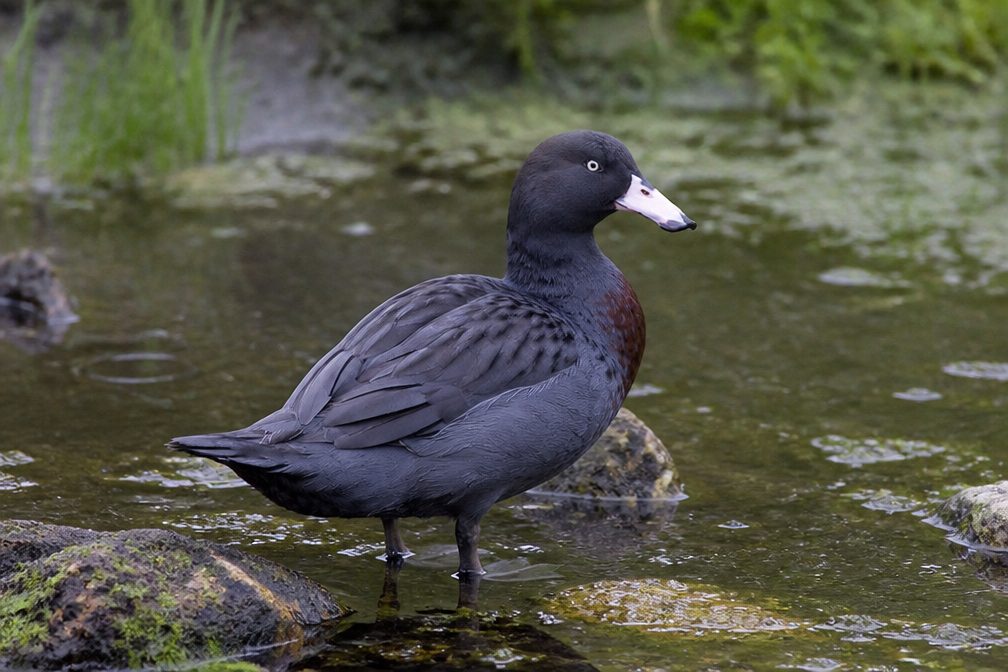
Birders can look for robins, riflemen, tomtits, fantails, brown creepers, grey warblers, parakeets, and waterfowl around the lake; above treeline you might spot pipits or kea. The waterways hold trout and eels, and insect life is plentiful—bring repellent for the sandflies.
The lakeside DOC campsite is basic but atmospheric: toilets, established fire pits, parking, and space for tents and campervans. A non-treated water tap may exist but isn’t guaranteed or potable—arrive ready to treat your own water. Toilets can be a bit of a walk from many pitches. There are no shops, food, fuel, or Wi‑Fi at the lake.
Access is via Borland Road, originally built for powerline work and now maintained for public use. Parts of it can be rough—after heavy weather a high-clearance vehicle is wise. Dogs aren’t permitted (it’s national park).
Monowai’s 1920s hydro scheme is one of the South Island’s earliest, and the lake level was raised for power generation. Public pushback in later decades helped protect Fiordland’s lakes from further manipulation—an important chapter in New Zealand conservation.