Lake Te Anau

Vast lake with inland fiords, cruises, and glowworm caves
Lake Te Anau, Fiordland National Park
InsideFiordland National Park

Why it’s worth your time

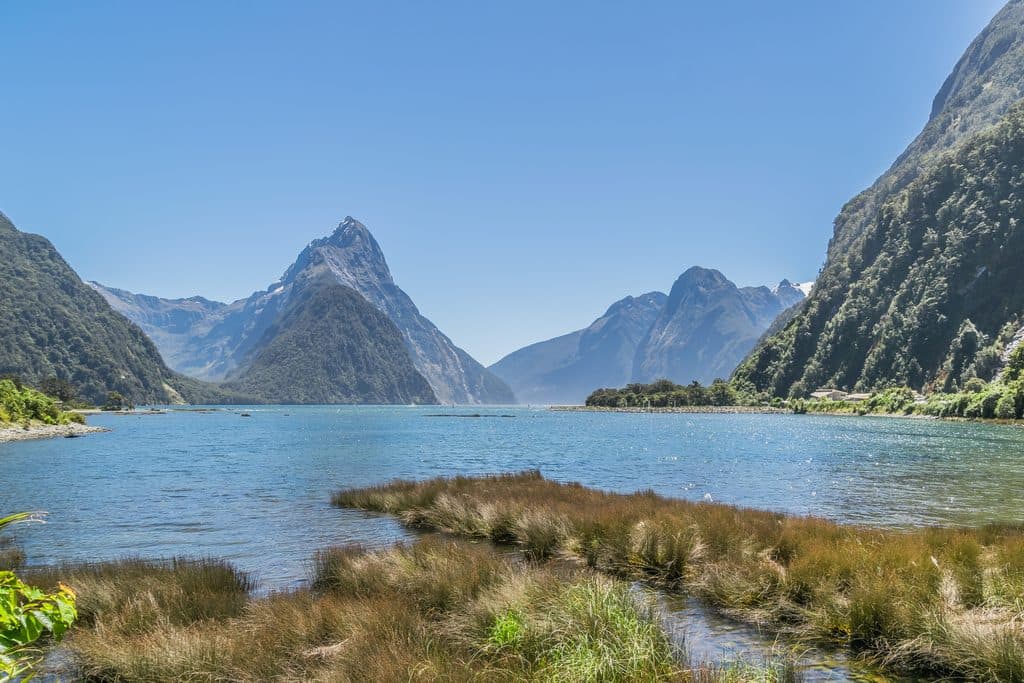
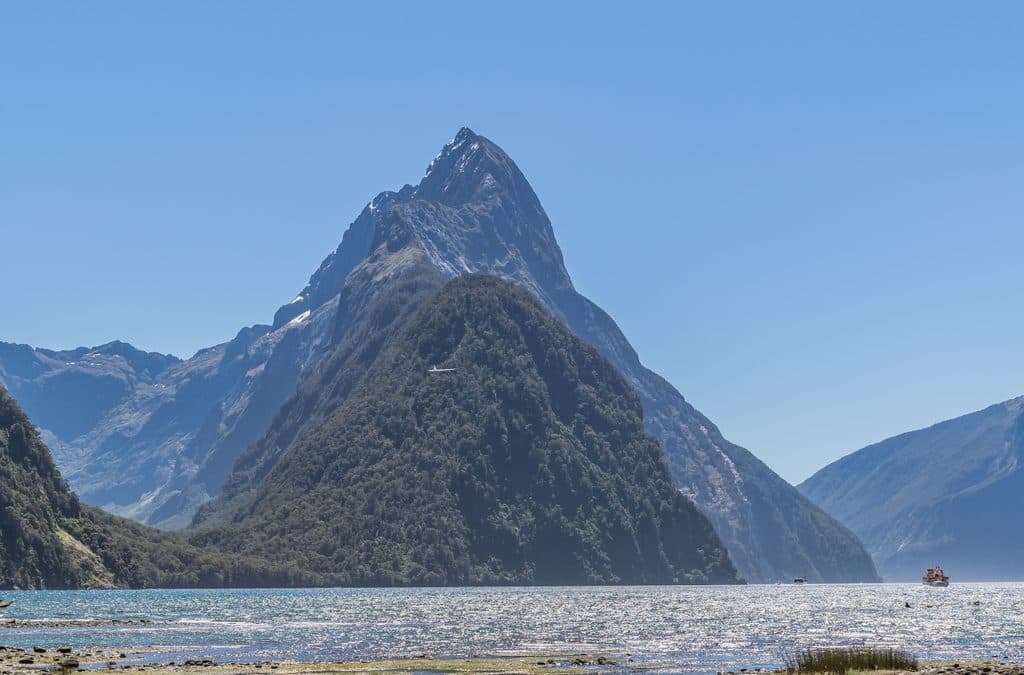
Lake Te Anau is Fiordland’s big, brooding showpiece—New Zealand’s second-largest lake and the South Island’s largest. What sets it apart are three dramatic inland fiords (North, Middle, and South Fiord) cutting into untouched forested mountains. The views stretch to Mt Luxmore and the Kepler and Murchison Ranges, with Te Anau township right on the southeastern shore as your launch pad.

What you’ll see

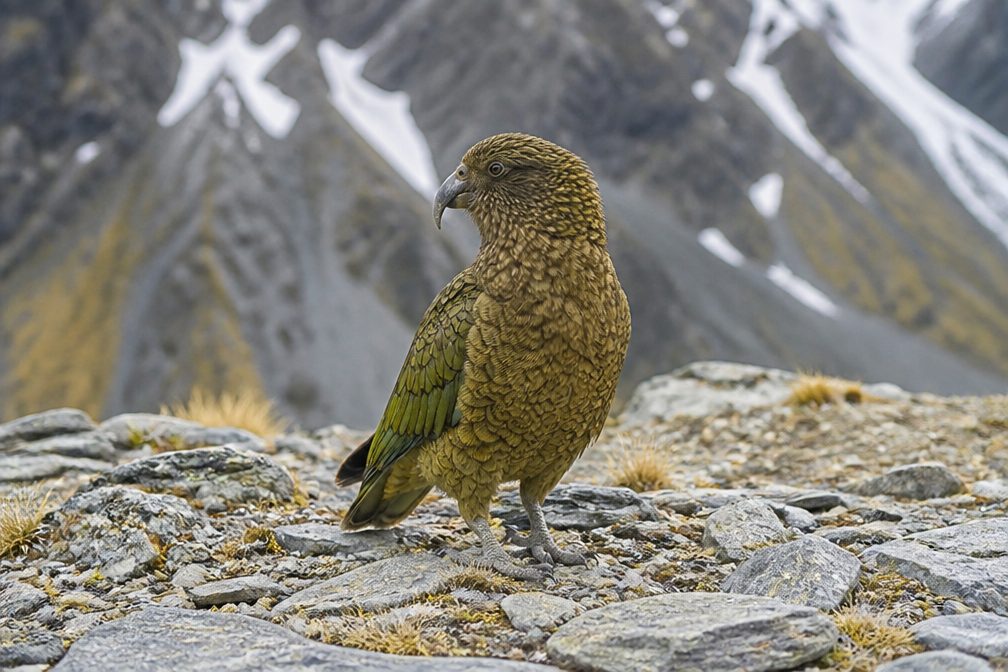
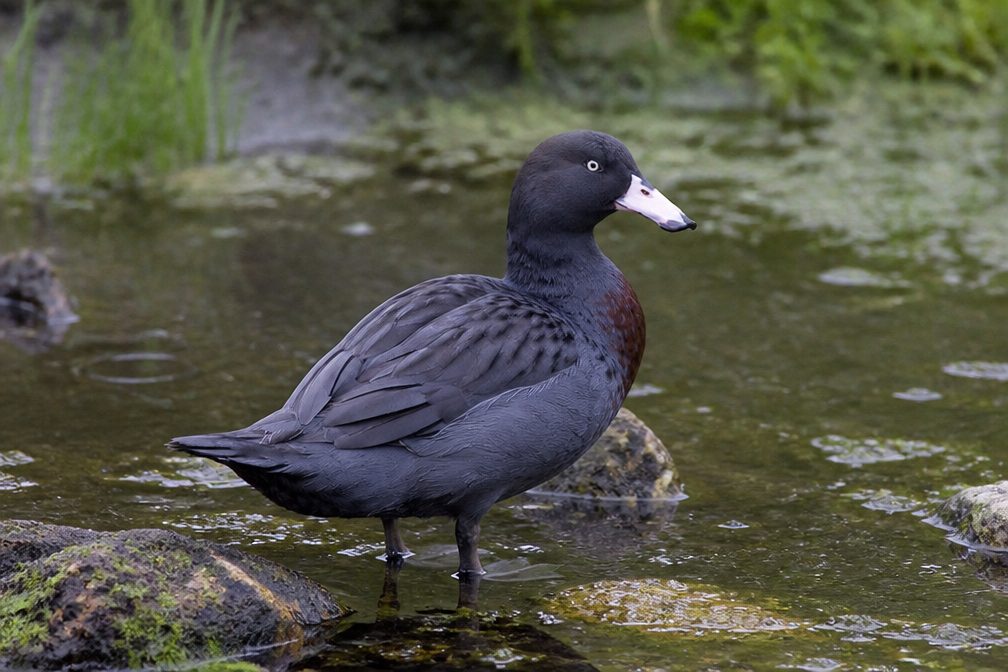
Expect endless lake-and-mountain vistas, moody weather theatrics, and absurdly good summer sunsets over the ranges. On shore, the Punanga Manu o Te Anau/Te Anau Bird Sanctuary lets you meet rare natives like takahē, along with kea, kākā, tūī, and parakeets. Out on the water, the fiord-like arms feel wild and remote—classic Fiordland without the sea.

Things to do

  • Get on the water: take a scenic cruise or kayak from operators based in town.
  • Cross the lake to the Te Ana-au glowworm caves—an active cave system lit by thousands of glowworms.
  • Stroll the lakeside paths or use Te Anau as your hub for the Kepler, Routeburn, and Milford Tracks.
  • Cast a line: nearby rivers and the lake host brown and rainbow trout.

How it fits into your trip

Te Anau is the “gateway to Fiordland” and the smartest base for Milford or Doubtful Sound trips. You’ll find the Fiordland National Park Visitor Centre right on the lakefront for track info, permits, boating guidance and the latest conditions.

Nature and geology snapshot

Carved by ice during the last glaciations, Te Anau’s depth (down to 425 m) and long north–south fetch give it the big, cinematic scale Fiordland is known for. Those inland fiords are glacial arms—rare worldwide in a lake setting—and the surrounding landscape is part of the Te Wāhipounamu World Heritage area.

Wildlife highlights

  • At the sanctuary: takahē are the headliners, with other protected species managed for viewing.
  • Around the lake: keep an eye (and ear) out for kākā, tūī, kea, and parakeets.

Best time to visit

  • Light: Summer evenings bring lingering golden light and striking sunsets. Mornings can be calm for reflections and smooth-water paddling.
  • Crowds: Te Anau is a busy base in peak season, but the lakeshore absorbs people well; boats spread visitors out.
  • Weather: Fiordland is unpredictable year-round—build in buffer time for rain and wind.

Need-to-know

  • Start at the lakefront visitor centre for current track, boating, and safety info.
  • Clean and dry all gear if you’re moving between waterways to prevent freshwater pests.
  • Stock up on food and essentials in Te Anau before heading deeper into the park.

Pros

  • Only inland fiords in New Zealand branch off its western shore
  • Easy base in Te Anau for cruises, kayaking, and glowworm cave tours
  • Lakeside bird sanctuary to see endangered takahē and other natives

Cons

  • Weather is famously wet and changeable, which can disrupt plans
  • Vast size means many arms and beaches are hard to reach without a boat

Tips

  • Begin at the lakefront visitor centre for current conditions and permits.
  • Book cruises or glowworm cave tours in advance during peak season.
  • Clean, drain, and dry boats and gear to prevent didymo spread.
  • Aim for summer evenings for the best sunset color over the ranges.
  • Stock food and supplies in Te Anau before heading deeper into Fiordland.
The Parkwolf tour guide sitting on a phone mounted in a car

Parkwolf Tour Guide

Like a tour guide in your car.

Save the places you found around Fiordland, then let Parkwolf guide the drive between them.Download Parkwolf on the App Store