Long Sound / Te Awaroa

Remote fiord, rare corals, and deep, restorative solitude
Long Sound / Te Awaroa, Fiordland National Park
InsideFiordland National Park

Overview

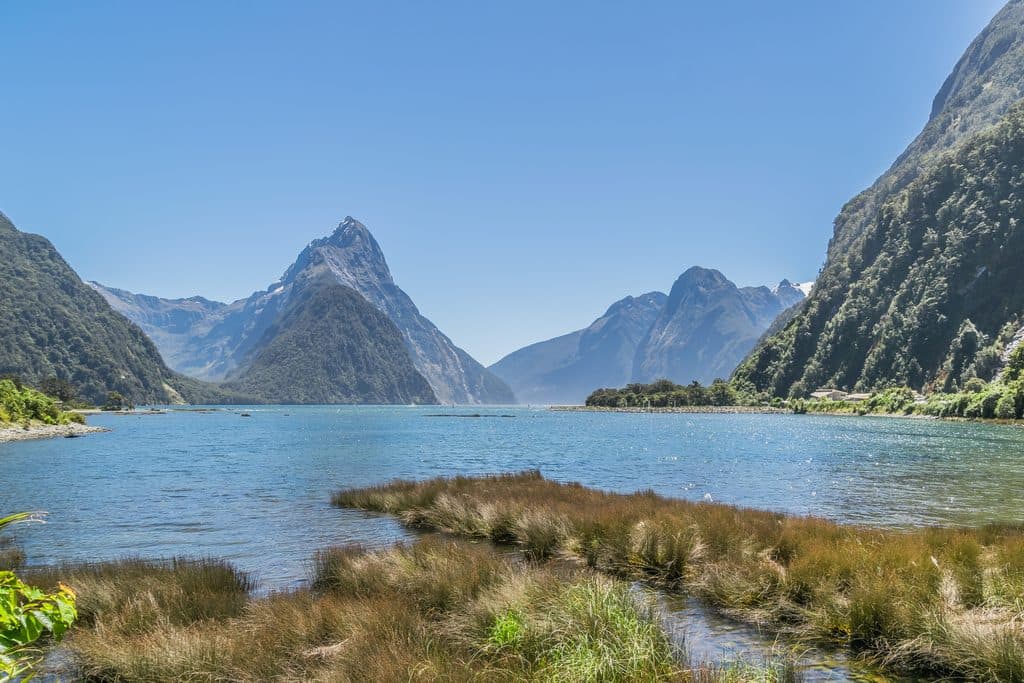
Long Sound / Te Awaroa is Fiordland’s southernmost major fiord, tucked inland from Preservation Inlet. It’s long, deep, and beautifully isolated—more so than the headline-grabbing fiords up north. Most of the waterway sits inside Te Tapuwae o Hua (Long Sound) Marine Reserve, the largest in Fiordland at 3,672 hectares, which is a big reason it feels so pristine.

What You’ll See

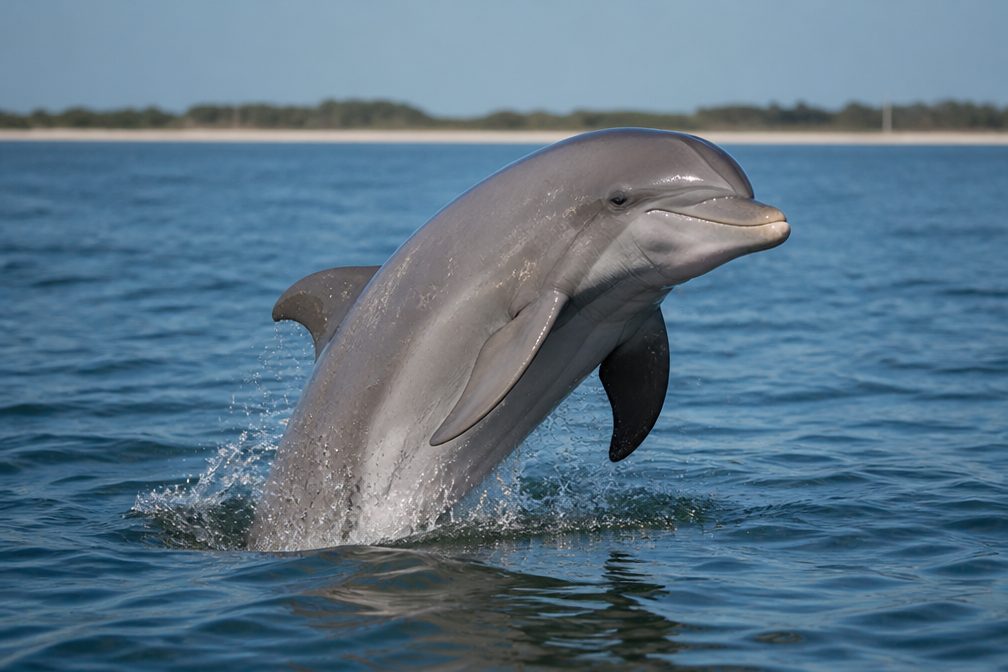
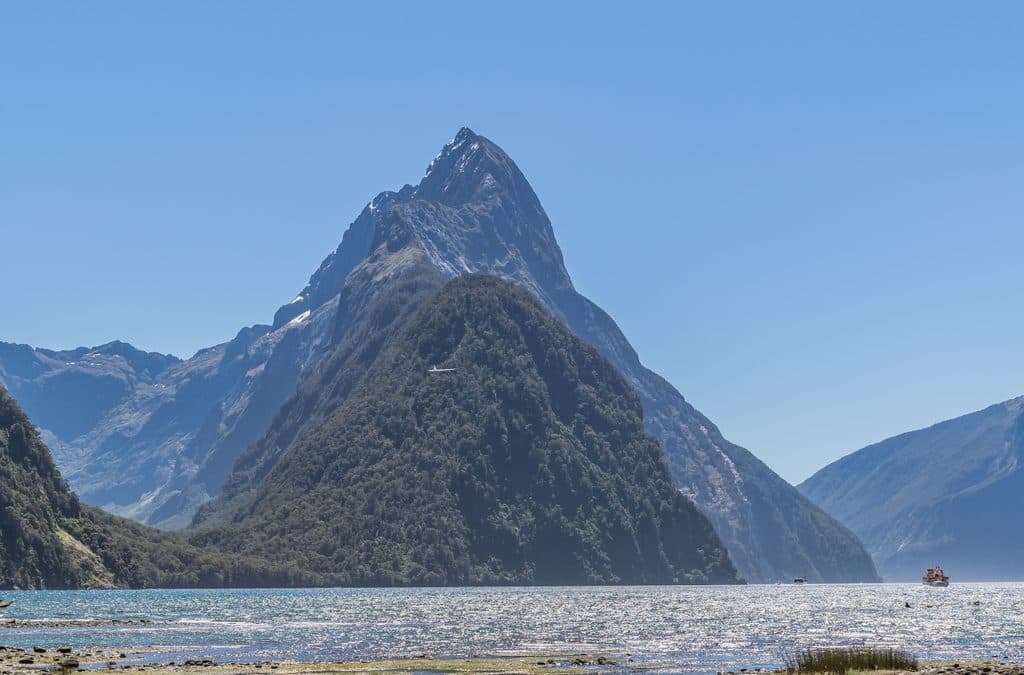
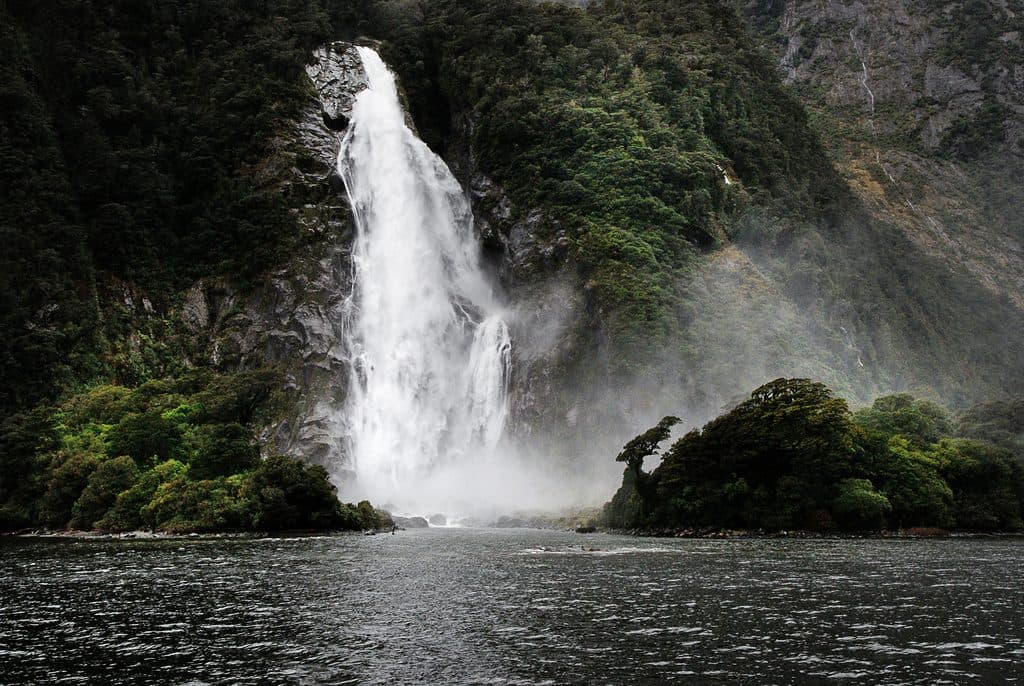
A narrow entrance called The Narrows opens into a broad, sheltered basin, with steep, forested slopes plunging straight into the water. Under the surface is the real show: rock-wall communities and a thick freshwater “lid” that lets deepwater species survive unusually close to the surface. Expect rare red and stony corals, lampshells, tube worms, rock crabs, and shallow-water black coral. At The Narrows, look for the famed “strawberry fields”—dense congregations of strawberry holothurians (sea cucumbers). Seals, dolphins, and birdlife are part of the wider Fiordland picture, but this place is really about the marine world.

Why It’s Special

Few places in Fiordland feel this undisturbed. The combination of a protected marine reserve, low visitation, and dramatic fjord scenery adds up to a rare sense of wilderness and quiet.

Access and On-the-Water Notes

There are no roads, tracks, or facilities—access is by private boat or specialist expedition only. Anchoring is prohibited in sensitive areas (especially The Narrows) to protect fragile habitats. If you’re boating, come prepared with robust gear (a high‑holding anchor and at least 70 m of chain/rope) and expect zero services.

Practicalities

  • Sandflies are persistent, especially near shore in warm, calm spells—bring repellent and fit mesh screens on boat openings.
  • Avoid anchoring near pest‑free islands to prevent introducing rodents.
  • Weather is typically very wet; pack serious rain gear. There are no toilets, stores, or fuel here.

History & Geology

Like the rest of Fiordland, Long Sound was carved by glaciers into a steep‑sided, deep basin. The marine reserve was established in 2005, and the dual name reflects New Zealand’s bicultural heritage.

Best Time to Visit

  • Anytime you get a stable weather window is the right time—this place doesn’t get crowds.
  • Early mornings often bring calmer water and better reflections for photography.
  • Warmer, calmer periods mean more sandflies; plan accordingly.
  • There are no hours or gates—just the sea state and your seamanship.

Pros

  • Largest Fiordland marine reserve with rare corals and “strawberry fields”
  • True solitude in a long, sheltered fiord beyond The Narrows

Cons

  • No road access or services; realistic only for well‑equipped boats
  • Anchoring restrictions and sandflies can complicate visits

Tips

  • Access is by private boat only—there are no roads or facilities.
  • Do not anchor at The Narrows; bring a high‑holding anchor and ~70 m of rode.
  • Carry strong insect repellent and fit mesh screens for sandflies.
  • Much of the area is a marine reserve—know the boundaries and rules before you go.
  • Stay clear of pest‑free islands to avoid accidental rodent introductions.
The Parkwolf tour guide sitting on a phone mounted in a car

Parkwolf Tour Guide

Like a tour guide in your car.

Save the places you found around Fiordland, then let Parkwolf guide the drive between them.Download Parkwolf on the App Store