Mount Tūtoko

The park’s high point, a wild granite-and-glacier summit for climbers
Mount Tūtoko, Fiordland National Park
InsideFiordland National Park

Overview

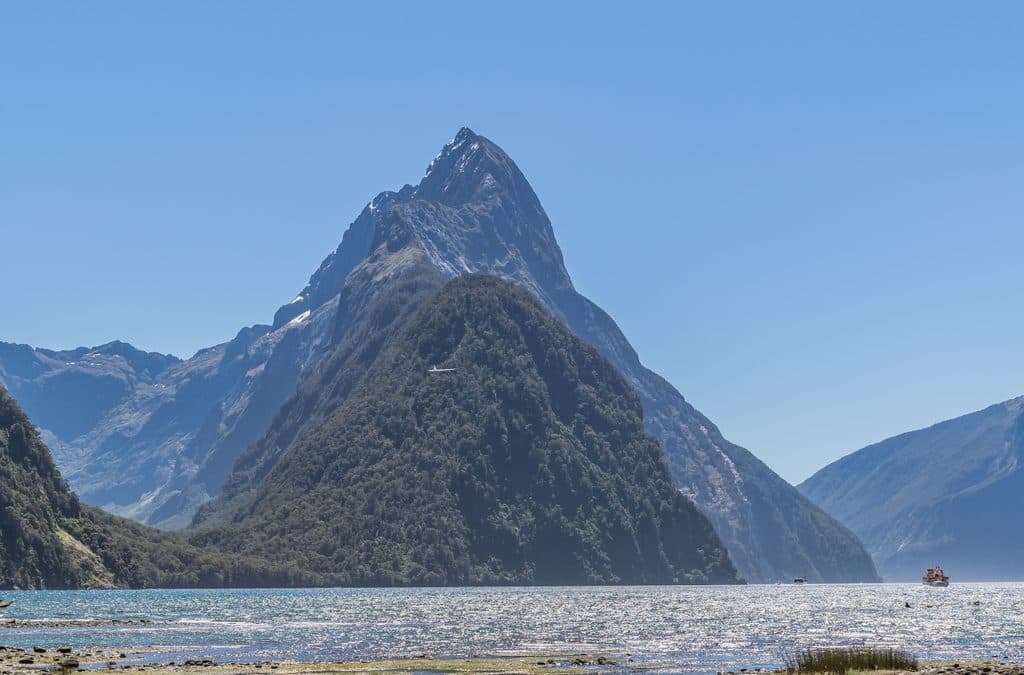
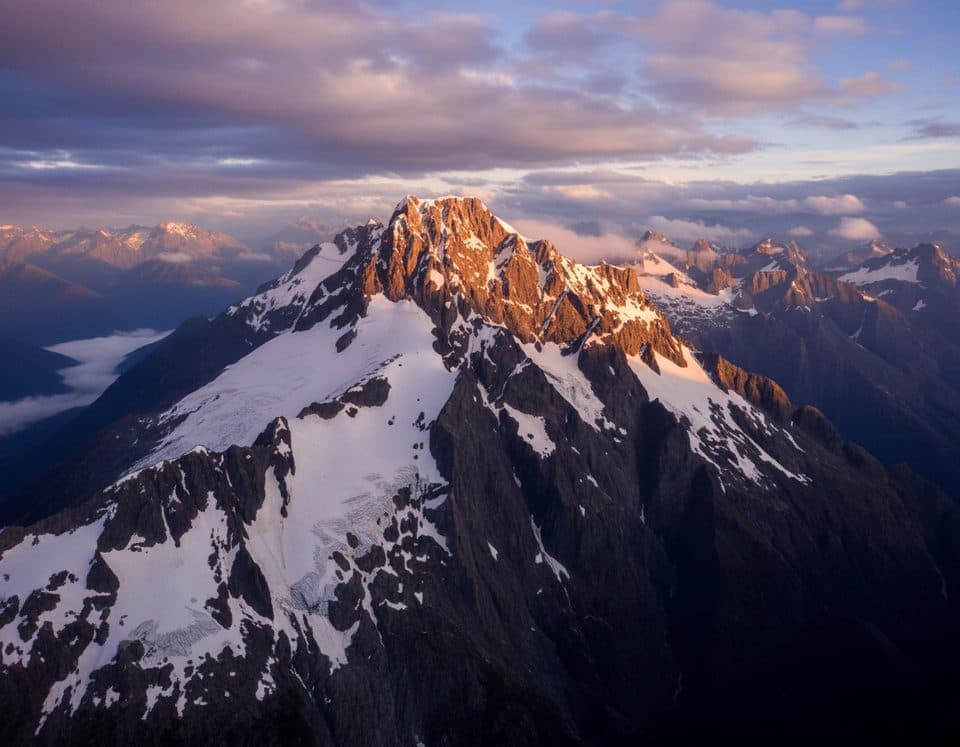
Mount Tūtoko is the park’s undisputed high point at 2,723 m, rising from the Darran Mountains between the Hollyford Valley and Milford Sound. Think steep granite architecture, knife-edge ridges, and multiple glaciers—including the Age Glacier—feeding a permanently icy upper mountain and the snow-clad Ngapunatoru Plateau.

What Makes It Special

Tūtoko is the alpine crown of the region: remote, glaciated, and wonderfully uncompromising. For experienced mountaineers it’s a premier, serious objective; for everyone else, it’s a peak to admire from the valley or by scenic helicopter flight that can bring you close to the plateau without touching a rope.

What You’ll See

  • Granite walls, snow ridges, and active, fast-flowing glaciers.
  • On clear days, vast alpine vistas from high on the mountain, with the wild Fiordland skyline rolling to the Tasman Sea.
  • Good ground-level perspectives from the Hollyford Track and the challenging Tūtoko Valley Route.

Who It’s For

This is not a casual hike. Ascents involve long, technical days on complex, glaciated terrain with hazards like crevasses, serac/rockfall, and avalanche. Climbers need serious alpine experience or a professional guide. Non-climbers still get an unforgettable look via valley routes or scenic flights that sometimes land near the Ngapunatoru Plateau.

Access & Logistics

DOC classifies the Tūtoko Valley Route as a challenging tramping route up the Tūtoko River; it’s a logical corridor beneath the mountain but not a serviced track with amenities. Some climbing approaches use helicopter drops (for example, to bivvy sites), but you should expect full self-sufficiency in truly remote country. There are no facilities at the mountain.

Weather Reality

Fiordland is famously wet and volatile. Windows are short and forecasts change fast, so plans often hinge on catching a brief high-pressure spell. Build in buffer days and be ready to pivot.

Wildlife

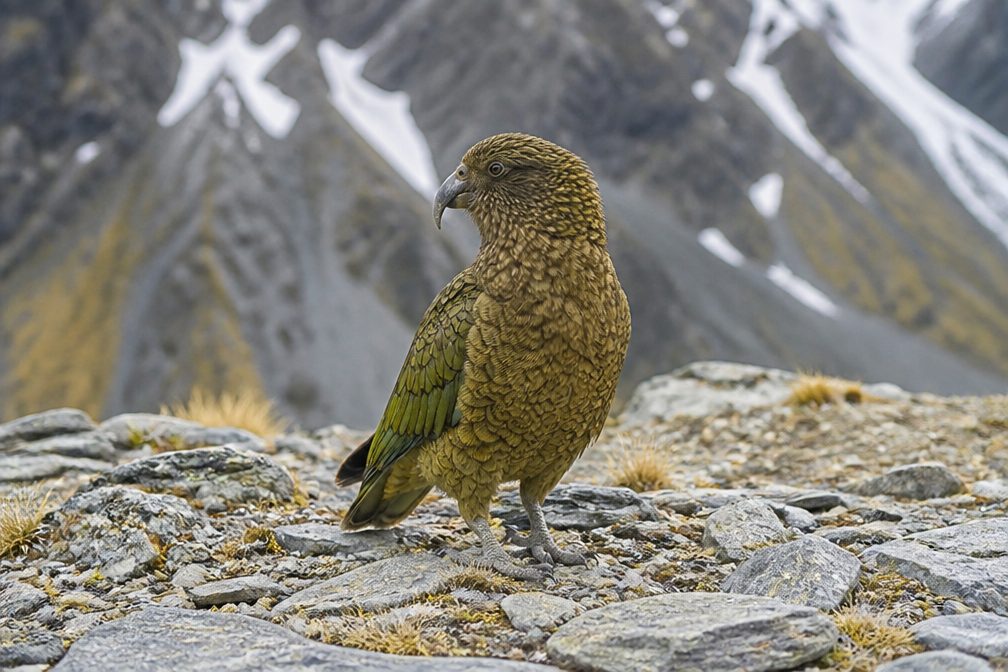
Alpine country here is sparse but alive: in surrounding valleys and slopes, you may encounter native birdlife like kea and New Zealand falcon, and hardy alpine plants on lower shoulders of the range.

History

The mountain is named for Chief Tūtoko, a rangatira who lived near Martins Bay. The first ascent was in 1924 by Samuel Turner and Peter Graham via the northwest ridge. The official name Mount Tūtoko was gazetted in 2019.

Best Time to Visit

  • Season: Whenever a stable weather window appears; there isn’t a gentle season here.
  • Week timing: Crowds aren’t the issue—conditions are. Stay flexible.
  • Photography: Early/late light brings out relief on the granite faces; from the valleys, aim for clear, crisp mornings after a front passes.


Practical Tips

  • Treat it as true wilderness: there are no amenities—carry everything, and plan for self-rescue.
  • If you’re not a seasoned alpinist, consider a scenic helicopter flight that lands near the Ngapunatoru Plateau for close-up views.
  • For ground perspectives, use the Hollyford Track or the Tūtoko Valley Route and check DOC alerts before you go.
  • Climbers should be proficient in glacier travel and bring a PLB/satellite comms, full alpine kit, and extra food for weather delays.

Pros

  • Highest peak in the park with year-round snow and glaciers
  • Wild, dramatic alpine scenery and big panoramic views

Cons

  • Extremely remote and technical; not suited to casual hikers
  • No facilities and very fickle Fiordland weather windows

Tips

  • Plan around short, fickle weather windows; build buffer days.
  • Non-climbers can consider a scenic helicopter flight near the Ngapunatoru Plateau.
  • For ground views, try the Hollyford Track or the Tūtoko Valley Route.
  • Climbers: bring full glacier kit and a PLB/satellite device.
  • There are no facilities at the mountain—carry all supplies and be self-sufficient.
The Parkwolf tour guide sitting on a phone mounted in a car

Parkwolf Tour Guide

Like a tour guide in your car.

Save the places you found around Fiordland, then let Parkwolf guide the drive between them.Download Parkwolf on the App Store