Port Craig

Remote sawmill ruins by a dolphin-filled bay on the South Coast
Port Craig, Fiordland National Park
InsideFiordland National Park

Overview

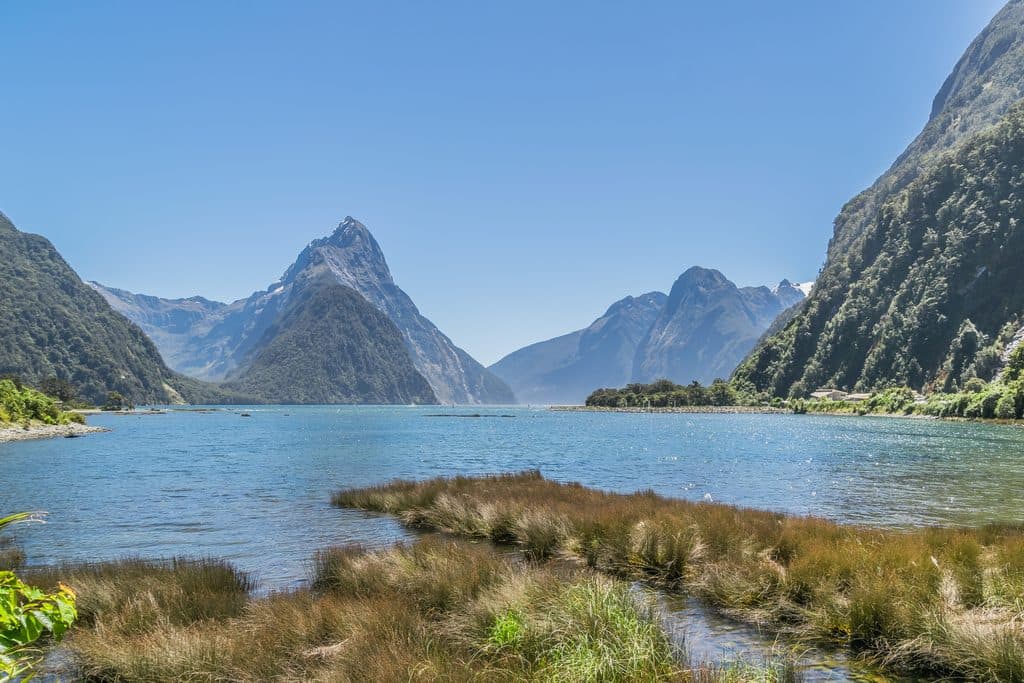
A remote coastal settlement turned open-air museum, Port Craig blends wild South Coast scenery with the story of New Zealand’s most ambitious 1920s timber town. You’ll wander past the old wharf site and industrial remnants, then bed down in the former schoolhouse—now a DOC hut—while surf rolls in below.

Why go

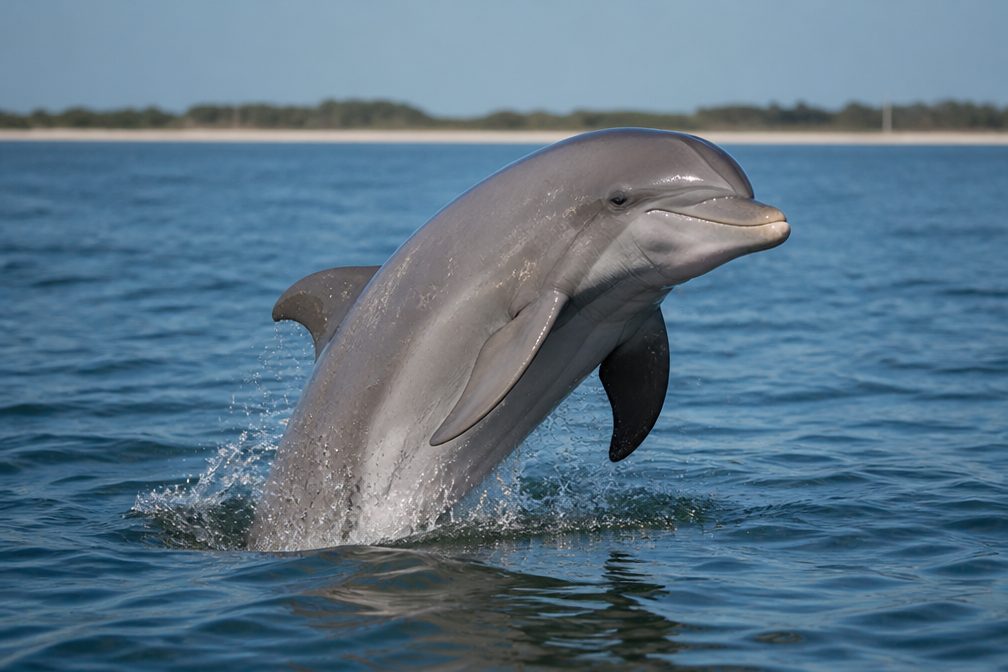
If you like your history with a side of sea breeze, this is the stop. The ruins are atmospheric, the coastline is ruggedly beautiful, and wildlife often steals the show—Hector’s dolphins are regularly seen working the bay. It’s a core waypoint on both the South Coast Track and the Hump Ridge Track, so you get a satisfying mix of heritage and big coastal walking.

What you’ll see

  • Heritage scatter: remains of the sawmill, tramway gear (think hulking haulers), and the old wharf area.
  • Port Craig School House (hut): the restored school building with interpretive panels that make the place’s rise-and-fall feel vivid.
  • Percy Burn Viaduct: a short walk away and the headline act—New Zealand’s largest surviving timber viaduct (125 m long, 36 m high), one of four historic viaducts from the timber era.

Getting there

You reach Port Craig on foot along the South Coast Track. From the Rarakau car park it’s roughly 7 hours/20 km to the settlement. Some sections can be walked on the beach at low tide between the track and the trailhead; expect rock-hopping and plan around tides.

History snapshot

Port Craig burst to life in 1921 when the Marlborough Timber Company built the country’s largest, most modern sawmill and a network of tramways and timber viaducts to feed it. The dream fizzled by 1928, the bush began reclaiming the site, and decades later restoration work preserved key structures like the Percy Burn Viaduct. Today the setting is quiet but not deserted thanks to the popular tracks that pass through.

Wildlife

Hector’s dolphins are the local celebrities—watch for the rounded dorsal fins in calm conditions, especially near the old piers/wharf area. Seabirds are common along the coast, and very occasional sightings of Fiordland crested penguins do happen.

Know before you go

  • Sandflies are relentless; bring strong repellent and consider a head net.
  • There are no services. Carry all food and (if you plan to cook) your own pots/pans; water at the hut must be boiled before drinking.
  • Track sections in this area range from intermediate to expert beyond Port Craig—plan skills and time accordingly.

Best time to visit

  • Late afternoon to sunset brings mellow light on the bay and often calmer seas for dolphin spotting.
  • Weekdays outside peak summer see fewer walkers; the Hump Ridge crowd can make it feel busier in high season.
  • Time any beach variants for low tide; storms and swell can make the coast feel very wild, very fast.


Pros

  • Evocative sawmilling relics with interpretive panels at the schoolhouse hut
  • Regular Hector’s dolphin sightings in the bay

Cons

  • Sandflies can be ferocious
  • No shops or supplies—arrive fully self-sufficient

Tips

  • Bring serious insect repellent and a head net—the sandflies mean business.
  • Carry all food and cooking gear; there are no shops and utensils are limited.
  • Boil or treat hut water before drinking.
  • Check tides if you plan to use beach sections between Port Craig and Rarakau.
  • Download offline topo maps—reception is patchy along the coast.
The Parkwolf tour guide sitting on a phone mounted in a car

Parkwolf Tour Guide

Like a tour guide in your car.

Save the places you found around Fiordland, then let Parkwolf guide the drive between them.Download Parkwolf on the App Store