Best time to visit
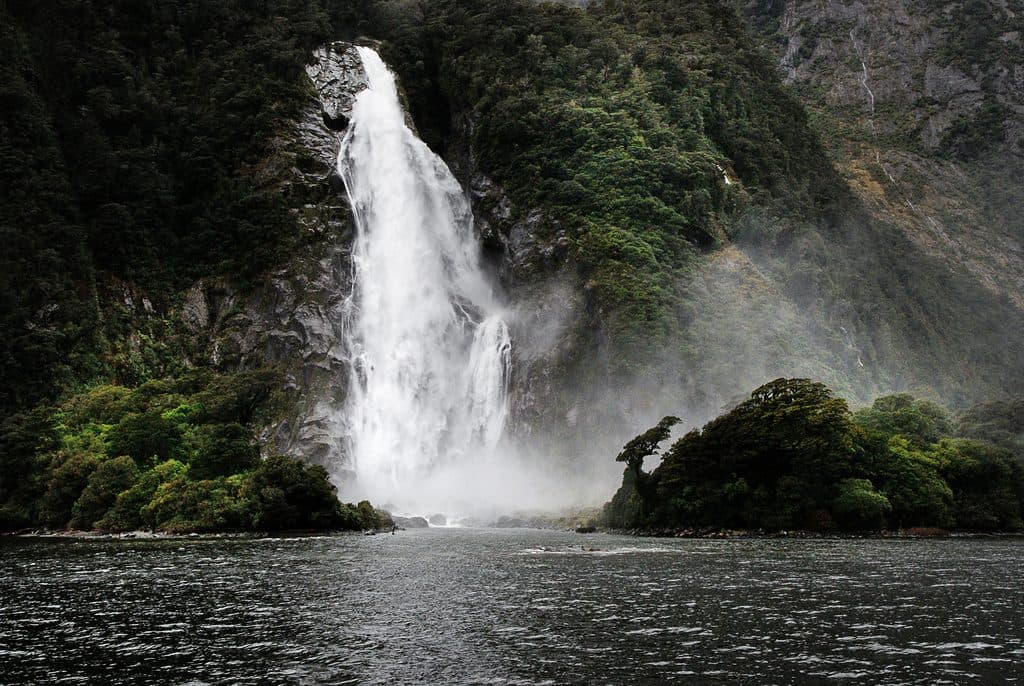
There are no hours and no crowds—your “best time” is a safe weather window. Aim for settled marine forecasts and consider timing a visit after rain if you want peak waterfalls.
Sight · Fiordland National Park
A remote, wildlife-rich fiord you’ll likely have to yourself
Overview
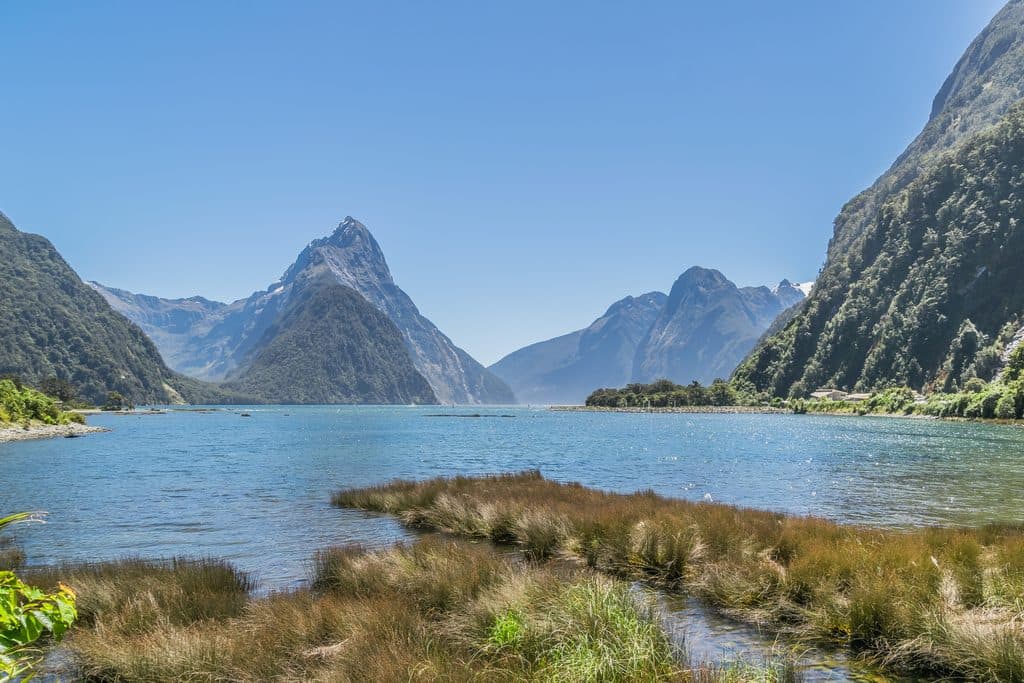
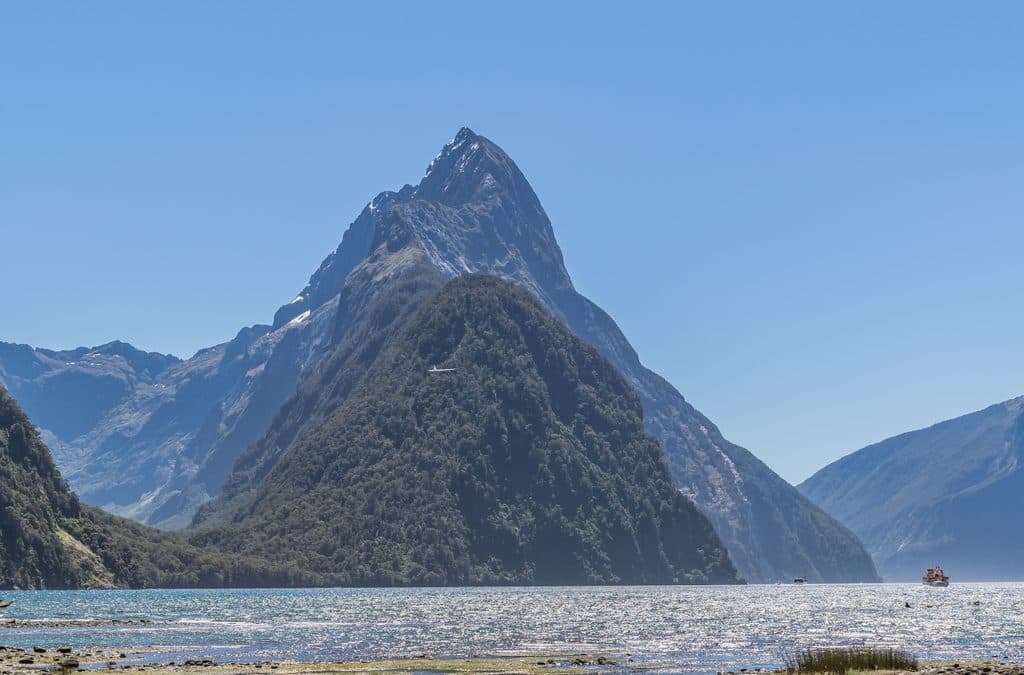
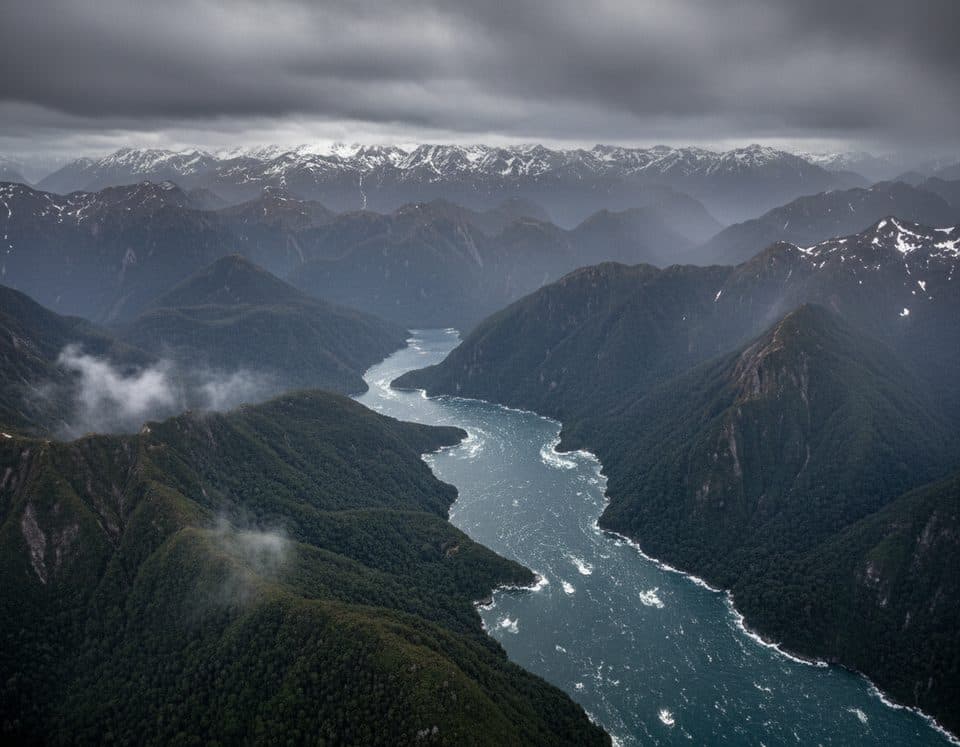
Te Rā / Dagg Sound is Fiordland at its most raw and unpeopled—an 11 km-long, narrow glacial fiord tucked between Doubtful and Breaksea Sounds. With no roads, tracks, or services, it feels like a secret: steep, rainforest-cloaked walls, waterfalls that ignite after rain, and a deep hush broken mostly by birds and swell.
Unlike Milford or Doubtful, you’re unlikely to see another vessel here. That solitude is the whole point: untouched temperate rainforest, mist-wreathed cliffs, and wildlife encounters without the crowd chatter. The official dual name, Te Rā / Dagg Sound, nods to both Māori and European histories.
 Parkwolf’s verdictWhy it’s special
Map
Local know-how
Arrange a boat charter or heli—there is no road or track access.
Bring everything you need, including a toilet plan; there are no facilities.
Build flexibility around the marine forecast and swell at the fiord mouth.
Pack serious rain gear and strong sandfly repellent.
Carry binoculars for spotting dolphins, fur seals, and possible penguins along shore.
Plan your stop
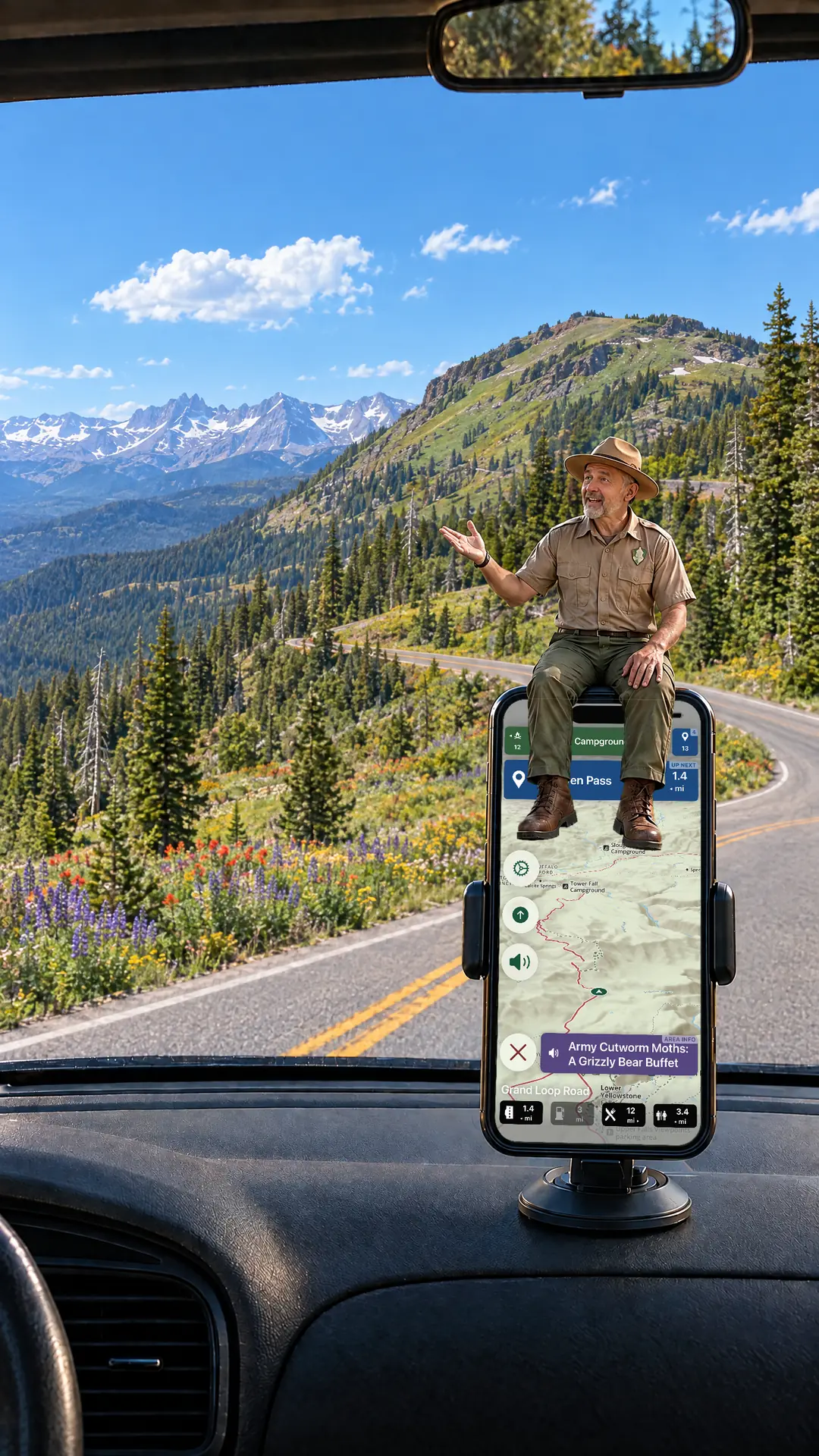
The highest, rockiest slopes around here are a summer buffet for grizzly bears.
Fiordland Tour Guide
Parkwolf is a GPS audio tour guide for Fiordland National Park. As you drive, it chimes in with what’s ahead: hidden gems, upcoming stops, history, geology, and wildlife, right through your car’s speakers.
See the Fiordland audio tour“Fantastic app with many points of information… It’s great to just turn on while you’re driving and it gives you an audio tour of the national Park. We love it!!!!”


Guide
Expect marine life to be the headliner: bottlenose dolphins often work the inlets, New Zealand fur seals haul out near the mouth, and Fiordland crested penguins may appear along rocky shorelines in season. Offshore, the odd humpback or orca passes by. Forested slopes shelter native birdlife, while seabirds patrol the fiord mouth.
Fiordland is famously wet and changeable. Heavy rain is common (great for waterfalls, tough on comfort), and swell at the mouth can be rough. There’s no cell coverage, no toilets, and no backup if you misjudge the weather. Come entirely self-sufficient: waterproofs, food and water, navigation and comms, first aid, and serious sandfly repellent. Follow Fiordland’s strict biosecurity and conservation protocols—this coast is protected and delicate.
Carved by ice during the last glaciation, the fiord slices through hard metamorphic rock, with underwater sills that shape currents and marine life. The European name recalls Captain Dagg; Te Rā references the Māori heritage of the coast.
Wildlife
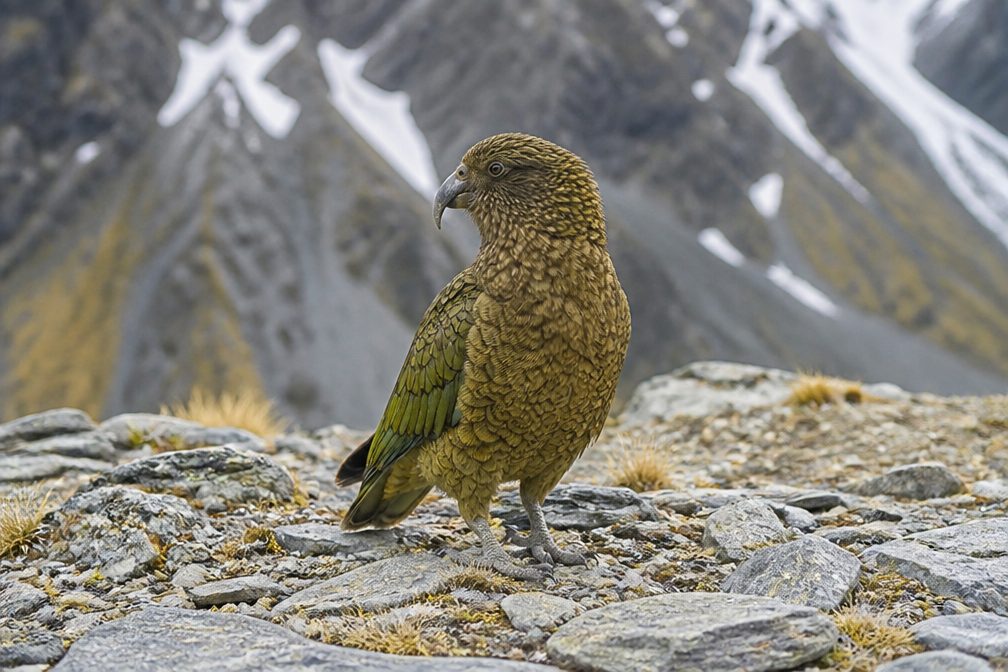 1,181 sightingsKeaMost seen around 10 AMSighting map
 199 sightingsFiordland PenguinMost seen around 7 PMSighting map
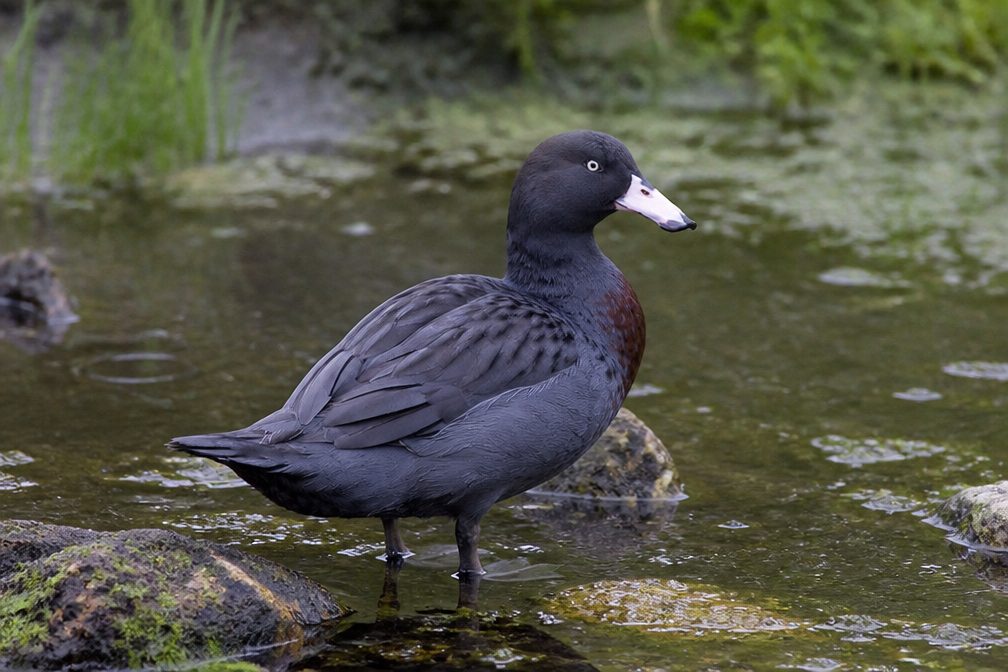 228 sightingsBlue DuckMost seen around 5 PMSighting map
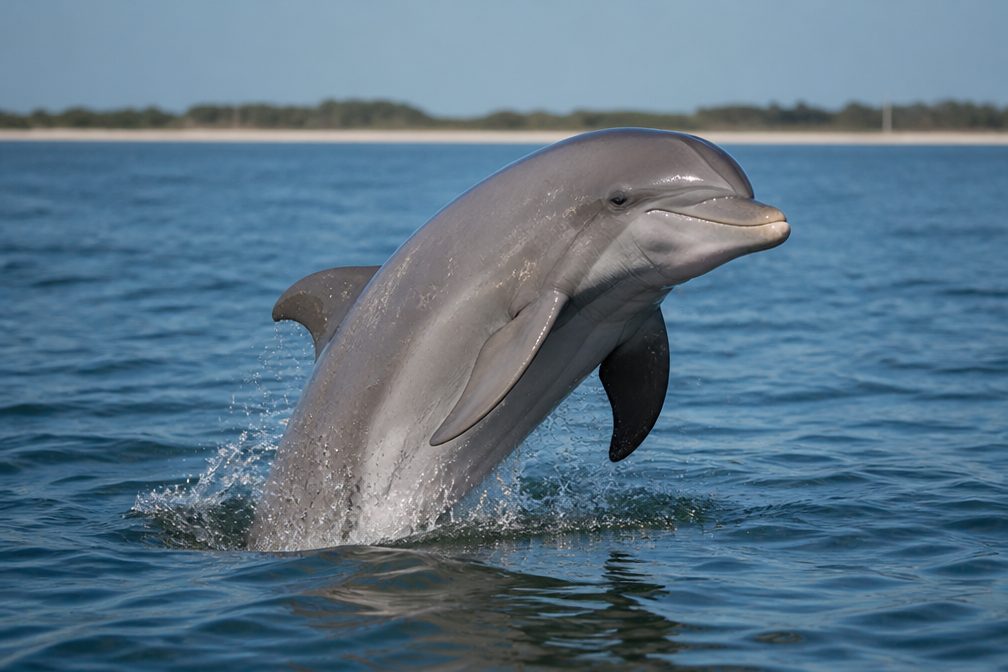 32 sightingsBottlenose DolphinMost seen around 5 PMSighting map
 247 sightingsNew Zealand Fur SealMost seen around 6 PMSighting map
 58 sightingsKākāMost seen around 6 PMSighting map
Sighting maps show where each species has been reported across Fiordland. Wildlife moves, so no sighting is guaranteed.
Parkwolf’s Fiordland ranking
The audio tour guide for the drive, plus offline maps, trails, and wildlife heatmaps for when the signal drops.