Anaktuvuk Pass Community

Remote Nunamiut village and fly-in gateway amid Brooks Range peaks
Anaktuvuk Pass Community, Gates of the Arctic National Park
InsideGates of the Arctic National Park

Overview

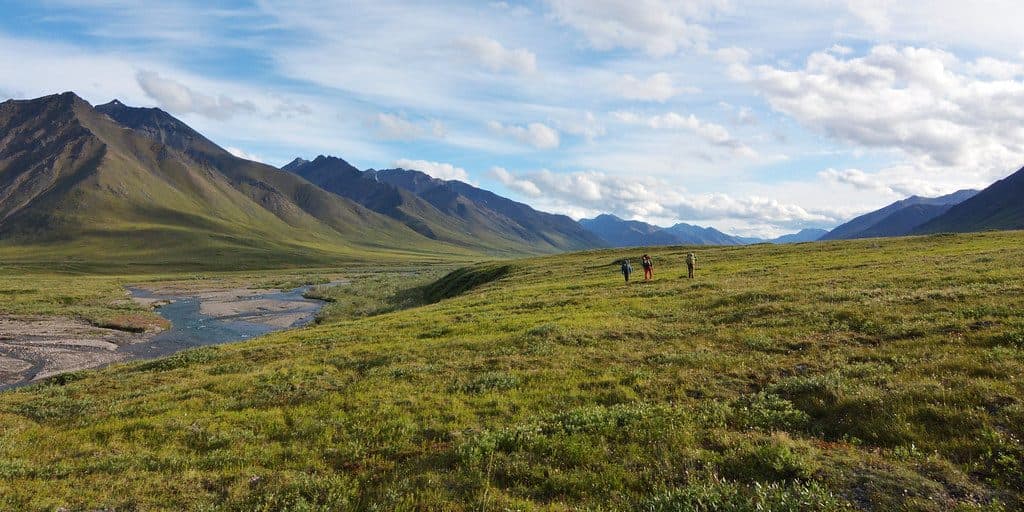
Anaktuvuk Pass is a living Nunamiut (inland Iñupiat) community set right in a broad Brooks Range mountain pass. There are no roads in—everyone flies. It’s stark, beautiful, and deeply tied to caribou, whose migration route shaped the village and even its name (“place of caribou droppings”). Expect a real community first, and a visitor base second.

Why it’s unique

This is the last remaining settlement of the inland Iñupiat. Families established the village in the 1940s after a period of dispersal, and the place still revolves around subsistence—caribou hunting, fishing, and gathering. You’re not walking into a tourist show; you’re stepping into daily life in Arctic Alaska, surrounded by tundra and mountains.

What you’ll see

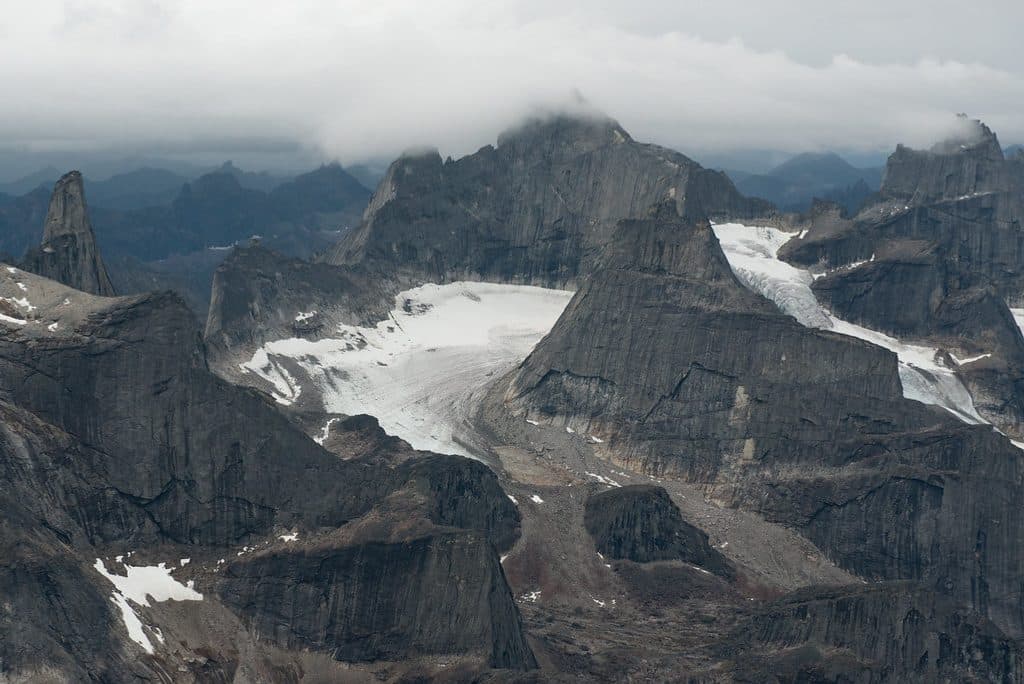
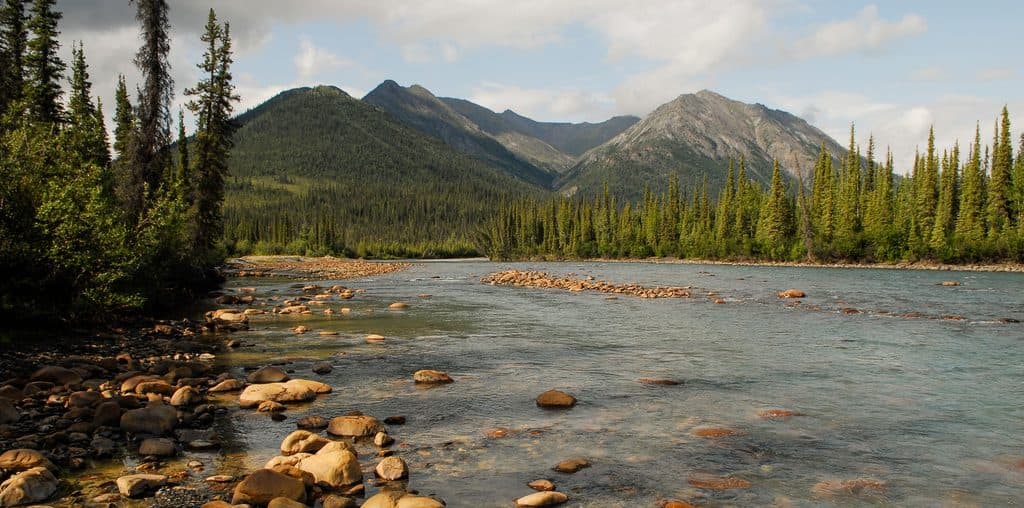
A compact village beside the airfield, ringed by tall Brooks Range peaks and open tundra. The Simon Paneak Memorial Museum (reported open year‑round) offers artifacts and local history, including the region’s deep cultural ties and natural history. In summer, a National Park Service ranger station in town is staffed and can help you plan your time and understand current conditions.

Wildlife

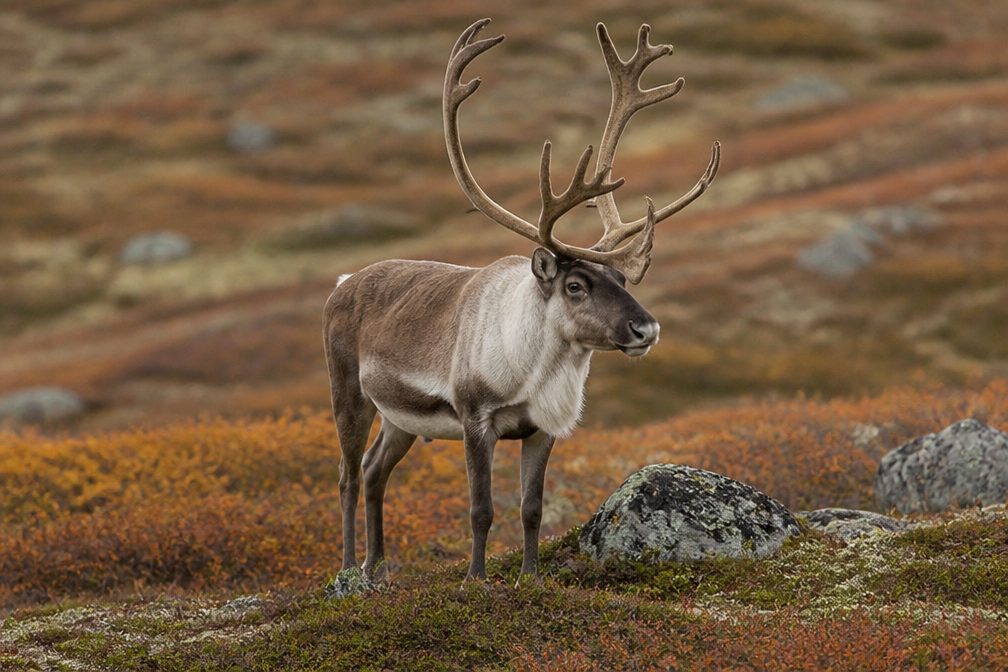
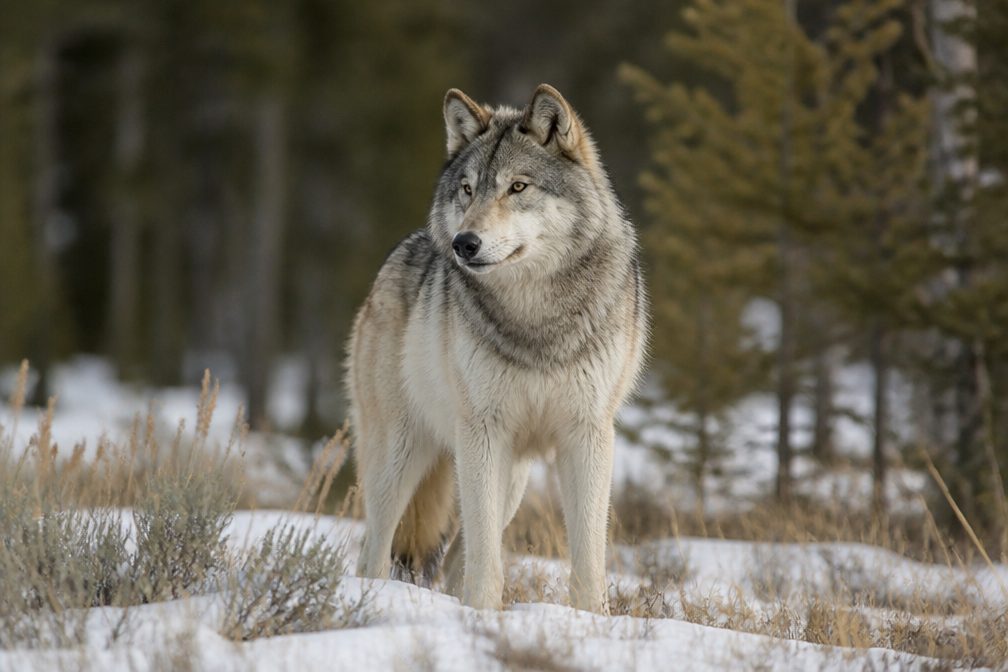
Caribou are the headline—this pass sits on a historic migration route. Depending on season, you may also encounter Arctic foxes, grizzlies, wolves, and migratory birds in the surrounding tundra and river corridors. Keep distance and give plenty of space; subsistence activities occur here.

Logistics and services

  • Access is by scheduled/commercial air only; from the airfield you can walk right into surrounding park lands.
  • Services are sparse. There’s a community store for groceries and essentials, but no restaurant and no gas station.
  • A seasonal NPS ranger station operates in summer for information. Otherwise, plan to be self‑sufficient.

Etiquette and respect

This is an active Nunamiut community. Be considerate: ask before photographing people or private property, and be mindful of ongoing subsistence activities around town and on nearby lands.

Best time to visit

  • Summer (June–August) is the most practical: the ranger station is staffed, daylight is endless, and flight reliability improves.
  • Winter can be severely cold (roughly −5°F to −50°F typical ranges) with limited daylight and frequent weather holds—only for the very prepared.
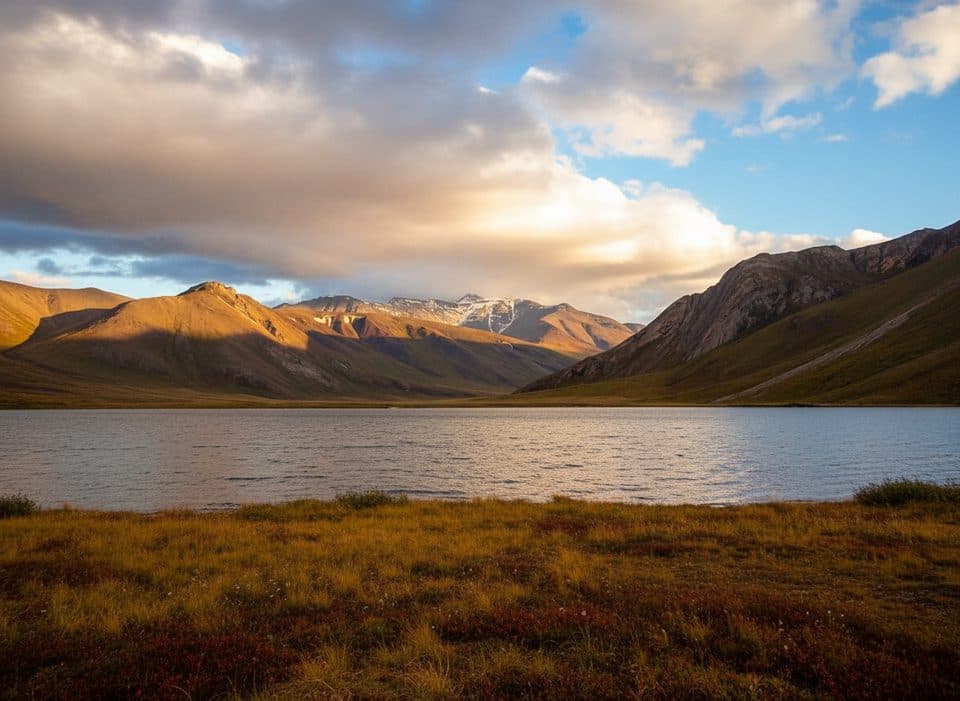
  • For photography, soft evening light in summer pairs beautifully with the surrounding peaks.

Quick history snapshot

Nunamiut ancestors were once nomadic inland Iñupiat. After caribou declines in the early 1900s, families eventually regrouped here, forming a permanent community that incorporated in the mid‑20th century. The cultural throughline—caribou—remains.

Pros

  • Seasonal NPS ranger station with up-to-date info
  • Simon Paneak Memorial Museum highlights Nunamiut culture

Cons

  • Air-only access with frequent weather delays
  • Very limited services and no restaurants or gas

Tips

  • Build generous buffers into your flight schedule for weather delays.
  • Bring extra food, layers, and essential supplies—services are minimal.
  • Check in at the summer ranger station for current info and trip advice.
  • Ask permission before photographing residents or private property.
  • Plan museum time—it’s the best intro to Nunamiut history and culture.
The Parkwolf tour guide sitting on a phone mounted in a car

Parkwolf Tour Guide

Like a tour guide in your car.

Save the places you found around Gates of the Arctic, then let Parkwolf guide the drive between them.Download Parkwolf on the App Store