Pros & cons
PROS
- Premier fly-in gateway for extended Brooks Range wilderness trips
- High chance of memorable wildlife encounters
- Profound solitude in a pristine Arctic setting
CONS
- No facilities or established trails
- Weather can delay flights and complicate plans
- Mosquitoes can be intense in summer
Overview
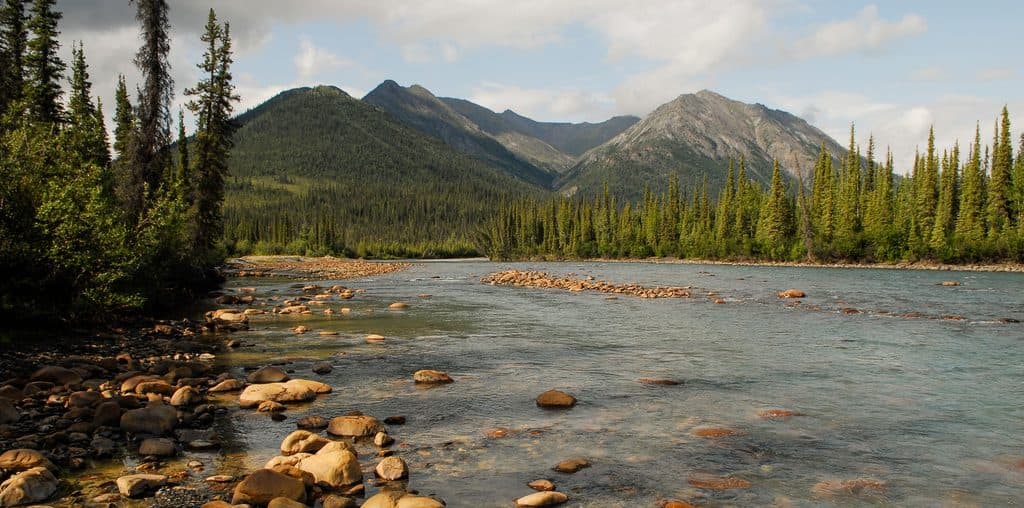
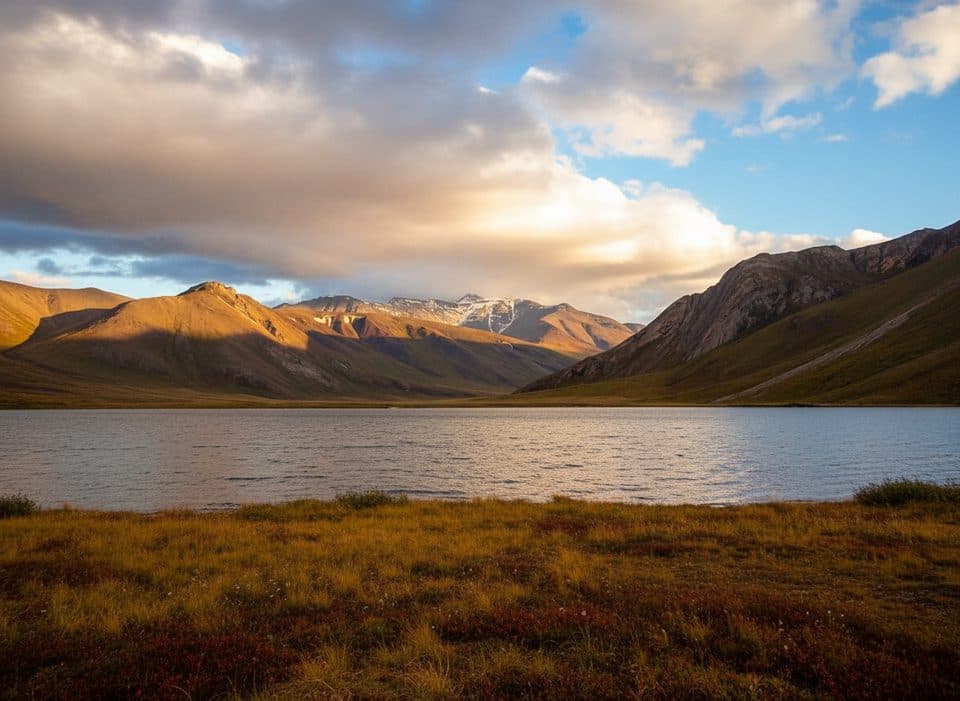
Kurupa Lake is a long, slender wilderness lake tucked among the high ridgelines of the central Brooks Range. About three miles end to end, it sits in rugged, glacially carved country where the Kurupa River both enters and exits the lake. There are no roads, no trails, and no infrastructure—this is raw, unfiltered Arctic.
Why Come Here
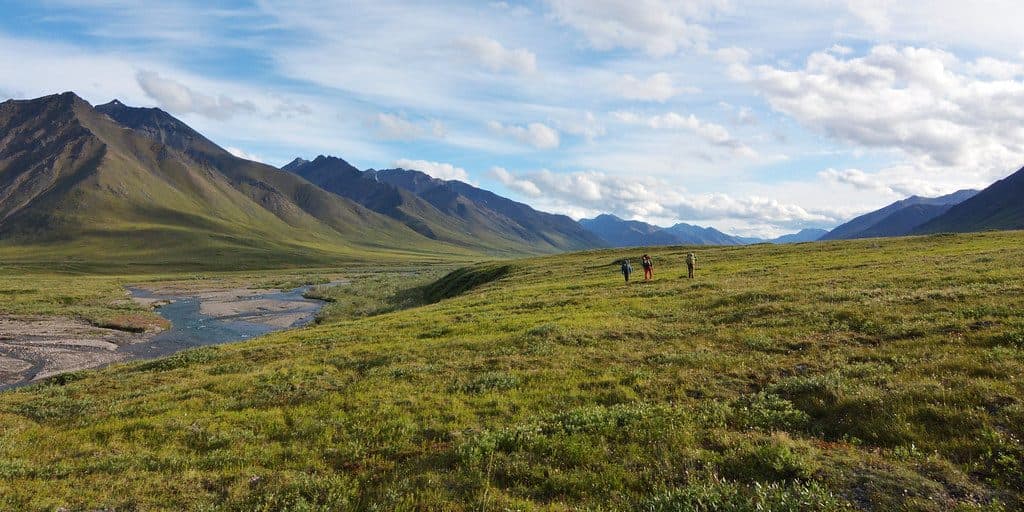
If you’re looking for true remoteness, this is one of the park’s standout gateways. It’s less visited than Walker Lake yet considered the key access point for the park’s northwest sector. Most people arrive by floatplane and then set out on backpacking or paddling routes that thread through tundra valleys and high, rocky passes.
What You’ll See
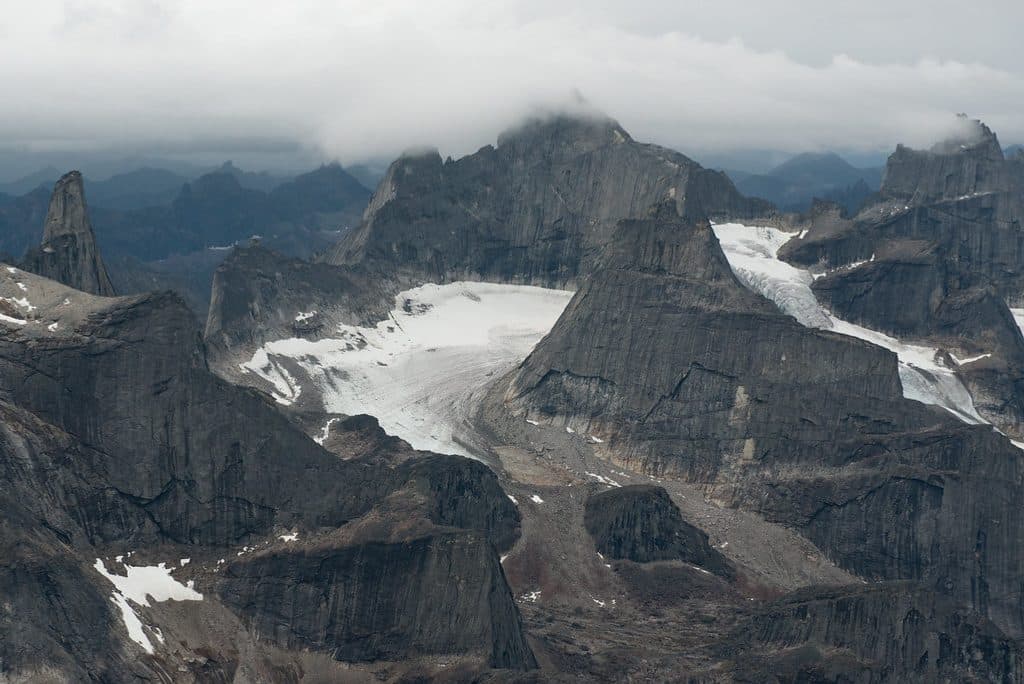
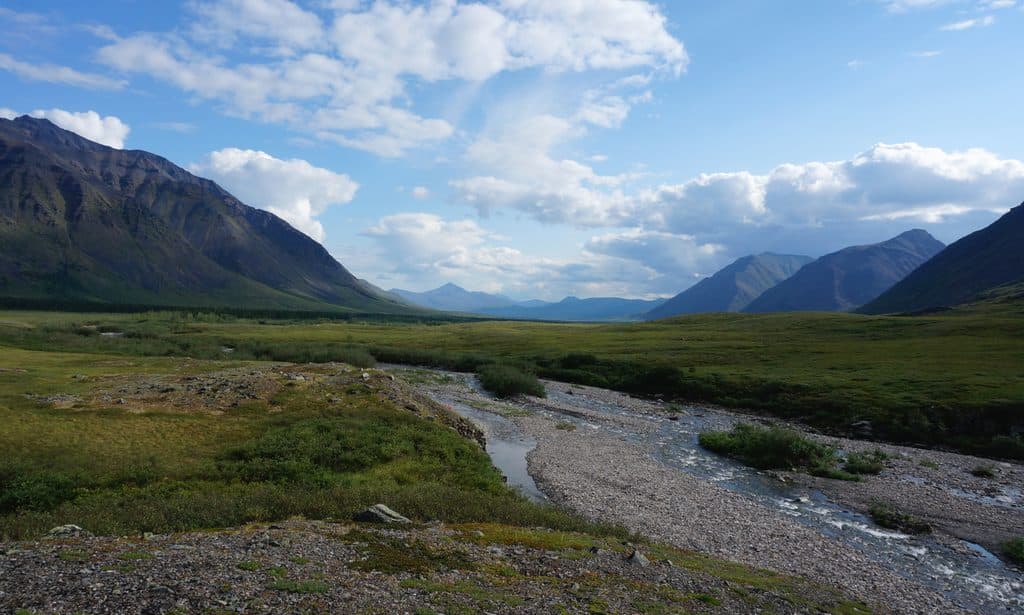
Expect sweeping tundra, steep ridges, and broad U-shaped valleys written by ice. Anglers sometimes wet a line while waiting for a pickup, and the open terrain makes for big-sky vistas in every direction.
Wildlife
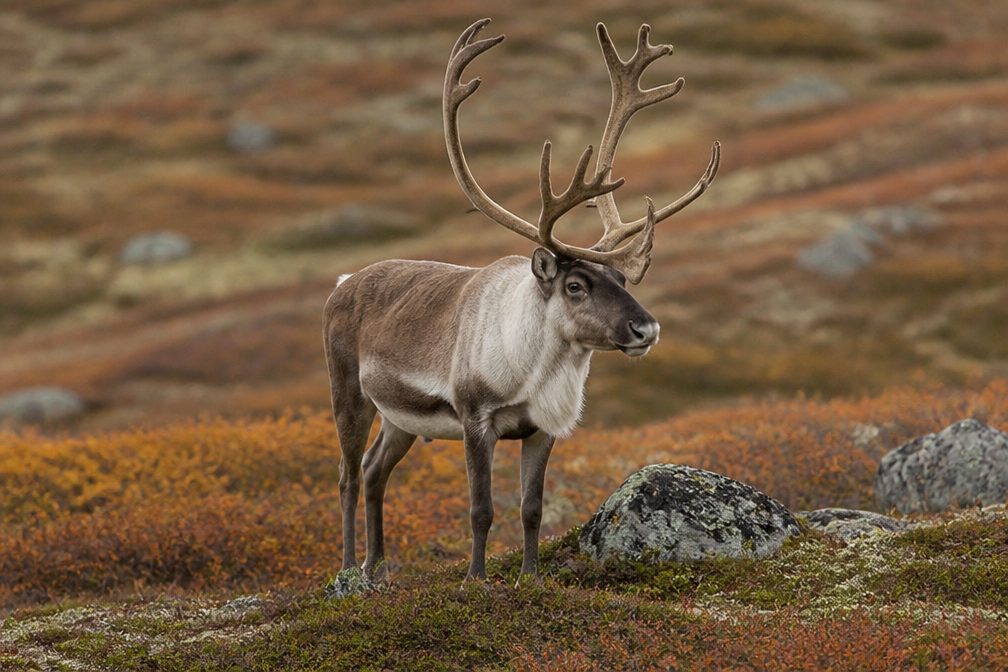
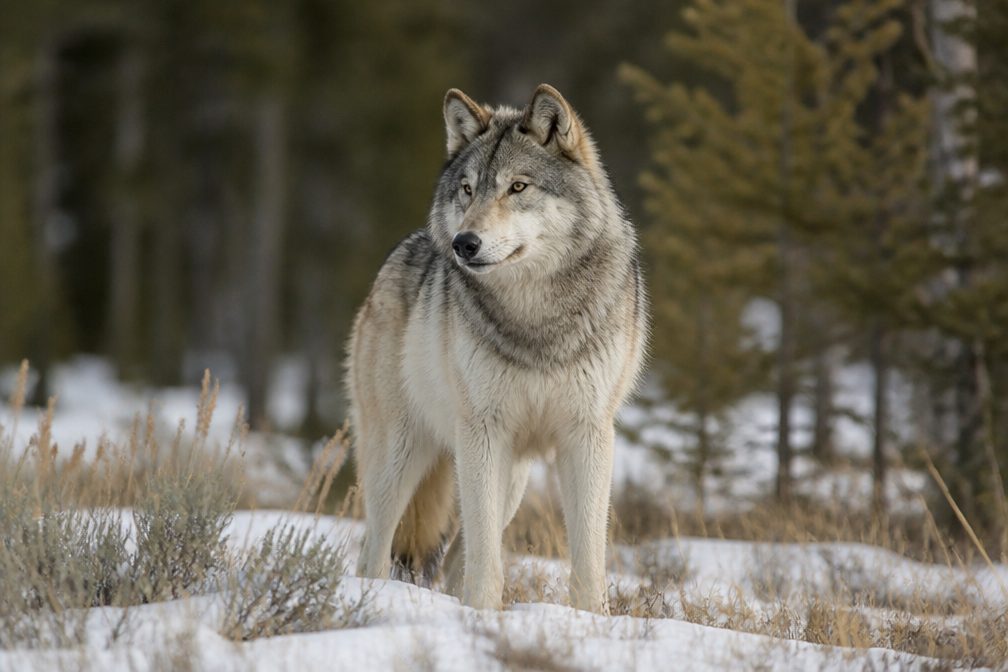
This area has a reputation for active wildlife. Groups commonly note grizzly sign and behavior (including bears digging for ground squirrels). Dall sheep range in the nearby Kurupa Hills; marmots and Arctic ground squirrels are around, and birders watch for peregrine falcons, long-tailed ducks, and jaegers—whose nesting season brings feisty aerial defense. Historically, an oil prospector even described “herds of grizzly bears” here.
Getting There & Logistics
Access is by bush plane; plan conservatively for Arctic weather that can shut down flying without much warning. There are no marked routes, so you’ll need solid navigation skills. Come completely self-sufficient—there are no designated campsites, toilets, or shelters.
What to Bring
Think full backcountry kit: bear-resistant food storage, mosquito head net and repellent, detailed maps with compass/GPS, cold-weather layers even in summer, a stove and fuel, a wilderness first aid kit, and a satellite communication device. Fishing gear is optional but popular.
Best Time to Visit
Most parties aim for the summer window, when wildlife activity is high and access is more common, but expect mosquitoes and protective jaegers. Whatever your timing, build buffer days for weather—flight delays are part of the Kurupa experience.
Bottom Line
Kurupa Lake is for experienced, self-reliant travelers. If you want solitude, big country, and a classic Brooks Range fly-in start, it’s hard to beat.
Where it is
68.3630, -154.6516Tips for Kurupa Lake
- 01Book a bush plane and pad your schedule for inevitable weather delays.
- 02Practice strict bear safety and use bear-resistant food storage.
- 03There are no trails—bring maps, GPS, and be confident in off-trail navigation.
- 04Pack a head net and strong repellent; mosquitoes can be fierce in summer.
- 05Carry a satellite communicator—there’s no cell service.
Near Kurupa Lake
All places →All trails →
48 mi awayAgiak Lake Archaeological DistrictRemote stone cairns and tent rings that once guided caribou hunts
58.5 mi awayLake MatcharakRemote Brooks Range lake and Noatak float hub with deep history
66 mi awayArrigetch PeaksRemote granite spires for serious wilderness hikers and climbers
66.7 mi awaySummit of Mount IgikpakThe park’s highest, remotest summit with sweeping Brooks Range views
Arrigetch Peaks Mountaineering RouteRemote off-trail trek to Alaska’s fiercest granite spiresChallenging · 27.7 mi · 72 hr