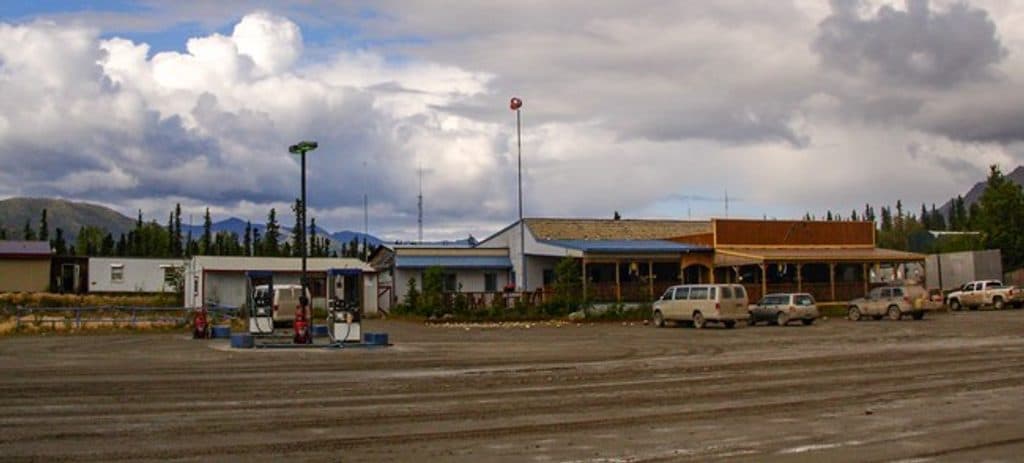
Coldfoot Camp

Remote Brooks Range base with beds, fuel, hot meals, and tours
Coldfoot Camp, Gates of the Arctic National Park
InsideGates of the Arctic National Park

What it is

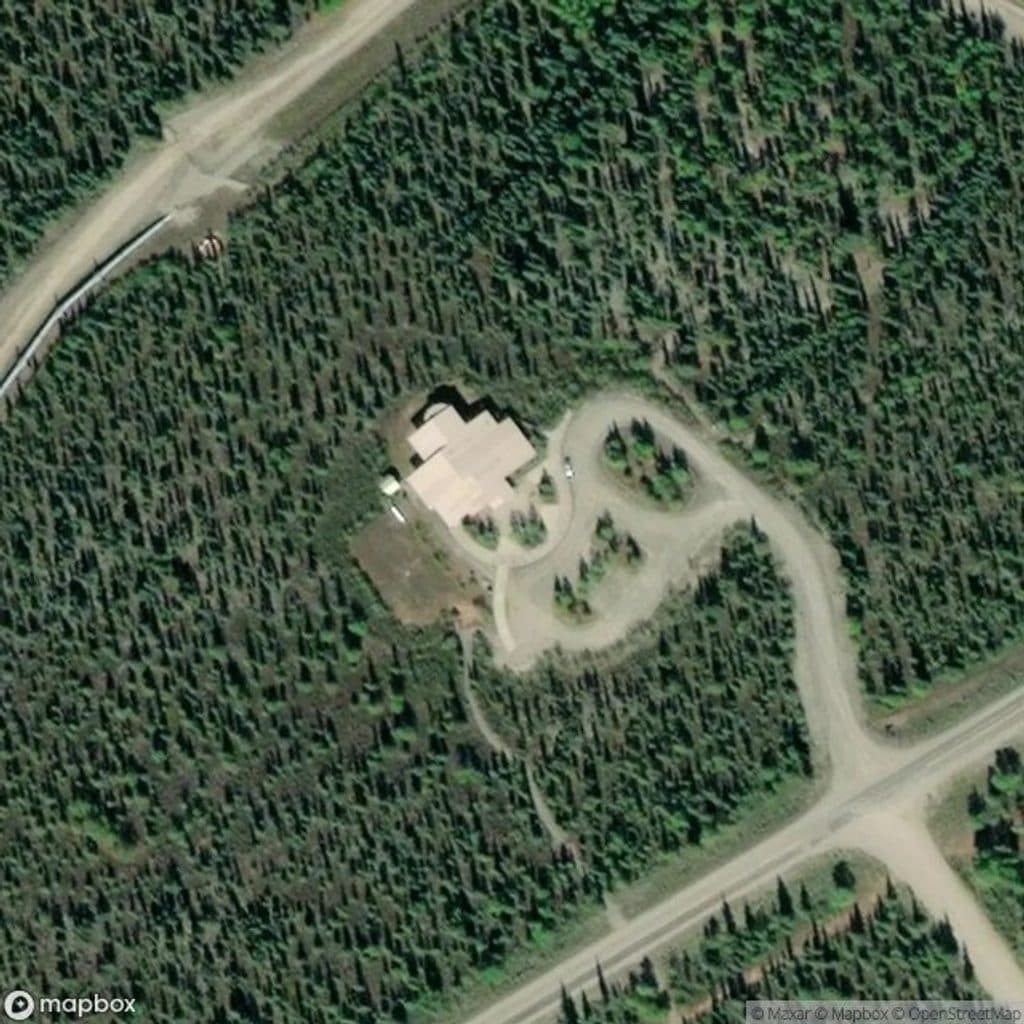
Coldfoot Camp is the practical heartbeat of the Dalton Highway—an all‑in‑one outpost roughly 60 miles north of the Arctic Circle and adjacent to the Brooks Range. It’s where you get a hot meal, a real bed, fuel, a shower, and a plan before heading into true wilderness.

Why base here

This is one of the few road‑accessible places with full services near the park. In summer, it’s a launchpad for flightseeing, rafting, and guided hiking. In winter, it turns into an aurora base camp squarely under the auroral oval. The Arctic Interagency Visitor Center sits in Coldfoot (summer season) for park intel and exhibits.

What you’ll find on site

Expect a no‑frills inn, the Trucker’s Cafe serving hearty meals for long hours, fuel, showers, laundry, a small store/gift shop, and space for RVs and tent campers (tents are welcome in open areas and camping is free). There’s potable water; RV hookups are limited. Parking is ample. Don’t come expecting luxury—come expecting everything you actually need.

Experiences and tours

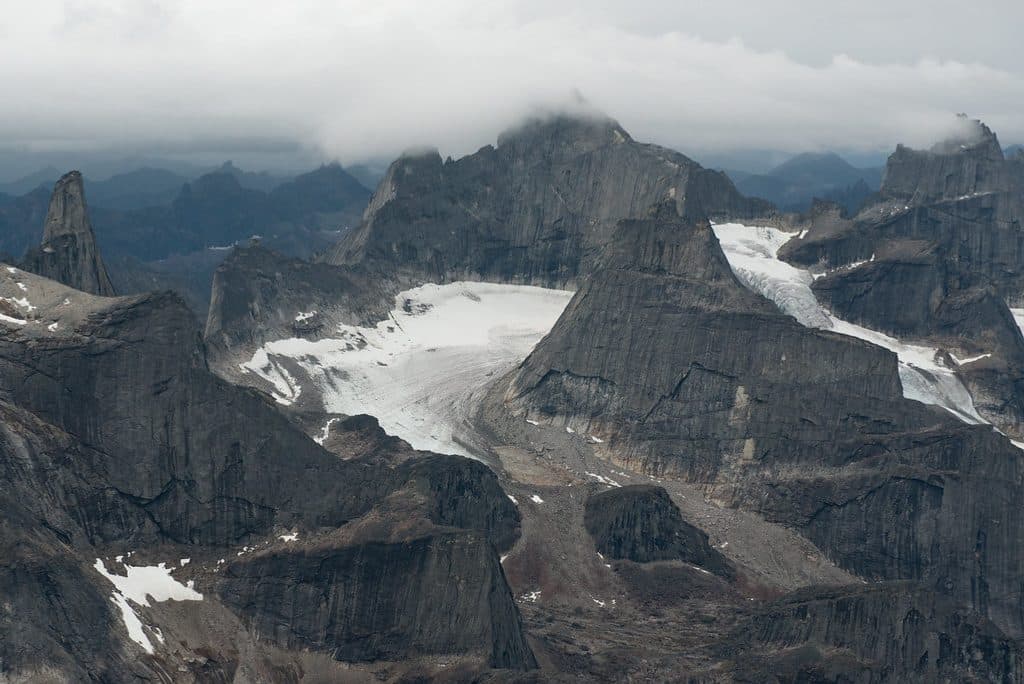
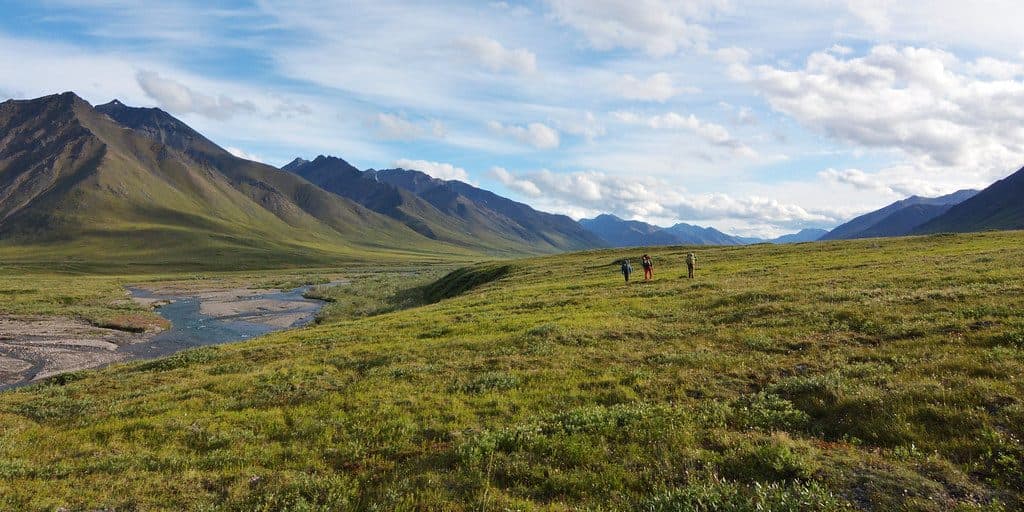
From here you can book bush‑plane flightseeing that actually goes into Gates of the Arctic and crosses the rugged Brooks Range. Summer brings guided water tours and naturalist‑led outings; winter brings dog mushing, snowshoeing, and dedicated aurora viewing trips.

Wildlife you might see

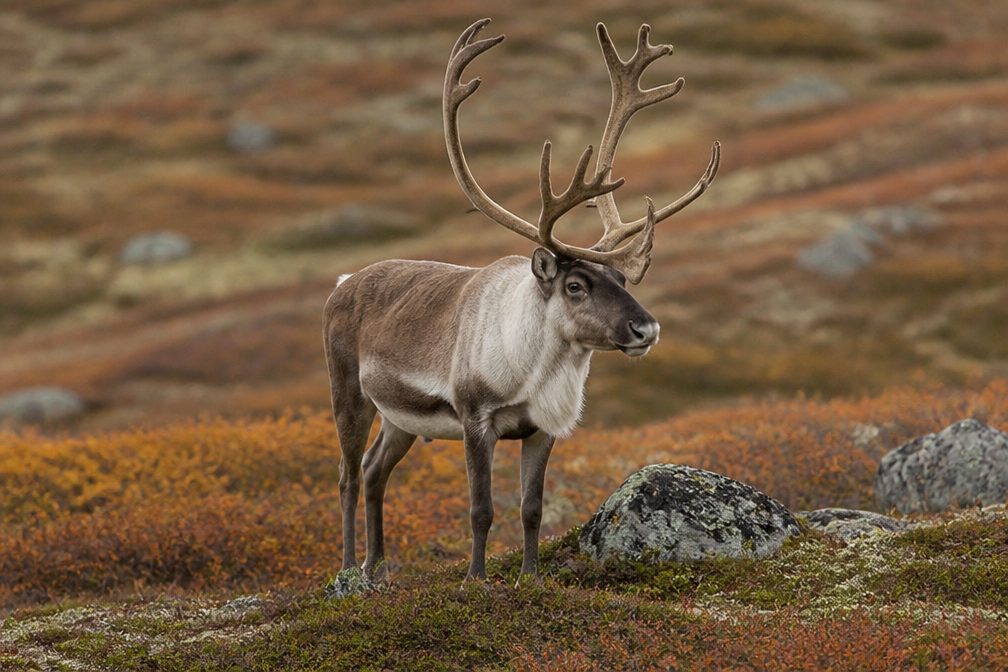
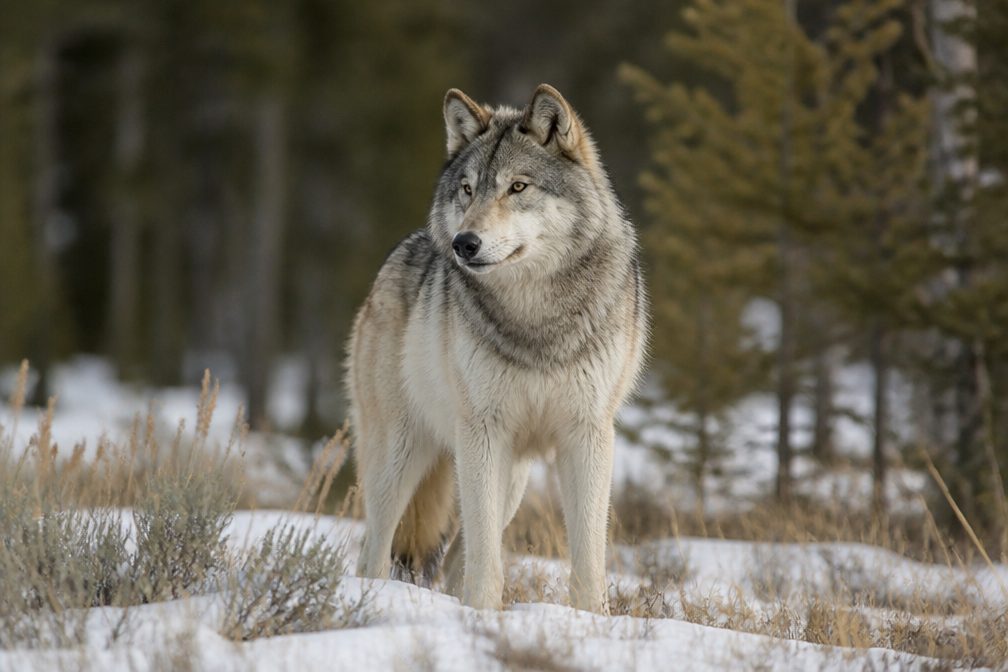
Around Coldfoot and on nearby excursions, sightings can include caribou, moose, bears, wolves, foxes, a variety of migratory birds, and the ever‑present Arctic ground squirrels. As always up here, it’s seasonal and luck‑dependent.

What to expect (and what not to)

Rooms are clean but very basic—pipeline‑era simple. Supplies and meals are priced for the reality of flying and trucking everything in. Evenings can feel busy with truck traffic; the vibe is hardworking and friendly.

Best time to visit

  • Summer (June–August): Best for flightseeing, hiking, rafting, and using the Arctic Interagency Visitor Center. Early mornings are quieter for breakfast and fueling up before the road.
  • Aurora season (late August–mid‑April): Peak northern lights potential; plan for bitter cold and rapidly changing weather. Midweek evenings tend to feel busier; late night to early morning is quieter for aurora runs.


Need‑to‑know

This corridor is truly remote—services can be hundreds of miles apart. Fuel up, eat, and regroup here before pushing farther. Weather swings are abrupt; bugs can be fierce in summer. Emergency services are limited, and cell/data is spotty at best.

Pros

  • Rare full‑service hub with beds, fuel, hot meals, showers, and laundry
  • Gateway for flightseeing and guided trips into the Brooks Range and park
  • Free tent camping and limited RV hookups

Cons

  • Rooms are basic and utilitarian
  • Prices run high due to the extreme remoteness
  • Connectivity is limited and Wi‑Fi can be unreliable

Tips

  • Reserve rooms well ahead for summer—this place fills despite the remoteness.
  • Top off fuel and restock here; the next services can be hundreds of miles away.
  • Bring a head net and strong repellent in summer; mosquitoes can be intense.
  • Download maps and info offline; expect limited or unreliable connectivity.
  • Tent camping is free but close to truck traffic—earplugs help with idling engines.
The Parkwolf tour guide sitting on a phone mounted in a car

Parkwolf Tour Guide

Like a tour guide in your car.

Save the places you found around Gates of the Arctic, then let Parkwolf guide the drive between them.Download Parkwolf on the App Store