Place · 40.6 mi away

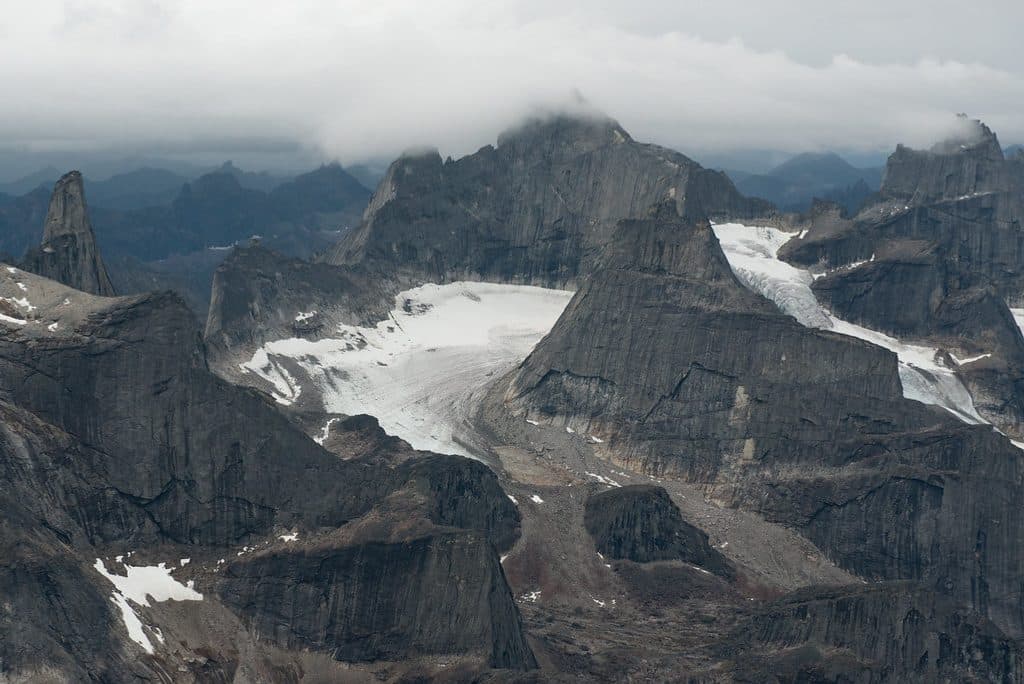
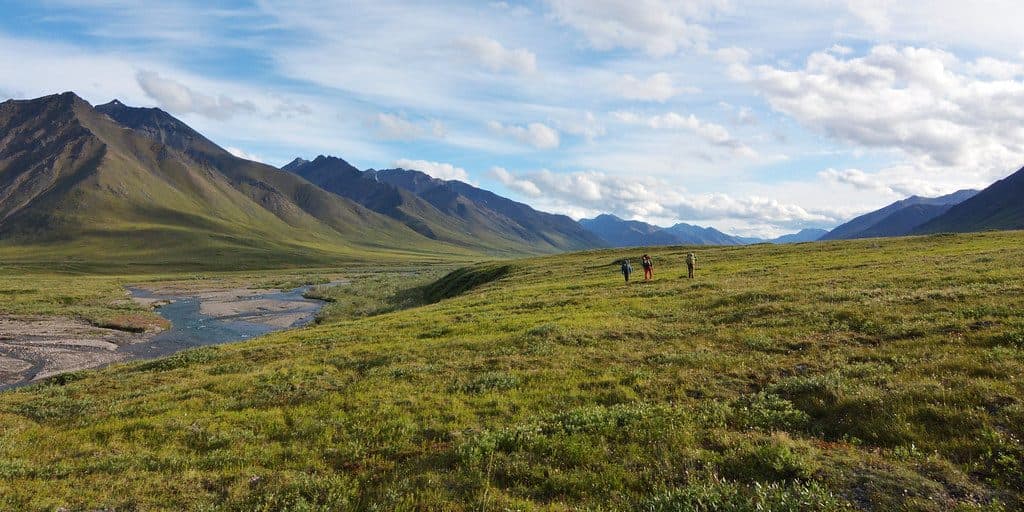
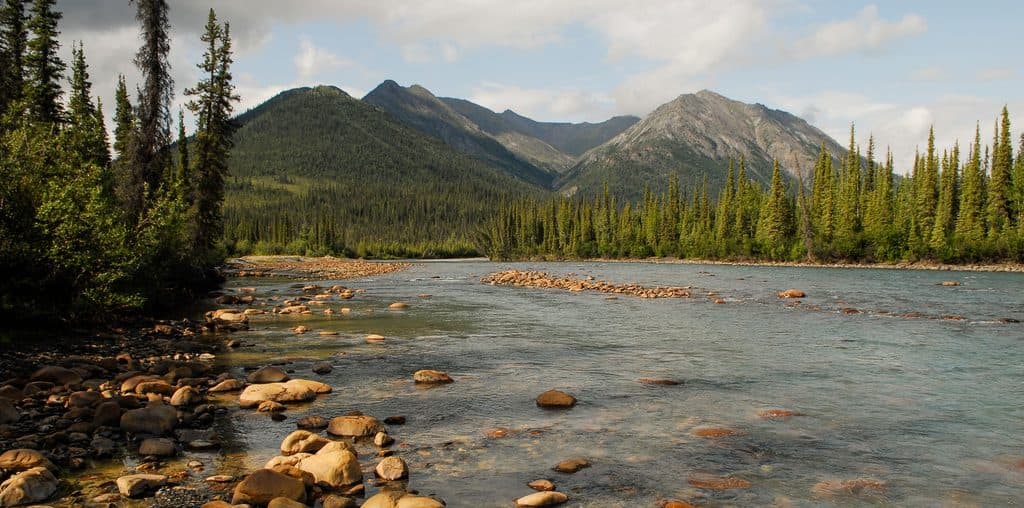
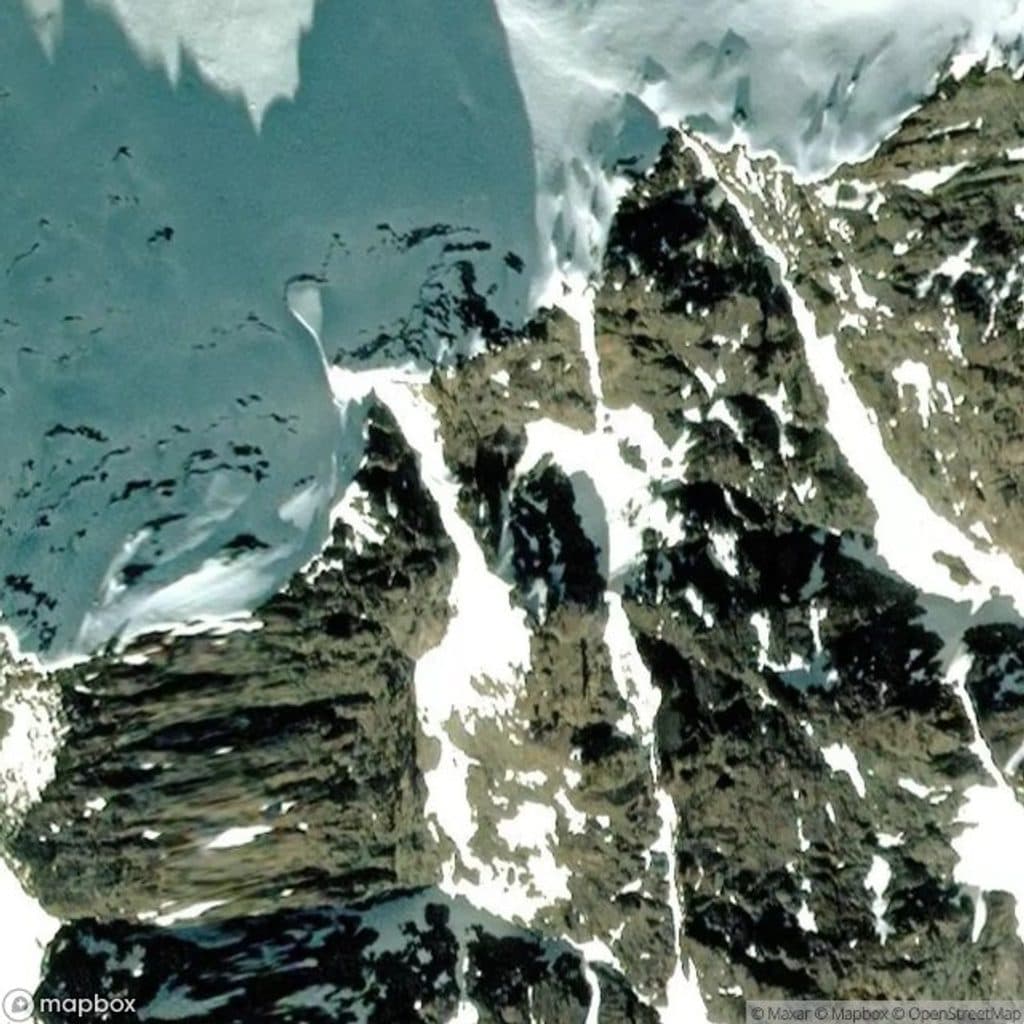
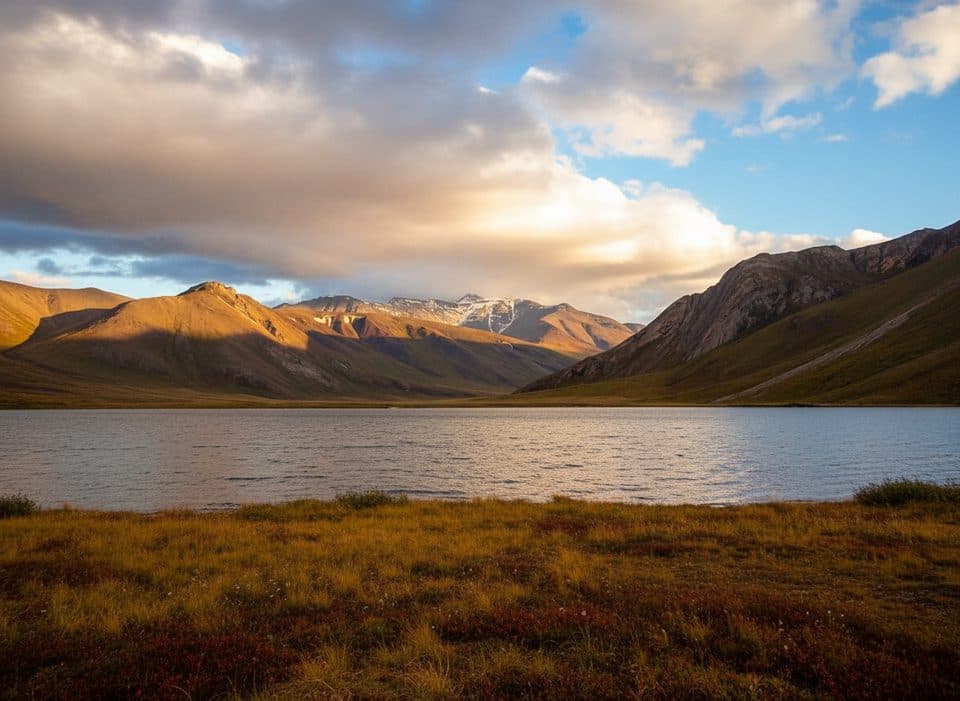
Lake Matcharak is a remote alpine lake tucked into the Brooks Range along the upper Noatak River. It’s not developed or busy—think pure wilderness, silence, and sweeping mountain-ringed vistas. Most people encounter it as a start or finish node on multi-day Noatak River floats rather than as a destination with amenities.
If you’re chasing true isolation and the feel of an unaltered Arctic watershed, this is your spot. The lake anchors a corridor that drains the largest mountain-ringed river basin in America that’s still virtually unaffected by human activity. It’s also one of the park’s most archaeologically significant places, with evidence of very early Arctic cultures on its shores.
Expect austere tundra and taiga wrapped by Brooks Range peaks, plus the broad valley where the Noatak meets the lake. On rare summer days you may notice active fieldwork; otherwise it’s all rock, water, sky, and the occasional floatplane.
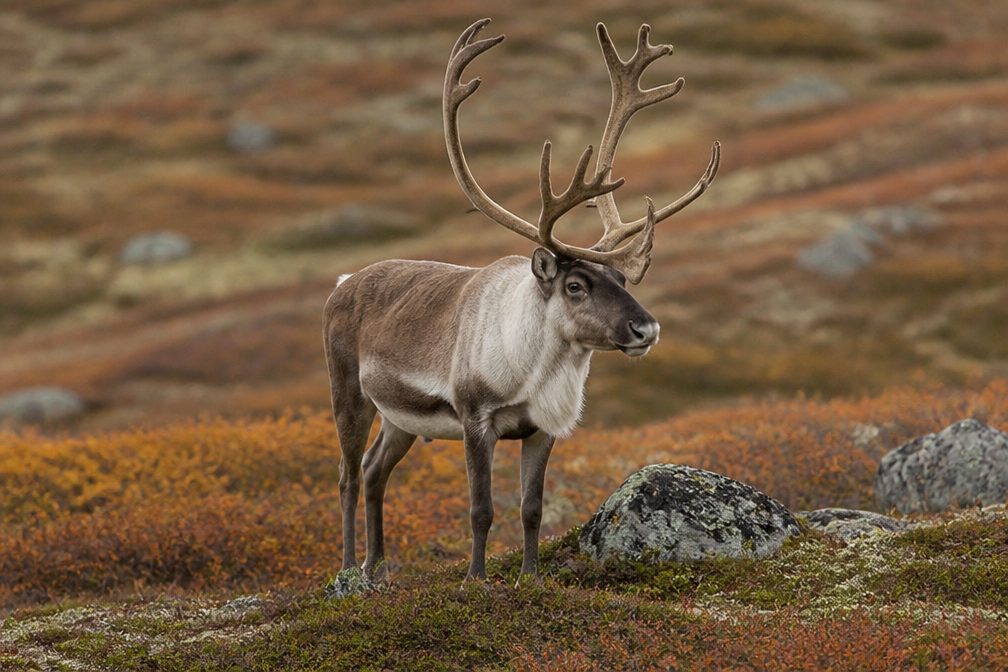
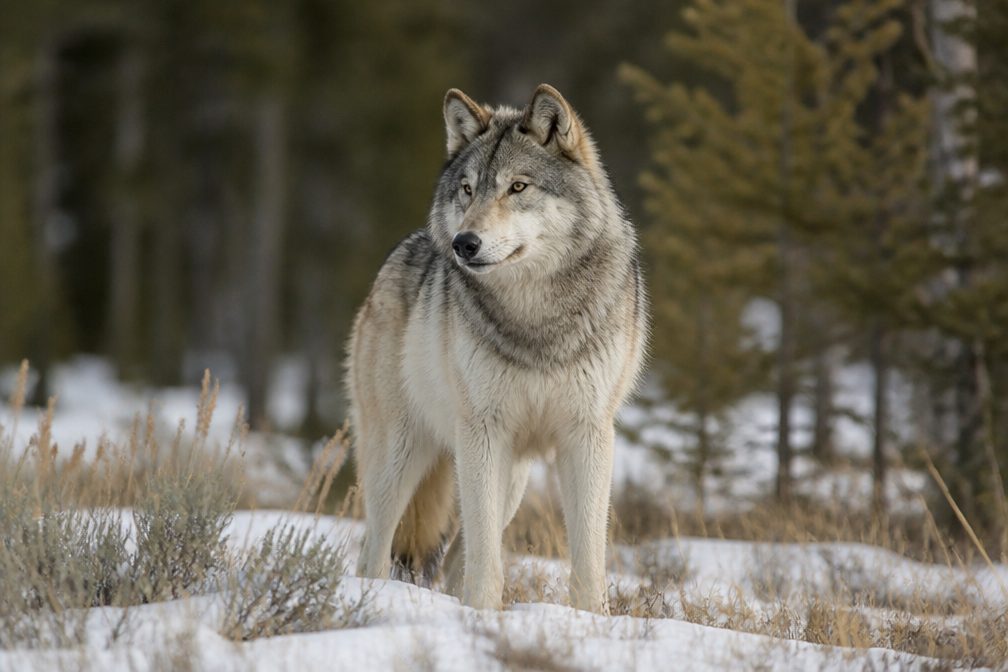
This corner of the Noatak basin supports grizzly bears, Dall sheep, caribou, and musk ox, along with rich birdlife in summer. Animals here aren’t habituated to people, which makes sightings feel wild and unpredictable—plan and behave accordingly.
Matcharak’s shores hold remarkably preserved traces of ancient camps, including the Denbigh Flint Complex (about 3,900 years ago) and the Northern Archaic (around 7,000 years ago). Thousands of stone tools and faunal remains have been documented. These sites are protected—look, don’t touch, and never collect.
There are no roads, trailheads, or facilities. Visitors typically fly in by bush plane (often using the lake for landing) or pass through on Noatak River float trips. You must be entirely self-sufficient: navigation, shelter, food, fuel, and emergency communication are on you. Standard backcountry travel and camping are allowed here; follow park wilderness guidelines and NPS rules.
Summer is the practical season, aligning with river flows, floatplane access, and peak birdlife. Expect minimal crowds any day of the week. Plan your timing around weather windows and water conditions rather than a calendar; light and conditions shift quickly in the Arctic.

Lake Matcharak is for experienced, self-reliant backcountry travelers—particularly river runners—who value raw Arctic solitude and deep human history over amenities.