Place · 6.7 mi away

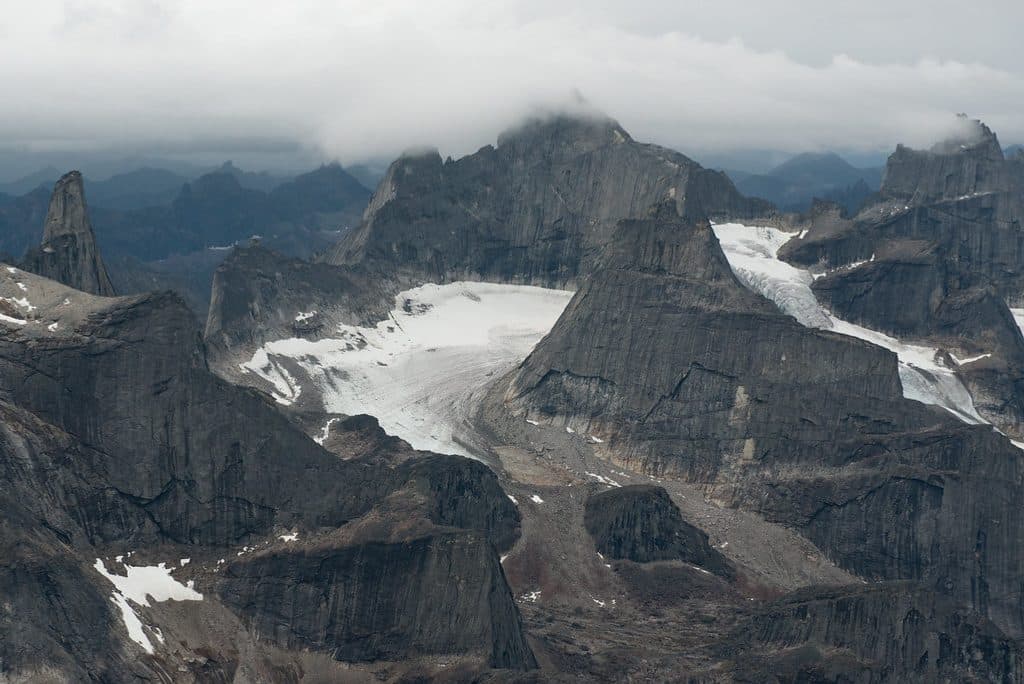
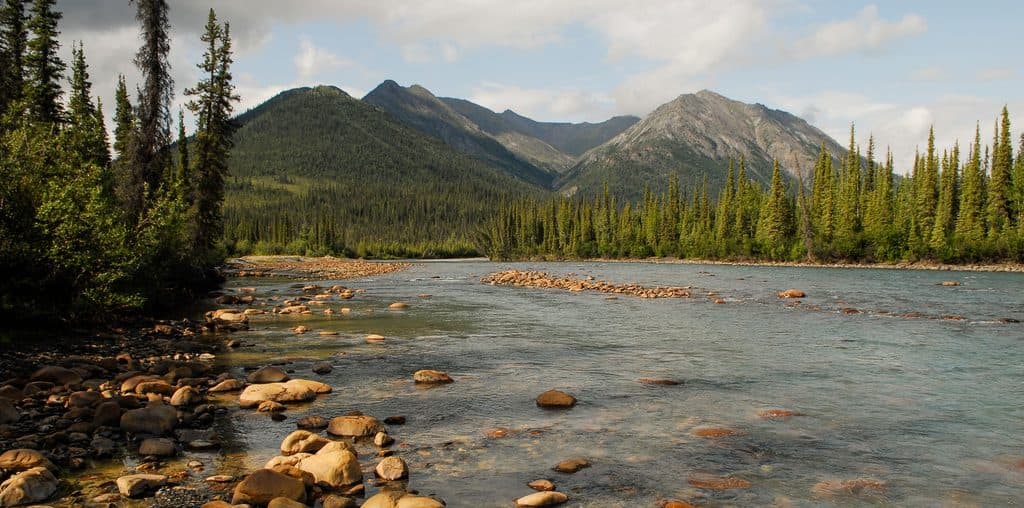
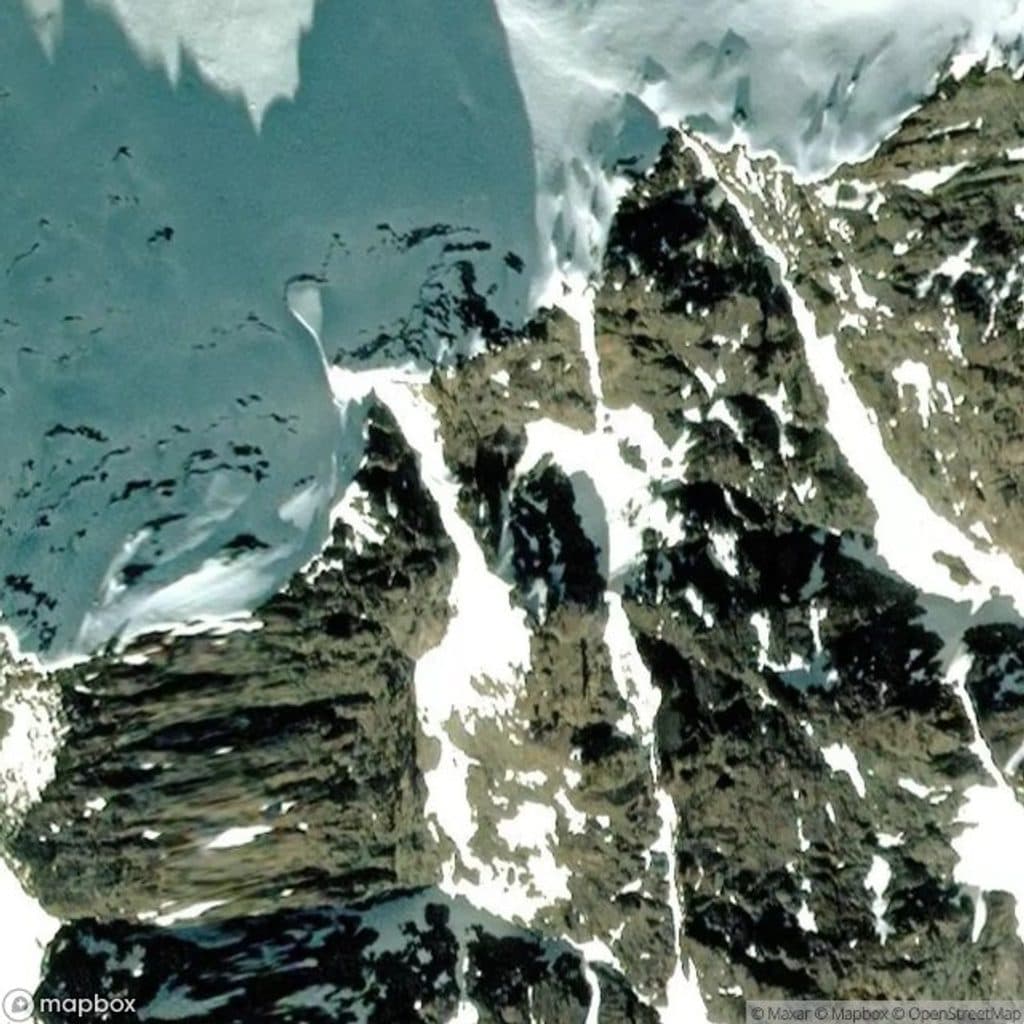
Mount Doonerak (7,457 ft) is a standout summit in the central Brooks Range—steep, austere, and wildly remote. It rockets more than 5,000 feet above the North Fork Koyukuk River in just a couple of miles, which is why it’s often nicknamed the Matterhorn of the Koyukuk. If you’re chasing a true Alaska wilderness objective, this is the real deal.
Beyond the striking skyline, Doonerak anchors the celebrated Doonerak Window (Fenster), a geologic window that’s drawn researchers for decades. The mountain’s formidable presence even shows up in its name—derived from an Iñupiat word for a spirit or devil—fitting for a peak that demands respect.
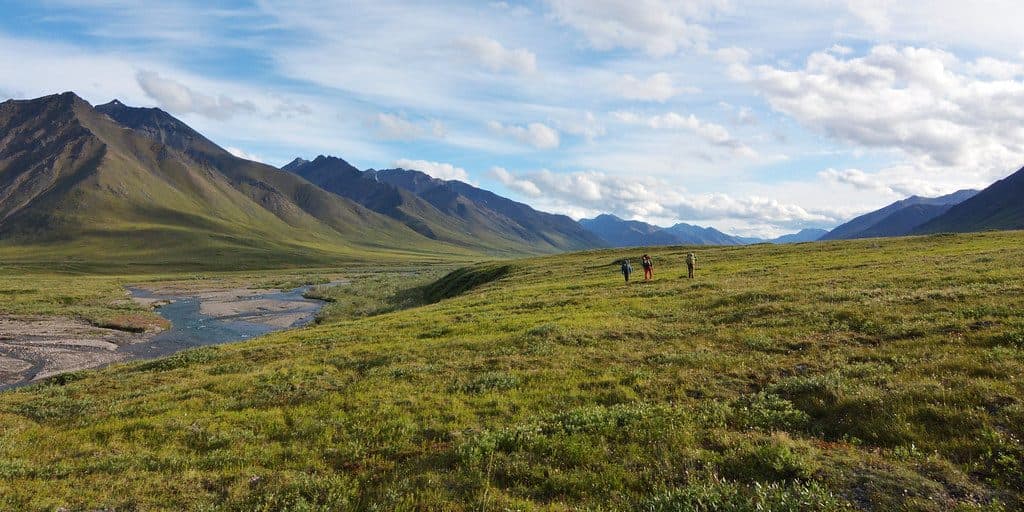
There are no roads, no trailheads, and no established trails here. Most parties reach the area by chartered bush plane, or commit to long overland approaches from places like Anaktuvuk Pass. On the mountain, expect off-trail travel, complex route-finding, and serious self-reliance.
Standard routes involve Class 4 scrambling on steep, sometimes loose rock. The first recorded ascent was in 1952 via the Southeast Ridge. Helmets, conservative decision-making, and a comfort level with exposed alpine terrain are essential. Rescue is difficult and delayed in this part of the Brooks Range.
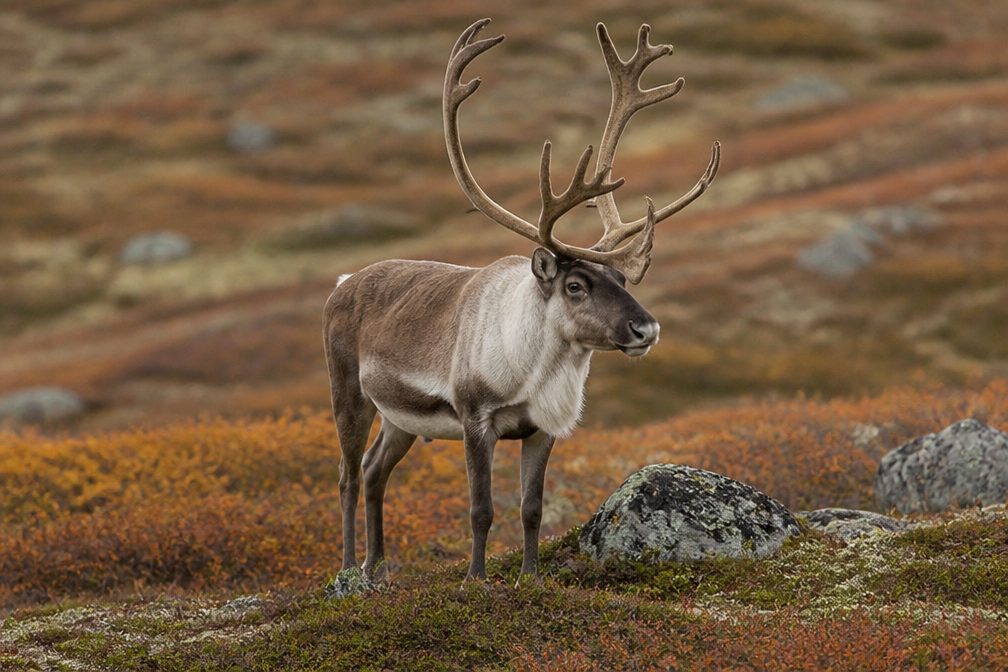
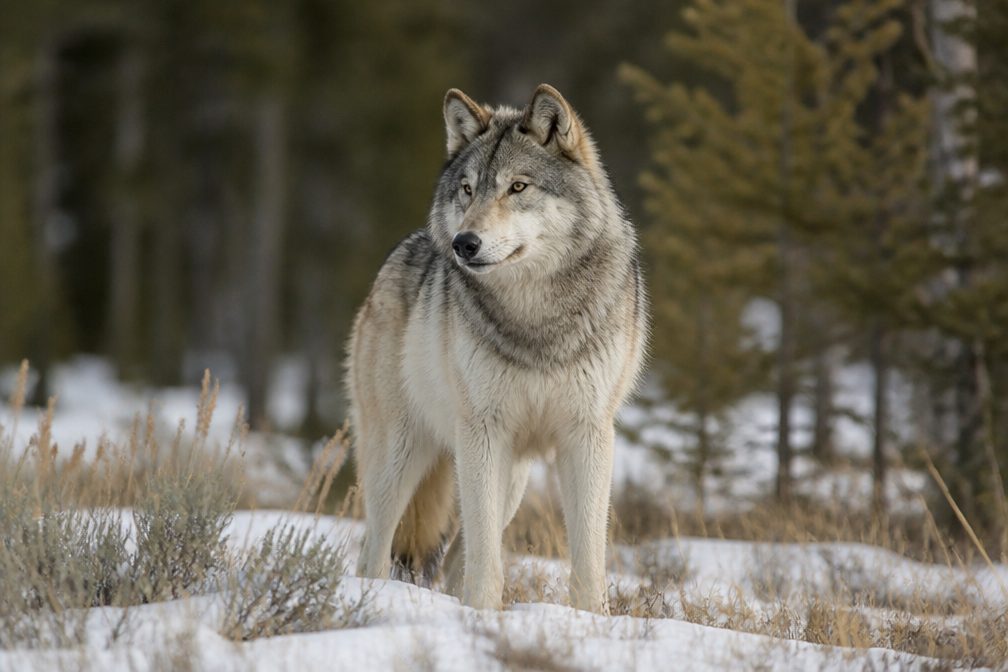
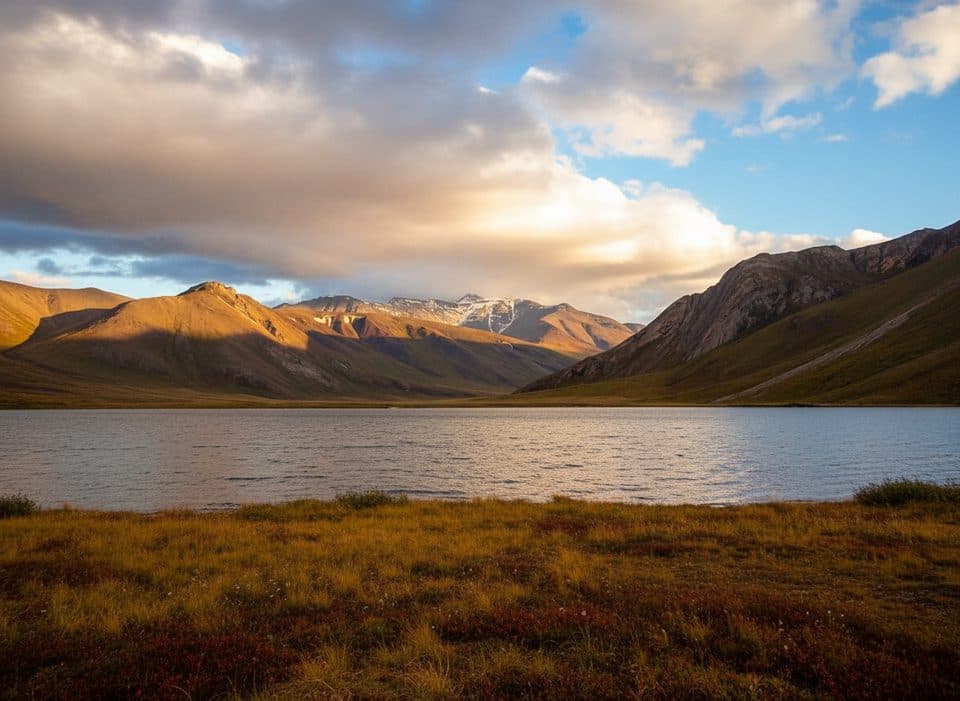
From the flanks and nearby valleys you’ll get big, empty views of braided rivers, tundra, rocky ridges, and a maze of Brooks Range peaks. The broader area supports caribou, Dall sheep, grizzlies, wolves, arctic foxes, and seasonal birdlife—stay alert, keep clean camps, and store food properly.
Doonerak exposes older rocks within a structural high associated with the Doonerak Anticlinorium; the massif includes gabbroic intrusions and has been a focal point for understanding the central Brooks Range. If you’re a geo-nerd, this is a bucket-list field locale.
Best window: late June through August. Even then, weather turns on a dime—wind, cold rain, and low ceilings can pin you down or interrupt flights. Early June can mean fewer backpackers in the area, but snow patches and colder temps linger. Summer insects can be intense.
There are no developed amenities—no campgrounds, restrooms, or signage. Camping is entirely dispersed and primitive. You’ll need full backcountry kit, bear-resistant food storage, solid maps/GPS, and a satellite communicator. Treat all water and follow strict Leave No Trace.