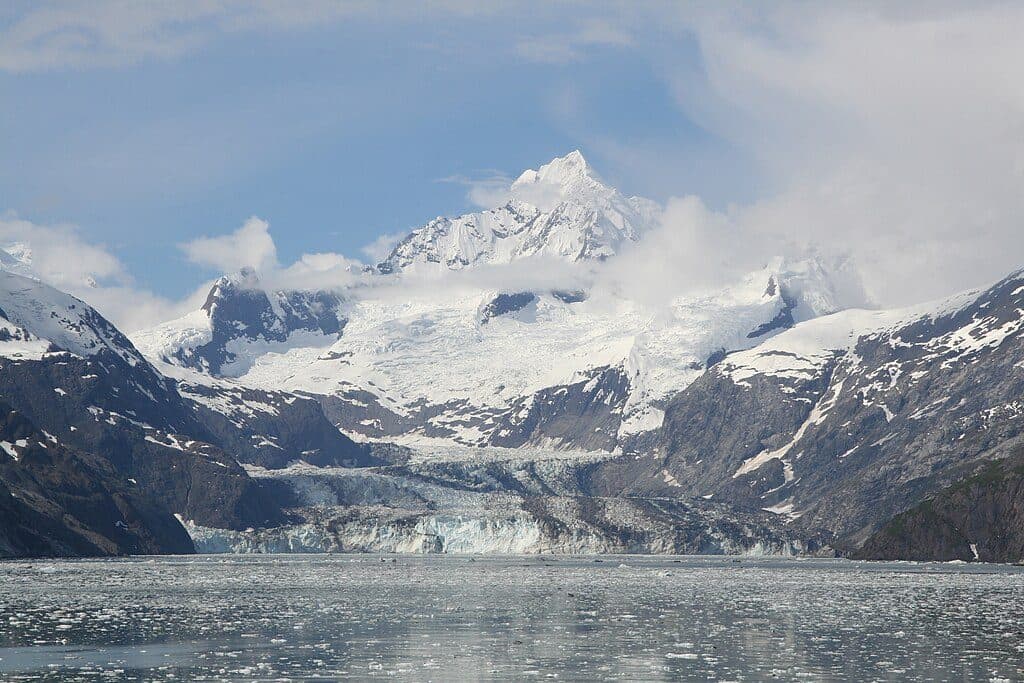
Beartrack Cove

Remote tidal cove with bears, birds, and big-mountain views
Beartrack Cove, Glacier Bay National Park
InsideGlacier Bay National Park

Overview

Beartrack Cove is a wild, tidal estuary at the mouth of the Beartrack River, tucked just north of the Beardslee Islands and below the rugged Beartrack Mountains. It stretches roughly 3 miles long and 1.6 miles wide, all mudflats, shifting channels, and dramatic peaks on the skyline. If you’re craving solitude and raw Glacier Bay character, this is your spot.

What You'll See

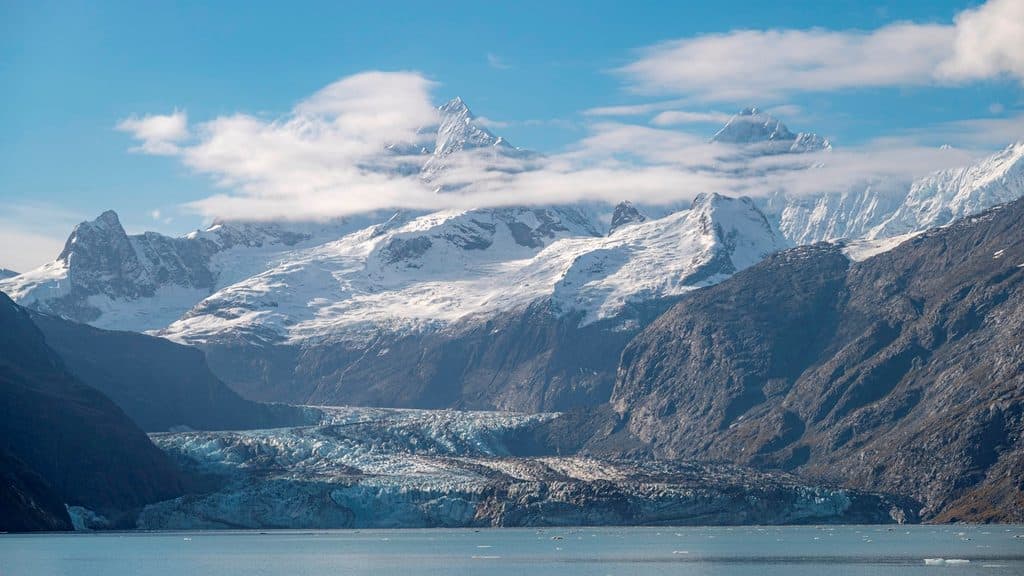
Expect broad tidal flats, river outflow braids, and lush edges near the river mouth, all framed by jagged mountains that catch gorgeous light—especially around sunrise and sunset on clear breaks. On the water, watch for otters and seals; whales are often in nearby channels. The atmosphere here leans moody: rain and fog are common, which only adds to the sense of remoteness.

Wildlife

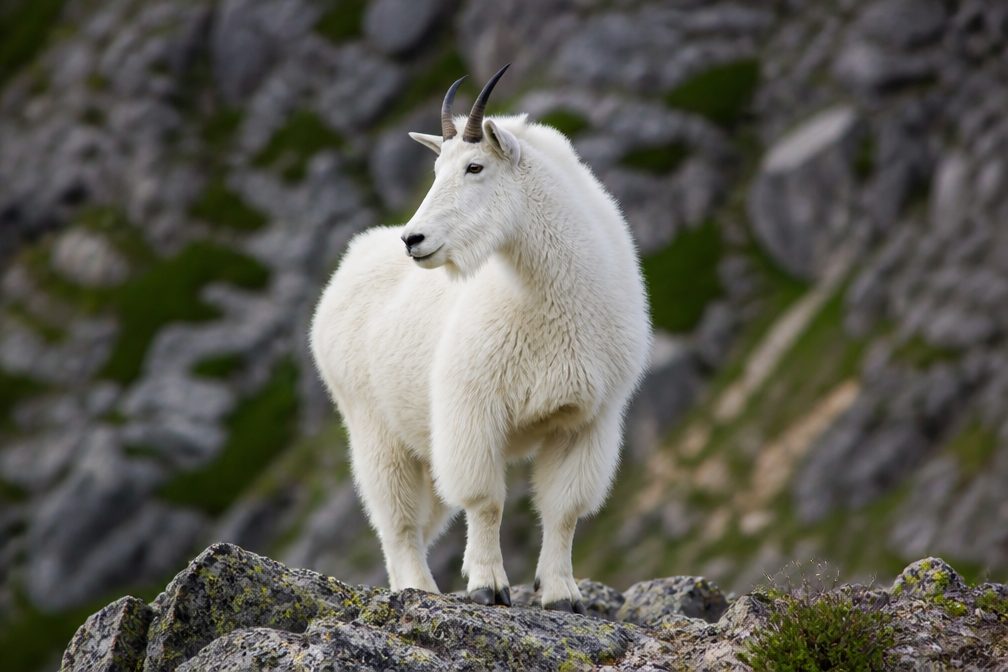
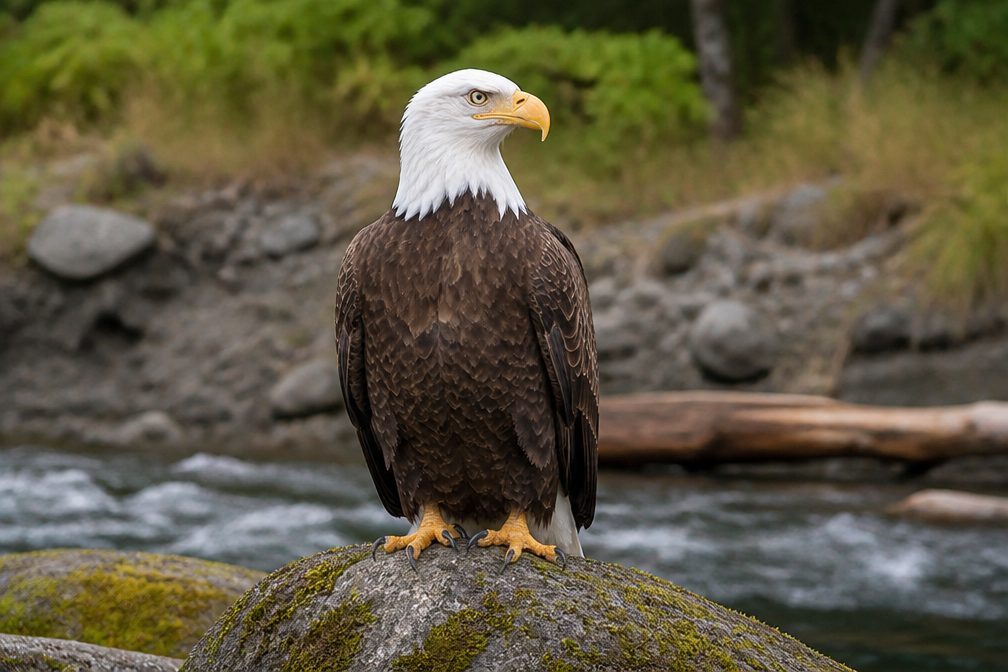
Bears are a headline attraction thanks to salmon and other food sources near the river mouth. You’ll also find rich birdlife working the flats and estuary. Give bears space, keep your group tight, and treat all shorelines and streams as active wildlife corridors.

Access & Logistics

There are no roads, trails, or services. Reaching the cove requires a boat—private charter, guided trip, or a serious kayaking expedition. Landings are tide-dependent and the mud can be unforgiving, so plan for variable access and be conservative with timing. Bring navigation tools; there are no markers or established routes.

Best Time to Visit

For photography, the soft, low-angle light around sunrise and sunset can be fantastic when weather allows. Crowds are a non-issue—this area sees far fewer visitors than Bartlett Cove—but give yourself a wide weather window and build in extra time for tides. Fog and rain are common any day of the week.


Safety & Essentials

This is true backcountry shoreline. There are no restrooms, potable water, or shelters. Pack waterproof layers, sturdy boots for wet, muddy conditions, and carry a bear canister for all food and smellables. Expect little to no cell service. Know your tide tables, and treat streams and beaches with bear awareness at all times.

History & Geology

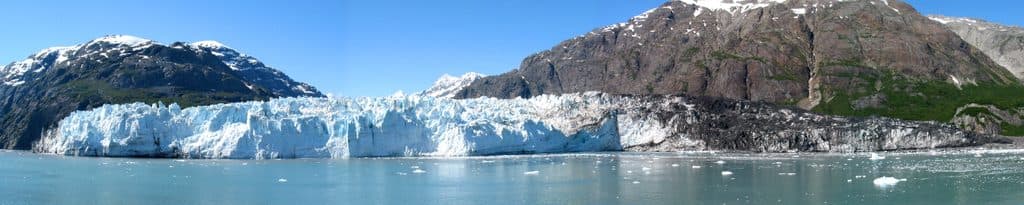
The cove’s story is glacial: once under massive ice, it later held a glacier-dammed lake before retreat left today’s estuary and river mouth. The surrounding Beartrack Mountains provide the dramatic backdrop. The name dates to 1923, credited to ecologist William S. Cooper. After the ice withdrew, ancestral Tlingit people moved northward into lands newly opened by glacial retreat.

Pros

  • Remote, wilderness feel with big-mountain estuary scenery
  • High potential for wildlife sightings, especially bears and birds

Cons

  • No facilities; completely undeveloped
  • Access is by water only and weather can change fast

Tips

  • Arrange boat or guided access; there is no road or trail approach.
  • Plan around tides—mudflats and shifting channels can complicate landings.
  • Carry a bear canister and follow strict bear safety at shore and streams.
  • Pack full rain gear and insulating layers; weather flips quickly.
  • Bring maps/GPS and a backup plan; expect no facilities or cell service.
The Parkwolf tour guide sitting on a phone mounted in a car

Parkwolf Tour Guide

Like a tour guide in your car.

Save the places you found around Glacier Bay, then let Parkwolf guide the drive between them.Download Parkwolf on the App Store