Johns Hopkins Glacier Viewpoint

Boat-only views of an advancing tidewater glacier and teeming wildlife
Johns Hopkins Glacier Viewpoint, Glacier Bay National Park
InsideGlacier Bay National Park

Overview

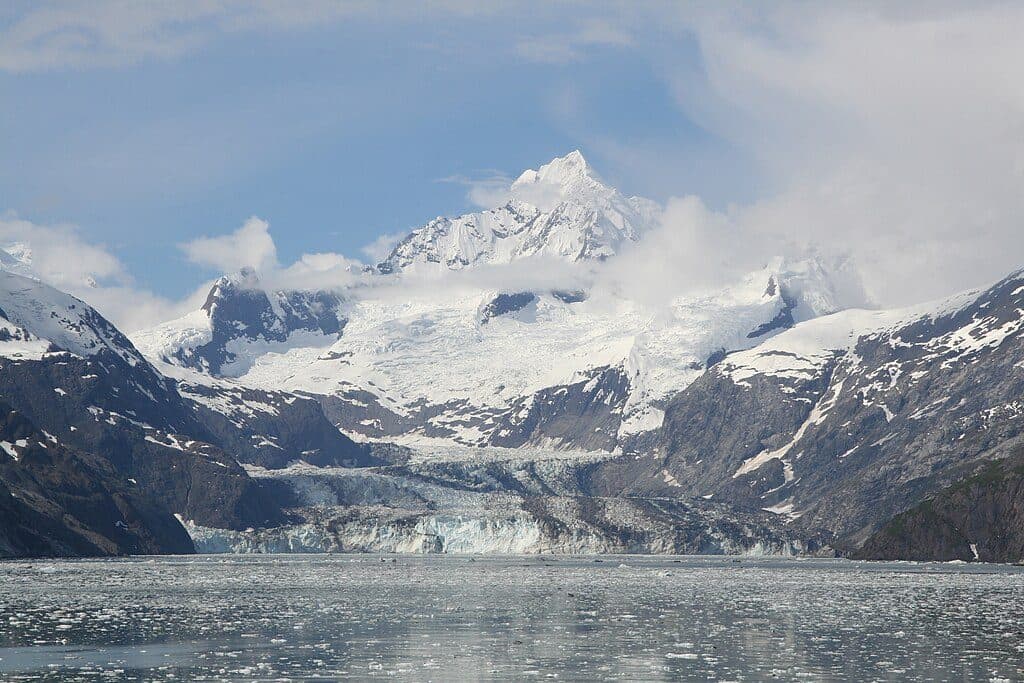
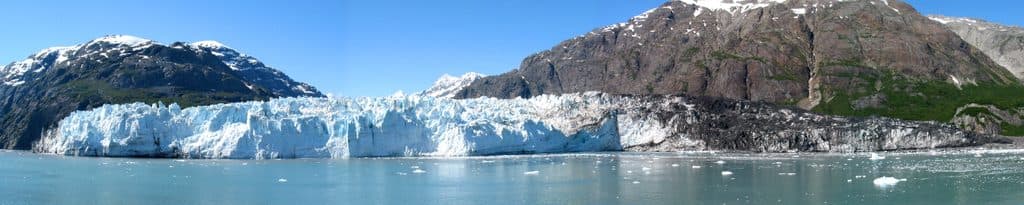
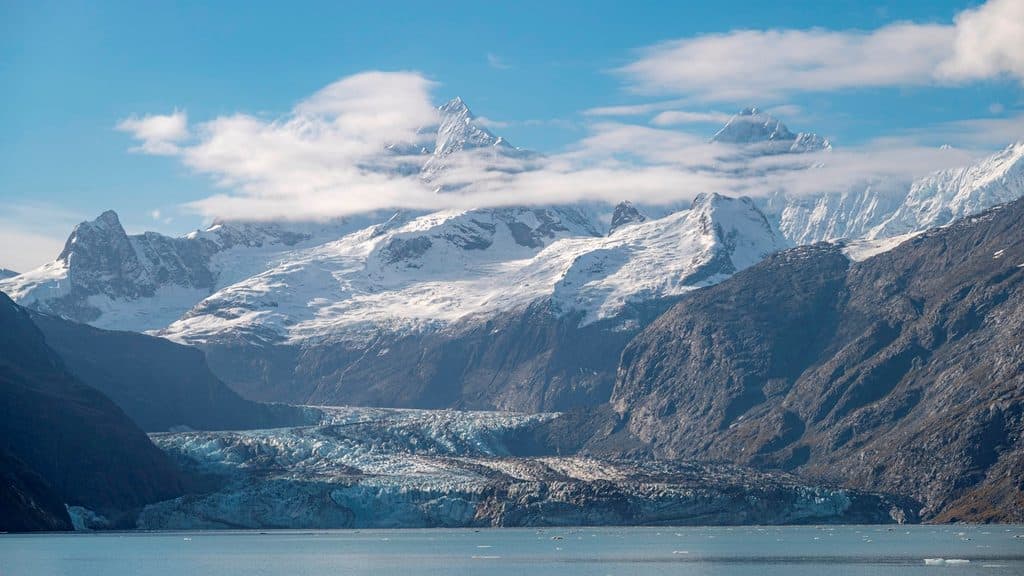
If you want the most cinematic glacier moment in the bay, this is it. Johns Hopkins Glacier is a massive, actively advancing tidewater glacier at the head of Johns Hopkins Inlet. You view it from the water—cruise ship, tour boat, private vessel, or kayak—and the experience is pure Alaska: vertical ice cliffs, echoing cracks, and drifting bergs backed by steep, rugged peaks.

What You’ll See

  • A towering ice face roughly 225–300 feet high and about a mile wide, shedding chunks into a jigsaw of floating ice.
  • A narrow fjord setting where tides and calving constantly reshuffle the ice, so every visit looks different.
  • Big-mountain scenery framing the glacier and inlet.

Wildlife

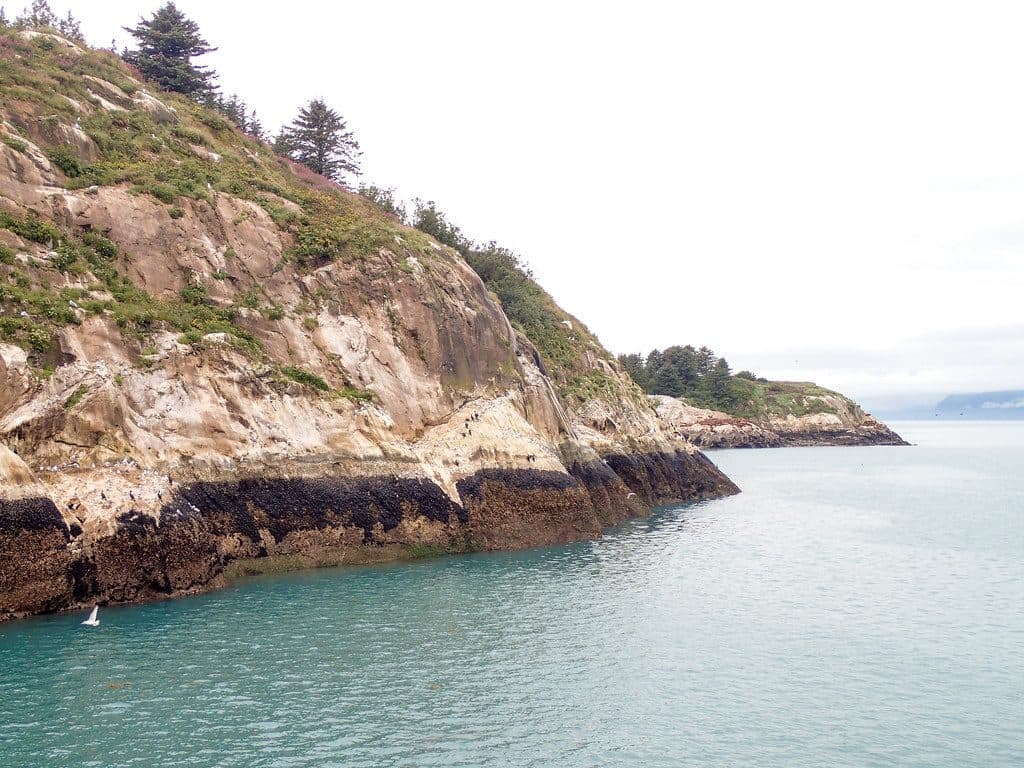
This inlet is prime habitat for harbor seals that haul out on the bergs—especially during June pupping and August molting. It’s also a noted birding stop, with chances for Surf Scoters, Black Oystercatchers, Pigeon Guillemots, Marbled and Kittlitz’s Murrelets, Tufted Puffins, and Black-legged Kittiwakes. Keep scanning the water for the occasional whale or sea otter.

Access & Amenities

Plan on a marine experience: there are no roads or trails to a land overlook here. Expect no facilities of any kind in the inlet—no restrooms, parking, or picnic tables. Whatever amenities you have will be on your vessel.

Regulations & Seasonal Notes

To protect harbor seal pups, most boats are restricted from entering Johns Hopkins Inlet from May 1 to June 30. Outside that window, private boaters and kayakers can approach, but always give wildlife ample space and respect any distance rules in effect.


Photography Tips

Bring binoculars and both a telephoto (for wildlife and calving details) and a wide lens (for the glacier face and skyline). Early morning often brings calmer water and cleaner light. Compose with the surrounding peaks to give a sense of scale.

Best Time to Visit

  • Time of year: July and August are best for private boats and kayaks given the May–June pupping restrictions. Cruises that are permitted in June still offer great viewing.
  • Time of day: Early morning usually means softer light and less wind-chop on the water.
  • Crowds: It can feel busy when multiple ships are scheduled the same day; if you have flexibility on a private vessel, aim for off-peak times or days without large ship traffic.

Pros

  • Dramatic, advancing tidewater glacier with frequent calving
  • Outstanding wildlife viewing: harbor seals and seabirds

Cons

  • Access is by water only (no roads or trails)
  • Seasonal boating restrictions during seal pupping (May 1–June 30)

Tips

  • Dress for wind and cold; it’s chilly on the water even in midsummer.
  • Bring binoculars for seals on bergs and seabirds scattered across the inlet.
  • If you’re boating independently, note the May 1–June 30 seal pupping restrictions.
  • Use a telephoto for wildlife and a wide lens to capture the full ice face.
  • Kayakers: give floating ice a wide berth and watch for shifting tides and wind.
The Parkwolf tour guide sitting on a phone mounted in a car

Parkwolf Tour Guide

Like a tour guide in your car.

Save the places you found around Glacier Bay, then let Parkwolf guide the drive between them.Download Parkwolf on the App Store