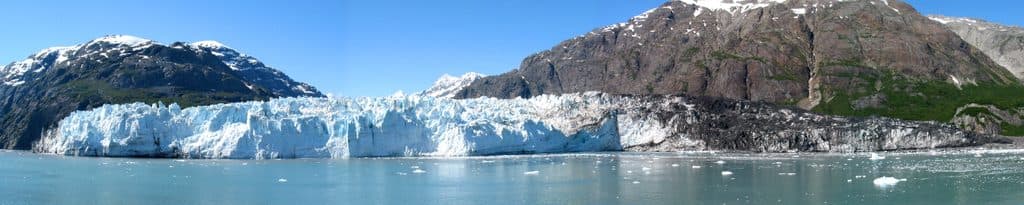
Margerie Glacier

Blue, calving tidewater glacier you view by boat in Tarr Inlet
Margerie Glacier, Glacier Bay National Park
InsideGlacier Bay National Park

Overview

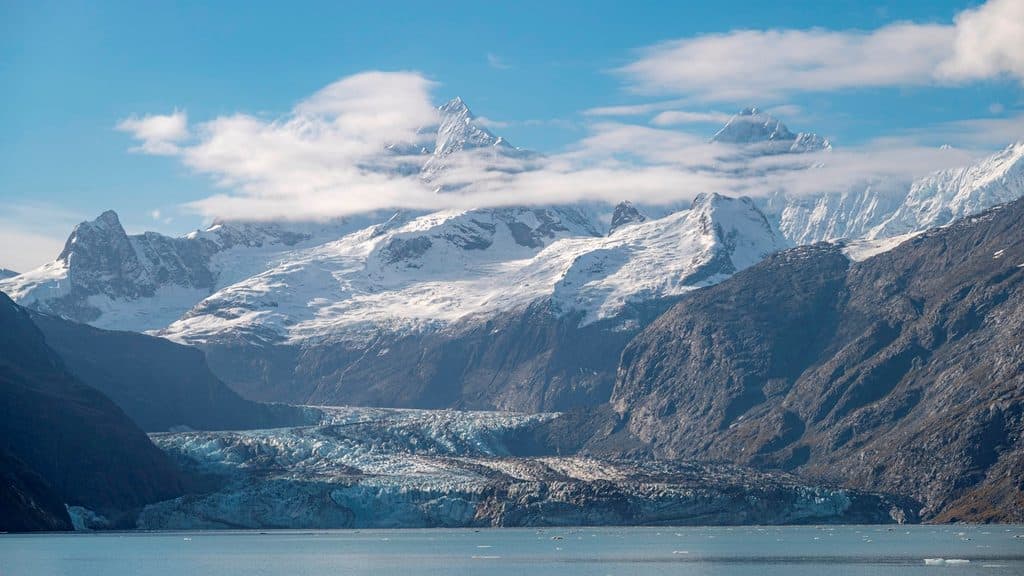
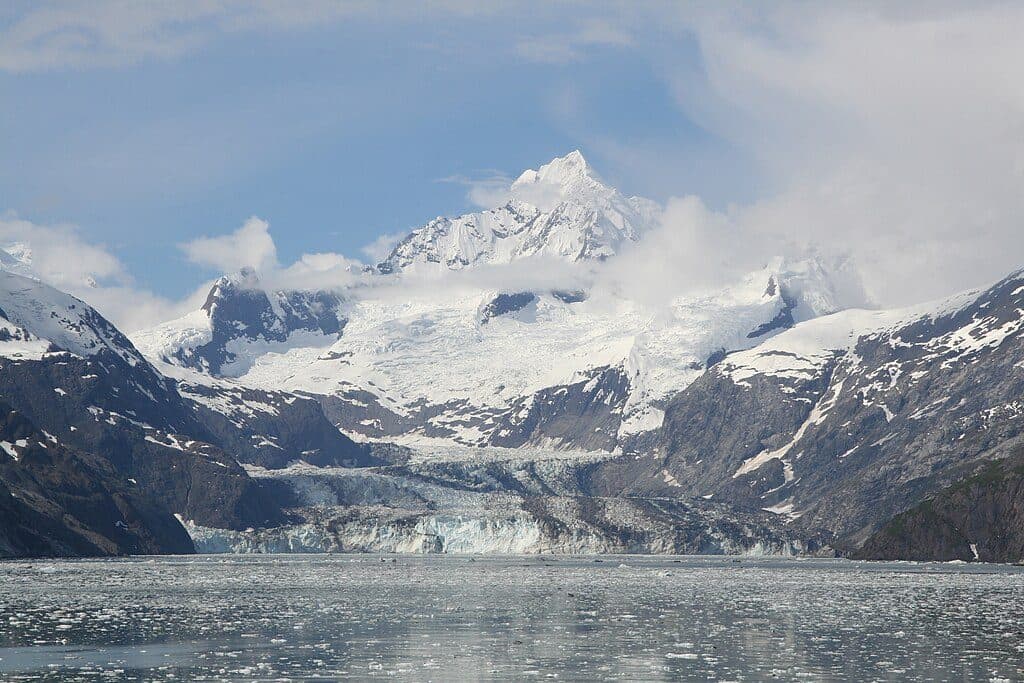
Tucked at the head of Tarr Inlet, Margerie Glacier is Glacier Bay’s showstopper: a classic tidewater glacier with a towering ~350‑foot ice face (about 250 feet above the water and ~100 below), roughly a mile wide, and flowing about 3–7 feet per day. It originates on the south slope of Mount Root and pours straight into the sea, so you’re watching an active river of ice meet saltwater.

What makes Margerie feel different from its neighbors is how clean the ice looks—less debris, more luminous blues. It’s also considered relatively stable compared to many retreating glaciers, so you’re seeing a glacier that still puts on a dynamic show without visibly racing backward.

What You’ll See

  • Frequent calving: slabs shear off the face and cannon into Tarr Inlet, sending ripples across the bay and a crack‑boom you feel in your chest.
  • Blue ice and meltwater pools: dense ice absorbs longer light wavelengths, so the face and crevices glow an electric blue.
  • Bergs and brash ice: the approach is often dotted with floating ice of all sizes, perfect for photos.

Wildlife

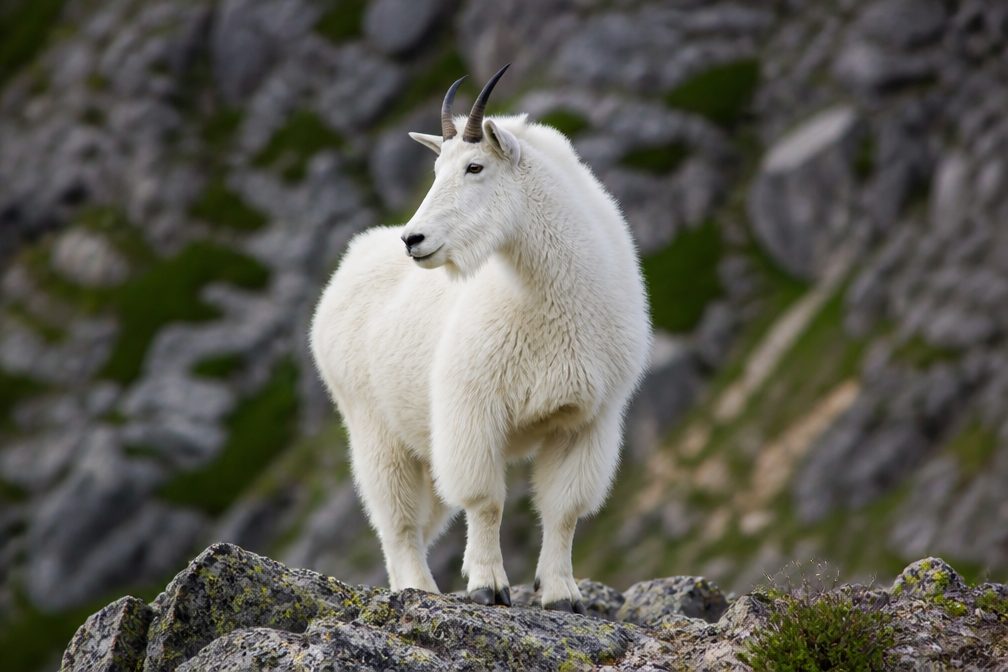
Calving stirs up small fish and krill, concentrating seabirds right in front of the face. Expect activity from species like Surf Scoter, Pigeon Guillemot, Marbled Murrelet, Tufted Puffin, Black‑legged Kittiwake, Mew and Glaucous‑winged gulls, Arctic Tern, and Pelagic Cormorant. In the surrounding waters, watch for sea otters and harbor seals, and you may occasionally spot whales. Bears or mountain goats sometimes appear on adjacent slopes—binoculars help.

How to Visit

There’s no road or trail to Margerie—this is a boat‑based experience. Most people arrive on cruise ships or tour/charter boats; vessels often idle and linger so you can watch multiple calving cycles. Private boats require permits in peak season and must follow park regulations and standoff distances. Experienced kayakers can reach the area, but conditions are cold and changeable even in summer.

Best Time to Visit

  • Peak season: Summer is prime, aligning with the private‑vessel permit window (June–August) and the bulk of tour operations.
  • On the day: Be on deck early to claim a rail spot before the approach—crowds build fast when the captain turns the bow toward the ice.
  • Weather: Expect cold, wet, or foggy conditions any time; visibility swings quickly, but ships typically wait long enough for a decent look.


Photography & Practical Tips

Calving is unpredictable—be patient and keep your camera ready. The blue tones pop against overcast skies, and a polarizing filter isn’t necessary to appreciate the color. Spray and mist are common near the face, so bring a lens cloth. Dress warmly in layers and bring rain gear; the wind off the ice is real. Binoculars make the bird action and crevasses come alive.

History & Geology

Named for French geologist Emmanuel de Margerie (who visited in 1913), the glacier once connected with Grand Pacific before that ice pulled back. Look for dark bands in the ice—moraines loaded with rock scraped from valley walls. Margerie is one of the bay’s true tidewater glaciers, with a fully submerged terminus that calves directly into the sea, maintaining that iconic sheer wall of ice.

Safety & Regulations

All boats must keep a safe distance from the face—calving can throw ice and create surprise waves. Private vessels need permits in summer and must follow park rules; give wildlife a wide berth and pack all your own essentials—there are no facilities at the glacier.

Pros

  • Frequent, thunderous calving for dramatic viewing
  • Striking blue, relatively debris‑free ice face about a mile wide
  • Reliable seabird activity concentrated in front of the glacier

Cons

  • Water‑only access with no on‑site facilities
  • Cruise‑ship railings can get crowded during viewing

Tips

  • Be on deck early to secure a railing spot during the approach.
  • Dress in warm layers and bring rain gear—the wind off the ice is chilly.
  • Carry a lens cloth; mist and spray are common near the glacier face.
  • Binoculars make seabirds, crevasses, and wildlife far more rewarding.
  • Private boats need summer permits and must keep a safe standoff distance.
The Parkwolf tour guide sitting on a phone mounted in a car

Parkwolf Tour Guide

Like a tour guide in your car.

Save the places you found around Glacier Bay, then let Parkwolf guide the drive between them.Download Parkwolf on the App Store