Place · 4.9 mi away

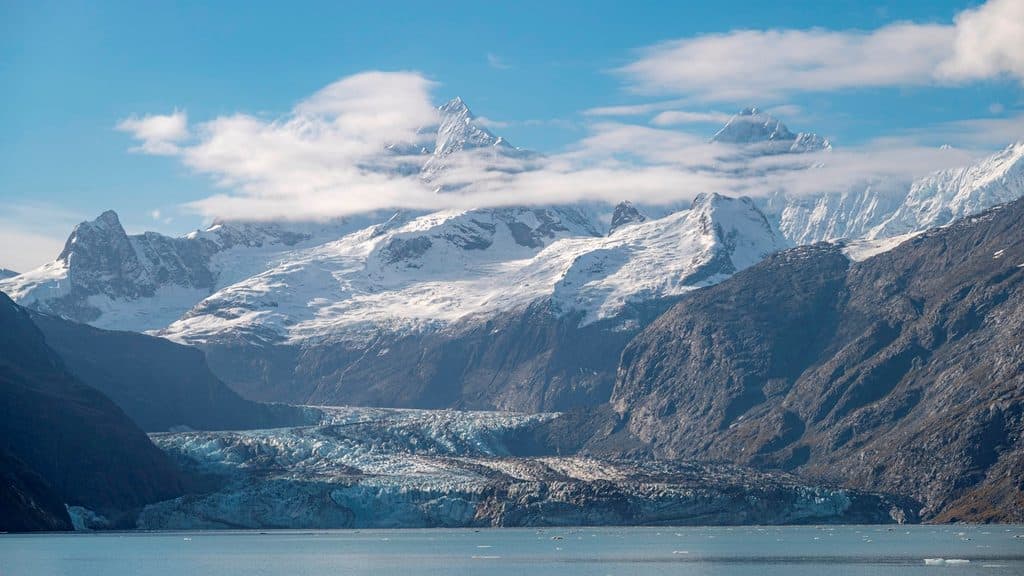
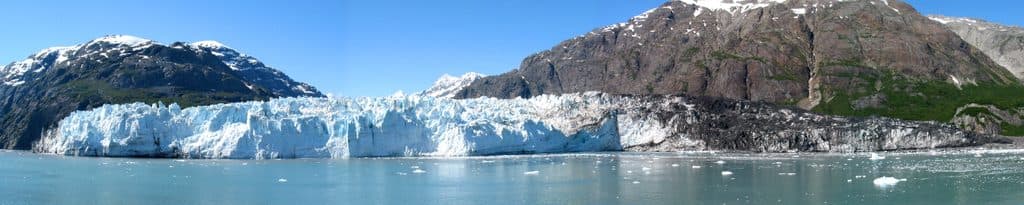
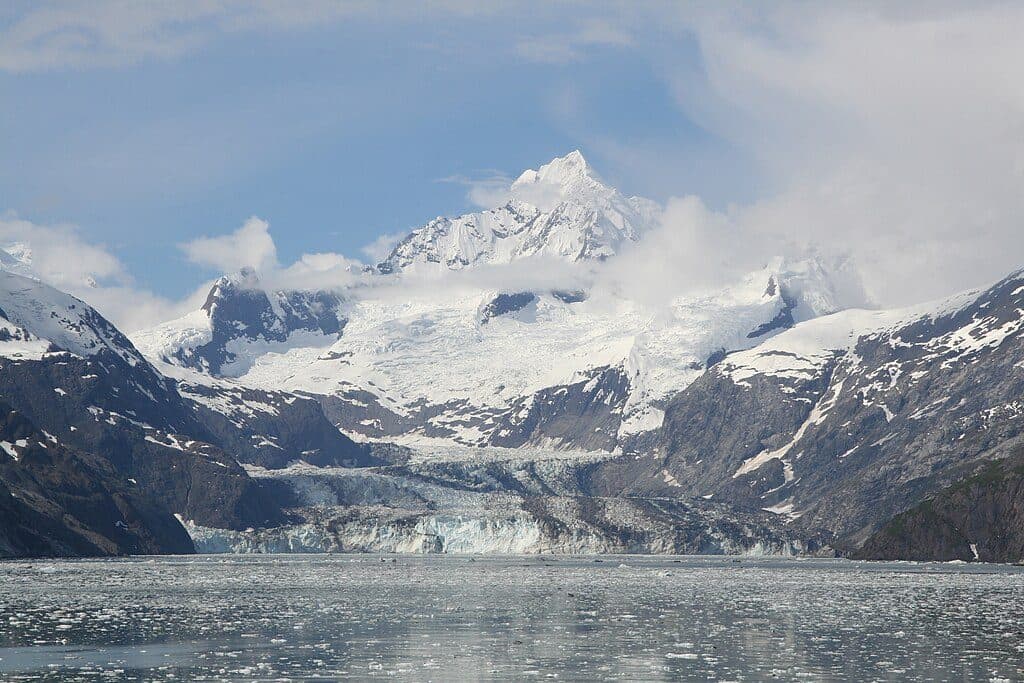
Johns Hopkins Inlet is a dramatic, glacier-carved fjord near the head of the bay, south of Tarr Inlet. It trends west–southwest to the face of Johns Hopkins Glacier, with steep, rugged mountains and hanging glaciers hemming in icy waters. Expect floating bergs, sheer walls, and a sense of true wilderness.
Most Alaska glaciers are retreating; Johns Hopkins Glacier is one of the few that’s currently advancing. That rarity alone makes this inlet a standout. It’s also among Southeast Alaska’s most important harbor seal pupping and molting areas, which is why the park closes the inlet to all vessels from May 1 to June 30 each year.
Harbor seals are the marquee species here—up to the high hundreds gather in summer for pupping and molting. Seabirds are plentiful: look for Surf and White‑winged Scoters, Black Oystercatchers, Pigeon Guillemots, Marbled and Kittlitz’s Murrelets, Tufted Puffins, and Black‑legged Kittiwakes. Other marine mammals can appear, but the seals and birds steal the show.
This is a boat‑only destination: cruise ships, tour/charter boats, or permitted private vessels. The inlet is closed to all vessels May 1–June 30 to protect seals—plan accordingly. Outside the closure, operators may have additional approach rules; give ice and wildlife ample space.
There are no facilities of any kind in the inlet—no docks, trails, restrooms, or picnic tables. Weather is cold and variable even in midsummer; waterproof layers are your friend. Bring binoculars or a telephoto lens to watch wildlife without crowding them.
Kittlitz’s Murrelets are a specialty bird of glacial fjords—scan the ice‑strewn waters and nearby glacier areas carefully. For photography, a moderate zoom covers calving scenes while a longer lens helps with distant seals and birds.