Tarr Inlet

Boat-in fjord ending at Margerie and Grand Pacific glaciers
Tarr Inlet, Glacier Bay National Park
InsideGlacier Bay National Park

Overview

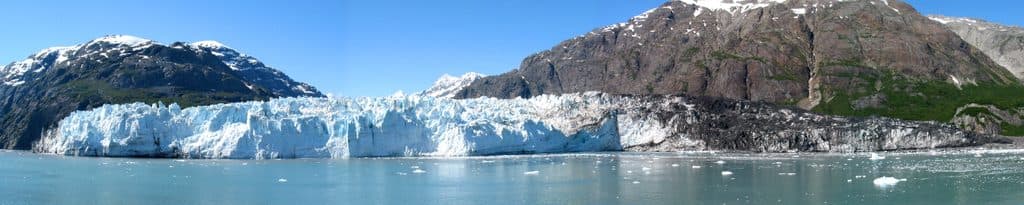
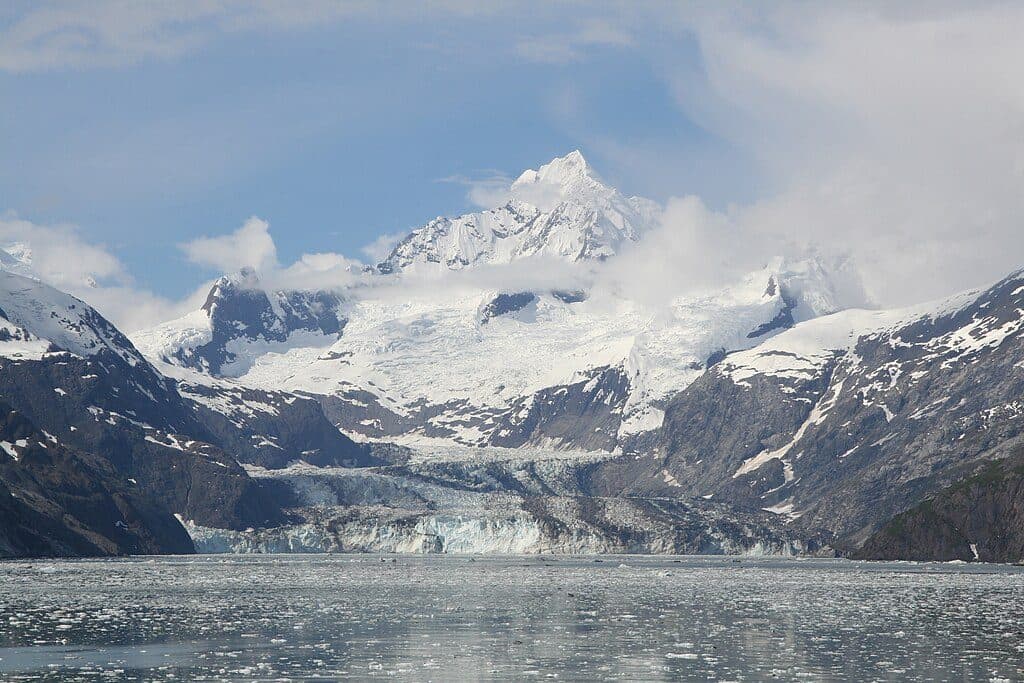
Tarr Inlet is the dramatic, boat-in finale of Glacier Bay’s West Arm—about nine miles long, less than two miles wide, and hemmed by steep, glacially carved walls. It ends at two very different neighbors: the debris‑mantled Grand Pacific Glacier and the vivid blue, actively calving Margerie Glacier. Ships and tour boats make this a headliner stop because the scenery and ice action are simply next‑level.

What You’ll See

  • Two tidewater glaciers in one frame: the photogenic, crackling Margerie and the broader, rock‑streaked Grand Pacific.
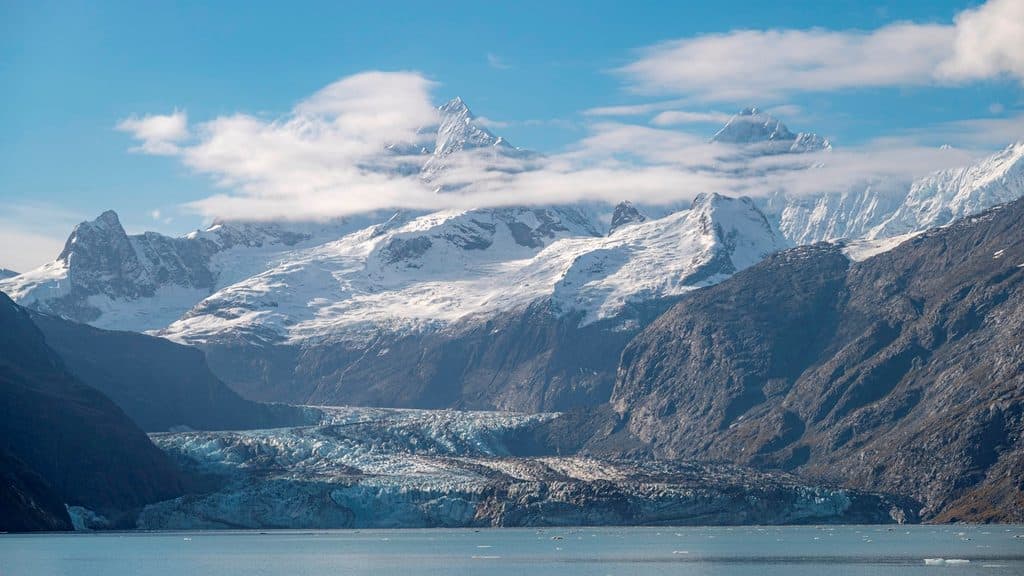
  • Classic fjord geology—polished walls, moraines, deep blue‑green water—telling the story of powerful ice.
  • A striking water‑color shift as you near the snouts: clear turquoise turning brown and silty from glacial runoff.

Wildlife

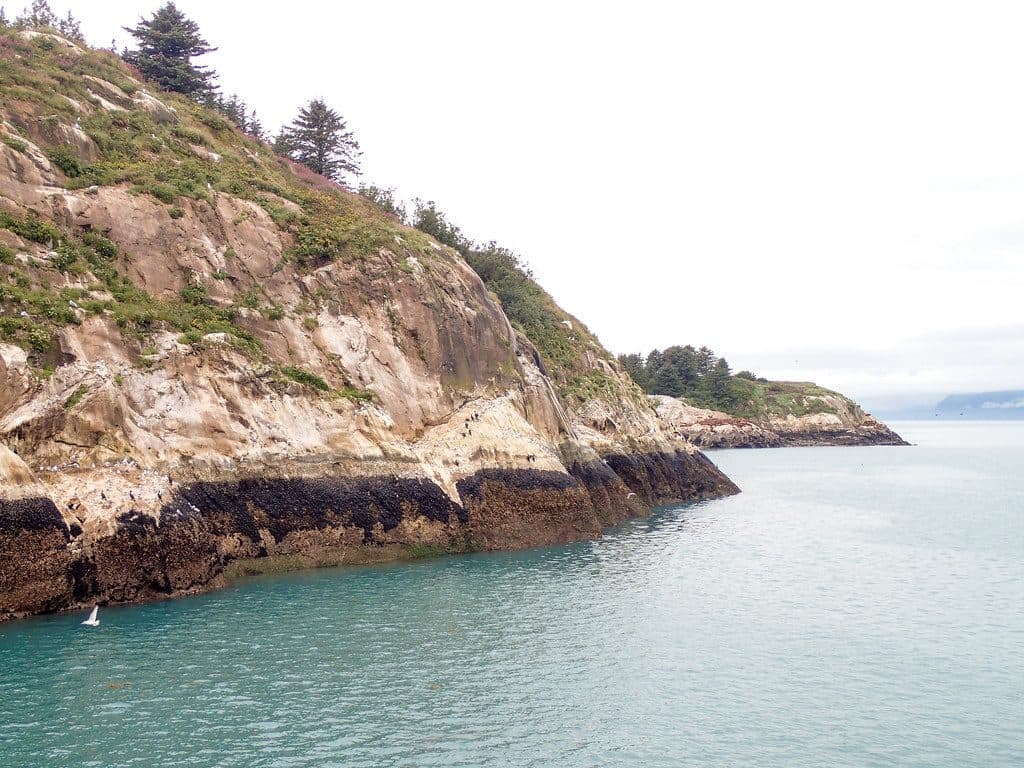
Keep your eyes on the water for harbor seals hauled out on ice and a parade of seabirds. With sharp eyes, you may spot puffins riding the surface, along with kittiwakes and glaucous‑winged gulls. Wildlife is never guaranteed, but the inlet often delivers.

Access & How People Visit

There are no roads or trails here—this is pure marine country. Most visitors arrive via cruise ship or tour/charter boats that depart from the park’s public dock. Private vessels can come with a permit, and experienced sea kayakers sometimes make the journey or arrange transport deeper into the bay. Boats commonly idle at Margerie to improve your odds of catching a calving event.

History & Geology

Named for geographer Ralph Stockman Tarr, the inlet is a textbook U‑shaped fjord carved by the Grand Pacific Glacier, which once dominated the region. Today, Margerie remains a lively, calving tidewater glacier, while Grand Pacific is largely debris‑covered and less photogenic—an eye‑opening contrast that makes the inlet a living lesson in glacial dynamics and change.

On-the-Water Realities

Conditions near the ice are exposed and chilly, even in summer. Expect wind funnels and damp air off the glacier fronts. Paddlers will find the water thick with silt as they approach the snouts—beautiful to look at, but slower, grittier going.

Best Time to Visit

You’ll be on your boat’s schedule here, not a trailhead’s. For the best experience, plan to be outside on deck when your vessel approaches the head of the inlet—bring layers and patience. Boats often linger at Margerie to wait out a calving show; staying warm and ready with binoculars or a long lens makes all the difference.


Is It Worth It?

Absolutely—this is one of Glacier Bay’s signature scenes. If you want the archetypal calving‑glacier experience and a front‑row seat to the forces that built the bay, Tarr Inlet is where it all comes together.

Pros

  • Side‑by‑side views of Margerie and Grand Pacific tidewater glaciers
  • High chance to witness Margerie Glacier calving from lingering boats

Cons

  • Boat-only access with no trails or facilities
  • Often cold, windy, and wet near the glacier faces

Tips

  • Dress in warm, waterproof layers—decks get windy and cold near the ice.
  • Bring binoculars or a long lens to spot calving and seabirds at a distance.
  • Be patient; boats often idle at Margerie to improve calving chances.
  • If paddling, expect thick, silty water as you near the glacier snouts.
  • Private vessels need permits—arrange charters or authorized transport in advance.
The Parkwolf tour guide sitting on a phone mounted in a car

Parkwolf Tour Guide

Like a tour guide in your car.

Save the places you found around Glacier Bay, then let Parkwolf guide the drive between them.Download Parkwolf on the App Store