Brady Glacier

Vast, remote ice field best seen from the water
Brady Glacier, Glacier Bay National Park
InsideGlacier Bay National Park

Overview

Brady Glacier is a sprawling, multi‑lobed glacier tucked against the Fairweather mountains on the park’s outer coast. It’s not a developed stop—think raw Alaska: ice, rock, weather—and that’s the charm. If you’re the type who prefers wild over curated, this one’s for you.

What You’ll See

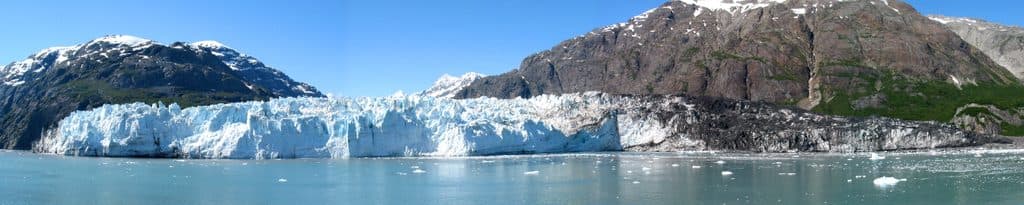
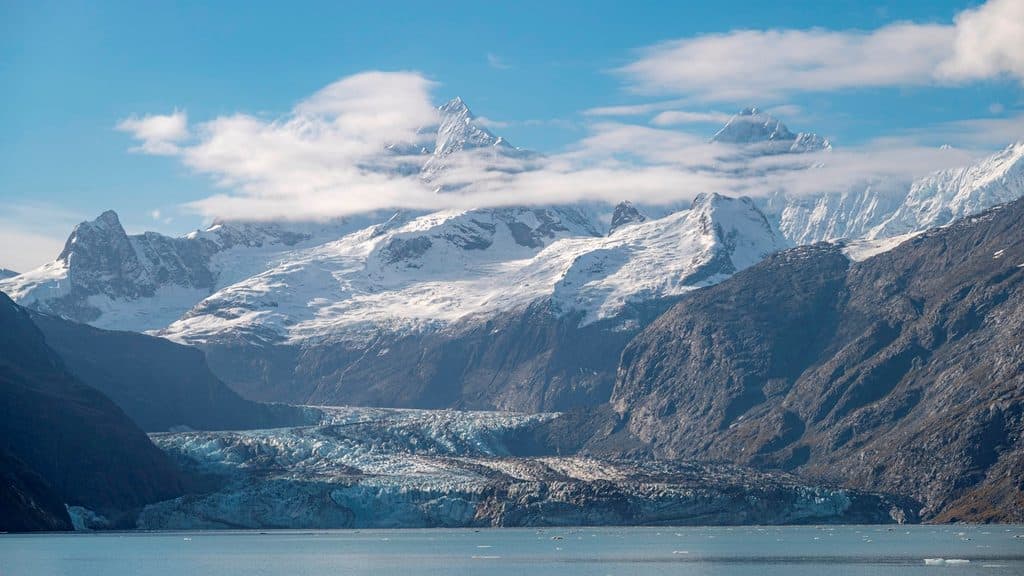
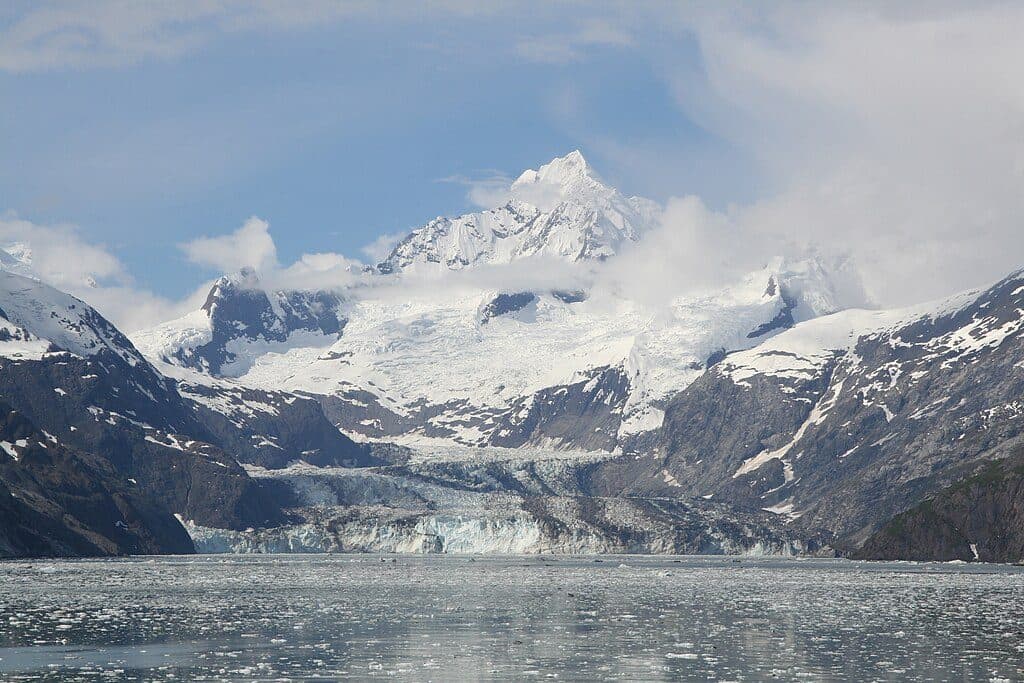
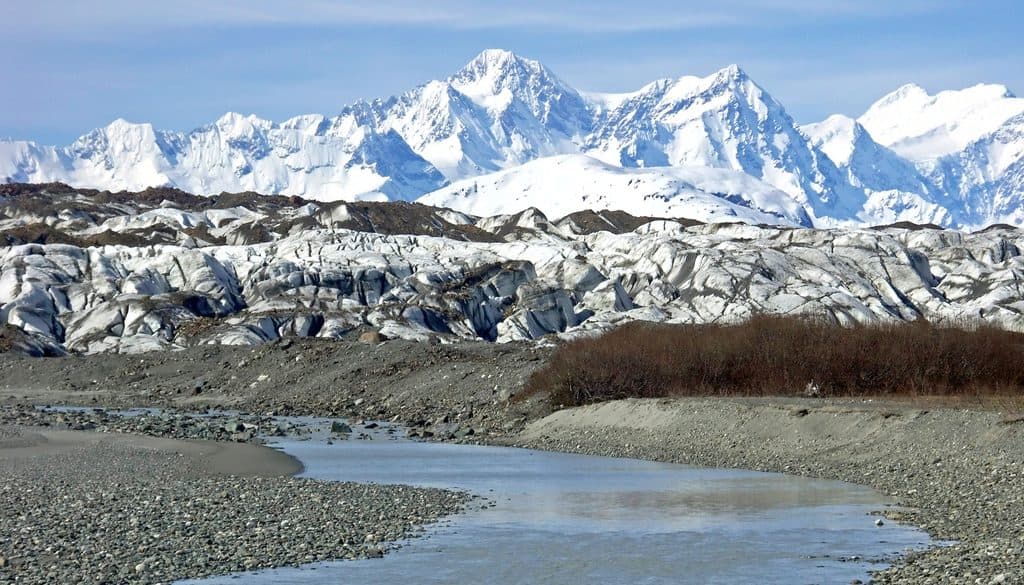
Expect an expansive, low‑elevation ice complex with several subsidiary termini framed by nearby nunataks and peaks. On a clear day from the water, the ice seems to run northward forever. The setting is classic Southeast Alaska—big views, big weather, and a strong sense of scale.

Access & Logistics

There’s no road access and no on‑site services. Most folks see Brady from the water as part of Glacier Bay/Icy Strait cruise itineraries or via charter; small aircraft flightseeing is another option. Outings are typically May–September, and time on scene can vary, but plan for a few hours on the water for dedicated excursions. If you’re plotting your own navigation, use current maps/imagery—the glacier’s margins do change.

Wildlife

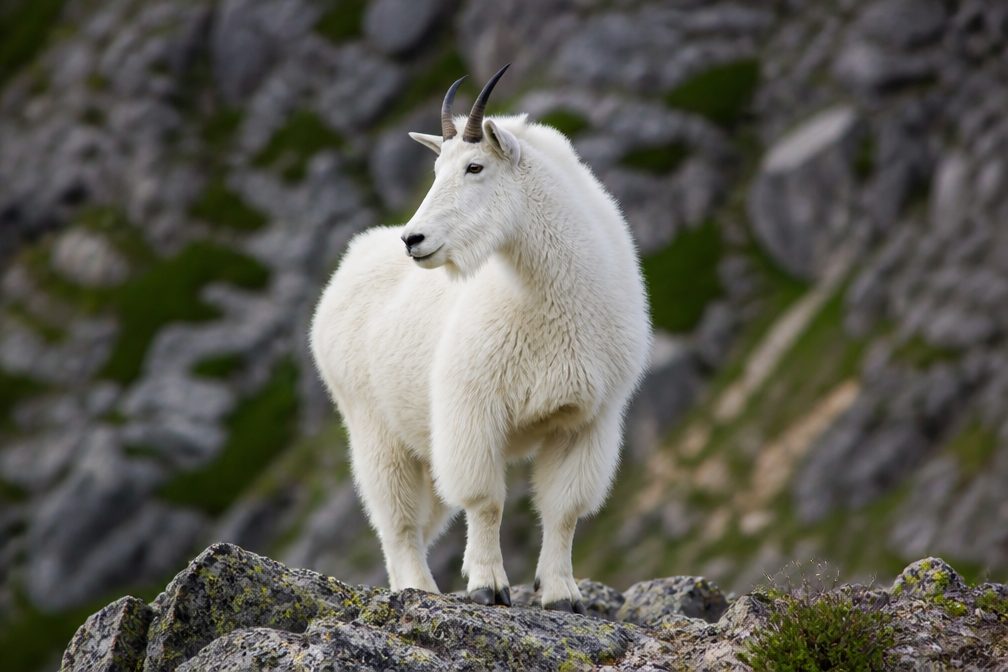
The most reliable sightings here are marine: seals hauled out on ice and seabirds working the water. You’re in wild country, so keep binoculars handy and scan the floes and shorelines.

Glaciology Snapshot

Brady is notable for its 20th‑century behavior—the main terminus advanced through the 1960s–70s before shifting to retreat in recent decades. It’s a complex system with multiple termini, making it a fascinating case study in how glaciers respond to changing climate and local terrain.

Best Time to Visit

May–September aligns with most cruise and charter operations and generally offers the best odds for workable weather. Crowds aren’t really a thing here; it’s remote and usually quiet any day of the week. Dress for rain, wind, and chilly air over cold water, even in midsummer.


Pros

  • Huge, complex glacier with a distinctive mid‑century advance story
  • Quiet, remote scenery typically viewed from boats transiting Icy Strait

Cons

  • No roads or facilities; access is by boat or small aircraft
  • Weather and fog can obscure views and change conditions quickly

Tips

  • Bring binoculars to spot seals on the ice and seabirds working the water.
  • Dress in waterproof layers; wind over cold water makes it feel colder.
  • There are no facilities—plan food, water, and essentials ahead of time.
  • Use up‑to‑date maps or imagery; terminus positions shift over time.
  • Most tours run May–September; boat or small‑plane access only from the region.
The Parkwolf tour guide sitting on a phone mounted in a car

Parkwolf Tour Guide

Like a tour guide in your car.

Save the places you found around Glacier Bay, then let Parkwolf guide the drive between them.Download Parkwolf on the App Store