Place · 6.8 mi away

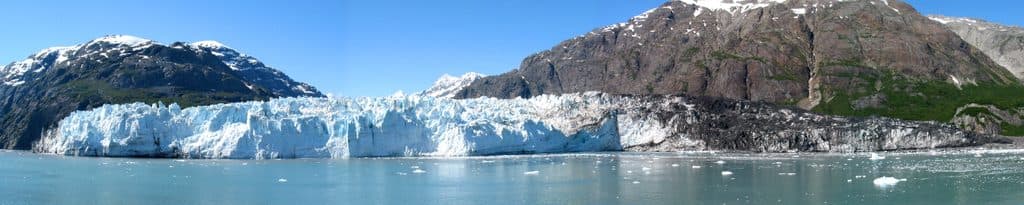
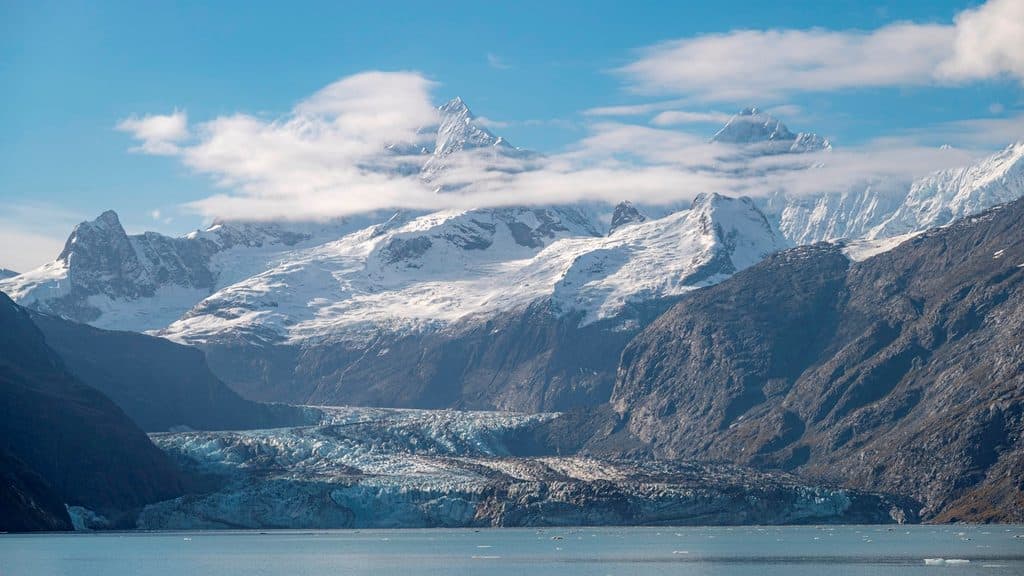
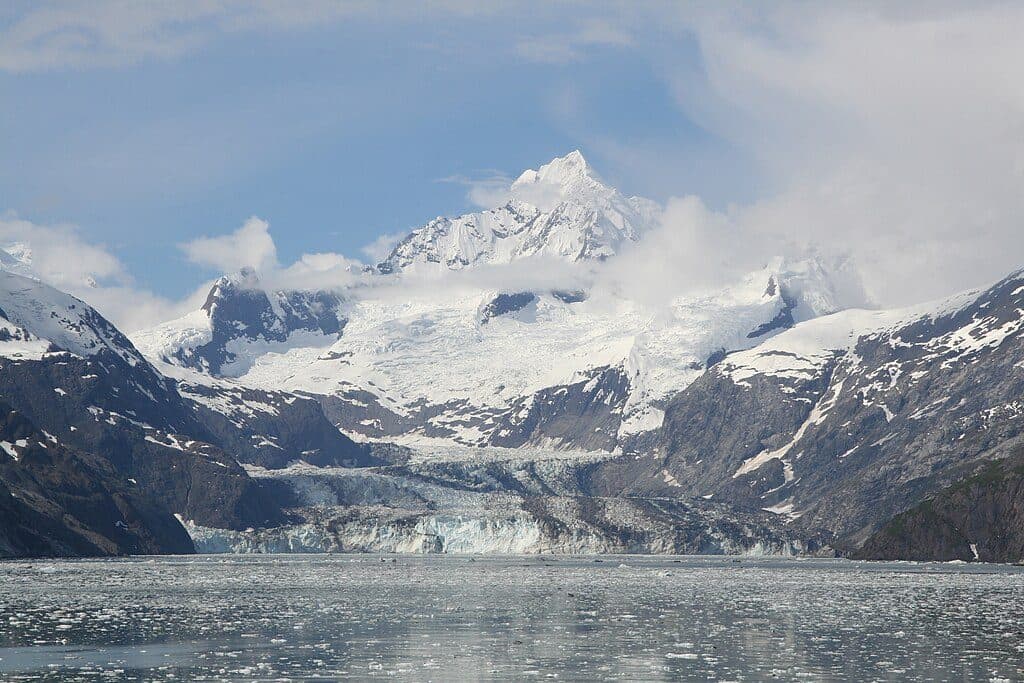
Grand Pacific Glacier sits at the very head of Tarr Inlet on the Alaska–Canada border. It’s the workhorse that carved out much of the bay’s upper reaches, but today it’s a very different-looking glacier—dark, rocky, and subdued rather than the postcard-blue wall you might be picturing. Think of it as Glacier Bay’s history lesson in motion.
From your cruise ship or tour boat, you’ll face a wide, largely debris-mantled ice front that can look more like a gray, rocky rise than shimmering ice. Right next door, Margerie Glacier steals the show with bright ice and livelier calving—great for the drama. Grand Pacific’s value is the contrast: two neighboring glaciers telling two very different stories.
This glacier originates in Canada’s St. Elias Mountains and flows into Alaska, ending at the top of Tarr Inlet. Heavy blankets of rock and moraine insulate much of its lower ice, slowing melt and dulling the color. It once joined Margerie; now a small stream separates their termini after Grand Pacific’s recession. It’s currently grounded above sea level rather than acting like a classic tidewater glacier, which is why you won’t see frequent calving.
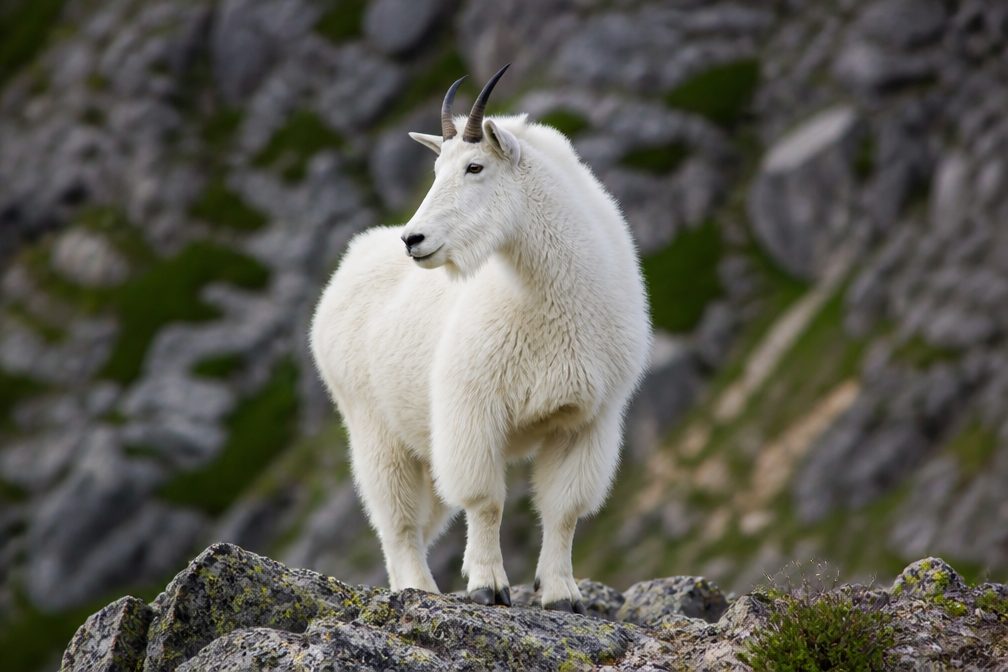
Keep binoculars handy. Harbor seals and the occasional sea otter use these cold waters, while gulls and other seabirds work the shoreline and exposed rock. The immediate terrain is raw and recently deglaciated, but bears and mountain goats roam the broader area. As always, sightings vary with season and weather.
There’s no road or trail access; everyone sees Grand Pacific from the water. The site is undeveloped: no restrooms, no picnic tables, no parking—just you, the boat, and a lot of ice and rock. Treat it as a pure wilderness viewing experience.
Your schedule will likely be set by your boat itinerary. Aim for calm, overcast conditions if you can choose—flat light makes details in the dark, debris-covered ice easier to read. Regardless of time of day, expect wind and chill on deck and plan layers for comfort.

Grand Pacific Glacier isn’t the beauty queen—that’s Margerie—but it’s the glacier that tells you how this place came to be. Come for the lesson, stay for the side-by-side comparison.