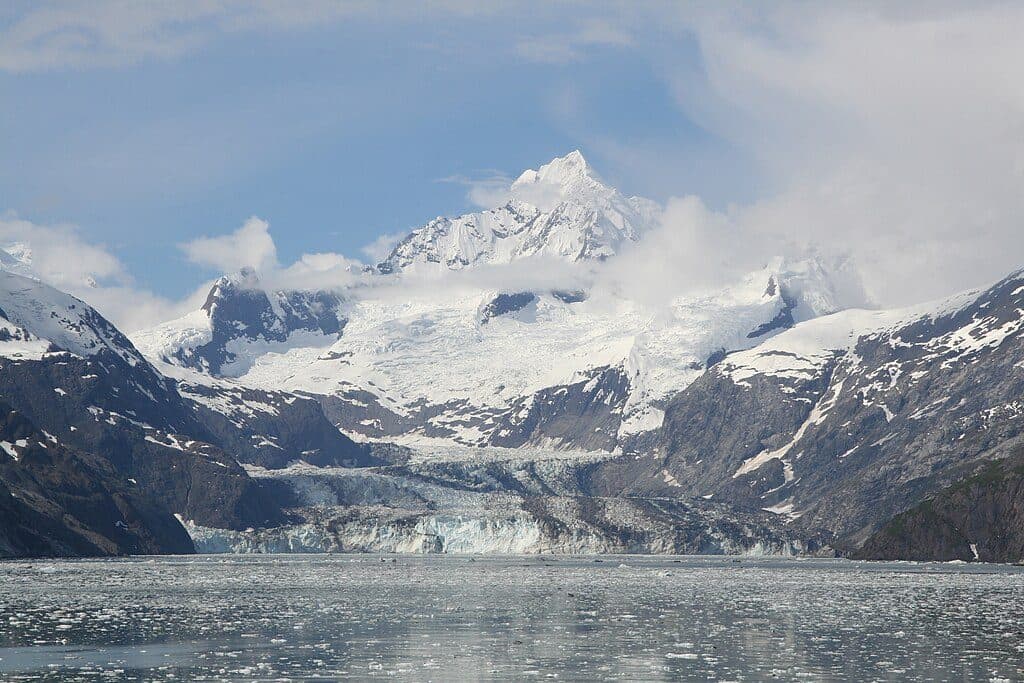
South Marble Island

Boat-only hotspot of sea lions and seabirds, plus a roaring soundscape
South Marble Island, Glacier Bay National Park
InsideGlacier Bay National Park

Overview

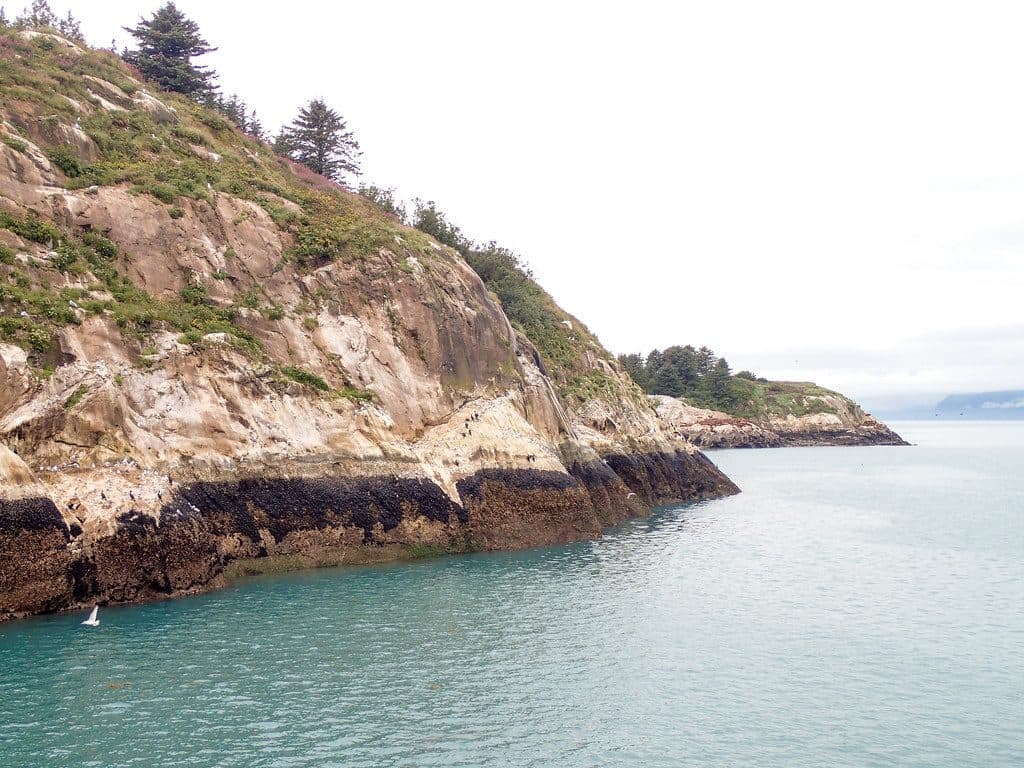
South Marble Island is a small, rocky limestone outcrop in lower Glacier Bay that you experience entirely from the water. It’s all about the wildlife: Steller sea lions crowd the ledges while seabirds swirl, nest, and shout overhead. The result is a full‑senses encounter—booming roars, wingbeats, and the very real smell of a bustling sea lion haul‑out.

Exposed by retreating ice less than two centuries ago, this little island has quickly become a crucial refuge for marine life. It’s remote, undeveloped, and strictly protected—one reason the animals act naturally and you get such a vivid show from your boat.

What You’ll See

  • Marine mammals: Big groups of Steller sea lions hauled out on the rocks are the headline. Seals are also reported. In surrounding waters, visitors have noted sea otters and even whales.
  • Seabirds: Expect a lively mix—kittiwakes, murres, puffins, guillemots, cormorants, gulls, and black oystercatchers are all associated with the colonies here. It’s a bird‑lover’s dream stop.
  • The soundscape: The park highlights the Marble Islands for their wall of natural sound—barks, roars, and a constant seabird chorus.

How to Visit

  • Boat‑only: There are no roads, docks, or trails. Tour boats and cruises typically slow or circle for viewing—no one disembarks.
  • Protection rules: Landings are prohibited and boats/kayaks must remain at least 300 feet from shore. Give wildlife space; this is sensitive breeding and haul‑out habitat.
  • Expect exposure: Weather on the bay swings from calm to biting wind and rain. Come prepared.

Photography and Viewing Tips

  • Bring binoculars and a telephoto lens; you’ll be shooting from a moving vessel at a respectful distance.
  • The action is all around—have your camera ready before the captain eases in so you don’t miss fly‑bys or sea lion scuffles.

Why It’s Special

Few places condense this much marine life into such a tiny footprint. The no‑landing policy keeps the island wild, and you witness the colony at full throttle—no theatrics needed.

Best Time to Visit

There are no set hours; you’ll visit when your boat itinerary reaches the Marble Islands. Conditions are best when seas are calmer and visibility is decent. Expect more commotion when multiple vessels swing by at once; smaller boats often feel quieter, but all viewing is from the water.


Pros

  • Reliable boat-based viewing of Steller sea lions and dense seabird colonies
  • Signature, unforgettable wildlife soundscape

Cons

  • No landings allowed; vessels must stay at least 300 feet offshore
  • Cold, windy conditions and a strong sea lion odor are common

Tips

  • Confirm your tour includes the Marble Islands stop; there’s no shore access here.
  • Bring binoculars and a telephoto lens for distant wildlife viewing from the boat.
  • Dress warm and waterproof—wind, spray, and rain are common on the bay.
  • Expect loud roars and a strong sea lion smell; it’s part of the experience.
  • Obey the 300‑foot distance rule and never attempt to land on the island.
The Parkwolf tour guide sitting on a phone mounted in a car

Parkwolf Tour Guide

Like a tour guide in your car.

Save the places you found around Glacier Bay, then let Parkwolf guide the drive between them.Download Parkwolf on the App Store