Overview
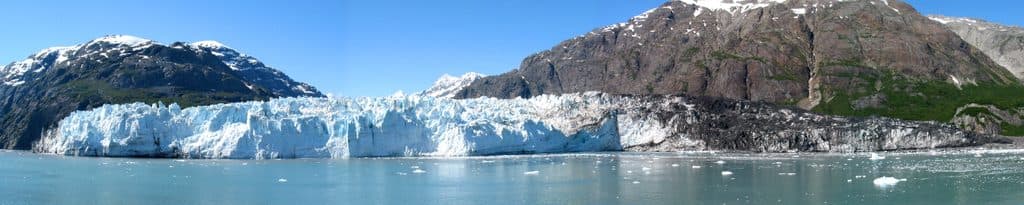
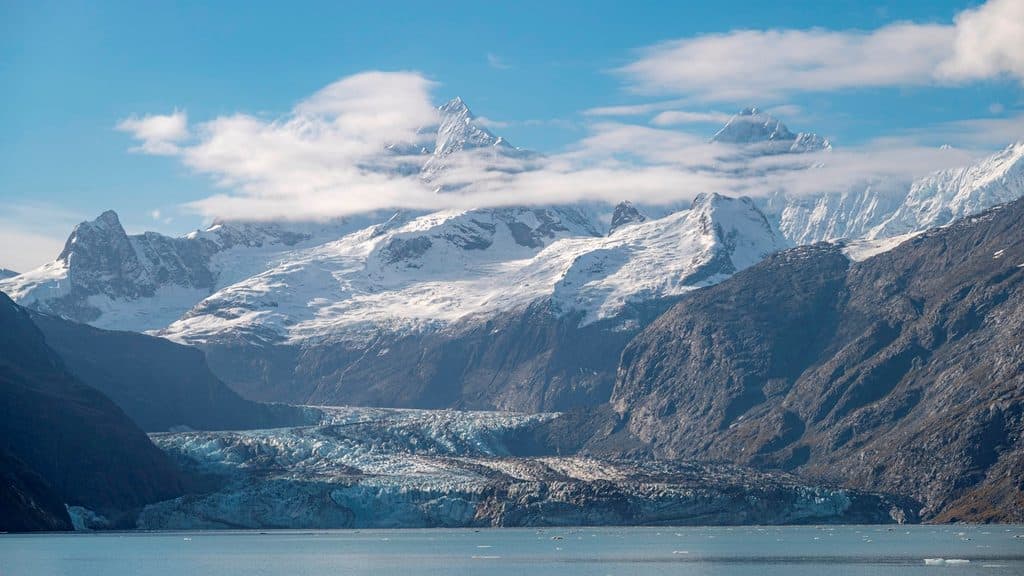
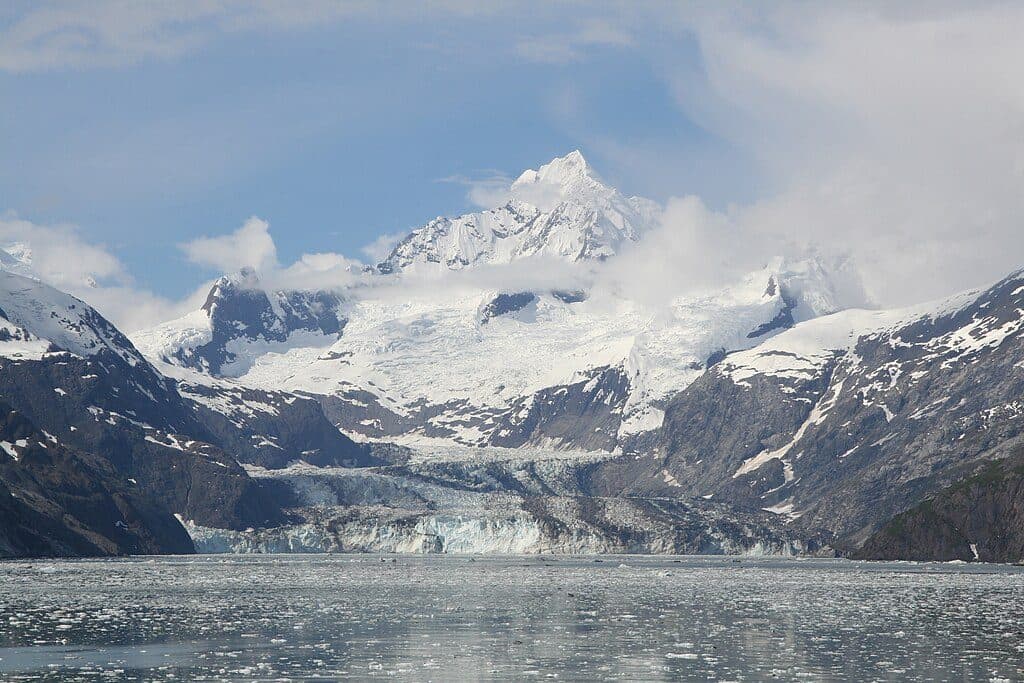
McBride Glacier is a tidewater glacier at the head of McBride (Muir) Inlet in the park’s East Arm. It still meets saltwater and calves, so you’ll often find fresh blue ice and a scatter of bergy bits riding the currents—dramatic, moody, and far less busy than the marquee West Arm glaciers.
What You’ll See
- A vertical ice face with occasional calving, sending ice into the inlet.
- Floating ice ranging from small chunks to larger bergs, especially in warmer months.
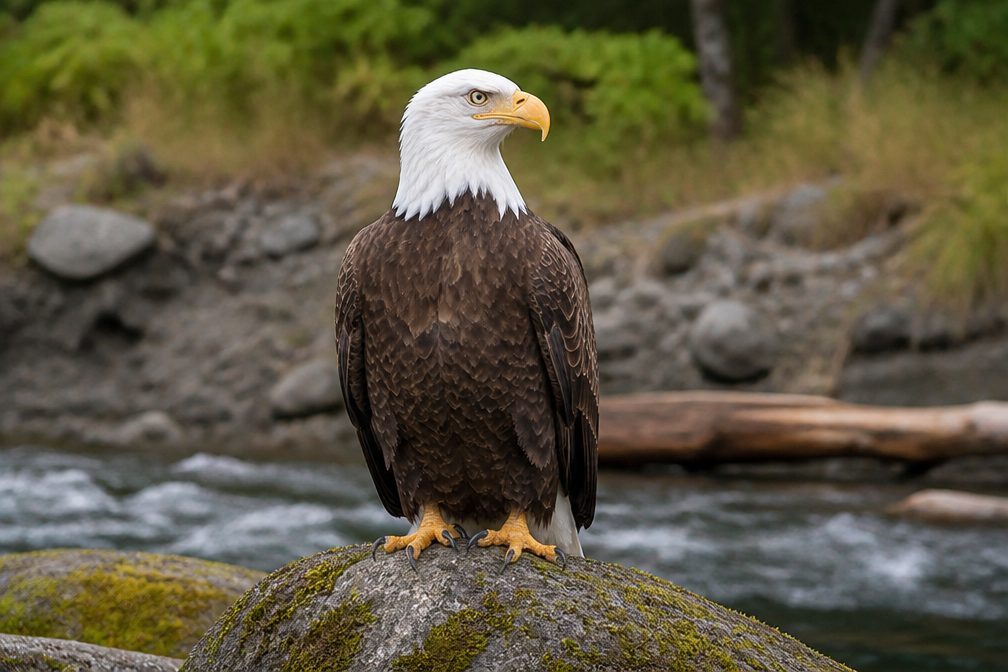
- Wildlife: harbor seals frequently haul out on the ice (notably in spring and early summer), with gulls and terns working the inlet and the occasional bald eagle around.
Why It’s Distinctive
McBride is the East Arm holdout that still reaches tidewater, while nearby Muir and Riggs have transitioned away from tidewater calving. It’s an excellent side‑by‑side lesson in how different glaciers respond over time.
A Landscape in Motion
Retreat here is well documented: satellite comparisons show kilometers of recession in recent decades. You’ll read the story right on the fjord walls—freshly exposed bedrock, moraines, and a reshaped inlet—all part of the park‑wide trend of thinning and recession.
Getting There
This is a marine destination—no roads, no trailheads. You reach it by small boat or on a guided paddle; most large cruise ships don’t come up Muir Inlet. Expect a full wilderness experience with no facilities on site.
On the Water: Safety & Etiquette
- Give the glacier’s face a very conservative distance; falling ice can throw waves and hidden chunks can lurk just below the surface.
- Harbor seals use the ice as vital resting and pupping habitat—keep your distance to avoid disturbance.
- Conditions are changeable; cold water, shifting ice, and sudden weather are normal here.
Planning Essentials
- Bring waterproof layers, warm clothing, gloves, and a hat—summer can still be cold and wet.
- Binoculars and a zoom lens pay off for seals, birds, and compressed glacier textures.
- Save park info in the NPS App for offline use before you go; reception is unreliable.
Best Time to Visit
- Wildlife: spring to early summer for peak harbor seal activity on the ice.
- Ice viewing: warmer months often mean more floating ice in the inlet.
- Light and crowds: mornings tend to feel calmer and quieter; overall this inlet sees far fewer visitors than the West Arm.