Place · 6.2 mi away

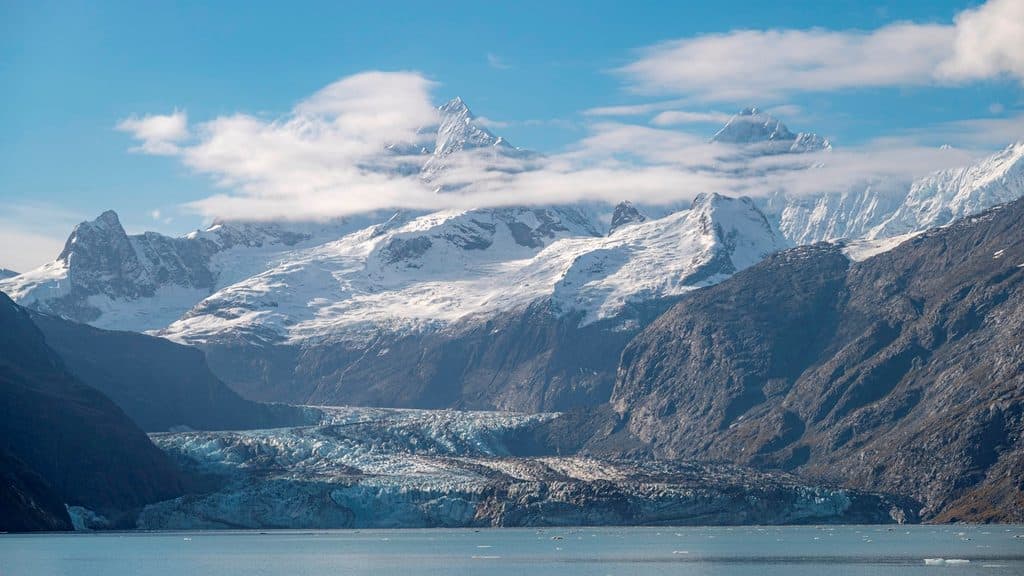
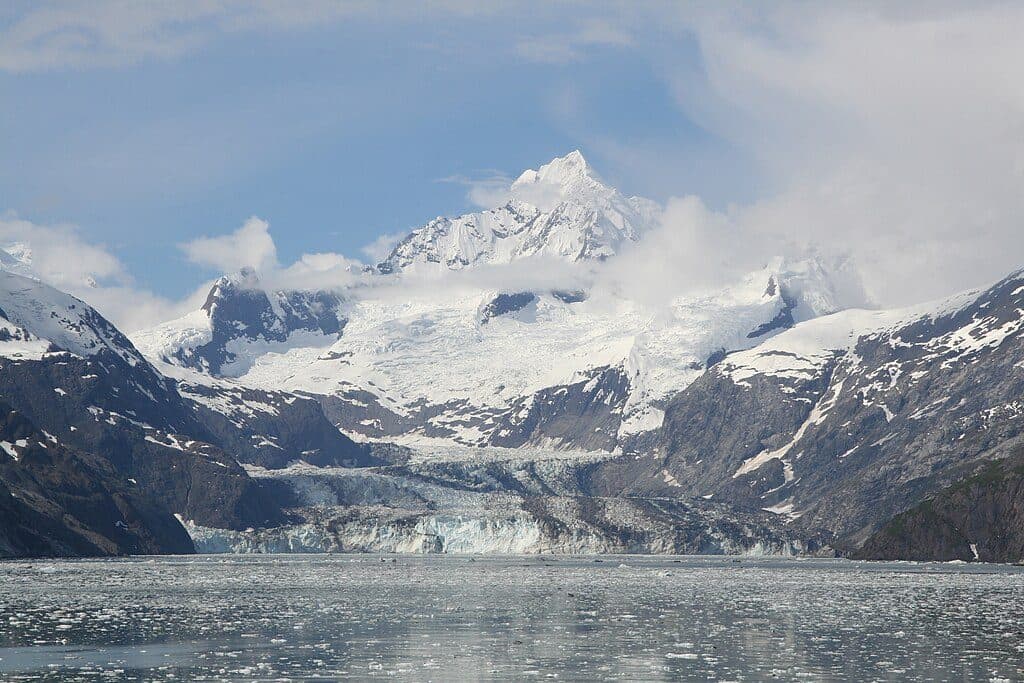
Mount Crillon is one of the Fairweather Range heavyweights, rising to 12,727 feet on the wild outer edge of the park. It sits between the Gulf of Alaska and Glacier Bay, which gives it outrageous vertical relief and big-mountain drama from sea level to summit. This is not a casual stop—it's a remote, expedition-style objective and a visual prize for those who get close.
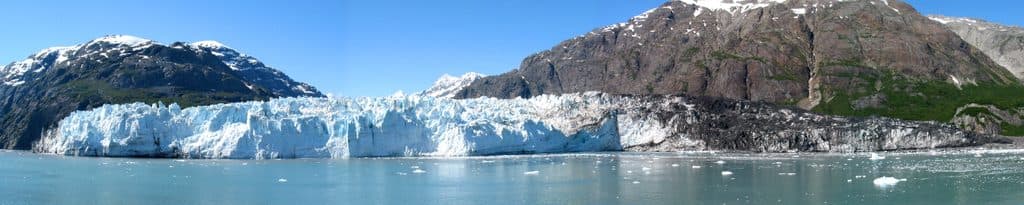
Expect a fortress of ice and rock: steep faces that drop thousands of feet in just a few miles, sprawling snowfields, and a ring of major glaciers (including the North and South Crillon Glaciers, La Perouse Glacier to the south, and a southern branch of Johns Hopkins Glacier to the north). On rare clear days, the skyline takes in neighboring coastal giants like Mount Fairweather and the Gulf of Alaska beyond.
There are no roads, trailheads, or pullouts anywhere near Mount Crillon. Approaches are pure wilderness—typically by air (fixed-wing to nearby lakes or glacier strips) or by long, technical glacier travel. Trip accounts describe backcountry camping near Crillon Lake and traverses on the Crillon Glaciers. This peak is rarely climbed; it’s strictly for advanced mountaineers with glacier, ice, and route-finding chops, full self-sufficiency, and the ability to manage crevasses, avalanches, and rapidly changing conditions. Helicopter landings and airdrops are not allowed in the park; fixed‑wing landings may be used where permitted. There are no services of any kind on site.

Crillon had a reputation for stubborn resistance to early climbers. After multiple attempts, the first ascent was finally made in 1934 by Bradford Washburn and H. Adams Carter. Its position near the southern end of the Fairweather Range and its sheer relief helped cement its stature in American mountaineering history.
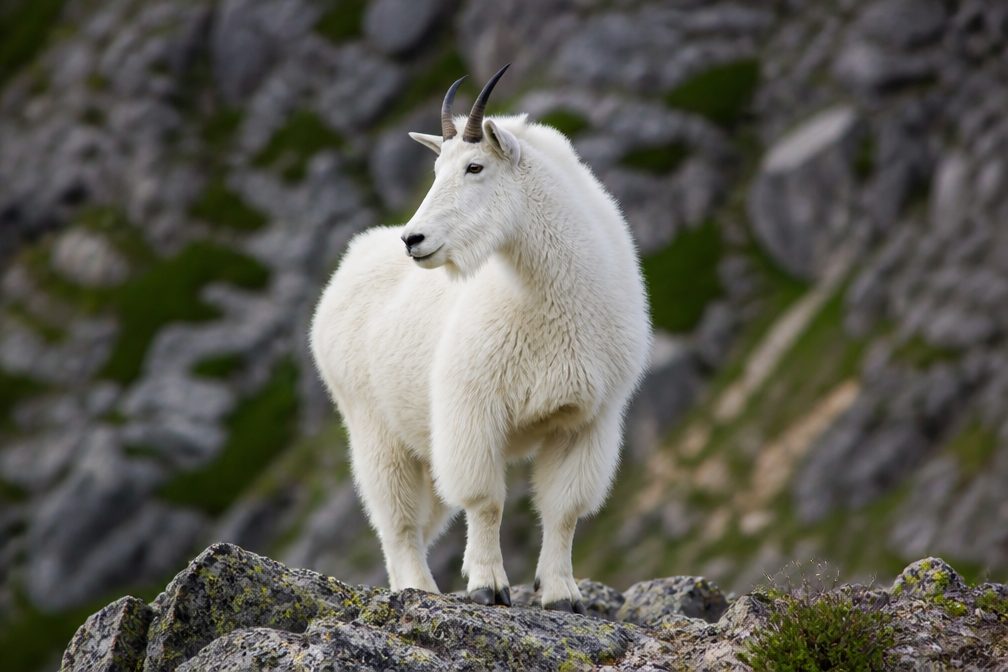
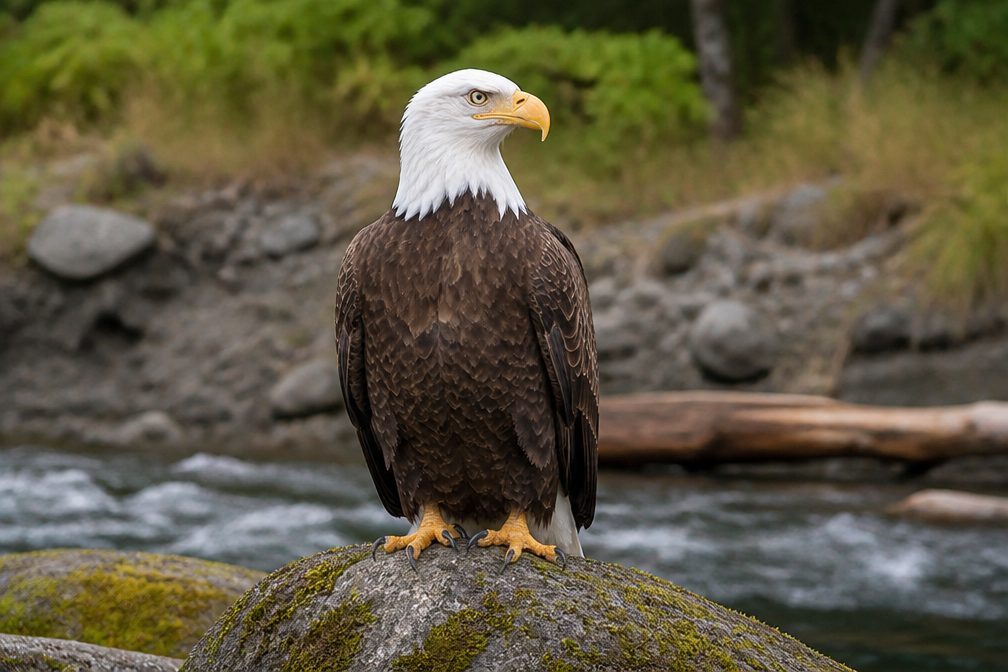
Specific wildlife details for the mountain itself aren’t documented in the sources used here. In general, the broader region supports classic Southeast Alaska fauna at lower elevations and adjacent valleys, but don’t plan your visit around wildlife viewing on the mountain.
There’s no standard “season” here for casual visitors. Weather is notoriously fickle thanks to its coastal location, so success hinges on catching a stable window. Expect delays; build flexibility into any plan. Crowds aren’t a concern—this is a lonely corner of the park.