Mount La Perouse

Remote Fairweather Range peak above a rare ocean-terminating glacier
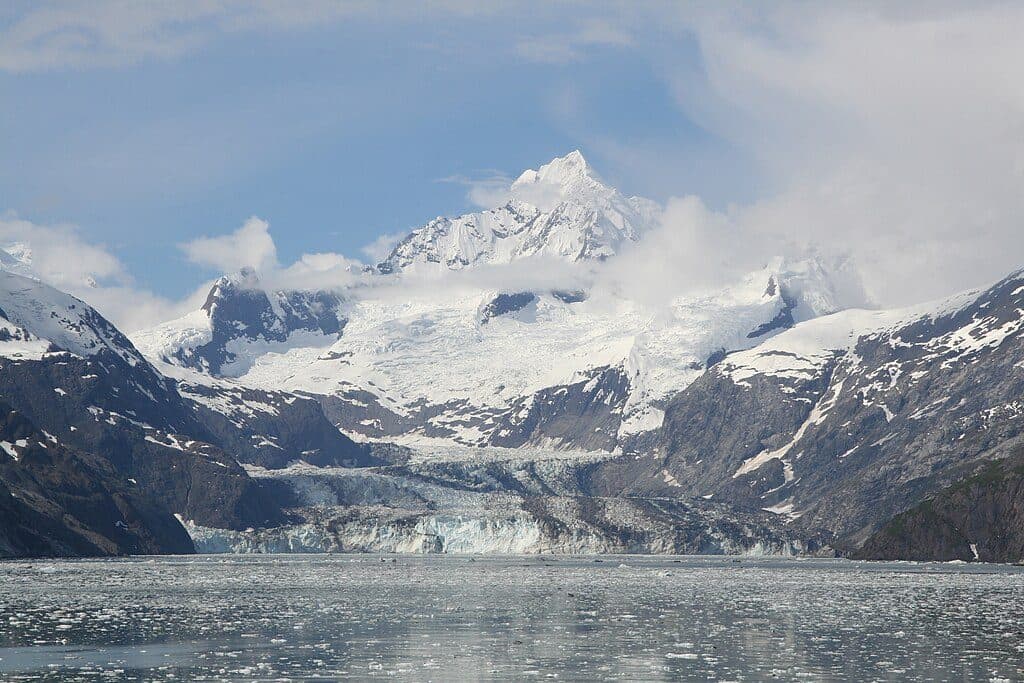
Mount La Perouse, Glacier Bay National Park
InsideGlacier Bay National Park

Overview

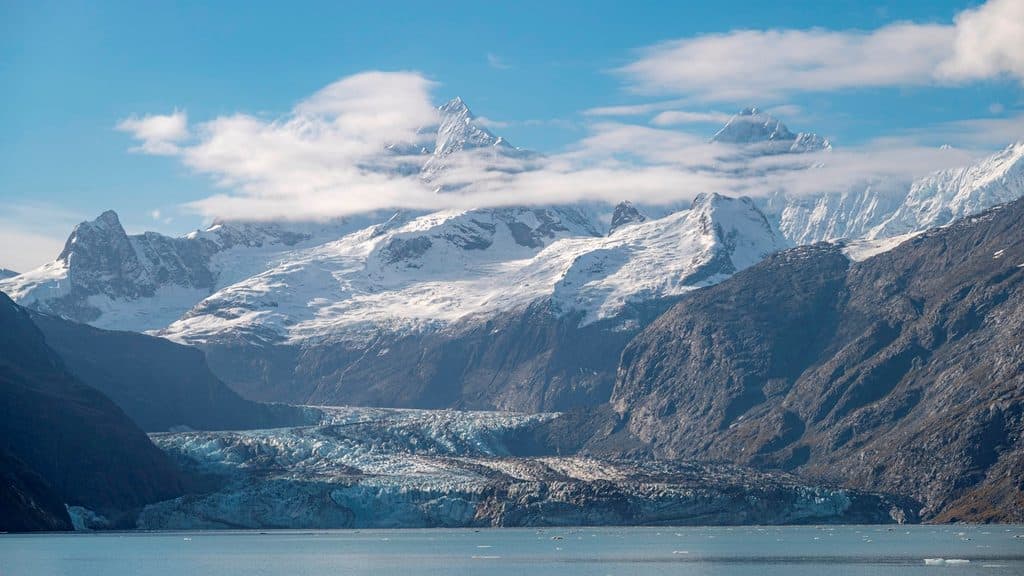
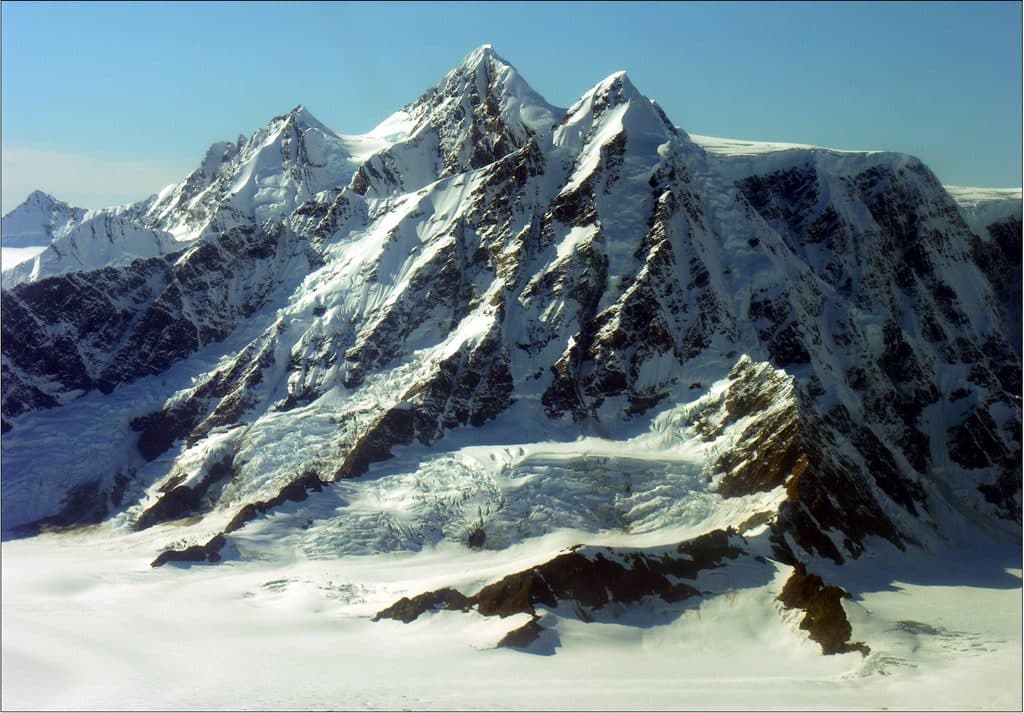
Mount La Perouse is a dramatic, glaciated summit in the Fairweather Range of Glacier Bay. It rises out of rugged icefields with a perfectly wild, end-of-the-earth feel—no roads, no trails, and no facilities. This is not a casual stop; it’s an objective for seasoned mountaineers or a distant landmark admired from the coast.

What Makes It Unique

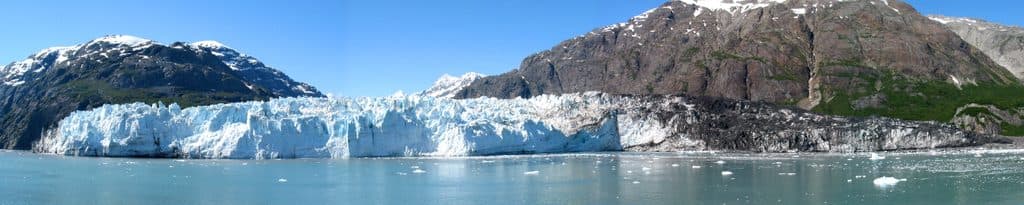
At the base of the mountain sits La Perouse Glacier, notable for advancing to the outer Pacific coast and discharging icebergs directly into the ocean. Its calving face forms a sheer cliff several miles wide and roughly 200 feet high, with frequent calving that booms across the water. The mountain itself also drew scientific attention for near-summit exposures of layered gabbro—an unusual geologic window into a large intrusive complex.

What You’ll See

  • A heavily glaciated peak with sweeping icefields and rugged moraines.
  • Active calving at the coastal glacier terminus, sending ice into the Pacific.
  • High-elevation rock bands where the layered gabbro is exposed.

Access and Experience

Expect full-on wilderness. Documented approaches involve aircraft or boat support, followed by glacier travel. There are no maintained routes, no signage, and no on-site support. Most park visitors never get here; many who do “see” it do so from ships passing along the outer coast.

History & Geology

Named for the French navigator Jean-François de Galaup de La Pérouse, the mountain became a target for scientific parties investigating the unique layered gabbro body it shares with nearby peaks. That geology—along with the dynamic, ocean-terminating glacier—makes this a rare combination of coastal ice and significant bedrock exposure.

Wildlife

Sources do not document wildlife specific to this summit. Given the harsh, glaciated setting, expect sparse sightings near the upper mountain; coastal areas around the glacier are more active but not detailed here.

Best Time to Visit

There isn’t a standard “season” for casual visitors. Mountaineering teams wait for short weather windows in a region known for rapid shifts, heavy precipitation, and strong winds. If you’re simply hoping to glimpse it, look for views from vessels traveling the outer coast.


Know Before You Go

  • This is designated wilderness with zero amenities—plan to be fully self-reliant.
  • Only experienced alpinists with glacier travel and crevasse rescue skills should attempt an approach.
  • Weather can change fast; plan conservatively and expect delays.

Pros

  • Rare ocean-terminating glacier with frequent calving at its base
  • Spectacular, wild alpine scenery and true solitude
  • Distinctive layered gabbro geology exposed near the summit

Cons

  • Extremely remote with no trails or services; technical glacier travel required
  • Harsh, highly unpredictable weather

Tips

  • There are no facilities anywhere near the mountain—be completely self-sufficient.
  • Access typically involves aircraft or boat support followed by glacier travel.
  • Only attempt an approach with full glacier skills and crevasse rescue competence.
  • If you just want a look, plan to view it from passing ships along the outer coast.
  • Build in extra days; weather windows are short and conditions shift rapidly.
The Parkwolf tour guide sitting on a phone mounted in a car

Parkwolf Tour Guide

Like a tour guide in your car.

Save the places you found around Glacier Bay, then let Parkwolf guide the drive between them.Download Parkwolf on the App Store