Place · 5.1 mi away

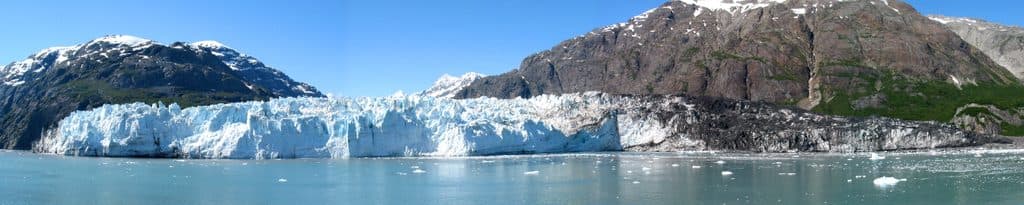
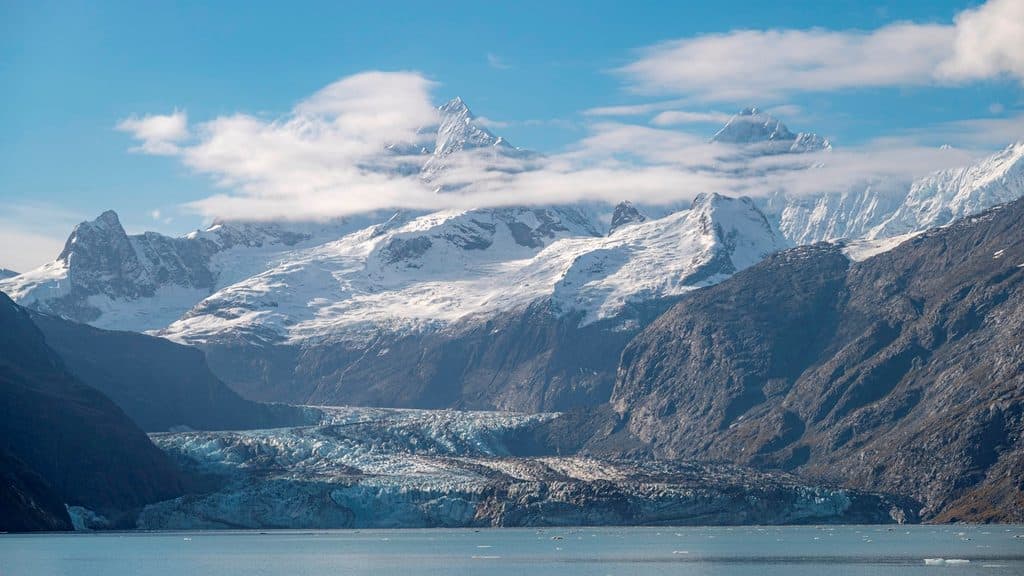
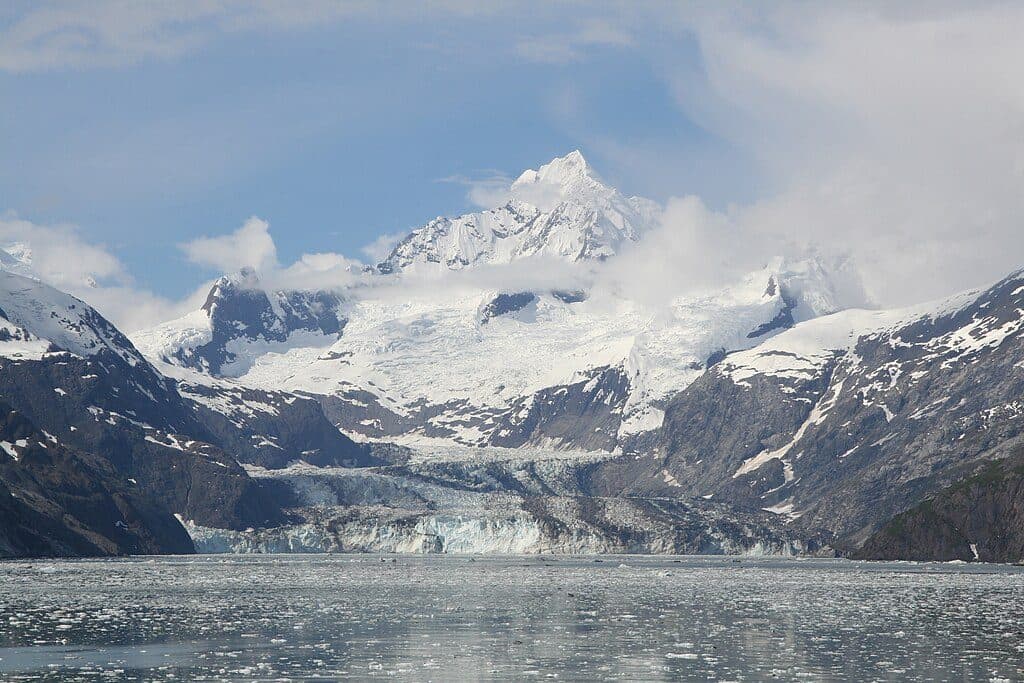
Reid Glacier is the broad, blue-white wall at the head of Reid Inlet, flowing about 11 miles from the Brady Icefield. Its face is roughly three-quarters of a mile wide and about 150 feet high—substantial, but on a human scale that feels approachable rather than overwhelming.
Expect a grounded glacier front with a low, wide face and the steady soundtrack of meltwater streams. You’ll often find small chunks of ice in the inlet rather than massive bergs. At low tide, sediment fans and freshly exposed deposits fringe the shore, a visual reminder of the glacier’s ongoing change. Look for crevasse patterns across the surface; many are softening as the ice slows and thins.
This inlet exists because the glacier pulled back—about two miles since 1899—revealing new shoreline and telling a clear story of Glacier Bay’s evolving landscape. It’s a quieter, more contemplative glacier stop where you can appreciate detail: textures in the ice, the rush of water, and the shape of the valley the ice once filled.
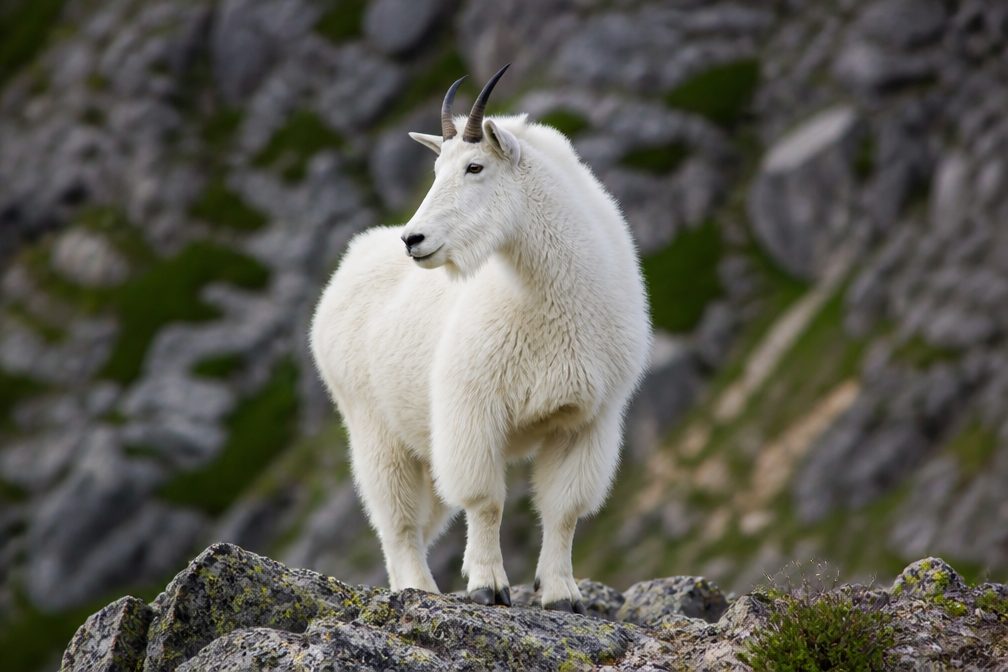
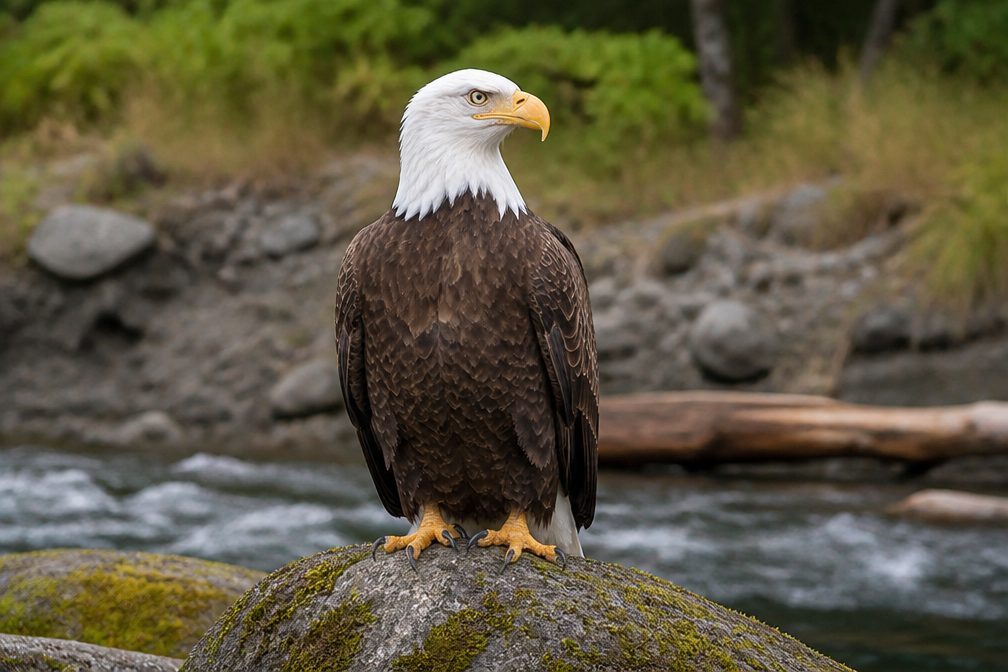
Sea otters often raft in the inlet, harbor seals cruise the edges, and birds work the currents—think gulls and shorebirds with sharp calls carrying over the water. Keep binoculars handy; the action is subtle but rewarding.
Most visitors arrive by small boat, kayak, or on a cruise that noses into Reid Inlet. Smaller vessels sometimes anchor so people can step ashore near the snout for a closer look at the ice and meltwater channels. The shoreline is wild—expect rocky, muddy, and slippery footing with no built infrastructure.
Named for glaciologist Harry Fielding Reid, the glacier flows from the Brady Icefield. Its eastern and western flanks are grounded, with the central portion still influenced by tides. That grounding helps explain the modest calving: you’ll see small pieces shed, not the thunderous collapses of Glacier Bay’s most active tidewater fronts.
There are no hours here—this is wilderness. Aim for clear-weather windows because fog and low clouds can hide the face and surrounding peaks. Low tide reveals more of the inlet’s fresh sediment and shoreline texture, which can be great for photography and understanding the glacier’s story.

This is a detail-rich glacier: work the patterns in the ice, meltwater braids, and the scale reference you get from shoreline trees. If you can linger by small boat or kayak, changing light on the ice face pays off.