Place · 5.7 mi away

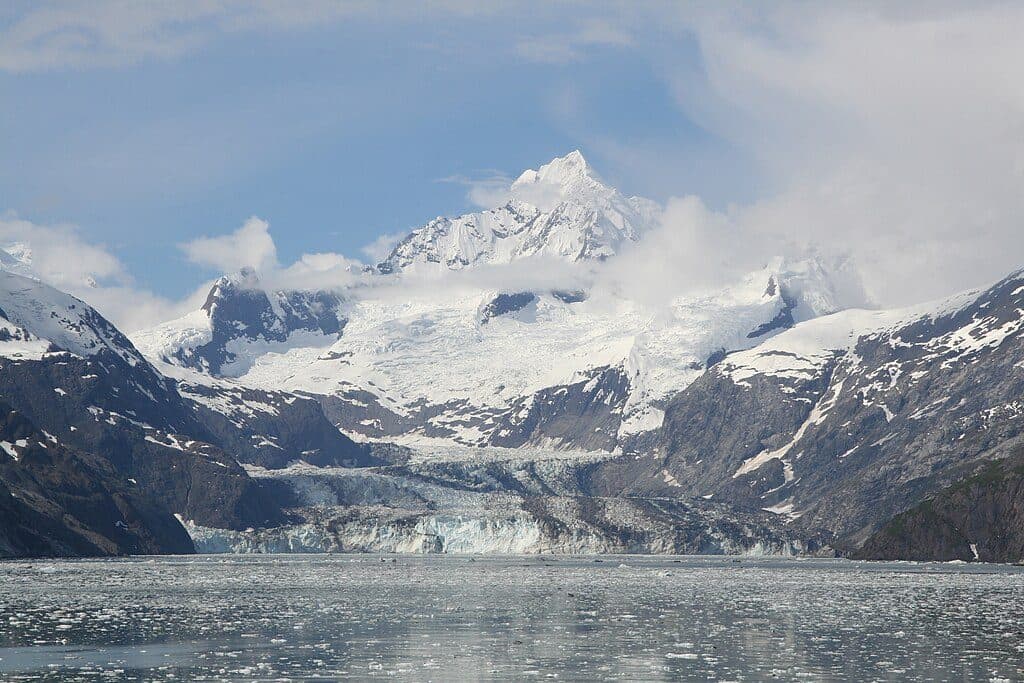
Russell Island is a small, rugged island in the West Arm, best known for its raw, undeveloped character and commanding glacier views. It’s the kind of place you go for silence, sweeping scenery, and the feeling that you’re watching a landscape still finding its shape.
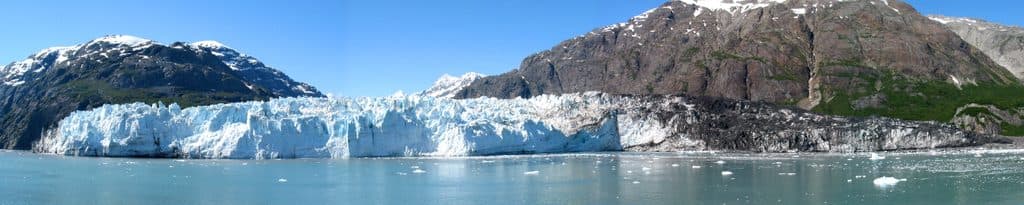
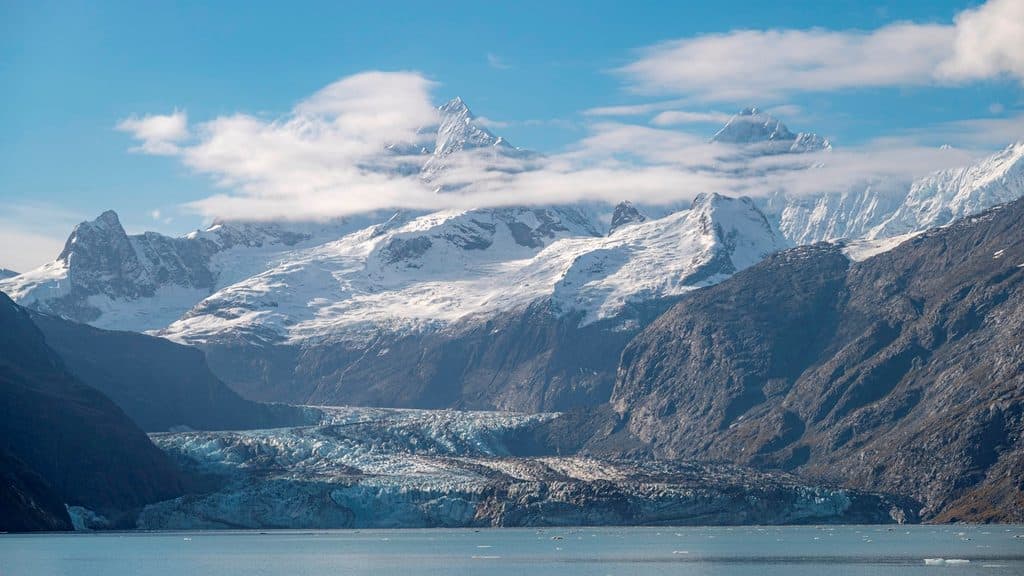
From the north end, you can look up Tarr Inlet toward tidewater glaciers, with additional views west toward dramatic ice-filled valleys. The island itself is a mix of rocky shoreline, alluvial fans, and young forest—an on-the-ground snapshot of Glacier Bay’s rapid ecological succession.
Buried under massive ice during the Little Ice Age, the island emerged as glaciers retreated. The land here is rising quickly due to isostatic rebound—one of the fastest uplift rates anywhere—so the coastline you land on today is literally different than it was a few decades ago. The island was named in 1937 for geologist Israel Cook Russell, and it figured into early explorations of the bay in the late 19th century.
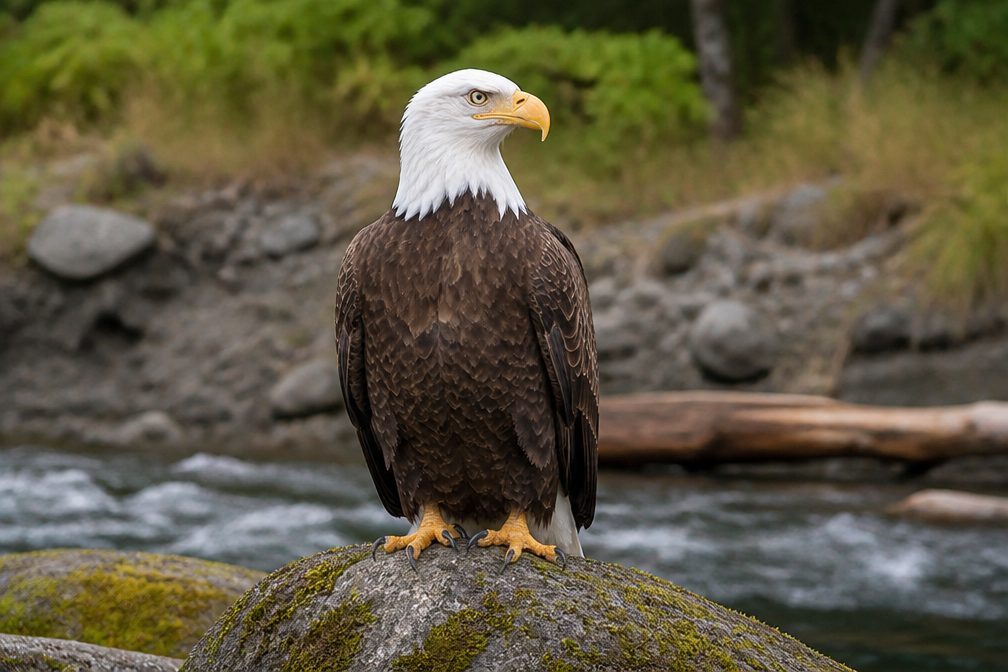
This is prime country for brown bears along beaches and salmon streams, with bald eagles and seabirds overhead and the chance for marine mammals in surrounding waters. Give wildlife plenty of space, keep camps clean, and follow strict food storage protocols.
Most people encounter Russell Island by kayak or small boat. There are no docks, trails, or infrastructure—expect bushwhacking through alder and young spruce if you head inland. Shoreline wandering can be superb when tides cooperate. If you plan to go ashore via tour boat drop-off or pickup, coordinate with the park in advance, as backcountry drop points are limited and change seasonally on official schedules.
Crowds aren’t the issue here; conditions are. Aim for stable weather windows and time landings to higher tides for easier access. Fog, rain, and wind are common—build flexibility into your plan and be prepared to sit out bad weather.

There are no services of any kind. Camping is primitive and entirely pack-in/pack-out. Bring bear-resistant canisters, rain gear, tide tables, navigation tools, and a reliable water treatment method. Expect wet footing, brushy travel, and the need for strong backcountry judgment.