
Place · 0 mi away
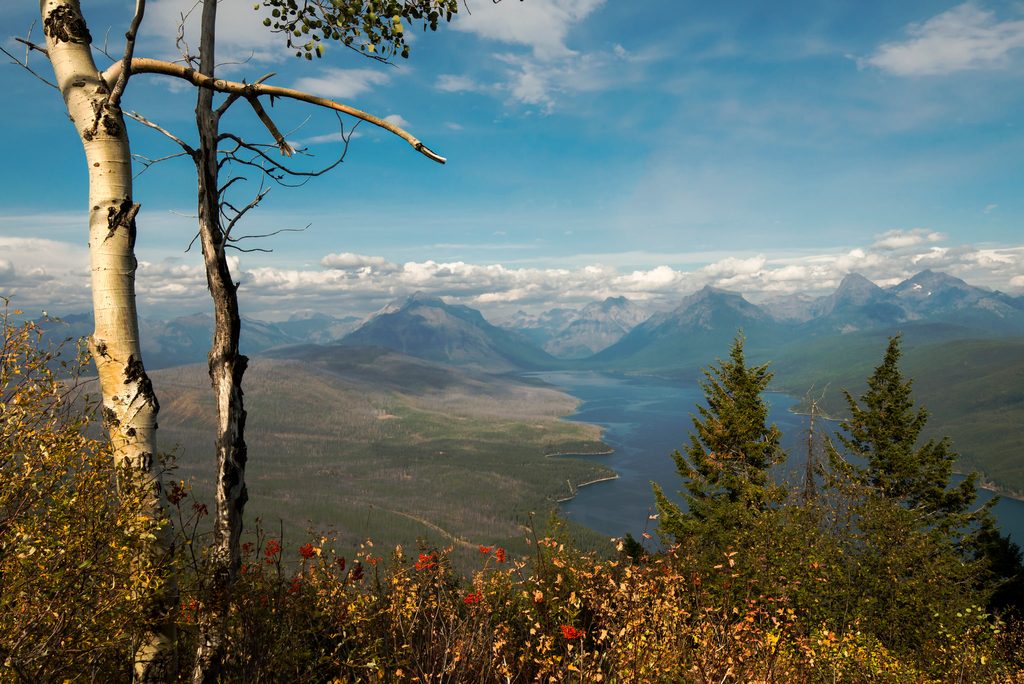
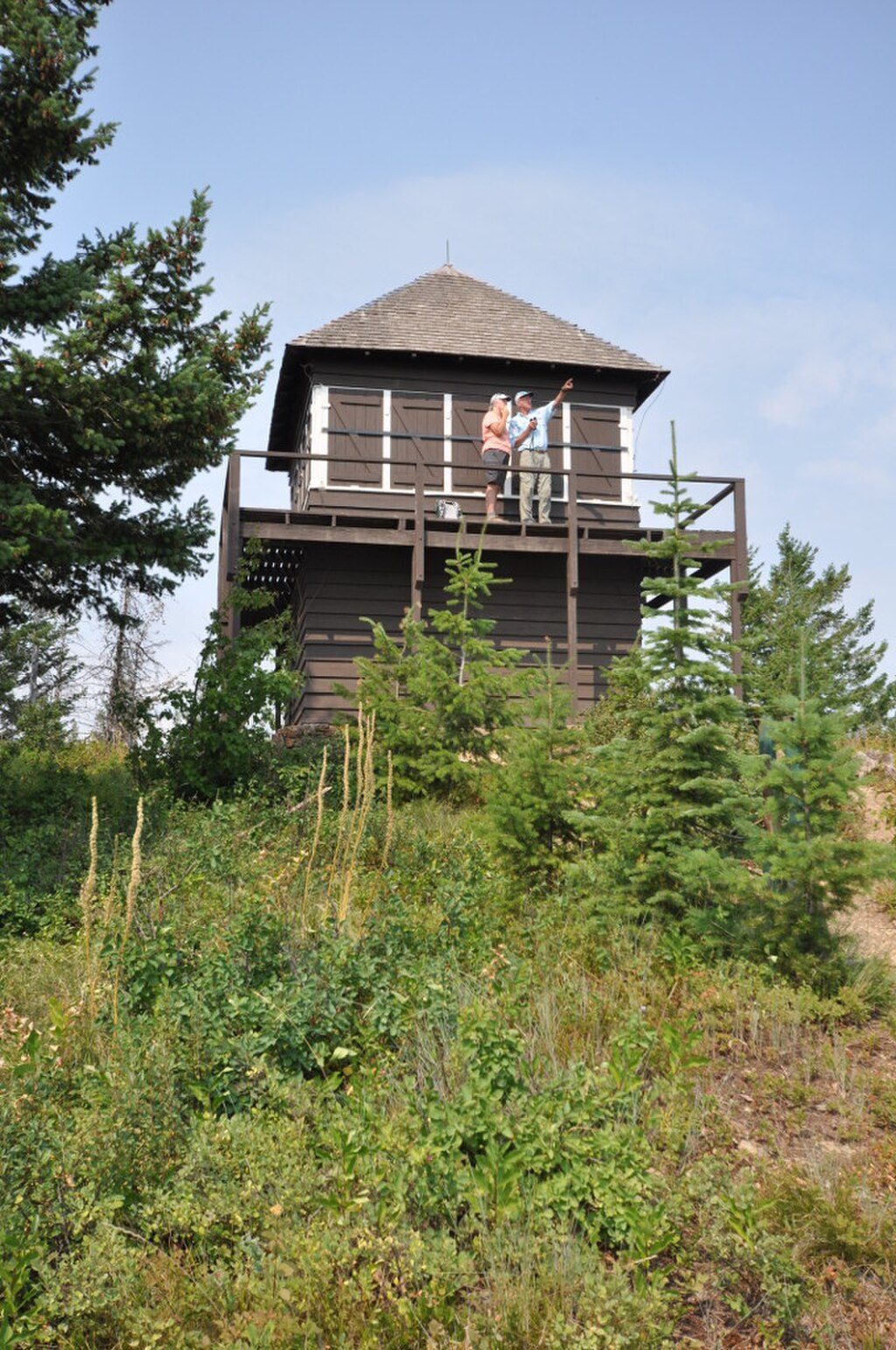
Apgar Mountain’s summit shoulder hosts a 1929 fire lookout with sweeping views up the full length of Lake McDonald and into Glacier’s high peaks. Getting there is a steady grind—about 7.1 miles roundtrip with roughly 1,900 feet of gain—but the payoff is big‑sky panoramas and a sense of Glacier’s glacially carved landscape without committing to a full alpine epic.
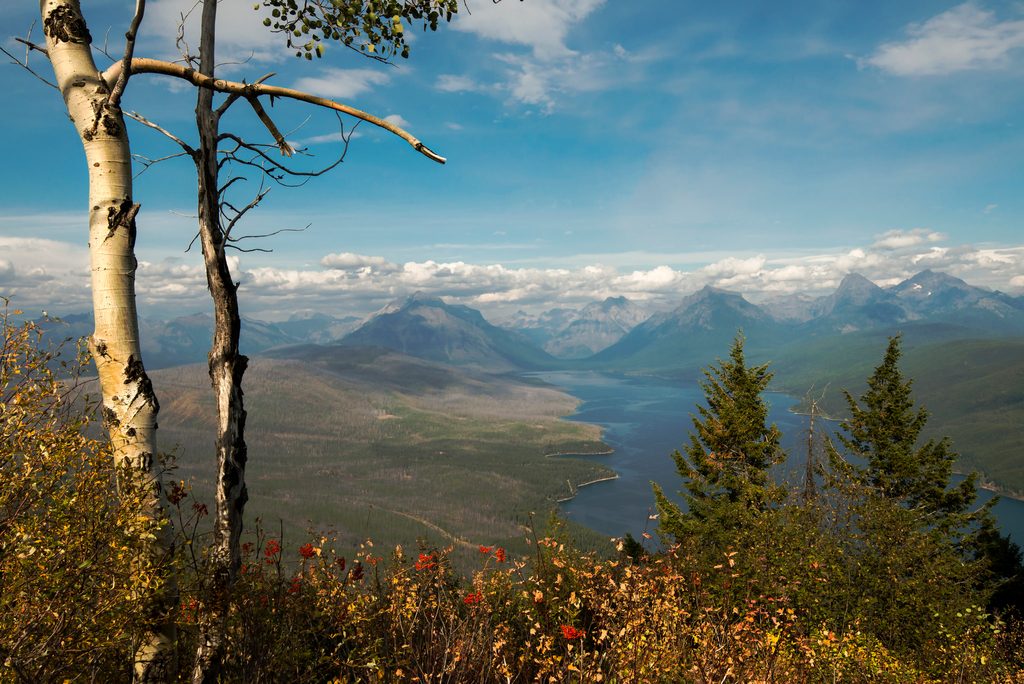
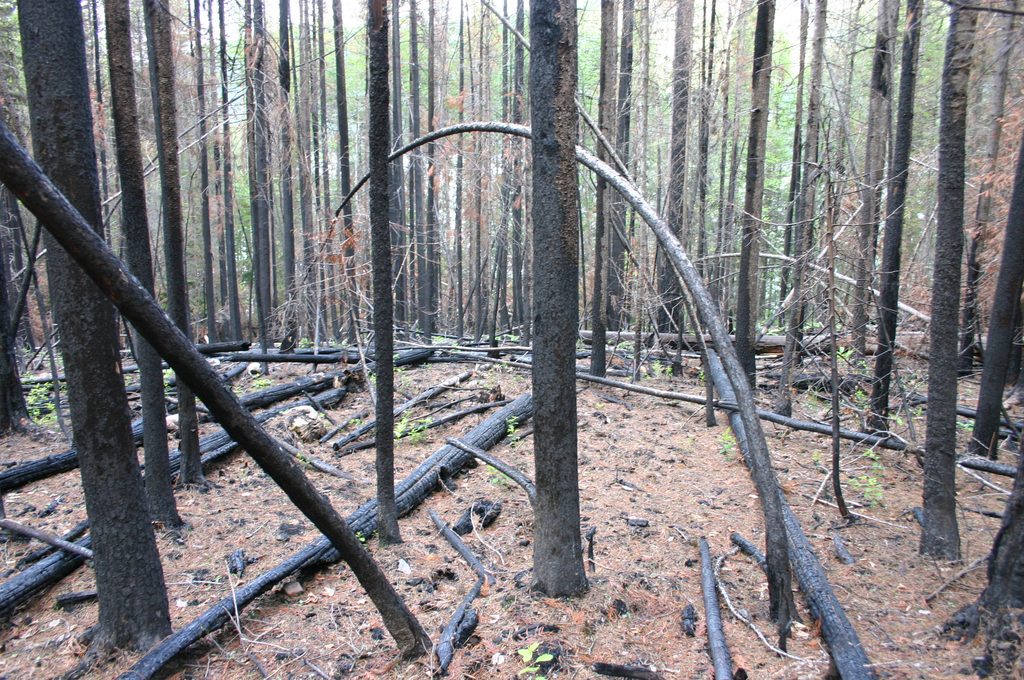
From the lookout, expect broad looks at Lake McDonald backed by peaks like Mount Brown, Mount Cannon, and the Garden Wall along the Continental Divide. The 2003 Robert Fire opened the forest along the route, creating those wide sightlines (and the lack of shade). You’ll also notice classic U‑shaped valleys and colorful ancient rocks—textbook Glacier scenery from a single perch. A communications tower and some nearby trees partially obstruct the immediate foreground, but the long views are the star.
The first bit rolls gently before committing to long, steady switchbacks up Apgar’s southwest slopes. It’s a continuous climb with little relief and very little shade, so bring plenty of water and sun protection. Trekking poles help both on the way up and on the pebbly descent. Expect snow or ice on upper switchbacks early season; traction can be useful.
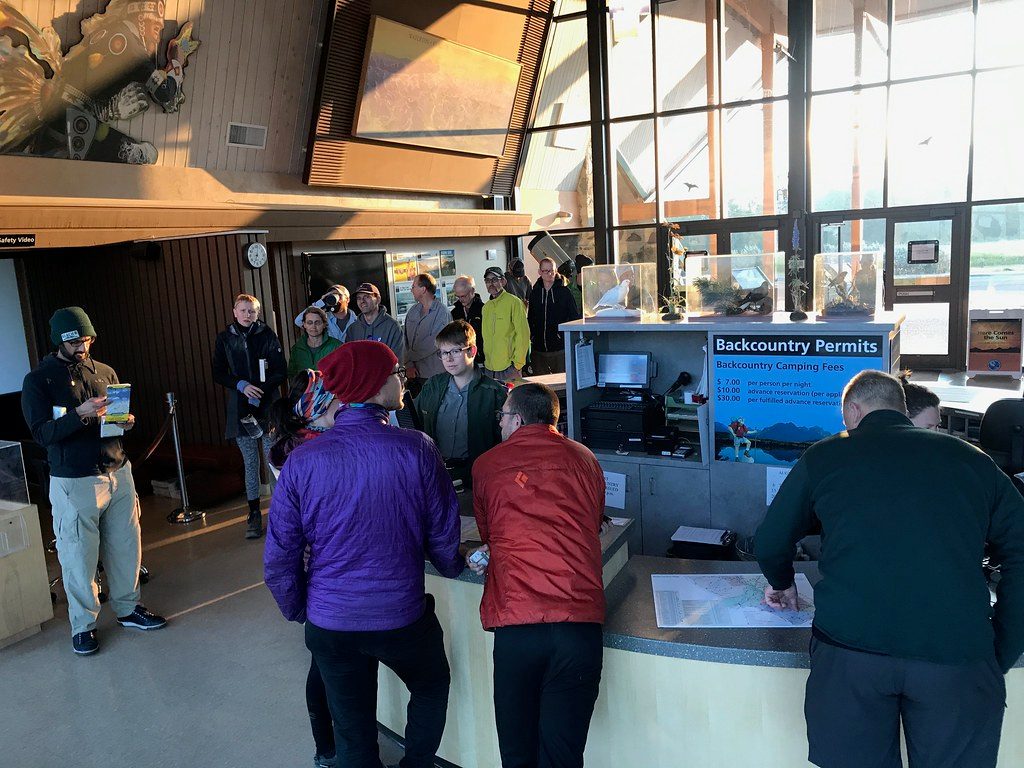
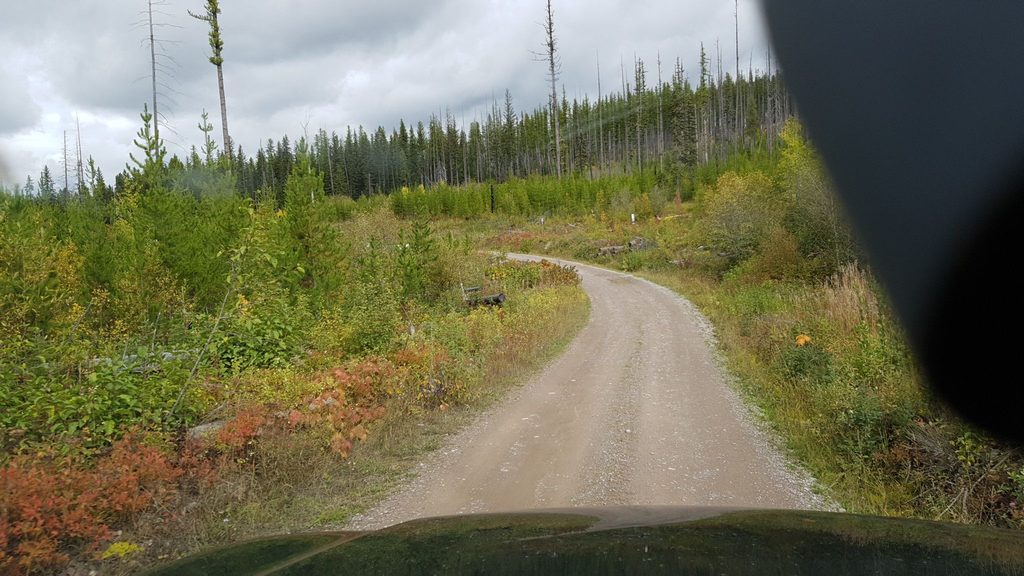
The trailhead sits at the end of a single‑lane gravel road passable to most cars when dry. Parking is small and can fill on busy mornings; have a backup plan. There are no toilets or water at the trailhead or on the trail. Use facilities at Apgar Visitor Center or Apgar Campground before you drive out; the visitor center also has a bottle‑fill station, shuttle stop, and other handy services. Cell service is spotty—download maps before you go.
This is bear country. Burn regrowth and brushy sections lower on the trail can make wildlife harder to spot—carry bear spray, make noise, and give animals space. In summer, heat and sun exposure are the main hazards; in winter, be prepared for snow travel if you’re skiing or snowshoeing.
Apgar takes its name from Milo Apgar, an early settler who built tourist cabins by Lake McDonald in the 1890s. The lookout you’ll visit was built in 1929 and reflects the park’s historic fire‑detection era. The 2003 Robert Fire, one of the park’s major fire events, reshaped the views along this slope by thinning the forest.
Hikers who don’t mind a sustained climb for a big payoff. If you want a view‑rich half‑day close to West Glacier, this one’s a strong pick—especially early season—though the exposure makes it a tough go on hot days.
Place · 0 mi away
Place · 1 mi away
Place · 1.4 mi away
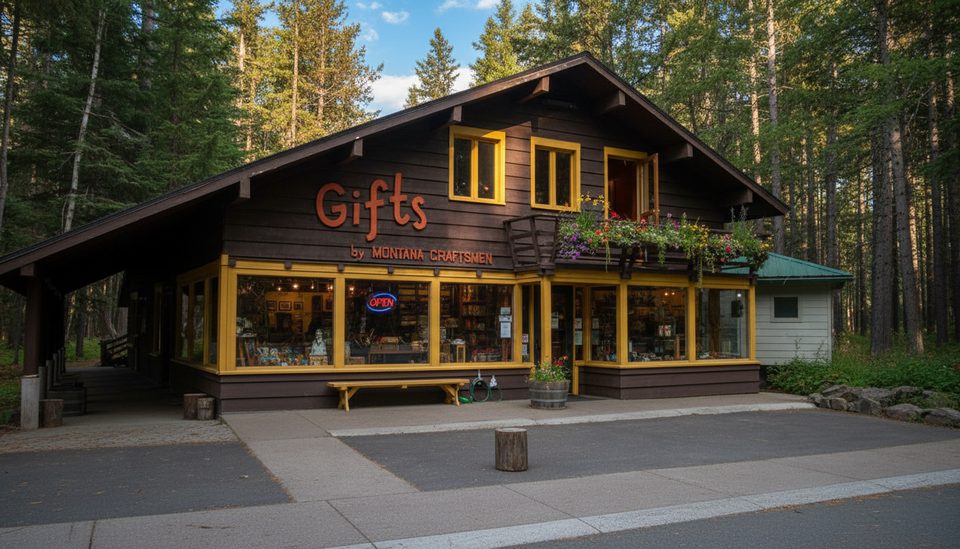
Place · 1.4 mi away
Challenging · 1 mi away
Easy · 2.6 mi away
Easy · 6.3 mi away
Challenging · 8.3 mi away

Parkwolf Tour Guide
